Last updated 2026-07-26
TL;DR
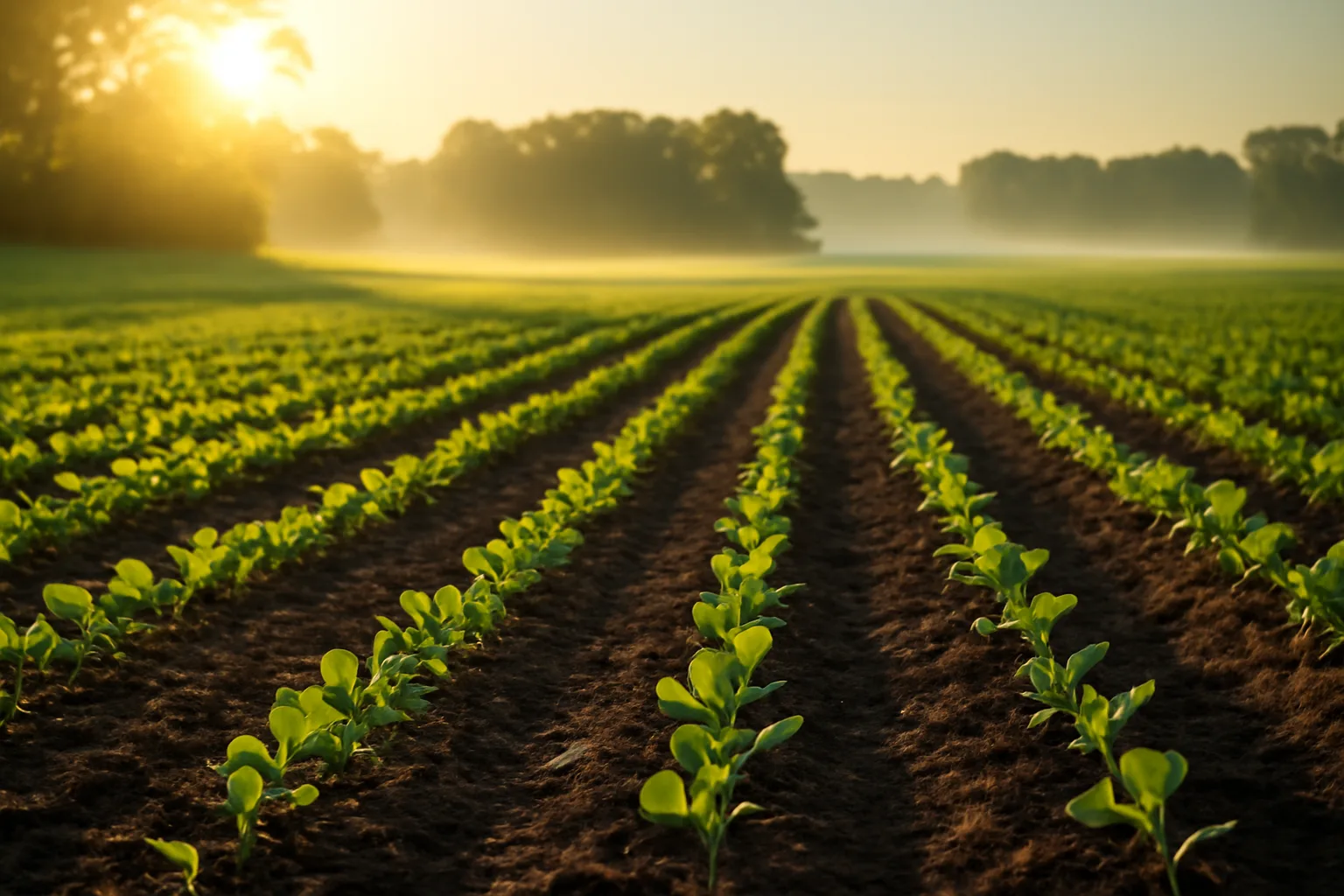
Plant food plot soybeans once soil temperature reaches 55-60°F and the last frost date has passed, generally May 1 to June 15 across most of the whitetail range. Southern zones can plant as early as mid-April; northern zones often wait until late May. Getting the timing right matters more with beans than almost any other food plot crop, because a late frost or cold soil kills germination fast.
When should you plant soybeans for a deer food plot?
Plant soybeans when soil temperature is consistently at or above 55-60°F and the danger of frost has passed. For most of the whitetail range that means a window from early May to mid-June, though it shifts by two to four weeks depending on where you hunt. Soybeans are a warm-season legume. They don't germinate well in cold, wet soil, and a hard frost on young seedlings can wipe out a stand you just spent money and diesel on. University of Wisconsin-Madison Extension agronomy guidance for grain soybeans recommends planting after soil temperatures reach 50°F, but for food plot purposes most experienced planters wait for 55-60°F soil and settled weather, because food plot beans don't get the seed treatments and precision planting that commodity fields do. The simplest gut check: if it's safe to plant garden tomatoes in your area, it's usually safe to plant soybeans. Both crops hate cold soil and both sulk (or die) after a late frost. Soil temperature matters more than the calendar date. A cold, wet spring can push your window back two or three weeks from what the calendar says is "normal." Buy a cheap soil thermometer, push it 2 inches down, and check a few mornings in a row before you commit seed to the ground.
What's the best soybean planting window by zone?
| Deep South (TX, LA, MS, AL, FL, GA) | Mid-April to mid-May | Watch for early-summer drought stress | |
|---|---|---|---|
| Mid-South / Transition (TN, AR, NC, SC, VA) | Late April to late May | Soil warms fast; don't jump too early | |
| Midwest / Corn Belt (IA, IL, IN, OH, MO, KS) | Mid-May to mid-June | Match row-crop planting dates in your county | |
| Upper Midwest / Northern Plains (MN, WI, ND, SD, MI) | Late May to mid-June | Frost risk lingers into late May some years | |
| Northeast (NY, PA, NE) | Late May to mid-June | Short season; don't plant late-maturity varieties | If you're on the fence between two windows, err later rather than earlier. A week or two of extra soil warming beats replanting a frost-killed stand. Losing three weeks of growing season to a slow start is a lot less costly than losing the whole planting. |
Here's a rough zone breakdown based on typical last-frost dates and soil-warming patterns. Treat these as starting points, not gospel. Always confirm your local last frost date through your state's cooperative extension office or the NOAA climate normals for your county [1]. | Zone (general region) | Typical planting window | Notes |
When to plant food plots for deer overall (soybeans vs other crops)
Food plot timing splits into two seasons: spring plantings (soybeans, corn, sunflowers, most warm-season annuals) and late-summer/fall plantings (brassicas, cereal grains, clover establishment). Soybeans fall firmly in the spring camp, planted once frost risk ends and soil warms, same window as field corn in your area. Most food plotters plant three broad categories on three different calendars. Perennial clover and chicory get established in spring or late summer, depending on your region. Warm-season annuals like soybeans, cowpeas, and sunflowers go in from mid-spring through early summer. Cool-season annuals like brassicas, cereal grains, and winter peas go in from late summer into early fall, timed so they mature right as hunting season opens. The USDA Natural Resources Conservation Service treats food plots as a wildlife habitat practice under its conservation programs, and its general timing guidance for warm-season plantings mirrors row-crop agronomy: plant after soil warms and frost risk passes [2]. That's a useful anchor because it means you can often just follow your county's corn or soybean planting recommendations from your local extension office. If you want a plan built around your specific frost dates, soil test, and region rather than a generic zone map, that's exactly the kind of detail a Custom Food Plot Plan is built to handle for $99, one time, no subscription.
How long do soybean food plots take to mature, and when should you plant to have beans available for hunting season?
Most food plot soybean varieties take 100 to 140 days from planting to full maturity, depending on the maturity group you choose. If you plant in mid-May, expect the plant to still be green and attractive to deer through summer, then drop leaves and leave standing pods by September or October, which is when deer hit them hardest. The trick with soybeans is that deer eat them in two very different ways. In summer, deer browse the leaves and young plants heavily, sometimes hard enough to kill a small plot before it gets established. In fall and winter, deer switch to eating the dried pods and beans themselves, which is the high-energy food source most hunters are actually trying to provide going into cold weather. Because of that summer browse pressure, plot size matters as much as planting date. University of Tennessee Extension and other land-grant programs generally recommend food plot soybean plantings of at least 3 to 5 acres in areas with high deer density, because smaller plots often get grazed to the dirt before they can produce pods [3]. If you're working a smaller plot, a soybean and cowpea blend, or a heavier planting rate, can help offset browse pressure, but there's no guarantee against a hungry herd on a one-acre patch.
When to plant turnips for deer, and how does that timing differ from soybeans?
Turnips go in the ground in late summer, roughly 60 to 90 days before your area's first hard frost, which puts most plantings between mid-July and early September depending on latitude. That's the opposite end of the calendar from soybeans. Turnips are a cool-season brassica. They need cooling temperatures and a frost or two to convert starches to sugars in the bulb, which is what makes them palatable to deer late in the season. Plant too early and the plants bolt or get scorched by summer heat before they bulb up. Plant too late and they won't mature before the ground freezes. South Dakota State University Extension and other Midwest programs generally recommend brassica plantings, including turnips, from late July through mid-August in northern climates, and into early September in the South. If soybeans are your spring/summer plot and turnips are your late-summer plot, you're effectively running a two-season rotation on the same acreage, which a lot of experienced plotters do to keep food available from July through the end of hunting season.
When to plant oats for deer, and can they pair with a soybean plot?
Oats go in from late summer through early fall, typically August through mid-September in most whitetail country, timed so they're 6 to 10 inches tall and highly attractive right as archery season opens. In the Deep South, some hunters plant oats as late as October. Oats are a cool-season cereal grain that deer often prefer over wheat or rye early in fall, before the frost sweetens brassicas and before acorns drop. Oklahoma State University Extension notes that cereal grains like oats and wheat are commonly overseeded into existing plots or planted alone in late summer for fall deer forage, and that they establish quickly and tolerate a wide soil pH range better than most legumes [4]. A common rotation: plant soybeans in May-June for summer/early fall food and cover, then in late August drill oats or a oat-clover mix into a separate field or into the standing bean stubble after harvest-type browse-down. That gives you green, attractive forage on the ground nearly year-round instead of one crop that peaks and fades.
Do deer eat sorghum, and does it fit into a spring planting plan alongside soybeans?
Yes, deer eat sorghum, both the leaves early in the season and the grain heads later once they mature and dry down. Sorghum is planted on the same general calendar as soybeans and corn, after soil warms past roughly 60°F, typically late spring into early summer. Grain sorghum (milo) is drought-tolerant and often used as a food plot component in areas with sandy or dry soils where corn struggles. It's less commonly planted as a standalone deer food plot than soybeans or corn, but shows up in wildlife blends because it produces a grain head deer and turkey both use, and it's cheaper and hardier than corn in tough soils. If you're deciding between the two for a spring plot, soybeans generally offer more total tonnage of high-protein forage during summer growth, while sorghum offers more drought insurance and a grain crop that survives poor soil better.
Do deer eat clover, and do deer like clover as much as soybeans?
Yes, deer eat clover heavily, and most wildlife biologists rank it among the most consistently used food plot forages because it's available almost year-round, unlike soybeans, which are seasonal. Clover doesn't out-produce soybeans in raw protein tonnage during a short window, but it wins on duration. Clover is a perennial. Once established, a good stand of ladino or red clover can produce grazable forage for three to five years with proper mowing and fertility maintenance, according to Penn State Extension forage guidance. Soybeans are an annual that you replant every year, but they produce far more total biomass per acre during their growing season and add a fall pod crop clover can't match. Most serious food plot programs run both: perennial clover for spring-through-fall grazing pressure relief, and annual soybeans or brassicas for a concentrated, high-energy target during hunting season. If you're picking one crop to start with on a new plot, clover is more forgiving of imperfect timing and soil; soybeans reward precise planting dates and decent soil fertility.
Do deer like clover more than other options, and what are deer's favorite foods overall?
Deer don't have one single favorite food; their preference shifts by season, region, and what's locally available. That said, clover, soybeans, acorns, and standing corn consistently rank among the most heavily used food sources across whitetail research and extension literature. Acorns are arguably the most consistently preferred natural food where oaks are present, because of their high fat content going into winter. Among planted crops, soybeans (both the leaves in summer and the beans in fall/winter) and clover are the most frequently cited preferred plantings in state wildlife agency food plot guides, including guidance from the Mississippi State University Deer Lab, which notes soybeans and cowpeas provide some of the highest crude protein levels available in a plantable summer forage. If you're choosing between crops for a new plot and don't have a clear regional preference to go on, a blend of a perennial (clover) and an annual (soybeans or a brassica) covers more of the calendar than betting on a single species. That's part of why a mixed food plot seed strategy tends to outperform a single-species plot over a full season.
Do deer like honey, and is that relevant to food plots at all?
Deer aren't drawn to honey specifically, and there's no wildlife agency or extension guidance recommending it as a deer attractant. Deer are herbivores whose diet centers on browse, forbs, mast, and agricultural crops, not sugary substances like honey. Some commercial deer attractant sprays use sugar-based or molasses-based scents, but that's a different product category from food plot planting, and results on those products are mixed at best with no peer-reviewed data showing consistent effectiveness. If you're trying to draw deer to a plot, planting a preferred forage like clover, soybeans, or brassicas and doing it on the right calendar window will do far more than any spray-on attractant.
What is a food plot, exactly?
A food plot is a planted area of cropland, usually somewhere between a quarter-acre and several acres, established specifically to provide supplemental forage for deer or other wildlife rather than for human harvest and sale. Hunters plant them on owned or leased ground to improve deer nutrition, hold deer on the property longer, and create predictable feeding locations for hunting. The USDA Natural Resources Conservation Service classifies food plots under wildlife habitat management practices, distinct from commercial agriculture, and many states allow cost-share or technical assistance for them through conservation programs aimed at wildlife habitat improvement [2]. Food plots range from simple single-species plantings like clover or soybeans to complex multi-species blends designed to provide forage across every season. A good food plot program usually isn't one plot. It's a rotation: something green in spring, something high-protein in summer, something the deer want in fall, and something durable enough to survive into winter. That's the whole reason timing questions like "when do I plant soybeans" matter so much, because getting one piece of the rotation wrong throws off food availability for weeks at a time.
What else should you check before you plant?
Before you put seed in the ground, pull a soil sample and get it tested. Soybeans are a legume and fix their own nitrogen once nodulated, but they're sensitive to soil pH, and most extension programs recommend a pH between 6.0 and 6.8 for good nodulation and yield, according to agronomy guidance from Kansas State University Extension on soybean production [5]. Your soil test lab, not a generic article, is the authority on exactly how much lime or fertilizer your specific field needs; recommendations vary by region and by lab. Also check your state's baiting and supplemental feeding regulations before you assume a food plot is treated the same as bait. Most states draw a legal distinction between a planted, unharvested food plot (generally legal to hunt over) and piled feed, minerals, or bait (often restricted or banned during hunting season). Rules vary widely and change year to year, so check your state wildlife agency's current regulations before you plant or hunt a plot, particularly if you're near a state line or hunting public ground. If you want the planting date, seed mix, and fertility target lined up specifically for your zip code and soil test results instead of a general zone map, a Custom Food Plot Plan runs $99 one time and is built around your actual conditions, not a national average. It's general planning guidance, not a substitute for your soil lab's specific lime and fertilizer recommendations.
Frequently asked questions
Do deer eat sorghum?
Yes. Deer browse sorghum leaves in summer and eat the grain heads once they mature and dry in fall. It's most useful in dry, sandy soils where corn or soybeans struggle, and it's planted on roughly the same late-spring to early-summer calendar as soybeans.
Do deer eat clover?
Yes, heavily. Clover is one of the most consistently used food plot forages because it's available for most of the growing season, more than a few weeks. A well-maintained stand can produce grazable forage for three to five years, per Penn State Extension forage guidance.
When should I plant deer food plots overall?
It depends on the crop. Warm-season plants like soybeans, corn, and sorghum go in from mid-spring to early summer after soil warms and frost risk passes. Cool-season plants like brassicas, oats, and clover go in from late summer into early fall, timed to mature before hunting season.
Do deer like clover more than soybeans?
There's no universal answer; it depends on season and availability. Clover gets grazed nearly year-round, while soybeans provide a bigger burst of protein-rich forage in summer and a fall/winter pod crop. Most experienced plotters plant both rather than choosing one over the other.
When should I plant oats for deer?
Plant oats from August through mid-September in most regions, later in the Deep South, so they reach 6 to 10 inches of growth right as archery season opens. Oats establish fast and tolerate a wider soil pH range than most legumes.
When should I plant food plots for deer in general?
Run two seasons: spring plantings (soybeans, corn, sunflowers) after your last frost date and once soil hits roughly 55-60°F, and late-summer plantings (brassicas, oats, clover establishment) from late July through September so they mature in time for fall hunting.
When should I plant turnips for deer?
Plant turnips 60 to 90 days before your area's first hard frost, generally mid-July through early September depending on latitude. They need cool, shortening days and at least one frost to sweeten the bulbs and become highly attractive to deer.
What is a food plot?
A food plot is a planted patch of land, from a quarter-acre to several acres, established to provide supplemental deer or wildlife forage rather than for commercial harvest. USDA NRCS treats food plots as a wildlife habitat management practice, separate from row-crop agriculture.
What are deer's favorite foods?
There's no single favorite; it shifts by season and region. Acorns rank high for fall/winter fat content, and among planted crops, soybeans and clover consistently show up as top preferred forages in state and university deer research, per the Mississippi State University Deer Lab.
Do deer like honey?
No meaningful evidence supports honey as a deer attractant. Deer are herbivores that focus on browse, forbs, and mast, not sugar sources like honey. Some commercial sprays use sugar or molasses scents, but there's no solid data showing they outperform a well-timed food plot.
What soil temperature is right for planting soybeans in a food plot?
Aim for soil temperature consistently at or above 55-60°F, measured a couple of inches deep, with no frost risk in the forecast. University of Wisconsin-Madison Extension recommends 50°F as a minimum for grain soybeans, but food plot plantings do better waiting for slightly warmer, more settled soil.
Can I plant soybeans too late in the season?
Yes. Most food plot soybean varieties need 100 to 140 days to mature depending on maturity group. Planting too late risks the crop not maturing before fall frost kills the plant, which cuts down on the pod production deer rely on for fall and winter energy.
Should I plant soybeans alone or mixed with other seed?
Mixing soybeans with cowpeas or sunflowers can help spread out browse pressure on a small plot, since deer hitting young soybeans hard can wipe out a thin stand before it produces pods. On plots under 3 to 5 acres in high-deer-density areas, a blend is often a safer bet than pure soybeans.
Sources
- NOAA National Centers for Environmental Information, Climate Normals: Local last-frost dates vary by county and should be checked against current climate normals
- USDA Natural Resources Conservation Service, Wildlife Habitat Management practices: Food plots are treated as a wildlife habitat management practice within USDA conservation programs
- University of Tennessee Extension, Establishing and Managing Wildlife Food Plots: Soybean food plots generally need several acres in high deer-density areas to survive browse pressure before producing pods
- Oklahoma State University Extension, Wildlife Food Plots: Cereal grains like oats and wheat establish quickly and are commonly planted in late summer for fall deer forage
- Kansas State University Extension, Soybean Production Handbook: Soybeans grow best in soil pH between 6.0 and 6.8 for proper nodulation and yield