Last updated 2026-07-26
TL;DR
Cereal rye, buckwheat, forage soybeans, cowpeas, and certain clovers (like arrowleaf or crimson) handle sandy soil best because they tolerate drought and low fertility. Sandy soil drains fast and holds little organic matter, so pair drought-tough species with split fertilizer applications and, ideally, some added organic matter or a soil test to guide lime and nutrient rates.
what grows best in sandy soil for a deer food plot
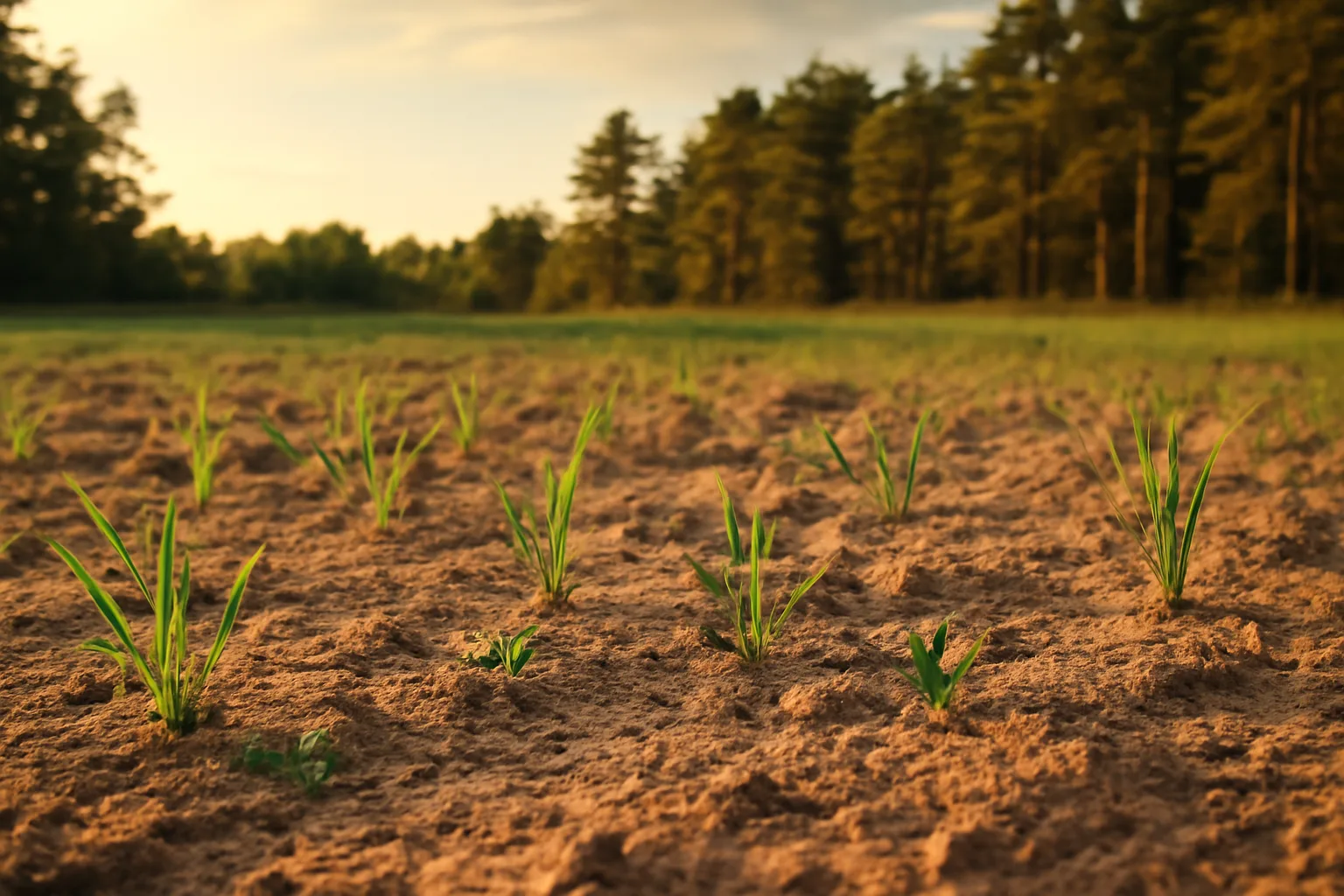
Cereal rye is probably the single most forgiving plant you can put in sandy dirt. It germinates in cool, dry conditions, tolerates low pH better than almost anything else in the plot world, and its root system does real work holding sand in place over winter. Buckwheat is the summer equivalent: it grows fast on poor soil, needs almost no fertilizer, and works as a nurse crop or soil builder ahead of a fall planting. Forage soybeans and cowpeas handle sandy ground reasonably well too, especially once they're established, because they fix their own nitrogen and have decent root depth to chase moisture. Iron-clay cowpeas in particular are known for tolerating drought and sandy, infertile soil, which is part of why they show up in Southern deer plot mixes so often [1]. Clover is trickier. Most clovers want a soil that holds moisture and has some clay or organic matter to buffer pH swings. Arrowleaf clover and crimson clover are the two that do best on sandy sites because they're more drought-tolerant than white or red clover, but even they'll struggle in a dry August without irrigation or a good organic matter base [2]. Here's the honest ranking most extension agronomists and experienced plotters would give you for straight sand or sandy loam: cereal rye and buckwheat first, then cowpeas and forage soybeans, then arrowleaf/crimson clover, then oats (which need more moisture and fertility than rye), with white clover, alfalfa, and brassicas like turnips near the bottom unless you're willing to irrigate or heavily amend.
why is sandy soil hard on food plots in the first place
Sandy soil has large particles and big pore spaces, so water runs through it fast and takes nutrients with it. That's the core problem. Cation exchange capacity (CEC), which is basically a soil's ability to hold onto nutrients like potassium, calcium, and magnesium for plant use, is naturally low in sandy soils compared to clay or silt loam soils. The USDA NRCS soil health guidance notes that CEC is directly tied to clay content and organic matter, both of which sandy soils have in short supply [2]. Low CEC means fertilizer you apply leaches down past the root zone faster, especially nitrogen and potassium. It also means the soil's pH can swing more with rainfall, so lime doesn't hold its buffering effect as long as it would in heavier ground. Organic matter fixes a lot of this, but sandy soils are usually low in it too. Building organic matter through cover crops like buckwheat, cereal rye, and clover over a few seasons is the single best long-term fix, better than any bag of fertilizer. A soil test is non-negotiable on sandy ground. Guessing at lime and fertilizer rates on soil that doesn't buffer well is how you waste money and still get a thin stand. Your soil test lab's recommendations are the real authority here, not a generic chart.
when to plant food plots for deer
Timing depends on region and species, but the general rule is simple: cool-season plots go in late summer to early fall, and warm-season plots go in late spring after your last frost. In the Midwest and Northeast, that's typically mid-August through mid-September for clover, brassicas, and cereal grains, and mid-May through June for soybeans, cowpeas, and buckwheat. In the Deep South, cool-season plantings can run later, into October or even November, because the heat holds on longer, and warm-season plots often go in earlier, starting in April. Your state wildlife agency or local extension office publishes region-specific planting windows and those beat any national calendar, because a frost date in Minnesota and one in Georgia aren't close. Soil temperature and moisture matter more than the calendar date. If you're on sandy soil, timing gets even more important because you've got a narrower window before the ground dries out and seedlings stall or die. Planting right before a rain event, if you can time it, matters more on sand than on clay because clay holds surface moisture longer after a light rain.
when to plant oats for deer
Oats go in during late summer to early fall, generally 60 to 90 days before your first hard frost, so they've got time to establish before cold weather slows growth. In most of the whitetail range that lands somewhere between mid-August and mid-September. On sandy soil, oats are a middle-of-the-road choice. They germinate fast and deer hit them hard early, but oats need more consistent moisture and fertility than cereal rye to really thrive, so on straight sand you'll often see a thinner stand than you would on loam. Mixing oats with cereal rye is a common workaround: the rye holds the plot together if the oats struggle, and you still get the early palatability oats are known for. Oats also winterkill in cold climates, which some hunters like because it means no herbicide needed to terminate before a spring planting. In milder climates they can persist into winter and even regrow in spring.
when to plant turnips for deer
Turnips and other brassicas go in 80 to 100 days before your first expected frost, which usually means late July through August in the northern half of the whitetail range and into early September further south. Turnips are not a great sandy-soil plant. They want a soil with decent moisture retention and fertility to bulb up properly, and on straight sand the bulbs tend to stay small and the plant is more prone to drought stress during establishment. If you've got sandy soil and really want brassicas, plan on irrigation during the first three to four weeks, or mix turnips with a drought-tougher species like cereal rye so you've got a backup if the turnips underperform. One more thing worth knowing: deer often don't touch turnip bulbs and tops heavily until after the first hard frost converts starches to sugars, so a turnip plot can look ignored in October and then get hammered in December. That's normal, not a failure.
do deer eat sorghum
Yes, deer eat grain sorghum, particularly the seed heads once they mature, and sorghum is a solid choice for sandy soil because it's genuinely drought-tolerant, more so than corn. Sorghum's root system goes deeper and it handles heat and low-moisture conditions better, which is exactly the profile sandy ground demands . The catch is that sorghum works better as a grain/cover component in a mixed plot than as a stand-alone attractant early in the season, since deer often prefer softer forages first and hit the grain heads later, especially after frost or once other food sources thin out. It's a strong pick for a fall/winter standing grain plot on sandy fields where corn would need more fertilizer and water than you want to invest.
do deer eat clover, and do deer like clover
Yes on both counts. Clover is one of the most consistently preferred forages for whitetails through spring, summer, and fall, and it shows up in food plot recommendations from nearly every state wildlife agency and university extension program for that reason. It's high in protein, often 25 to 30 percent crude protein in a well-maintained stand, which matters for antler growth and lactation [2]. The question isn't whether deer like clover, it's whether your soil will support clover well. On sandy ground, straight white clover or red clover often struggles without irrigation or heavy organic matter amendment, because clover's shallow-to-moderate root system needs more consistent soil moisture than deep-rooted species like alfalfa or the drought-tougher legumes. If you're set on clover in sandy soil, arrowleaf clover and crimson clover are your best bets. Both were bred and are used widely in the Southeast specifically because they tolerate sandier, more acidic, lower-fertility soils better than white or red clover [2]. Perennial white clover can still work on sandy loam with decent organic matter. Just don't expect a five-year stand out of it without irrigation.
what is a food plot
A food plot is a planted area, usually somewhere between a quarter acre and several acres, established specifically to provide supplemental forage for deer or other wildlife. It's not the same as baiting, which typically means placing loose grain, minerals, or feed directly on the ground; food plots are planted, growing crops, and most states regulate the two very differently. Food plots generally serve two purposes: attraction (drawing deer to a specific spot for hunting) and nutrition (supplementing a deer herd's diet, especially protein during antler growth and fat reserves before winter). Clover, brassicas, cereal grains, soybeans, and corn are the most common species planted, chosen based on region, soil, and whether the goal is a spring/summer plot, a fall hunting plot, or both. Check your own state's regulations before planting. Some states have rules distinguishing food plots from baiting, and those rules can affect where and how you can hunt over a plot. The Pennsylvania Game Commission's baiting and feeding regulations page is one example of how specific and location-dependent these rules can get .
what are deer's favorite foods
Whitetail deer are generalist browsers, and their preferences shift by season, region, and what's available. That said, several plants show up again and again as high-preference food plot forages: clover, soybeans (both forage and grain-type), cowpeas, and brassicas like turnips and radishes after a frost. Acorns are arguably a whitetail's single most important natural food in the fall across much of its range. Deer will often bypass a food plot entirely during a heavy acorn drop. That's a real limitation to know about: a great plot next to a bumper white oak crop might sit untouched for weeks. In spring and summer, clover and soybeans in the vegetative stage are heavily preferred because of protein content. In fall and winter, standing corn, soybeans left to dry down, brassica tops and bulbs after frost, and cereal grains like wheat, oats, and rye become more important as energy sources going into cold weather.
do deer like honey
There's no real research or wildlife agency guidance suggesting deer seek out honey, and it's not a food plot topic at all. Honey isn't planted. Deer will occasionally investigate or lick sweet substances if they encounter them, similar to how they'll sometimes chew on salt or mineral blocks, but honey isn't part of any established food plot strategy. Most states' baiting regulations would treat placed sweet substances the same as any other bait or attractant, meaning it's often restricted or illegal depending on where you hunt. If you're trying to boost attraction to a plot, a better use of your time is picking the right species mix for your soil (like the sandy-soil options covered above) rather than chasing novelty attractants with no research behind them. Check your state wildlife agency's baiting and feeding regulations page before using any attractant, sweet or otherwise, near a hunting area .
how do you fix sandy soil before planting a food plot
You can't turn sand into loam in one season, but you can improve it enough to grow a real stand. Start with a soil test; it's the only way to know your actual pH and nutrient levels rather than guessing, and your lab's lime and fertilizer recommendations should be treated as the final word for your specific field. Split your fertilizer applications instead of putting it all down at once. Because sandy soil leaches nutrients fast, especially nitrogen and potassium, applying half at planting and the rest as a topdress a few weeks later usually gets you better uptake than one big application that partly washes through before the plant can use it. Add organic matter over time. Planting a buckwheat or cereal rye cover crop and terminating it into the soil (or letting it winterkill and decompose) builds organic matter and improves water-holding capacity season over season. Composted manure or other organic amendments help too, if you've got access to them. Lime according to your soil test, and expect to retest more often on sandy ground, every year or two instead of every three, because low-CEC soils don't hold a lime application's buffering effect as long as heavier soils do [2].
putting together a sandy-soil planting plan
| Cereal rye | Excellent | Most forgiving option; tolerates low pH and poor fertility [1] | |
|---|---|---|---|
| Buckwheat | Excellent | Fast summer cover crop, builds organic matter, low fertility need | |
| Iron-clay cowpeas | Very good | Fixes nitrogen, handles drought and sandy sites well [1] | |
| Forage soybeans | Good | Needs decent moisture at germination, better once rooted | |
| Arrowleaf/crimson clover | Good | More drought-tolerant than white/red clover [2] | |
| Grain sorghum | Good | Deep roots, drought-tough, good standing winter grain | |
| Oats | Fair | Needs more moisture/fertility than rye; good mixed with rye | |
| White/red clover | Fair to poor | Struggles without irrigation or high organic matter | |
| Turnips/brassicas | Poor to fair | Bulbs stay small in low-fertility sand without amendment | |
| Alfalfa | Poor on straight sand | Wants deep, well-drained loam, not pure sand | If you'd rather not build this plan from scratch, a food plot whitetail strategy tailored to your region and a species list matched to your specific soil test results saves a lot of trial and error. That's exactly the gap PlotSeason's $99 one-time Custom Food Plot Plan is built to close: you send in your soil test and general goals, and get a plan back suited to your ground rather than a generic bag mix. Start at /plot-plan-builder. |
A workable approach for most sandy sites: run a summer cover of buckwheat or iron-clay cowpeas to build organic matter and give deer some early forage, then transition into a fall blend of cereal rye plus arrowleaf or crimson clover for a plot that'll actually survive into winter. Add sorghum or a drought-tolerant corn variety if you want a standing grain component and can spare the acreage. Here's a simple comparison of common species by how well they tolerate sandy, low-fertility soil: | Species | Sandy soil tolerance | Notes |
final take on picking a food plot for sandy soil
If you take one thing from this article, take this: match your species to your soil's actual drought and fertility profile before you worry about deer preference, because a plant deer love that dies in July from drought stress isn't feeding anything. Cereal rye, buckwheat, cowpeas, forage soybeans, and arrowleaf or crimson clover are the sandy-soil workhorses. Turnips, alfalfa, and straight white clover are the ones to be cautious with unless you can irrigate or you've spent a couple seasons building organic matter first. Get a soil test before you plant anything. It costs very little relative to what you'll spend on seed and fertilizer, and it's the only way to know your real starting point rather than guessing at lime and nutrient rates on soil that won't forgive a bad guess the way clay will. For more on matching species to your specific site, see deer food plot seed and deer food plots for broader planning, or food plot seed if you're comparing blends.
Frequently asked questions
Do deer eat sorghum?
Yes. Deer eat grain sorghum, especially the seed heads once mature, and it's more drought-tolerant than corn, making it a solid choice for sandy or low-moisture fields. Deer often prefer softer forages earlier in the season and hit sorghum heads harder in late fall and winter.
Do deer eat clover?
Yes, clover is one of the most preferred whitetail forages available and shows up in food plot guidance from nearly every state wildlife agency and university extension program. It's high in protein, often 25 to 30 percent crude protein in a healthy stand, which supports antler growth and lactation.
Do deer like clover more than other plot species?
Clover ranks among the top preferred forages, especially in spring and summer, but preference shifts seasonally. Deer often favor soybeans and brassicas in different windows, and acorns can outcompete any planted forage during a heavy fall drop. Preference isn't fixed; it depends on season and what else is available.
When should you plant food plots for deer?
Cool-season plots (clover, brassicas, cereal grains) generally go in mid-August through mid-September in most of the whitetail range, later in the Deep South. Warm-season plots (soybeans, cowpeas, buckwheat) go in after your last frost, typically May or June. Check your state extension office for exact local windows.
When should you plant oats for deer?
Plant oats 60 to 90 days before your first hard frost, usually mid-August to mid-September in most regions. On sandy soil, mixing oats with cereal rye helps, since rye tolerates poor fertility and low moisture better and can carry the plot if oats struggle.
When should you plant turnips for deer?
Plant turnips 80 to 100 days before your first expected frost, generally late July through August in northern areas and into early September further south. On sandy soil, expect smaller bulbs unless you irrigate or improve organic matter first; mixing with cereal rye is a common backup.
What is a food plot?
A food plot is a planted area, usually a quarter acre to several acres, established to provide supplemental forage for deer or other wildlife. It differs from baiting, which uses loose grain or feed rather than growing crops, and most states regulate the two differently under hunting law.
What are deer's favorite foods?
Clover, soybeans, cowpeas, and brassicas after frost rank among the top preferred food plot forages. In the wild, acorns are often a whitetail's single most important fall food source in much of its range, sometimes outcompeting planted plots entirely during a heavy drop.
Do deer like honey?
There's no research or wildlife agency guidance supporting honey as a deer attractant, and it isn't a food plot species since it can't be planted. Most states' baiting rules would treat placed sweet substances like other bait, so check your state wildlife agency's regulations before using any attractant.
What food plot species handles sandy soil best?
Cereal rye and buckwheat top the list for sandy soil tolerance, followed by iron-clay cowpeas and forage soybeans, then arrowleaf or crimson clover. These species tolerate drought and low fertility better than white clover, alfalfa, or brassicas, which generally need more moisture and organic matter to thrive.
Why is clover hard to grow in sandy soil?
Most clover varieties need consistent soil moisture and moderate organic matter to establish and persist, both of which sandy soil lacks. Sandy soil drains fast and has low cation exchange capacity, so nutrients leach before shallow-to-moderate clover roots can use them, especially during dry stretches.
Do you need more fertilizer on sandy soil food plots?
Often yes, but split into smaller applications rather than one heavy dose, since sandy soil's low cation exchange capacity means nutrients leach through quickly. A soil test tells you actual rates needed; guessing on sandy ground wastes fertilizer and often still produces a thin stand.
Can you grow brassicas like turnips in sandy soil?
You can, but bulbs typically stay smaller without irrigation or added organic matter, since turnips want moisture-retentive, fertile soil to bulb up well. Mixing turnips with a tougher species like cereal rye gives you a backup if the brassica component underperforms on sandy ground.
Sources
- University of Georgia Extension, Clover and Other Legumes for Wildlife (Bulletin 1347): Arrowleaf and crimson clover tolerate sandier, lower-fertility soils better than white or red clover
- Oklahoma State University Extension, Establishing Wildlife Food Plots (PSS-2911): Oats should be planted roughly 60 to 90 days before first hard frost for fall establishment
- USDA NRCS Plant Guide, Grain Sorghum (Sorghum bicolor): Grain sorghum is more drought-tolerant than corn due to a deeper root system
- Pennsylvania Game Commission, Baiting and Feeding Regulations: States regulate food plots and baiting/feeding differently, affecting legal hunting setups
- USDA Forest Service, Wildlife Habitat Management for Oaks and Acorns: Acorns are a critical fall food source for whitetail deer, often outcompeting other forages during heavy mast years