Last updated 2026-07-25
TL;DR
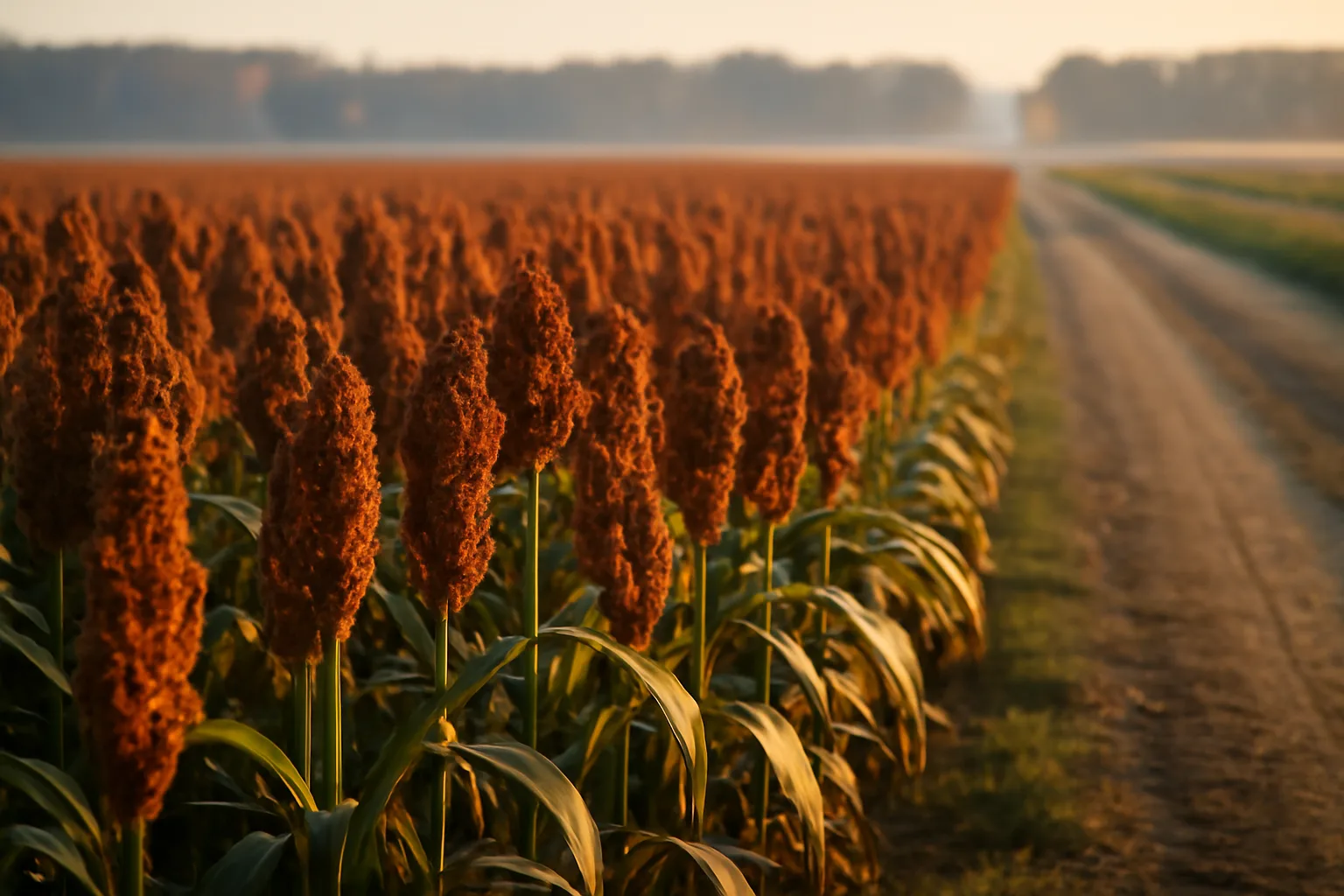
Plant grain sorghum (milo) for deer when soil temperature reaches 65F at planting depth, usually late May through early July depending on your zone. It's grown mainly as standing winter cover and late-season food, not a summer attractant, since deer browse it lightly until seed heads mature and other food sources thin out.
When should you plant milo for deer?
| Deep South (zone 8-9) | Late April to early June | |
|---|---|---|
| Mid-South / transition (zone 7) | Mid-May to mid-June | |
| Upper Midwest / Northeast (zone 5-6) | Late May to late June | |
| Northern tier (zone 3-4) | Early June to early July | These are general windows, not guarantees. Local frost dates and a soil thermometer beat any calendar. If you want a planting date matched to your actual zip code and soil report, a food plot whitetail plan built around your local frost dates is more useful than a generic chart. |
Plant milo (grain sorghum) once soil temperature at the 2-inch depth holds at 65F or warmer, and frost risk has passed. That window runs from mid-May in the Deep South to early July in the northern edge of whitetail range. Sorghum is a warm-season annual. Planting too early into cold soil just means slow, patchy germination and more competition from weeds that get a head start. Kansas State University Extension lists the optimum soil temperature for grain sorghum planting at 60 to 65F and rising, with best stands coming from plantings once soil is consistently above that mark [1]. Here's the practical range most food plotters use, moving north to south: | Zone (general latitude) | Typical planting window |
Do deer eat sorghum (milo)?
Yes, deer eat sorghum, but it's not their first choice while it's green and growing. Deer will nibble young sorghum leaves some, but the real value shows up in fall and winter when the grain heads mature and drop, or when you leave the standing crop through the season. Milo works best as a fall/winter carbohydrate source and as standing cover that holds snow off other plots and screens deer movement. It's commonly planted as a blend component with beans or as a standalone grain plot meant to feed birds and deer alike late in the season, similar to how corn is used. The USDA NRCS plant guide for grain sorghum notes it is grown as a wildlife food and cover planting, particularly valuable where rainfall is too limited for a reliable corn crop [2]. If you're expecting deer to hammer a milo plot in September the way they hit clover or beans, you'll be disappointed. Milo is a late-game play. Think December, not August.
Do deer eat clover, and how does it compare to milo?
Yes, deer eat clover heavily, and it's one of the most consistent food plot draws across the whitetail's range. Clover is a cool-season perennial legume, completely different from milo's warm-season annual grain role, so the two aren't really competing plantings. They're complementary. White clover and red clover both show up on nearly every university food plot list. Clover in vegetative growth stages commonly runs in the range of 20 to 30% crude protein, which is why it matters so much during spring green-up and antler and fawn-rearing months. Milo doesn't offer that. Its value is calories and cover late in the year, not spring protein. A smart plot rotation uses clover for spring and summer draw, and something like milo, beans, or brassicas for fall and winter tonnage. If you're planning multiple plot types across a property, that combination covers deer nutrition needs across the whole calendar rather than betting on one crop to do everything. See deer food plots for how growers stack perennial and annual plantings together.
Do deer like clover more than other food plot options?
Deer generally prefer clover among the most palatable plot options available, especially white clover varieties like Durana or Ladino, but preference shifts by season and by what else is available on the landscape. In spring, clover often out-competes almost everything for deer attention because it's tender, high in protein, and one of the first green things up. By late summer, deer may shift toward beans, and by fall, acorns and standing grain can pull deer off clover entirely if mast is dropping heavy. That's normal, not a sign your clover plot failed. Whitetail food preference is driven by nutritional need and availability, not brand loyalty to one plant. Don't over-plant clover alone and expect it to carry a property through hunting season. It's a spring and summer performer that also holds up through much of fall in good soil, but it typically goes dormant or gets buried under snow up north exactly when you want food most for a late gun or muzzleloader hunt.
When to plant food plots for deer, in general
Food plot timing splits into two seasons: cool-season plantings (clover, brassicas, oats, wheat, rye) go in late summer to early fall, roughly August through September in most of the whitetail's range, timed so plants establish before frost. Warm-season plantings (milo, corn, soybeans, most legumes for summer forage) go in late spring, once soil warms past 60-65F and frost risk has passed. A widely used rule of thumb among extension foresters and wildlife biologists is to plant cool-season plots 60 to 90 days before the average first killing frost so plants have time to establish a root system before winter dormancy. Warm-season plots follow the opposite math. They need to go in after the last frost date, with enough growing season left before your hunting season starts. A simple rule: work backward from your hunting season and your first frost date, then plant warm-season crops in spring and cool-season crops in late summer. Missing either window by a few weeks is the single most common food plot mistake landowners make.
When to plant turnips for deer
Plant turnips 60 to 90 days before your area's first hard frost, which puts most of the country in a late July to early September window. Turnips are a brassica, a cool-season crop, and they need that lead time to bulb out before cold weather triggers the sugar conversion that makes them palatable. Brassicas like turnips actually get sweeter after a hard frost because the plant converts starches to sugars as a cold-tolerance response, which is exactly why deer often ignore turnip plots in October and hammer them in December. If you plant too early into hot, dry August soil, seedlings can burn up before they establish. Too late, and bulbs won't size up before frost shuts down growth. Turnips pair well as a late-fall/winter food source, similar timing-wise to milo, but turnips are cool-season and milo is warm-season, so they're planted in opposite halves of the year despite both peaking in value around the same late-season hunts.
When to plant oats for deer
Plant oats in late summer to early fall, generally 45 to 60 days before your first expected frost, which lands most areas in the August to mid-September window. Oats are a cool-season cereal grain and one of the fastest-establishing food plot crops available, often showing green growth within a week of a good rain. Oats can also be planted in early spring in some regions for a quick spring/summer forage window, but the fall planting is far more common for deer plots because oats provide highly palatable, tender green forage right as bow season opens. Oats winterkill in most of the northern half of the country once temperatures drop into the teens and below, so don't expect them to carry a plot past a hard freeze up north. Further south, oats can persist through much of winter. A lot of successful fall blends combine oats with brassicas or cereal rye. Oats germinate fast and pull deer in early, while turnips and rye take longer to mature and carry the plot later into the season.
What is a food plot?
A food plot is a planted area, usually somewhere between a quarter acre and several acres, established specifically to provide supplemental forage or attraction for deer and other wildlife. Food plots range from small, hidden kill plots tucked into timber to large destination fields meant to hold deer through the off-season. They're distinct from agricultural fields grown for commercial harvest, even though the crops (corn, soybeans, sorghum, clover) often overlap. The goal with a food plot is deer nutrition and hunting opportunity, not yield per acre for sale. Most successful plots start with a soil test, since pH and nutrient levels drive nearly everything else, including seed choice, germination, and how well a stand holds up under grazing pressure. Your soil test lab's lime and fertilizer recommendations should always be the final word on amendments. A plot plan gives general guidance, but your lab knows your dirt. If you're building a planting plan from scratch, deer food plot seed and food plot seed selections should follow the soil test, not the other way around.
What are deer's favorite foods?
Deer preference shifts by season, region, and what's naturally available, but the most consistently preferred food plot crops across research and field observation are clover, soybeans, and acorns (particularly white oak acorns, which are lower in tannins and more palatable than red oak acorns). Brassicas, cereal grains like oats and wheat, and corn round out the list of high-use plantings. Acorns often top the list in raw preference when they're dropping, which is part of why food plots sometimes see reduced traffic during a heavy mast year. Deer aren't ignoring your plot, they're eating free calories in the timber instead. Soybeans provide high protein forage through summer, similar in role to clover but with more tonnage per acre in good soil. There's no single universal favorite food, and that's the point of planning a mix of plot types rather than betting on one crop. A property with clover, beans, brassicas, and a grain like milo or corn covers spring, summer, and winter nutritional needs instead of leaving gaps.
Do deer like honey?
There's no real research or field evidence that deer specifically seek out honey, and it isn't a practical or legal food plot or attractant strategy in most states. Deer are herbivores adapted to browse, forbs, mast, and grain, not sugar sources like honey. More relevant: many states restrict or ban baiting and supplemental feeding of deer entirely, especially in areas managing Chronic Wasting Disease, and rules vary widely by state and even by county. Wisconsin DNR, for example, prohibits baiting and feeding of deer statewide in counties designated for CWD response, under rules issued through the state's baiting and feeding ban framework [3]. Placing any attractant, honey included, in a state with baiting restrictions can turn a hunt into a game violation. Check your state wildlife agency's current baiting and feeding regulations before using any attractant product, syrup, mineral lick, or supplemental feed. Rules change year to year in CWD-affected zones specifically, so don't rely on last season's information.
How milo fits into a fall and winter food plot strategy
Milo earns its place as a standing grain crop that holds up through hard weather better than corn in low-rainfall or sandy-soil situations, and it provides cover as much as food. Deer, turkey, and upland birds all use standing sorghum for both. A common approach: plant milo alongside soybeans or in strips bordering a brassica plot, so you get early-season draw from the beans or brassicas and late-season grain and cover from the milo once other food thins out. The USDA NRCS plant guide for grain sorghum describes it as a preferred dryland substitute for corn in areas that don't reliably get enough rainfall to support a good corn crop [2], which matters if you're in the western edge of whitetail range or a drought-prone year. Seeding rate for food plot sorghum generally runs 6 to 10 pounds per acre in rows, similar to corn, though exact rate depends on row spacing and your variety, so follow the seed tag. If you want a full plan built around your soil test, frost dates, and acreage rather than piecing rates together from multiple sources, PlotSeason's $99 Custom Food Plot Plan builds a planting calendar and seed mix recommendation specific to your property.
Milo vs. other fall grain options: quick comparison
| Crop | Planting season | Peak deer use | Drought tolerance | Frost tolerance | |
|---|---|---|---|---|---|
| Milo (grain sorghum) | Late spring/early summer | Late fall/winter (grain drop) | High | Kills at first hard frost, grain stands | |
| Corn | Late spring | Late fall/winter | Moderate | Kills at first hard frost, stalk stands | |
| Soybeans | Late spring/early summer | Summer through early fall | Moderate | Kills at first frost | |
| Oats | Late summer/early fall | Early fall (bow season) | Low-moderate | Winterkills in most northern zones | |
| Turnips/brassicas | Late summer | Late fall/winter (post-frost) | Moderate | Very frost tolerant, sweetens with cold | The honest takeaway: milo and corn play nearly the same role (standing winter grain and cover), while oats, brassicas, and clover cover the earlier and cooler parts of the calendar. None of these crops replace each other completely. A property that only plants one crop type is leaving nutritional gaps deer will fill somewhere else, often on a neighbor's land. |
Frequently asked questions
Do deer eat sorghum?
Yes, though they browse young sorghum leaves lightly compared to how hard they hit clover or beans. Sorghum's real value comes later, as a mature grain and standing cover crop through fall and winter, similar in role to corn rather than a summer attractant.
Do deer eat clover?
Yes, clover is one of the most consistently preferred food plot forages for whitetail deer, especially white clover varieties. It provides high protein, roughly 20-30% crude protein in vegetative stages, during spring and summer growth periods.
When should I plant food plots for deer?
Cool-season crops (clover, oats, brassicas) go in 60-90 days before first frost, usually August through September. Warm-season crops (milo, corn, soybeans) go in after soil warms past 60-65F in late spring, typically mid-May through June depending on your zone.
Do deer like clover better than other plants?
Deer often prefer clover early in the growing season because it's tender and high in protein, but preference shifts seasonally. By fall, deer may favor acorns, standing grain, or beans over clover depending on what's available and what stage of growth each plant is in.
When is the best time to plant oats for deer?
Plant oats 45 to 60 days before your area's first expected frost, generally August to mid-September in most of the whitetail range. Oats establish fast, often within a week of rain, and provide tender forage right as bow season opens.
When should turnips go in the ground for deer plots?
Plant turnips 60 to 90 days before first hard frost, typically late July through early September depending on your zone. Turnips need that lead time to bulb before cold weather, and they actually get sweeter after a frost as the plant converts starches to sugar.
What exactly is a food plot?
A food plot is a planted patch, usually a quarter acre to several acres, established specifically to feed and attract deer or other wildlife rather than for commercial harvest. Plots range from small hidden kill plots to large destination fields, and soil testing should drive seed and fertilizer choices.
What is a deer's favorite food overall?
There's no single universal favorite; preference shifts by season. Clover and soybeans rank high in spring and summer, white oak acorns often top the list when mast is dropping in fall, and grain crops like corn or milo matter most in late fall and winter.
Do deer like honey as bait or attractant?
No solid evidence supports honey as a deer attractant, and it isn't a standard food plot or bait strategy. More importantly, many states restrict baiting and supplemental feeding, especially in CWD management zones, so check your state wildlife agency's current rules before using any attractant.
What soil temperature does milo need to germinate?
Kansas State University Extension lists optimum grain sorghum planting soil temperature at 60 to 65F and rising at the 2-inch depth. Planting into colder soil risks slow, uneven germination and higher seedling disease and rot risk.
Can you plant milo and clover together?
Not in the same seeding, since milo is a warm-season annual grain and clover is typically a cool-season perennial legume with very different planting windows and management needs. They work well on the same property in separate plots, covering different seasons of deer nutrition.
How much milo should I plant per acre for deer?
Food plot seeding rates for grain sorghum generally run 6 to 10 pounds per acre in rows, similar to corn seeding approaches, though exact rate depends on row spacing, germination rate, and variety. Always follow the specific seed tag rate for the variety you buy.
Sources
- Kansas State University Extension, Grain Sorghum Production Handbook: Optimum soil temperature for grain sorghum planting is 60 to 65F and rising
- USDA Natural Resources Conservation Service, Plant Guide - Grain Sorghum: Grain sorghum is used in conservation and wildlife plantings as a drought-tolerant substitute for corn
- Wisconsin Department of Natural Resources, Baiting and Feeding Regulations (NR 19.60): Wisconsin prohibits baiting and feeding of deer in counties designated for CWD response
- Purdue University Extension, Forage Field Guide - Ladino and White Clover Crude Protein Content: Clover in vegetative growth stages commonly runs 20 to 30% crude protein
- Mississippi State University Extension, Establishing and Managing Wildlife Food Plots: Food plot planting timing is split between warm-season and cool-season crop windows tied to frost dates