Last updated 2026-07-25
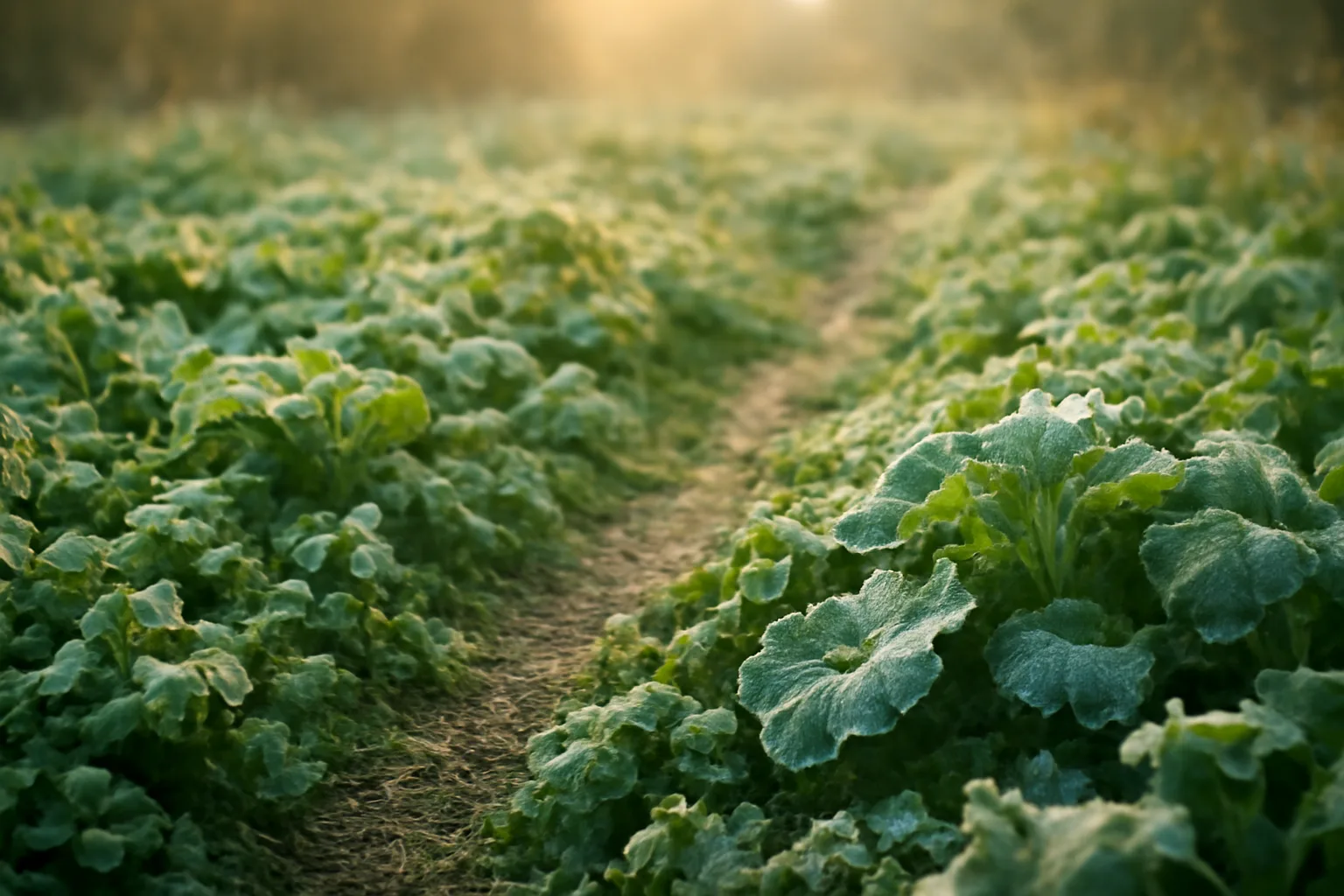
TL;DR
Deer generally rank soybeans, clover, and acorns at the top when all are available, with preference shifting hard toward acorns and standing corn in fall and winter. Clover and soybeans lead spring through summer for protein; brassicas and cereal grains take over once frost hits and sugars concentrate.
What do deer like to eat the most, ranked by season
There's no single food deer like best all year. Preference changes with the calendar, the deer's nutritional needs, and what's actually available on the landscape. A doe nursing fawns in June wants protein. The same doe in November wants carbohydrates and fat to build fat reserves before winter. That said, if you force a ranking across a typical whitetail range in the eastern and midwestern US, the order looks something like this: soybeans (both as a growing crop and standing dry beans), white clover and other legumes, acorns (white oak acorns especially, since they're lower in tannins than red oak), standing corn, and brassicas like turnips and radishes once a hard frost sweetens them up. Research from the University of Georgia's Deer Lab and similar work at Mississippi State has shown deer will select acorns over almost anything else when they're on the ground and available, because of the fat and carbohydrate content relative to browse. But acorns are unpredictable. Oaks don't produce every year, and a poor mast year sends deer straight to your plots or nearby ag fields instead. If you're planning what to plant rather than what deer forage naturally, the honest answer is: plant a mix. A single-species plot leaves you exposed if that plant fails or if deer simply prefer something else nearby that year. For species-by-species planting advice, see food plot seed and deer food plot seed.
Do deer like clover, and how does it compare to other forages
Yes, deer like clover, and it's one of the most consistent food sources you can plant. White clover (Trifolium repens) and red clover both test in the 25-30% crude protein range when actively growing, which puts them near the top of anything you can establish in a plot. Clover's real advantage isn't that it beats every other plant in a taste test. It's that clover is available for months, not weeks. A good clover stand can produce usable forage from April through the first hard frosts of fall, sometimes longer in the South. Corn and soybeans get eaten down or mature out of the vegetative stage. Clover just keeps growing back after grazing pressure, as long as you're not overgrazing it into the ground. The tradeoff is that clover needs decent soil pH (most extension guides recommend 6.0 to 6.5) and it doesn't like being smothered by weeds or drought-stressed for long stretches [1]. If your soil test comes back at 5.2, clover will struggle no matter how much deer supposedly love it. Get the lime down first. For plot layout ideas that use clover as a perennial base, check deer food plots.
Do deer eat sorghum
Yes, deer eat sorghum, but it's not usually their first choice. Grain sorghum (milo) produces a seed head deer will hit hard in fall and winter once the plant matures and other food sources thin out. It's more commonly used as a screening or structural crop, planted in blocks to hide plots or create edge cover, with the grain as a secondary benefit. Sorghum has some real advantages for the grower: it's more drought-tolerant than corn in a lot of soil types, and it doesn't demand the same fertility investment. But deer preference research and most field observation put sorghum behind soybeans, corn, and standing forage crops when deer have a choice. Think of sorghum as good insurance forage for late winter, not a plot centerpiece.
What are deer's favorite foods overall
If you strip away the seasonal caveats, the foods that show up again and again as favorites in deer diet studies and food plot trial data are soybeans, clover, acorns, and standing corn. Add in native browse like greenbrier, honeysuckle, and forbs during summer, since deer diets are actually dominated by browse and forbs more than any single planted crop across a full year in most regions. A commonly cited stat: whitetail deer need roughly 6 to 8 pounds of food per 100 pounds of body weight per day (dry matter basis varies by source and season), so preference matters less than total available tonnage during stress periods like late winter. A deer that loves soybeans will still eat honeysuckle and browse if that's what's there. Soybeans deserve special mention. Ag research consistently shows deer will select soybean fields over nearly all other row crops during the growing season, which is part of why soybean field damage is a real economic issue for farmers in heavy deer-density areas [2]. If you can get beans established and protected from overbrowsing while young, they're one of the highest-value plantings you can make.
Do deer like honey
No, not in any meaningful way relevant to food plots. Deer are not attracted to honey as a food source; they're herbivores built around browse, forbs, mast, and agricultural crops, not sugary substances made by bees. Some hunters have asked about honey-based attractants or scent products, but that's a different category from actual forage and diet. If you're looking for something sweet that deer genuinely respond to, that's more in the territory of molasses-based mineral licks or sugar beets, not honey itself. There's no cooperative extension or wildlife agency guidance recommending honey as deer forage because it isn't part of their natural diet.
What is a food plot, exactly
A food plot is a planted area, usually a fraction of an acre up to several acres, established specifically to provide deer (or other wildlife) with a concentrated, reliable food source and often a hunting location. Plots range from small hidden kill plots tucked into timber to large destination fields planted in soybeans or corn. Food plots serve two overlapping goals: nutrition and hunting opportunity. A nutrition-focused plot is about herd health, usually big perennial clover or alfalfa fields that support does and antler growth through spring and summer. A hunting plot is smaller, positioned near travel corridors or bedding, and timed to be most attractive during the season you'll actually be there with a bow or rifle. Most state wildlife agencies treat food plots as a legal form of habitat management distinct from baiting, but the line matters. Baiting typically means piling loose grain or feed; a planted, rooted crop is almost universally legal even in states that ban baiting, though rules do vary. Always check your state wildlife agency's specific regulations before assuming a practice is legal, since definitions of 'bait' differ state to state [3]. For a broader look at plot styles and how to pick one for your land, see food plot whitetail and deer for food.
When to plant food plots for deer
| Spring soybeans/corn | Mid-April to early June | Midwest, Northeast | |
|---|---|---|---|
| Perennial clover (new) | April-May or August-September | Most zones, two windows | |
| Brassicas (turnips, radish) | Mid-July to early September | 60-90 days before first frost | |
| Cereal grains (oats, wheat, rye) | Late August to October | Fall, before frost | A soil test result, not a generic date, should really drive your fertilizer and lime timing. Your lab's recommendation is the authority on rates for your specific field; a food plot plan can tell you what to plant and roughly when, but it can't replace a site-specific soil test [1]. |
Timing depends on plot type and your USDA plant hardiness zone, but the two broad windows are spring (April to June) for warm-season plots like soybeans, corn, and clover establishment, and late summer to early fall (mid-August to October) for cool-season plots like brassicas, cereal grains, and clover overseeding. Spring plantings target summer growing crops that provide nutrition through the stress period of antler growth and lactation. Fall plantings target hunting-season attraction and late-season nutrition, timed so brassicas and cereal grains are palatable and growing right as bow and gun seasons open. Soil temperature matters more than the calendar date. Most warm-season legumes and corn want soil temps consistently above 50-55°F before germination is reliable, and brassicas generally go in 60 to 90 days before your average first hard frost so they mature at the right time. Check your local extension office's frost date tables rather than relying on a generic national calendar, since a fall planting date in zone 5 (northern Midwest, upper Northeast) can be six to eight weeks earlier than zone 7 (mid-South). | Plot type | Typical planting window | Region example |
When to plant turnips for deer
Plant turnips 60 to 90 days before your area's average first hard frost, which for most of the whitetail's range lands somewhere between mid-July and early September. Turnips need that lead time to build a bulb and leafy top before frost, and the frost itself is what triggers the plant to convert starches to sugars, which is exactly when deer start hammering them. A lot of hunters make the mistake of planting turnips too early alongside spring crops. Turnips planted in May will often bolt, get tough, and lose attraction well before hunting season even opens. Purdue and other land-grant extensions recommend a late-summer planting specifically so palatability peaks in October and November [4]. Deer often ignore turnip tops and bulbs early in fall, then switch hard once a couple of frosts hit. Don't panic if your turnip plot looks untouched in September; that's normal, not a failure.
When to plant oats for deer
Plant oats for deer in late summer to early fall, generally six to eight weeks before your first expected frost, so the same mid-August to mid-September window works across most of the Midwest and Northeast, and into October farther south. Oats germinate fast, often within a week in warm soil, and provide quick, attractive green forage right as bow season opens. Oats aren't very frost-hardy compared to winter wheat or cereal rye, so in colder zones they'll often die back after a hard freeze. Some hunters plant oats specifically for that early-season window and pair them with wheat or rye in the same plot so something is still green after the oats die out. A spring oat planting is possible too, mostly as a quick cover crop or nurse crop for clover establishment, but it's less common for hunting-season attraction.
How do I actually decide what to plant on my land
Start with your soil test, not a seed catalog. A basic soil test through your state land-grant extension office (often $10-20 per sample) tells you your pH and existing phosphorus and potassium levels, which determines whether clover or alfalfa is even realistic without heavy lime application first [1]. From there, match plot type to purpose. If you want season-long nutrition and low annual labor, perennial clover or clover-chicory blends are the standard choice; they're planted once and can produce for three to five years with proper mowing and occasional overseeding. If you want fall hunting attraction timed to gun season, brassicas or cereal grains planted in August-September make more sense. If you have acreage and equipment for it, standing corn or soybeans give you both summer nutrition and a fall/winter standing food source, though they're the most input-intensive option. This is where a lot of hunters get stuck comparing species without ever tying it back to their actual soil, acreage, and equipment. A $99 Custom Food Plot Plan through /plot-plan-builder takes your soil test results, zone, and plot goals and gives you a species mix and planting calendar built around your specific situation, rather than a generic 'plant this everywhere' list. It's general guidance built from your inputs, not site-specific agronomy advice; your soil lab is still the authority on exact lime and fertilizer rates for your dirt. For a rundown of the major plot categories and how to combine them, see food plot whitetail and domain food plot seed.
Do state laws treat food plots differently than bait piles
Generally yes, but the exact line varies significantly by state, and you need to check your own state wildlife agency's regulations rather than assume. Most states define baiting as placing, exposing, depositing, distributing, or scattering food (grain, salt, minerals) to attract game, while a planted, rooted crop growing in the ground is treated as normal agricultural or habitat practice, not bait [3]. Some states, though, restrict even food plots in certain contexts, like public land, or have specific rules about mineral supplementation tied to Chronic Wasting Disease management zones. A number of states have tightened baiting and even food plot rules in CWD zones specifically to reduce nose-to-nose deer contact at concentrated feed sources. The practical takeaway: a food plot is almost always legal, baiting is banned in a meaningful number of states, and CWD zones can add extra restrictions on both. Check your specific state wildlife agency's current hunting regulations guide before the season, since these rules get updated most years.
Frequently asked questions
Do deer eat sorghum?
Yes, deer eat grain sorghum, especially the mature seed head in fall and winter. It's more drought-tolerant than corn and often planted as a screening crop with grain as a secondary benefit, but most deer prefer soybeans, corn, or standing clover when given a choice.
Do deer like clover?
Yes, clover is one of deer's most reliably preferred forages, testing at 25-30% crude protein when actively growing. Its real advantage is availability across many months, not a single peak preference, which makes it a strong perennial base for nutrition-focused plots.
When should I plant food plots for deer?
Warm-season plots (soybeans, corn, spring clover) go in April to June depending on your zone. Cool-season plots (brassicas, cereal grains, fall clover overseeding) go in mid-August through October. Match timing to your local first-frost date, not a generic national calendar.
When should I plant turnips for deer?
Plant turnips 60 to 90 days before your area's average first hard frost, generally mid-July through early September. Frost converts the plant's starches to sugar, which is when deer really start eating the bulbs and tops, so timing the frost trigger matters more than the calendar date.
When should I plant oats for deer?
Plant oats six to eight weeks before your expected first frost, usually mid-August to mid-September in the Midwest and Northeast, later farther south. Oats germinate fast and green up quickly but aren't very frost-hardy, so pair them with wheat or rye for late-season coverage.
What is a food plot?
A food plot is a planted area established specifically to provide deer a concentrated food source, ranging from small hidden kill plots to large destination fields of soybeans or corn. Plots support both herd nutrition and hunting opportunity, and are legally distinct from bait piles in most states.
What are deer's favorite foods overall?
Ranked broadly, deer favor soybeans, white clover and other legumes, acorns (especially white oak), and standing corn, with preference shifting seasonally. Browse and forbs actually dominate whitetail diets across a full year in most regions, even more than planted crops.
Do deer like honey?
No. Deer are herbivores whose diet centers on browse, forbs, mast, and crops; honey isn't a natural or meaningfully attractive food source for them. There's no extension or wildlife agency guidance recommending honey as deer forage.
Is corn or soybeans better for deer food plots?
Soybeans generally rank higher in deer preference during the growing season and offer more protein, while corn provides more standing carbohydrate and fat for late-season and winter. Many land managers plant both, using soybeans for summer nutrition and corn as a standing winter food source.
How much food does a deer eat per day?
Estimates commonly cited put whitetail intake at roughly 6 to 8 pounds of food per 100 pounds of body weight daily on a dry matter basis, though this varies by season, forage quality, and the deer's reproductive or growth stage.
Are food plots legal, or considered baiting?
In most states a planted, rooted food plot is legal and distinct from baiting, which typically means piling or scattering loose grain or feed. Some states restrict baiting entirely and a growing number add extra food plot restrictions inside Chronic Wasting Disease management zones. Always check your state wildlife agency's current regulations.
What soil pH do deer food plots need?
Most food plot species, especially clover and alfalfa, do best at a soil pH of 6.0 to 6.5. A soil test through your local cooperative extension office tells you your exact starting point and the lime application needed to correct it before planting.
Do deer prefer acorns over food plots?
When acorns, especially white oak acorns, are dropping and available, deer will often prefer them over planted forage because of their fat and carbohydrate content. In poor mast years, deer shift hard toward food plots and standing crops instead, which is why a mixed plot strategy matters.
Sources
- University of Tennessee Extension, Soil Testing for Wildlife Food Plots: Recommended soil pH range of 6.0-6.5 for clover and legume food plots, and the role of a soil test in determining lime and fertilizer needs
- USDA APHIS Wildlife Services, Deer Damage to Agriculture: Deer preference for soybean fields contributes to documented crop damage in high deer-density agricultural areas
- Michigan Department of Natural Resources, Baiting and Feeding Regulations: State definitions distinguish planted food plots from baiting/feeding, with rules varying by state and CWD zone status
- Purdue University Extension, Food Plots for Wildlife: Brassica plantings like turnips should be timed roughly 60-90 days before first frost for optimal palatability
- Virginia Department of Wildlife Resources: State wildlife agency information distinguishing regulations on supplemental feeding and baiting versus food plots
- USDA Forest Service: Research on deer forage preferences and browse species selection