Last updated 2026-07-25
TL;DR
No-till food plotting means killing existing vegetation with herbicide, then drilling or broadcasting seed directly into the residue without disturbing the soil. It works best on small acreage, saves fuel and time, and protects soil structure. Success depends on good herbicide timing, decent seed-to-soil contact (drag, roller, or drill), and matching species to your calendar zone.
What is a food plot, and why go no-till?
A food plot is a planted patch of forage or grain on hunting land, meant to feed and hold deer while giving hunters a predictable place to watch or intercept them. Plots range from quarter-acre kill plots tucked in timber to five-acre field plantings meant for tonnage and winter carry-over. The USDA Natural Resources Conservation Service treats these plantings similarly to wildlife food plantings under its conservation practice standards, recognizing them as a legitimate habitat tool when done with soil health in mind [1]. No-till means you don't run a disc or tiller through the ground before planting. Instead, you kill the existing vegetation with a burndown herbicide (usually glyphosate), let it die back, and then plant directly into the dead thatch using a no-till drill, a broadcast-and-drag method, or a light vertical-till pass at most. The appeal is simple. You save diesel and time, you don't need a tractor with a disc and cultipacker, and you protect the soil biology and structure that took years to build. NRCS research consistently shows that reduced tillage keeps more organic matter in the top few inches of soil and reduces erosion risk, particularly on sloped or erodible ground [1]. For small forest openings that only get planted once a year, no-till also means less compaction from heavy equipment and fewer trips across the plot, which matters if you're trying to keep the area quiet before season.
When should you plant food plots for deer?
Timing depends on your zone and what you're planting. Broadly, food plot planting falls into two windows: spring/summer plantings (clover, chicory, soybeans, corn) go in after the last frost, while fall plantings (brassicas, cereal grains, annual clovers) go in 60 to 90 days before your first hard frost so plants have time to establish before growth slows. A rough national guide: northern zones (Minnesota, Wisconsin, Michigan, northern New England) plant fall plots from late July through mid-August. Transition zones (Iowa, Illinois, Ohio, Pennsylvania) plant mid-August through early September. Southern zones (Texas, Georgia, Alabama, the Carolinas) can wait until September or even October since frost comes later. Check your local extension office's frost date data because a plot planted too early can bolt or get shaded out by weeds before deer ever browse it, and one planted too late may not establish before cold shuts down growth. Spring plantings for clover, alfalfa, or soybeans should go in after your area's average last frost date, which you can find through NOAA's climate normals or your state land-grant extension's planting calendars [2]. If you're not sure what your specific dates look like, a food plot whitetail planning resource or your extension office's soil and climate data is the place to start before you buy seed.
How do you kill existing vegetation before no-till planting?
This is the step that makes or breaks a no-till plot. Skip it or rush it, and you'll be fighting existing grass and weeds all season instead of growing what you actually planted. Most no-till plotters use glyphosate (Roundup and generic equivalents) as a burndown herbicide, applied 2 to 3 weeks before planting to give it time to translocate into root systems and fully kill perennial grasses and broadleaf weeds. Rates typically run 1 to 2 quarts per acre of a 41% glyphosate concentrate, though you should always follow the product label rate for your target weeds, since label directions are the legal application standard under federal pesticide law. If you've got tough perennial grass like fescue or bermuda, one pass often isn't enough. Spray, wait 10 to 14 days, check for regrowth, and spray again if needed. Some plotters do a fall burndown, let the dead thatch sit over winter, then plant into it the following spring with almost no additional weed pressure. That patience pays off, especially on reclaimed pasture ground with a heavy grass seed bank. A note on timing and weather: glyphosate needs actively growing plants to work. Spraying dormant, drought-stressed, or frost-damaged vegetation wastes money because the herbicide won't translocate well. Wait for a stretch of warm days with no rain forecast for at least 6 hours after application.
What equipment do you actually need for a no-till plot?
| No-till drill | ATV/UTV or tractor-pulled drill | Small grains, brassicas, clover | $2,500 to $8,000+ (or rent/share) | |
|---|---|---|---|---|
| Broadcast + drag | Handheld or tow-behind spreader, chain harrow or section of chain-link fence | Clover, brassicas, cereal grains | $150 to $600 | |
| Broadcast + cultipacker | Spreader plus roller/packer | Small-seeded species needing firm contact | $500 to $2,000 | If you're plotting an acre or less and don't want to own a drill, broadcasting seed onto the dead thatch and dragging a section of chain-link fence or a homemade drag behind an ATV works fine for most small-seeded species like clover and brassicas. Larger seed like corn, soybeans, or sorghum benefits more from a drill's depth control, since those seeds need consistent planting depth (roughly 1 to 1.5 inches) to germinate well. Many farm co-ops and NRCS-partnered conservation districts rent out no-till drills at a daily or per-acre rate, which is often the most economical option if you're not planting more than a few plots a year. |
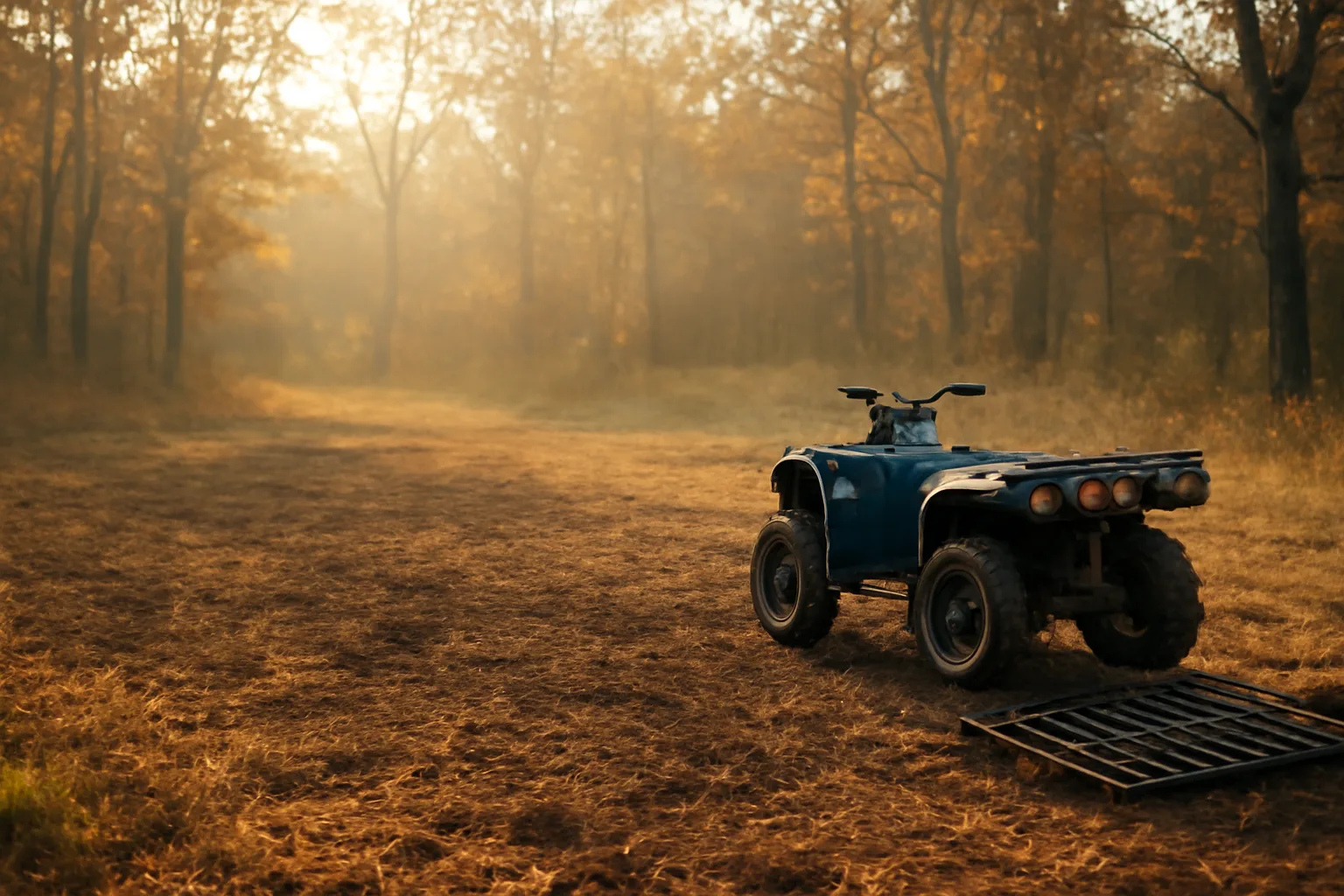
You don't need much, and that's the point. A backpack or ATV sprayer, a no-till drill (or a broadcast spreader plus a drag harrow), and a way to pack the seed in are the core tools. Here's a rough breakdown of the common approaches: | Method | Equipment needed | Best for | Rough cost to start |
What species work best for a no-till system?
Not every plant tolerates no-till planting equally well. Small-seeded species that don't need deep planting (clover, brassicas, cereal grains) do great with broadcast-and-drag methods. Larger seeds (corn, soybeans, sorghum) generally want a drill for consistent depth and better germination rates. Clover is a no-till staple because it's a perennial that, once established, can persist for 3 to 5 years with proper maintenance, meaning you get multiple seasons of forage from one planting. Cereal grains like oats, wheat, and winter rye germinate fast, tolerate cooler soil, and hold up well to light frost, making them a reliable fall no-till option almost anywhere. Brassicas (turnips, radishes, rape) work well in no-till because their tiny seeds don't need to be buried deep, just pressed into good soil contact. For species-specific planting guides, deer food plot seed resources break down germination windows and depth requirements by species.
Do deer eat sorghum?
Yes, deer eat sorghum, particularly the grain heads in fall and winter, and it's a common component in wildlife food plot mixes because it's drought-tolerant and produces a lot of biomass per acre. Grain sorghum (milo) also stands up well through winter, giving deer and other wildlife a standing food source after most other plots are grazed down or killed by hard freezes. That said, sorghum isn't usually deer's first choice when better forage is available nearby. It tends to get hit hardest in late winter when preferred browse and mast crops run out. Many food plotters plant it as a component of a blend (with soybeans or cowpeas) rather than a monoculture, both for soil benefits and because the mix gives deer more reasons to use the plot across different growth stages.
Do deer eat clover, and do they actually like it?
Deer eat clover heavily, and most wildlife biologists consider it one of the most reliable food plot plantings available. Clover is a legume, meaning it fixes nitrogen in the soil, and its high protein content (often 25 to 30% crude protein in vegetative growth) makes it valuable during spring green-up and antler growth season [3]. White clover (including Ladino types) and red clover are the two most common species planted for deer. Both are perennials under good management, tolerate close, repeated grazing, and regrow quickly, which is exactly the kind of pressure a healthy deer herd puts on a plot. University extension research on forage legumes shows clover stands can persist for several years with periodic mowing and proper soil pH maintenance, generally in the 6.0 to 6.5 range. Do deer like clover? By almost every measure of usage biologists track (browse frequency, rumen content studies, camera data from plot research), clover ranks near the top of preferred food plot species almost everywhere it grows well. It's forgiving to plant no-till too, since a light broadcast into a well-prepped, weed-killed seedbed followed by a cultipacker pass gives excellent establishment.
When should you plant oats for deer, and do deer eat them?
Oats should go in 60 to 90 days before your area's first hard frost, giving the plant time to establish a strong root system and put on leafy growth before cold weather. In most of the transition zone (Missouri, Kentucky, southern Illinois), that means planting in late August to mid-September. Northern states often need to plant 2 to 3 weeks earlier than that. Deer eat oats readily, especially in the fall when the plant is young, tender, and high in sugars. Oats are a favorite in fall food plot blends because they germinate fast (often within 5 to 7 days in warm soil) and provide immediate green forage while slower species like clover or brassicas are still establishing. One planting quirk worth knowing: oats generally winterkill in colder zones once temperatures drop into the low 20s(F) for an extended period, unlike winter wheat or cereal rye, which survive hard freezes and regrow in spring. If you want a plot that lasts through the whole winter, blend oats with a hardier cereal grain.
When should you plant turnips for deer, and do deer eat them?
Turnips should be planted 80 to 100 days before your first expected hard frost, which usually lands in late July through mid-August across most of the whitetail's range. Turnips need that long runway to bulb out and to build the sugar content that makes them attractive once cold weather hits. Deer do eat turnips, but there's a well-documented pattern: they often ignore turnip bulbs and even the tops early in the season, then hit them hard after the first few frosts convert starches to sugars, making the plant much more palatable. This is why turnip-heavy plots sometimes look untouched in October and get hammered down to bare dirt by December. For no-till turnip plantings, broadcast the tiny seed onto a well-killed seedbed and drag lightly or cultipack. Planting too deep is the most common turnip failure; these seeds want to sit just below the surface, not buried.
What are deer's favorite foods overall?
There's no single universal answer here because deer preference shifts by season, region, and what's available naturally. But research and long-term food plot data point to a consistent short list: acorns (especially white oak family acorns, which are lower in tannins and more palatable than red oak types), soybeans in their vegetative stage, clover, and agricultural crops like corn when available. In late summer and early fall, soybeans and standing corn often top the list where deer have access to them, since both provide high-energy forage right when deer need to build fat reserves. Once acorns start dropping, deer frequently switch to mast almost exclusively, ignoring food plots nearby until the acorn crop runs out, a well-documented pattern in deer research going back decades. During late winter, when natural browse is scarce, standing brassicas, cereal grains, and any remaining soybean or corn plots become critical because deer's fat reserves and metabolic needs are highest relative to available food. If you're deciding what species to prioritize across a property, a resource like deer food plots can help match plot types to season and property layout.
Do deer like honey, and does it matter for food plots?
Deer don't eat honey in any meaningful sense as part of natural foraging behavior, and there's no legitimate wildlife research suggesting honey is a food plot or attractant component worth planting or applying. This question comes up sometimes because hunters ask about sweet scents or minerals as attractants, but honey itself isn't a plant species you can plant, and using it as bait raises the same legal issues as any other supplemental feeding or baiting product. Many states regulate or outright ban baiting and supplemental feeding for deer hunting, and the rules vary significantly. Michigan, for example, restricts baiting in the Lower Peninsula under specific disease-management rules tied to chronic wasting disease zones [4]. Always check your state wildlife agency's current baiting and feeding regulations before using any attractant, mineral, or feed product, since rules change year to year and violations can carry real penalties.
How do you actually plant a no-till plot, step by step?
Here's the sequence most experienced no-till plotters follow, start to finish: First, get a soil test. Your local extension office or a private ag lab will tell you your pH and nutrient levels for under $20 in most states. Your soil test lab is the real authority on how much lime and fertilizer your specific ground needs; a general planting guide can't replace that site-specific data. Second, spray your burndown herbicide 2 to 3 weeks before your target planting date, giving glyphosate time to kill existing vegetation down to the roots. Third, apply lime and fertilizer according to your soil test results. No-till doesn't mean skipping amendments; it just means you're not incorporating them by tilling. Surface-applied lime works more slowly than tilled-in lime, so if your pH is significantly off, start that process a season ahead if you can. Fourth, plant. For small-seeded species, broadcast the seed onto the dead thatch and drag or cultipack to improve seed-to-soil contact. For larger seed like corn, soybeans, or sorghum, use a no-till drill set to the proper depth for that species. Fifth, wait and monitor. Check for weed breakthrough (some grass and broadleaf weeds survive burndown or germinate from the seed bank afterward) and be ready to spot-spray or mow if a post-emergent herbicide is labeled for your planted species. If you want a plan built around your specific soil test numbers, property size, and region, PlotSeason's $99 one-time Custom Food Plot Plan walks through species selection and rates for your exact situation rather than general averages.
What mistakes ruin most no-till food plots?
The number one mistake is impatience with the burndown. Planting into vegetation that isn't fully dead means your new seedlings compete against established root systems, and the established plants almost always win that fight. The second mistake is poor seed-to-soil contact. No-till still requires that seed actually touch soil, more than sit on top of thick thatch. A drag, roller, or light rain right after planting makes a real difference in germination rates. The third mistake is planting too deep or too shallow. Small-seeded species like clover, brassicas, and chicory want to sit near the surface (roughly 1/4 inch or less), while larger seed like corn, soybeans, and sorghum need real depth control, which is exactly what a no-till drill does well and broadcasting doesn't. The fourth mistake is skipping the soil test and guessing on lime and fertilizer. Extension research consistently shows that soil pH below 6.0 significantly reduces the availability of applied phosphorus and other nutrients, meaning you can dump on fertilizer and still get a weak stand if your pH is off. Get the test, follow the lab's recommendation, and don't skip lime just because it's slower to see results than fertilizer.
Frequently asked questions
Do deer eat sorghum in food plots?
Yes. Deer eat sorghum grain, especially in late fall and winter when it's one of the few standing food sources left. It's drought-tolerant and often planted alongside soybeans or cowpeas rather than alone, since deer usually prefer other forage first when it's available.
Do deer like clover more than other food plot options?
Clover ranks among the most preferred food plot species almost everywhere it's planted, largely due to its high protein content (often 25-30% crude protein) and ability to regrow quickly under heavy grazing. It's also relatively easy to establish no-till, making it a common first choice for new plotters.
When should you plant food plots for deer?
Fall plots (brassicas, cereal grains) go in 60 to 90 days before your area's first hard frost. Spring/summer plots (clover, soybeans) go in after your last frost date. Exact timing varies by zone; check your state land-grant extension's frost date charts for your specific area.
When should you plant oats for deer?
Plant oats 60 to 90 days before your first hard frost, generally late August through mid-September in transition zones and earlier in northern states. Oats germinate fast, often within 5 to 7 days, but typically winterkill once temperatures drop into the low 20s Fahrenheit for extended periods.
When should you plant turnips for deer food plots?
Plant turnips 80 to 100 days before your first hard frost, usually late July through mid-August across most whitetail range. Turnips need that time to bulb properly, and deer often won't hit them hard until after the first frosts convert starches to sugars.
What is a food plot, exactly?
A food plot is a planted area, usually a fraction of an acre up to several acres, seeded with forage or grain crops to provide deer and other wildlife supplemental nutrition and to give hunters a predictable location to observe or hunt. Plots range from small forest kill plots to large field plantings.
What are deer's favorite foods overall?
Preference shifts by season and region, but white oak acorns, soybeans in vegetative stage, clover, and standing corn consistently rank at the top across research and field observation. Once acorns drop in fall, deer often switch to mast almost exclusively until that supply runs out.
Do deer like honey or benefit from it as an attractant?
No. Honey isn't part of natural deer foraging behavior and isn't a legitimate food plot component. It sometimes comes up with scent or mineral attractant questions, but using it as bait raises the same legal issues as any supplemental feeding product; check your state's baiting regulations first.
Can you no-till plant into a lawn or pasture with heavy grass?
Yes, but it usually takes two herbicide applications. Spray glyphosate, wait 10 to 14 days, check for regrowth on tough perennial grasses like fescue or bermuda, and spray again if needed before planting. Skipping the second pass on heavy sod is the most common reason no-till plots into pasture fail.
Do you still need fertilizer and lime with no-till planting?
Yes. No-till changes how you incorporate amendments, not whether you need them. Surface-applied lime works more slowly than tilled-in lime, so if your soil test shows a significant pH problem, start liming a season ahead when possible.
What's the cheapest way to no-till a small food plot?
Broadcasting seed by hand or with a handheld spreader, then dragging a section of chain-link fence or a homemade drag behind an ATV, costs under $200 total and works well for clover, brassicas, and cereal grains on plots under an acre.
How long does glyphosate take to kill vegetation before no-till planting?
Plan on 2 to 3 weeks between spraying and planting. Glyphosate needs time to translocate into root systems, especially for perennial grasses. Spraying too close to planting date often leaves live roots that regrow and compete with new seedlings.
Sources
- USDA Natural Resources Conservation Service, Conservation Practice Standards: Reduced tillage and wildlife food plantings are recognized NRCS conservation practices tied to soil health and erosion benefits
- NOAA National Centers for Environmental Information, Climate Normals: Average last and first frost dates by location, used to time spring and fall plantings
- University of Tennessee Extension, Forage Legumes for Wildlife: White and red clover crude protein content commonly falls in the 25-30% range during vegetative growth
- Michigan Department of Natural Resources, Baiting and Feeding Regulations: Michigan restricts baiting and feeding of deer in specific zones tied to chronic wasting disease management
- National Pesticide Information Center: Glyphosate is commonly used to kill existing vegetation before no-till food plot planting
- University of Georgia Extension: Recommendations for planting clover, turnips, and oats in deer food plots