Last updated 2026-07-26
TL;DR
In Kentucky, plant fall food plots (clover, brassicas, oats, wheat) between mid-August and mid-September, ideally 60 to 90 days before your area's first frost. Spring plots (clover, chicory, soybeans) go in after the last frost, roughly late April to mid-May. Western Kentucky can plant a week or two later than the mountains in the east.
When should you plant food plots for deer in Kentucky?
The short answer: fall plots go in the ground between mid-August and mid-September, and spring plots go in after your last frost date, usually late April into May. Kentucky spans two USDA hardiness zones, 6a in the higher elevations of the east and 7a/7b in the west along the Mississippi and lower Ohio River valleys, so your exact window shifts by 10 to 14 days depending on where your ground sits. Brassicas (turnips, radishes, rape) need the most lead time. They want 80 to 90 days of growth before a hard frost to bulb out and get sweet, so most of Kentucky should have them in the ground by the first week of September at the latest. Clover, chicory, and cereal grains like wheat, oats, and rye are more forgiving. They germinate fast and tolerate a slightly later planting, so mid-August through the third week of September works across almost all of the state. Spring plantings, think soybeans, spring clover frost-seedings, or annual lablab and cowpeas for summer forage, wait until soil temps warm and frost risk passes. The University of Kentucky's average last spring frost dates run from about April 10 in far western Kentucky to early May in the eastern mountains, so treat late April as your earliest safe start in most counties and push to mid-May in higher elevation spots [1]. If you only remember one rule: count backward from your local first frost date. Fall brassicas need 80-90 days, cereal grains need about 60 days minimum to establish before frost, and clover needs 6 to 8 weeks minimum to root in before winter dormancy.
What is a food plot, exactly?
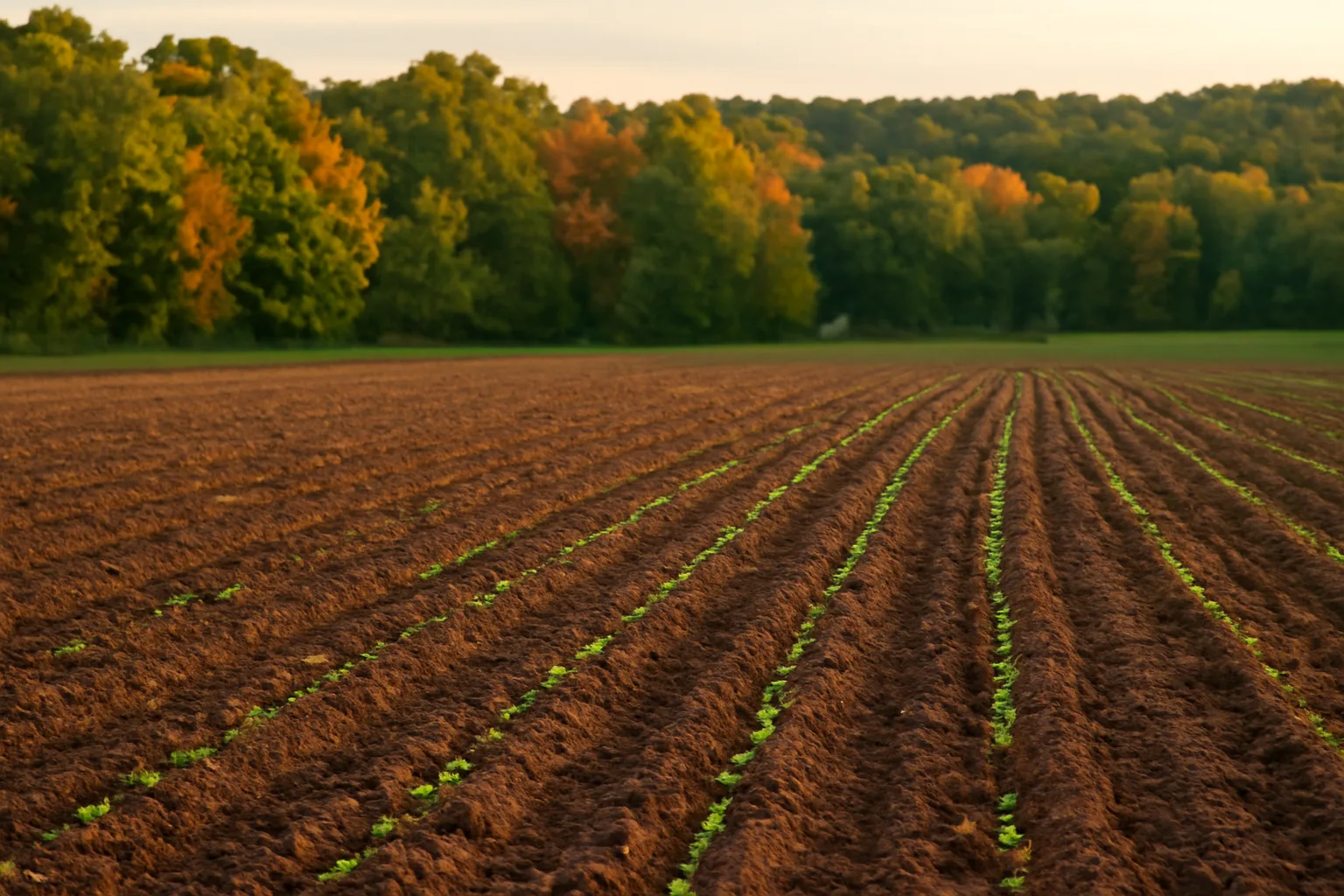
A food plot is a planted patch of forage, usually somewhere between a quarter acre and several acres, established specifically to feed and attract deer or other wildlife. It's not a garden and it's not a lawn. It's agriculture done at small scale for a wildlife goal instead of a harvest-for-market goal. Most plots fall into one of two buckets. Annual plots (brassicas, cereal grains, soybeans, cowpeas) are planted fresh each year and often tilled or drilled into prepared ground. Perennial plots (clover, chicory, alfalfa) get established once and then mowed, sprayed for weeds, and fertilized to keep producing for 3 to 5 years before you need to start over. The goal of a food plot is usually one of three things: attract deer during hunting season, provide nutrition during stress periods (late summer drought, post-rut recovery, winter), or hold deer on your ground instead of the neighbor's. Good plot programs usually do all three at once with a mix of plot types across the property. For a broader rundown of what a plot program looks like on a real property, see our guide to food plot whitetail programs.
When to plant clover for deer in Kentucky
Plant clover in Kentucky either in late summer (mid-August to mid-September) as a fall seeding, or in very early spring (late February to March) as a frost-seeding into existing ground. Both windows work well; fall seeding is generally more reliable because you skip spring weed competition. Clover is a perennial, so timing matters less than getting it established before either a hard freeze or a hot, dry summer stresses the young seedlings. If you frost-seed in late winter, broadcast the seed onto frozen or lightly thawed ground in February so the freeze-thaw cycle works the seed into the soil; no drill needed. If you fall-plant, get seed in by mid-September so plants have 6 to 8 weeks of root development before dormancy. Clover needs a soil pH close to 6.0 to 6.5 to really produce, and it's one of the most lime-responsive plants you'll plant in a food plot program. A soil test is the only way to know your actual lime need. Your test results are the real authority here, not a blanket recommendation, since Kentucky soils vary hugely from the acidic sandstone-derived soils in the east to the more neutral limestone-derived soils in the Bluegrass region and west.
Do deer like clover? Is it worth planting?
Yes, clover is one of the most consistently preferred forages for whitetail deer, and it's a mainstay of food plot programs nationwide for good reason. It's high in protein (often 20-25% crude protein in vegetative growth stages), it regrows after grazing, and it produces from spring through fall in most climates [2]. White clover (ladino types) and red clover are the two most common choices. Ladino clover tolerates closer grazing and lasts longer under heavy deer pressure, while red clover grows more upright and holds up a bit better in poorer soils, though it's shorter-lived, usually 2 to 3 years versus ladino's 4 to 5. The catch: clover is slow to establish and it hates competition from grass and broadleaf weeds in its first year. Expect to spray or mow weeds through the first summer while the clover roots in. After that, an established clover stand needs almost no work beyond an annual mowing and a fertilizer top-dress based on your soil test. For seed blend options built around clover as a base, check out deer food plot seed mixes.
When to plant oats for deer in Kentucky
Plant oats for a fall food plot in Kentucky between late August and mid-September, aiming for at least 6 to 8 weeks of growth before your first hard frost. Oats are one of the fastest-establishing cereal grains, often showing green growth within 7 to 10 days of planting in warm, moist soil. Oats work well alone or in a blend with brassicas and cereal rye. They're highly attractive to deer in the fall, especially right after a light frost sweetens the sugars in the leaf tissue, similar to what happens with brassicas. Unlike wheat or rye, oats generally winter-kill in Kentucky's colder counties once temperatures drop into the teens for extended stretches, so if you want plot cover into late winter, blend oats with a hardier cereal like winter wheat or cereal rye rather than planting oats alone. A light disking or drilling into a prepared seedbed, at roughly 2 to 3 bushels (about 64 to 96 pounds) per acre if broadcast, gives the best stand. Drilled rates run lower, closer to 2 bushels per acre, since drilling gets better seed-to-soil contact.
When to plant turnips for deer in Kentucky
Plant turnips by early September in most of Kentucky, and no later than mid-September in the warmest western counties. Turnips need 80 to 90 days to bulb out fully, and a light frost actually improves palatability by converting starches to sugars in the bulb and leaves. If you plant too late, you'll get leafy top growth but small or no bulbs, which cuts your tonnage and your late-season food value significantly. Turnips are broadcast or drilled at 4 to 6 pounds per acre alone, or lower (1 to 3 pounds) when blended with radishes, rape, or cereal grains, which is the more common approach. One quirk worth knowing: deer often ignore turnip bulbs early in the season and focus on the leafy tops, then switch to digging up and eating the bulbs after the first hard freezes of December and January. That makes turnips one of the better late-season food sources in a Kentucky plot program, right when natural browse is thin and deer need calories to get through winter. For blend options that pair turnips with other brassicas and grains, see our deer food plots overview.
Do deer eat sorghum?
Yes, deer eat sorghum, particularly grain sorghum (milo) heads and the tender young shoots, but it's not a top-tier food plot choice on its own for most Kentucky hunters. Deer will browse sorghum seedlings and will eat mature grain heads, and it's more commonly grown as a dove field or turkey/quail habitat component than a primary deer plot species. Sorghum's real value in a deer program is as a screening and cover crop. It grows tall (4 to 8 feet), which makes it useful for blocking sightlines into a plot or bedding area, and the standing grain heads provide a late-season food source once other plots are picked clean. If deer pressure is heavy, sorghum can also serve as a decoy crop that pulls early browsing pressure off of a more valuable clover or brassica stand nearby. If your main goal is attraction and nutrition rather than cover, your money is better spent on clover, brassicas, soybeans, or cereal grains. Sorghum is a specialty tool, not a foundation species.
What are deer's favorite foods?
Deer preference shifts by season and by what's locally available, but consistently high-preference food plot species include soybeans and clover in spring and summer, and brassicas plus acorns in fall and winter. Studies and extension research on deer diet consistently rank soft mast, acorns, and legumes near the top of preference rankings when available. In a planted-plot context, whitetail research and decades of practical plot data point to a short list of consistent favorites: white clover, soybeans (as a growing crop, before pods form), chicory, and brassicas after a frost. Native acorn crops, especially white oak acorns, often outcompete any planted food plot in a given fall because of lower tannin content and higher palatability compared to red oak acorns. Deer are also highly adaptable opportunists. Local food availability, hunting pressure, and even soil mineral content in a given field change what a specific deer herd prefers on a specific property. That's part of why a soil test and a plan built around your actual ground, not a generic species list, matters more than chasing whatever species ranks highest in a magazine article.
Do deer like honey? Should you use it as an attractant?
There's no real biological reason to believe deer are drawn to honey as a food source, and it's not a supported food plot or attractant strategy. Deer are herbivores adapted to browse, forbs, mast, and agricultural crops; honey isn't part of their natural diet or feeding behavior in any documented way. Some hunters have used sugary or scented substances, including honey-based products, as mock scent or mineral-lick additives, but there's no peer-reviewed wildlife research supporting honey as an effective deer attractant, and it's a waste of money compared to a properly limed and fertilized food plot. If you want deer at a specific spot, put a food plot or mineral supplement (where legal) there instead. One more thing: several states, and Kentucky is worth double-checking here, regulate baiting and supplemental feeding of deer, sometimes tied to Chronic Wasting Disease management zones. Kentucky Fish and Wildlife maintains current baiting and feeding regulations, and they can change by zone and by year, so check the current regulation guide before using any bait or attractant, honey-based or otherwise [3].
Kentucky food plot planting calendar by region
| Western KY (Purchase, western Pennyroyal) | Aug 20 - Sep 15 | Apr 15 - May 10 | mid-to-late Oct | |
|---|---|---|---|---|
| Central KY (Bluegrass, western Pennyroyal) | Aug 15 - Sep 10 | Apr 20 - May 10 | mid Oct | |
| Eastern KY (mountains, foothills) | Aug 10 - Sep 5 | Apr 25 - May 15 | early-to-mid Oct | These ranges come from USDA plant hardiness zone data placing most of Kentucky in zones 6b to 7a, with the coldest pockets in the eastern highlands running 6a. Local microclimates (ridge tops versus bottomland, north versus south-facing slopes) can shift actual frost dates by a week or more even within the same county, so treat this table as a starting point, not gospel. If you're planting a blend with both a cereal grain and a brassica, plant on the brassica's earlier deadline since it needs the most lead time. A wheat/turnip mix, for example, should go in by early September in central Kentucky rather than waiting for wheat's more forgiving late-September window. |
Kentucky's food plot windows shift by about 10 to 14 days from the eastern mountains to the western Purchase region, driven mostly by elevation and average first/last frost dates. Here's a practical breakdown. | Region | Fall clover/brassica window | Spring plot window | First frost (avg) |
How do you decide what to plant and when on your specific property?
Start with a soil test, not a seed bag. Your local extension office or a private ag lab will tell you your actual pH and nutrient levels, and that report is the real authority on how much lime and fertilizer your plot needs, not a general planting guide like this one. The University of Kentucky Cooperative Extension Service offers soil testing through county offices for a modest fee, and turnaround is usually 1 to 2 weeks [4]. After that, match species to your goal. Want summer nutrition to help does through lactation and bucks through antler growth? Plant soybeans, cowpeas, or a clover perennial in spring. Want a hunting-season draw and late-winter food security? Plant brassicas and cereal grains in late summer. Most solid plot programs run both a spring/summer plot and a fall plot on the same property, rotating or splitting acreage between them. If you'd rather not guess at species mixes, planting rates, and timing for your specific soil and region, a $99 one-time Custom Food Plot Plan walks through your soil test results and property goals and hands back a written planting plan. It's general guidance built around your inputs, not a substitute for your soil lab's specific lime and fertilizer recommendations, but it takes the guesswork out of species selection and timing for your exact ground. Whatever you plant, the equipment matters almost as much as the timing. A plot planted into a rough, weedy seedbed with poor seed-to-soil contact will underperform a well-prepared plot planted a week later. For a rundown of equipment options from ATV drags to no-till drills, see our guide on food plot seed and establishment methods.
What happens if you plant too early or too late in Kentucky?
Plant too early in late summer, and you risk seedlings baking out in August heat and drought stress before fall rains arrive; plant too late, and brassicas won't bulb, clover won't root in before dormancy, and cereal grains won't build enough biomass to survive winter grazing pressure. Both mistakes are common and both are fixable by working backward from your local first frost date. Early planting risk is mostly a moisture problem. Kentucky Augusts can run dry, and seed sitting in hot, dry topsoil either fails to germinate or germinates and then dies in a week. Watch a 10-day forecast for a real rain window before planting, rather than planting on a fixed calendar date regardless of conditions. Late planting risk is a growing-degree-day problem. Brassicas specifically need that 80 to 90 day runway; plant in late September in central Kentucky and you'll get a green, leafy plot with no bulb development, which cuts your late-season tonnage substantially. If you've missed your ideal window, lean toward cereal grains (wheat, rye) over brassicas, since grains establish faster and tolerate a later, more compressed planting schedule better than brassicas do.
Frequently asked questions
Do deer eat sorghum?
Yes, deer browse young sorghum shoots and eat mature grain heads, but sorghum is more useful as cover, screening, or a late-season standing grain crop than as a primary food plot species. Clover, soybeans, and brassicas offer better nutrition and attraction per acre for most Kentucky food plot goals.
Do deer eat clover?
Yes, clover is one of deer's most consistently preferred food plot forages, often testing at 20-25% crude protein during active growth. White (ladino) and red clover are both widely planted in Kentucky and provide forage from spring through fall once established.
When to plant deer food plots in Kentucky?
Fall plots (clover, brassicas, cereal grains) go in mid-August through mid-September, earlier in eastern Kentucky and slightly later in the west. Spring plots (soybeans, spring clover, cowpeas) go in after the last frost, roughly late April through mid-May depending on your region.
Do deer like clover?
Yes, clover ranks among the top preferred forages for whitetail deer in food plot research and practical field data, thanks to high protein content and season-long regrowth after grazing. It's considered a foundation species in most Kentucky food plot programs.
When to plant oats for deer in Kentucky?
Plant oats between late August and mid-September, giving them 6 to 8 weeks before your first hard frost. Oats establish fast, often showing growth within 7 to 10 days, but they typically winter-kill in Kentucky's coldest counties, so blend with wheat or rye if you want winter-long cover.
When to plant food plots for deer?
In most of Kentucky, plant fall plots mid-August to mid-September and spring plots late April to mid-May, counting backward from your local first or last frost date. Brassicas need the earliest fall planting since they require 80 to 90 days to bulb out before frost.
When to plant turnips for deer in Kentucky?
Plant turnips by early September across most of Kentucky, and no later than mid-September in the warmest western counties. Turnips need 80 to 90 days to develop bulbs, and a light frost improves their palatability by sweetening the leaves and roots.
What is a food plot?
A food plot is a planted patch of forage, usually a quarter acre to several acres, established to feed and attract deer or other wildlife. Plots are either annuals (brassicas, grains, soybeans) replanted each year or perennials (clover, chicory) that produce for 3 to 5 years before needing renovation.
What are deer's favorite foods?
Preference shifts by season, but white clover, soybeans, chicory, and brassicas after a frost consistently rank as top food plot choices, while white oak acorns often outcompete any planted crop when available in the fall. Local food availability changes what a specific deer herd actually prefers on your ground.
Do deer like honey?
There's no credible evidence deer are drawn to honey as a food source or attractant; it's not part of their natural browse-based diet. A properly established food plot or legal mineral supplement is a far better investment than honey-based attractant products.
What's the ideal soil pH for a Kentucky clover food plot?
Clover produces best at a soil pH between 6.0 and 6.5. Kentucky soils vary widely by region, from more acidic sandstone-derived soils in the east to more neutral limestone-derived soils in the Bluegrass and western regions, so a soil test is the only reliable way to know your lime need.
Can you plant a fall food plot too late in Kentucky?
Yes. Planting brassicas after mid-September in most of Kentucky often leaves them leafy with little to no bulb development, since they need 80 to 90 days before a hard frost. If you've missed the window, switch to a faster-establishing cereal grain like wheat or rye instead.
Should you check Kentucky's baiting rules before using a food plot attractant?
Yes. Baiting and supplemental feeding rules vary by state and can change by CWD management zone or by year. Check the current Kentucky Department of Fish and Wildlife Resources regulations before using any bait, mineral, or attractant near your food plot or stand.
Sources
- University of Kentucky Cooperative Extension, Home Vegetable Gardening in Kentucky (ID-128): Average last spring frost dates across Kentucky range from early April in the west to early May in eastern/higher elevation areas
- USDA Natural Resources Conservation Service, White Clover Plant Guide: White clover forage is high in crude protein and provides season-long regrowth after grazing
- Kentucky Department of Fish and Wildlife Resources, Hunting Guide: Kentucky regulates baiting and supplemental feeding of deer, with rules that can vary by zone and change over time
- University of Kentucky Cooperative Extension, Soil Testing: UK Cooperative Extension offers county-based soil testing services with typical turnaround of one to two weeks
- USDA NRCS Plant Guide: Growth habit and planting information for turnip as a forage/food plot crop
- USDA NRCS Plant Guide: Clover species characteristics, cold tolerance, and planting requirements relevant to deer food plots