Last updated 2026-07-26
TL;DR
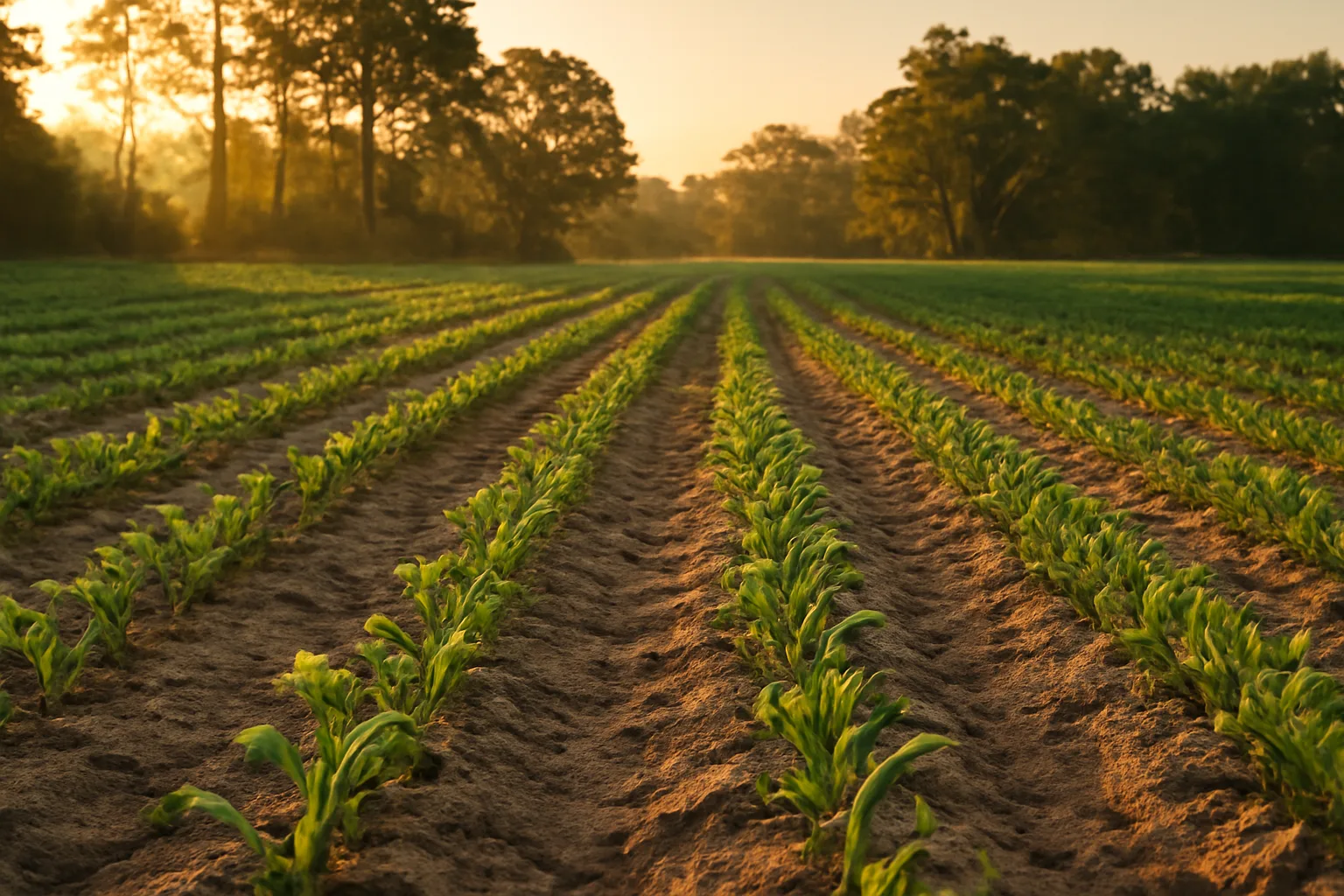
Most of Florida has no real killing frost, so plot timing follows rainfall, not temperature. Plant cool-season plots (clover, oats, brassicas) October through November after summer heat breaks. Plant warm-season plots (cowpeas, soybeans, sorghum) April through June with the wet season. North Florida can start cool-season plots a few weeks earlier than South Florida.
When should you plant deer food plots in Florida?
Florida doesn't play by the same calendar as Iowa or Ohio. There's no hard frost date driving the schedule in most of the state, so the real trigger is rain and heat, not the thermometer. For cool-season plots (clover, oats, wheat, brassicas), the window runs from early October through late November across most of the state. Wait for the first real cold front to break the summer humidity and knock back weed pressure, usually mid-October in the Panhandle and closer to November in South Florida. Plant too early in September heat and you'll burn seedlings or lose them to drought before the cold fronts start rolling through. For warm-season plots (cowpeas, soybeans, grain sorghum, sunn hemp), plant April through June, timed to the start of Florida's wet season. The University of Florida IFAS notes Florida's wet season typically runs June through September, but reliable spring rains usually arrive by April or May depending on region [1]. Planting into that moisture instead of relying on irrigation saves both money and stand failures. South Florida (roughly south of Orlando) can push cool-season planting into December some years since freezes are rare below Lake Okeechobee. North Florida and the Panhandle should lean toward the earlier end of each window since they get a bit more seasonal temperature swing and occasional light frost.
What is a food plot, exactly?
A food plot is a planted patch of forage or grain, usually somewhere between a quarter acre and a few acres, put in specifically to feed and hold deer (and often turkey, quail, and other wildlife) on a property. It's not the same as a wildlife feeder or a bait pile. A food plot is a living crop, planted, fertilized, and managed like a small farm field. Plots generally fall into two buckets: annual plots you replant every season (clover, brassicas, cereal grains, legumes) and perennial plots that can produce for three to five years with the right maintenance (clover and chicory mixes mostly). In Florida's sandy, low-organic-matter soils, perennials take more upkeep than they do up north, so a lot of Florida hunters lean annual. A plot's job is simple: give deer something better and more consistent than what the surrounding woods offer during a specific stress period, whether that's late summer drought, the rut, or post-season recovery. It's a management tool, not a guarantee that deer show up on command.
When to plant oats for deer in Florida?
Plant oats in Florida from mid-October through mid-November, right alongside your other cool-season cereal grains. Oats germinate fast in warm soil and put on good early growth, which makes them a strong nurse crop mixed with clover or brassicas. Oats do have a real weakness in Florida: they're not very frost-hardy compared to wheat or rye, so in the Panhandle a hard freeze in January can knock them back hard. If you're in North Florida and want grazing that lasts into February, blend oats with a hardier grain like wheat or triticale so you've got a backup once temperatures dip. Soil moisture matters more than exact date. If a dry spell hits in October, it's smarter to wait a week or two for a rain forecast than to plant into bone-dry sand and hope. Oat seed sitting dry in Florida's sugar-sand soils just sits there; it won't rot, but it won't grow either.
Do deer like clover, and when should you plant it in Florida?
Yes, deer like clover a lot, and it's one of the most reliable cool-season plot options in Florida when it's managed right. Clover is high in protein (often 20-25% crude protein in good stands) and deer will hit it hard through fall, winter, and into spring green-up. Plant clover in Florida from October through early November, matching the same cool-season window as oats and brassicas. Clover needs a firm, well-prepared seedbed and shallow planting depth (a quarter inch or less), and it performs best with proper pH. Most clover varieties want soil pH between 6.0 and 6.5, and Florida's naturally acidic sandy soils often need lime to get there, which is exactly why a current soil test matters before you spend money on seed. Red and white clover both work in Florida, but many hunters have better luck with arrowleaf clover or crimson clover as an annual option, since they tolerate Florida's sandy, lower-fertility soils a bit better than some perennial white clovers. If you want a perennial stand, plan on mowing periodically to control weed competition and expect it may need overseeding after a rough summer. See our breakdown on deer food plots for more on picking varieties suited to sandy soils.
When to plant turnips for deer in Florida?
Plant turnips (and other brassicas like radish and rape) in Florida between late September and early November. Brassicas need roughly 80 to 90 days to bulb out and reach peak palatability, so back-planning from when you want deer hitting them hard in December and January matters. A common mistake is planting brassicas too late, thinking Florida's warmth gives more room to wait. It doesn't work that way with turnips specifically, since the bulb needs real time in the ground before a frost sweetens it up (cold triggers the plant to convert starches to sugars, which is what makes deer suddenly switch from ignoring the plot to demolishing it in December). Turnips also want a fairly fertile, well-drained seedbed. In Florida's sand, that usually means committing to whatever fertilizer rate your soil test recommends, since turnips are heavier feeders than clover. Skip the guesswork here and pull an actual soil sample instead of assuming last year's rates still apply.
Do deer eat sorghum?
Yes, deer eat grain sorghum, both the seed heads and the young plants, and it's a solid warm-season option for Florida plots, especially on drier sandy sites where corn would struggle. Sorghum is more drought-tolerant than corn, which matters a lot in Florida's sand where soil moisture disappears fast between rain events. Plant grain sorghum in Florida from April through June, after soil temperatures are reliably above 65 degrees Fahrenheit. It's often used as a summer forage and cover crop combined with cowpeas or soybeans, giving deer both browse and grain later in the season. Sorghum also does double duty as screening cover, growing 5 to 8 feet tall, which can help hide a plot or a stand approach from the road. One caution: some grain sorghum varieties can accumulate prussic acid (cyanide compounds) under stress conditions like drought or frost damage, which is a known risk in forage sorghums fed to livestock [2]. It's mostly a livestock grazing concern rather than a documented whitetail issue, but if you're planting sorghum-sudangrass hybrids for grazing purposes, it's worth knowing the risk exists rather than assuming zero risk.
What are deer's favorite foods, and does that change in Florida?
Deer are opportunistic browsers, and their favorite food shifts by season and by what's actually available, but a few patterns hold up nationally and in Florida specifically. Soft mast (acorns especially), legumes like clover and soybeans, and tender new browse growth consistently rank at the top of what deer prefer when given a choice. In Florida specifically, acorns from live oak and water oak are a major natural food source in fall, and deer will often ignore a food plot entirely during a heavy acorn drop. That's not a plot failure, that's deer doing what deer do; acorns are calorie-dense and free. Smart plot placement means giving deer somewhere good to go once the acorns run out in December and January, which lines up well with cool-season plots hitting peak palatability right around then. Soybeans and cowpeas are often cited among deer's most preferred food plot plants nationally, largely because of their high protein content during the growing season. In Florida, soybeans need consistent moisture and can struggle on droughty sand without irrigation, so cowpeas (which handle heat and drought better) often perform more reliably here.
Do deer like honey (honeysuckle, honey locust, and related plants)?
If the question is about honeysuckle, yes, deer love it. Japanese honeysuckle (Lonicera japonica) is one of the most heavily browsed plants across the whitetail's range, including Florida, and it's actually considered an invasive species in much of the Southeast partly because deer browsing doesn't keep it in check the way it might with native plants [3]. If the question is about actual honey (the bee product), there's no real evidence deer seek it out as a food source, and it's not a practical food plot input. Deer are herbivores; they're not raiding beehives. Honey locust is a different plant worth mentioning: the pods that drop in fall are genuinely attractive to deer and are sometimes planted or left standing as a mast tree on Southern properties, distinct from a planted plot but worth knowing if it's on your land already.
How does timing differ across North, Central, and South Florida?
| North Florida / Panhandle | Early-mid October | Mid-April through May | Light frost common, occasional hard freeze | |
|---|---|---|---|---|
| Central Florida | Mid-late October | Late April through June | Rare frost, mostly north-central counties | |
| South Florida | November into early December | March through June | Frost essentially absent south of Lake Okeechobee | These windows track USDA Plant Hardiness Zones, which run from about zone 8b in the Panhandle down to zone 10b/11a in the Keys. A hunter in Jackson County is working with a meaningfully different climate than one in Collier County, even though both are "Florida." Regardless of region, checking your local UF/IFAS county extension office frost and rainfall data for the current year beats going purely off a regional average, since a wet or dry year can shift things by two or three weeks either direction. |
Florida spans roughly 450 miles north to south, and that distance matters more for plot timing than most hunters expect. The Panhandle sits in a different growing zone than the Everglades edge. | Region | Cool-season planting window | Warm-season planting window | Frost risk |
What soil and site prep steps matter most before planting in Florida?
Florida's biggest agronomic challenge for food plots isn't heat, it's soil. Most of the state sits on deep sandy soils with low organic matter and low natural fertility, which means water and nutrients drain through fast and plots need more frequent, lighter fertilizer applications rather than one big dump. Start with an actual soil test, not a guess. The University of Florida IFAS Extension soil testing lab is the standard resource most Florida landowners use, and results typically come back with specific lime and fertilizer recommendations based on your soil's actual pH and nutrient levels. Florida sand commonly runs acidic, and lime takes months to fully react in soil, so testing in summer ahead of a fall planting gives lime time to work before seed goes in. Your soil test is the real authority here, not a blanket internet recommendation. Generic fertilizer rates in a seed bag's instructions are a starting point at best; actual rates should come from your lab results, since Florida sand can vary hugely field to field even on the same property. Beyond chemistry, weed control and seedbed prep matter more in Florida's warm, wet climate than in northern states, since weed pressure never really stops the way it does under snow cover up north. A clean, firm seedbed and a burndown herbicide pass ahead of planting will do more for stand success than almost any other single step.
What equipment do you actually need for Florida food plots?
You don't need a full tractor operation to plant a good Florida food plot, but you do need a plan for Florida's specific obstacles: sand that won't hold moisture, fast weed regrowth, and often limited access on smaller leased tracts. For small plots (under an acre), a UTV or ATV with a small disc, a broadcast spreader, and a cultipacker or drag harrow covers most of what's needed. For larger openings, a compact tractor with a disc, drill or no-till planter, and boom sprayer speeds things up considerably and improves seed-to-soil contact, which matters even more in loose sand than in northern clay soils. No-till drills are worth the extra cost if you're planting into existing sod or a cover crop residue, since they reduce erosion risk on Florida's sandy slopes and conserve soil moisture better than a full disc-and-till approach. If budget is the limiting factor, prioritize a decent broadcast spreader and a way to get seed lightly covered (a drag harrow or even a chain behind a UTV) over any fancier gear. For a full rundown of gear options by plot size, check our guide on food plot whitetail strategy and setup.
What are Florida's rules on baiting and supplemental feeding?
Food plots are legal and widely used in Florida, but baiting and supplemental feeding for hunting purposes are regulated separately and the rules matter if you're combining plots with feeders. Florida law (Florida Administrative Code 68A-12.004) addresses the placement of feed and bait in connection with hunting wildlife, and specific application varies by species, zone, and land type [4]. A planted food plot is generally treated differently from a bait pile under Florida law since it's a growing crop rather than placed feed, but hunters running feeders alongside plots need to check current Florida Fish and Wildlife Conservation Commission regulations directly, since rules have shifted over recent seasons and vary by Deer Management Unit. Don't assume last year's rule still applies without checking the current FWC hunting regulations before season. This is genuinely one area where checking the current guide beats any article, including this one, since state agencies update baiting and feeding rules more often than most hunters expect.
What should a first-time Florida plot planner actually do this year?
Pull a soil test now if you haven't in the last two to three years, not the week before you plant. Lime needs lead time to adjust pH, and waiting until October to find out your plot needs two tons of lime per acre means you're planting into soil that's still too acidic for clover to thrive. Pick two to three species that match your goals and your region rather than throwing every seed in a mix into the ground. A simple, well-executed clover and oat combo on properly limed soil will outperform an ambitious eight-species mix planted into unprepared sand almost every time. Match your plot size and species to your actual equipment and time budget. A quarter-acre plot planted right and maintained beats a two-acre plot planted late and left to fight weeds all fall. If you want a starting point built around your specific region, soil results, and goals rather than a generic calendar, PlotSeason's $99 Custom Food Plot Plan walks through species and timing recommendations based on your inputs, though your soil test lab remains the real authority on exact lime and fertilizer rates for your dirt. For species selection details by goal, our guides on deer food plot seed and food plot seed break down options in more depth.
Frequently asked questions
Do deer eat sorghum?
Yes. Deer eat both grain sorghum seed heads and young sorghum browse, and it's a solid drought-tolerant warm-season option for Florida's sandy soils. Plant it April through June. Some sorghum-sudangrass hybrids can develop prussic acid risk under drought or frost stress, which is a documented livestock grazing concern worth knowing about even though it's not well studied specifically in whitetail deer.
Do deer like clover?
Yes, clover is one of deer's most consistently preferred forages, often testing at 20-25% crude protein in healthy stands. In Florida, plant clover October through early November, and get a soil test first since most clover varieties want pH 6.0-6.5 and Florida's sandy soils usually run more acidic than that without lime added.
When should you plant food plots for deer in Florida?
Cool-season plots (clover, oats, brassicas) go in October through November across most of Florida. Warm-season plots (cowpeas, soybeans, sorghum) go in April through June. South Florida can plant cool-season crops a few weeks later than North Florida since frost risk is minimal south of Lake Okeechobee.
When should you plant oats for deer in Florida?
Plant oats mid-October through mid-November in Florida, alongside other cool-season cereal grains. Oats are less frost-hardy than wheat or rye, so in North Florida a hard freeze in January can knock them back; blending with wheat or triticale extends grazing later into winter if that's a concern.
When should you plant turnips for deer in Florida?
Plant turnips between late September and early November in Florida. They need 80 to 90 days to bulb out, and a frost or hard cold event triggers the starch-to-sugar conversion that makes deer suddenly favor the bulbs heavily in December and January.
What is a food plot?
A food plot is a planted crop, typically a quarter acre to several acres, put in specifically to provide forage or grain for deer and other wildlife on a property. It's different from a feeder or bait pile because it's a living, growing crop managed like a small farm field rather than placed feed.
What are deer's favorite foods?
Deer generally favor acorns and other soft mast, legumes like clover and soybeans, and tender new browse growth. In Florida, live oak and water oak acorns are a major fall food source, and deer will often bypass food plots during a heavy acorn drop simply because acorns are calorie-dense and require less effort.
Do deer like honey?
If the question means honeysuckle, yes, deer heavily browse Japanese honeysuckle, which is actually considered invasive in parts of the Southeast partly because deer browsing pressure doesn't control its spread. If the question means actual honey from bees, there's no evidence deer seek it out; they're herbivores and it's not a practical food plot input.
What's the best time of year to plant food plots in Central Florida?
In Central Florida, plant cool-season plots (clover, oats, brassicas) from mid to late October, and warm-season plots (cowpeas, soybeans, sorghum) from late April through June. Frost is rare in Central Florida except in occasional north-central cold events, so timing leans more on rainfall than temperature.
Can you plant food plots in Florida in the summer?
Yes, but summer plantings should be warm-season species like cowpeas, soybeans, sunn hemp, or grain sorghum, not cool-season crops like clover or oats, which will fail in Florida's summer heat and humidity. Time summer plantings to catch the wet season rains that typically build through June.
Do you need to lime Florida food plot soil?
Most Florida sandy soils run acidic and need lime to hit the pH range most food plot species want (roughly 6.0-6.5 for clover and many legumes). A current soil test through your county's UF/IFAS Extension office or a private lab tells you the exact rate needed; lime takes months to fully adjust pH, so apply it well ahead of planting.
Is it legal to hunt over a food plot in Florida?
Food plots themselves are legal and widely used across Florida. Baiting and feeding rules for hunting purposes are separate and regulated under Florida Administrative Code 68A-12.004, with specifics that vary by zone and land type. Check current Florida Fish and Wildlife Conservation Commission regulations before combining plots with any supplemental feed or bait.
Sources
- UF/IFAS Extension, Florida climate and rainfall patterns: Florida's wet season typically runs June through September
- University of Georgia Extension, Prussic Acid Poisoning: Sorghum and sorghum-sudangrass hybrids can develop prussic acid (cyanide) risk under drought or frost stress
- USDA Forest Service, Japanese Honeysuckle (Lonicera japonica) Plant Guide: Japanese honeysuckle is heavily browsed by deer and considered invasive in parts of the Southeast
- Florida Administrative Code 68A-12.004, Taking Wildlife with the Aid of Feed or Bait: Florida regulates the placement and use of feed or bait in connection with taking wildlife, with rules varying by species and land type
- Florida Fish and Wildlife Conservation Commission (FWC): Florida's hunting regulations addressing baiting and supplemental feeding restrictions for deer
- UF/IFAS Extension: UF/IFAS soil testing and site preparation recommendations relevant to establishing food plots in Florida