Last updated 2026-07-26
TL;DR
Plant fall food plots 60 to 90 days before your area's average first frost, based on USDA frost-date data and land-grant extension guidance. Test soil first, work it into a firm seedbed, and match species (brassicas, cereal grains, clover) to your calendar. Most fall plots run August through early October depending on latitude and elevation.
What is a food plot, exactly?
A food plot is a planted patch of forage, usually a half acre to a few acres, established on hunting land to feed and hold deer through part of the year. It's not the same as a wildlife opening left to weeds, and it's not row-crop farming either. Most hunters plant somewhere between a few tenths of an acre and 2 to 5 acres per plot, depending on herd density and available ground. The point of a fall plot is usually twofold: give deer a high-energy or high-protein food source heading into winter, and give you a place to hunt where deer show up predictably in daylight. Brassicas, cereal grains, and clover mixes dominate fall plantings because they tolerate cool soil and frost, and because deer key in on them hard once acorns thin out and temperatures drop. A food plot is not a bait pile. Most states regulate the difference between planted, standing crops (legal in nearly every state) and placed feed like corn piles or mineral blocks (restricted or banned in many states during hunting season). Check your state wildlife agency's baiting and feeding regulations before you plant or hunt near any supplemental feed. Rules vary a lot by state and even by county in places like Michigan and parts of the Midwest, so don't assume last year's rule still applies [1].
When to plant food plots for deer (fall timing basics)
For fall plots, the general rule from most land-grant extension programs is to plant 60 to 90 days before your area's average first fall frost date. That gives brassicas time to bulk up and cereal grains time to establish a root system before winter dormancy. USDA's Plant Hardiness Zone Map and NOAA frost-date tables are the two tools to check first, because "fall planting" in south Georgia (first frost near mid-November) looks nothing like fall planting in northern Minnesota (first frost as early as mid-September) [2]. As a rough national spread: northern zones (Wisconsin, Minnesota, Michigan's UP, northern New England) usually plant fall plots from late July through mid-August. Transition zones (Iowa, Illinois, Ohio, Pennsylvania, Missouri) plant from mid-August through early September. Southern zones (Georgia, Alabama, Texas, the Carolinas) can wait until September or even early October, and often get away with a second planting window because their frost comes so much later. Don't just pick a calendar date and go. Soil moisture matters more than the calendar in a lot of years. Planting brassicas or clover into dry, hard soil ahead of a rain is a common and avoidable failure. Waiting a week or two for a rain event beats planting on schedule into dust.
When to plant turnips for deer
Plant turnips 80 to 90 days before your first expected hard frost. Turnips need that lead time to bulb out and reach peak tonnage, and deer often ignore the tops until a few frosts sweeten the sugars in the leaves and bulbs, which usually happens by late October or November in most whitetail range. In the transition zone (roughly Kentucky to southern Michigan), that puts turnip planting in the first half of August. In the Deep South, late August into September works. In the far north, late July. Turnips do best in a firm, fertile seedbed with a pH close to 6.0 to 6.5. A soil test is the only honest way to know your actual pH and phosphorus/potassium levels. Broadcast turnip seed shallow (about 1/4 to 1/2 inch) because it's small, and a seed that's buried too deep simply won't come up. Getting seed-to-soil contact with a cultipacker or light drag pass after broadcasting matters more for small brassica seed than almost any other step in the process [3].
When to plant oats for deer
Oats go in the ground about 45 to 60 days before your first killing frost, which is a shorter runway than brassicas need. Oats germinate fast (often within a week in warm soil) and put on quick, leafy growth that deer hit hard in September and October, especially before other browse matures. The tradeoff: oats aren't very winter-hardy compared to winter wheat or cereal rye. A hard freeze in the teens will usually kill oats outright, which is fine if your goal is early-fall hunting attraction rather than late-winter tonnage. If you want a plot that holds up into January, blend oats with winter wheat, winter rye, or clover so something is still green after the oats die back. Most extension guides suggest 60 to 100 lbs/acre of oats when planted alone, drilled about 1 to 1.5 inches deep. Broadcasting works too but usually needs a higher seeding rate and a cultipacker pass to firm the seedbed.
Do deer eat sorghum?
Yes, deer eat grain sorghum, both the standing seed heads and the young leaves, though it's more commonly planted as a summer plot or a screening/cover crop than a primary fall attractant. Sorghum is drought-tolerant and holds up in heat better than corn, which is why Southern food plotters lean on it more than northern ones. As a fall food source specifically, sorghum's value comes from standing grain heads left through fall and winter, similar to how a standing corn plot works. Deer will feed on the heads once they mature, and turkey and other wildlife use it too. It's not usually anyone's first-choice fall plot species on its own. It's more often mixed into a summer annual blend or used as a structural component (cover, screening, snow-catching stalks) alongside clover or brassicas planted nearby. If you're looking for the single best fall attractant, sorghum ranks behind brassicas, cereal grains, and clover in most whitetail research and extension literature, but it's a legitimate part of a full-season plot rotation.
Do deer eat clover? Do deer like clover?
Yes, deer eat clover readily, and most extension and wildlife biologist sources rank clover among the top few whitetail food plot forages, alongside soybeans and brassicas. Clover is a perennial (in the case of ladino and red clover) or short-lived perennial that regrows after grazing, which is exactly what makes it valuable: one planting can feed deer for 3 to 5 years with proper mowing, liming, and weed control. Clover is high in crude protein, often 25 to 30 percent in vegetative growth, which matters most in spring and summer for antler growth and lactation. A well-maintained clover stand still gets hit hard in fall, especially after a frost knocks back competing weeds and clover keeps growing in cool weather. That's why a lot of food plot plans include clover as the perennial base plot and add annual brassicas or grains around it for fall-specific tonnage. For fall establishment, late summer (roughly 60 to 90 days before frost, similar to brassica timing) is the standard window for clover, though many hunters also frost-seed clover into existing plots in late winter. Clover needs a pH close to 6.0 to 6.5 and moderate to high potassium. Clover stands fail more often from low soil pH than from any other single factor, which is why a real soil test (not a guess) matters before planting.
What are deer's favorite foods (and where do fall plot species rank)?
| Brassicas (turnip, radish) | 80-90 days | 15-20% (leaf) | Very high, sweetens after frost | |
|---|---|---|---|---|
| Cereal rye | 45-75 days | 15-20% | Very high, winter-hardy | |
| Winter wheat | 45-75 days | 15-18% | High | |
| Oats | 45-60 days | 15-20% | Low, killed by hard freeze | |
| Clover (perennial) | 60-90 days | 25-30% | Moderate, goes dormant | |
| Grain sorghum | summer plant, fall standing crop | 10-12% (grain) | Low | Protein and forage numbers vary by soil fertility, maturity stage, and lab method, so treat these as ballpark figures from extension forage tables, not lab-certified numbers for your specific field. |
There's no single scientifically ranked "favorite food" list for deer, because preference shifts by season, region, and what's available naturally. But food plot research and browse studies consistently put a handful of species at the top for fall and winter: standing soybeans, brassicas (turnips, radishes, rape), clover, and acorns from white oak family trees. Acorns actually outrank almost every planted food plot species when they're available, because of the fat and carbohydrate content. That's part of why plot success varies so much year to year. In a big mast year, deer may barely touch your brassica plot until acorns run out in December. This acorn-dependency pattern is a big reason experienced plotters plant a mix of species instead of betting on one. Here's a rough comparison of common fall plot species: | Species | Typical planting window (before frost) | Crude protein (approx) | Frost tolerance |
Do deer like honey?
Deer don't seek out honey in the wild, and there's no wildlife research or extension guidance recommending it as a food plot or attractant strategy. Honey isn't part of a deer's natural diet, which is browse, forbs, mast, and agricultural crops, not concentrated sugar from a hive. That question shows up online mostly because of commercial "deer attractant" products that use sweet scents (including honey-based or molasses-based mixes) to draw deer to a mineral site or feed station. Those products are a scent lure, not a food source, and their effectiveness is anecdotal, not backed by peer-reviewed feeding studies. If you're relying on a sweet-smelling additive instead of an actual planted or standing food source, you're chasing a marketing claim, not a proven attractant. More importantly, check your state's baiting and supplemental feeding rules before using any liquid or granular attractant near where you hunt. Several states regulate or ban scent-based attractants the same way they regulate bait, and rules differ by state agency, so this is one to actually verify rather than assume [1].
How do I actually plant a fall food plot, step by step?
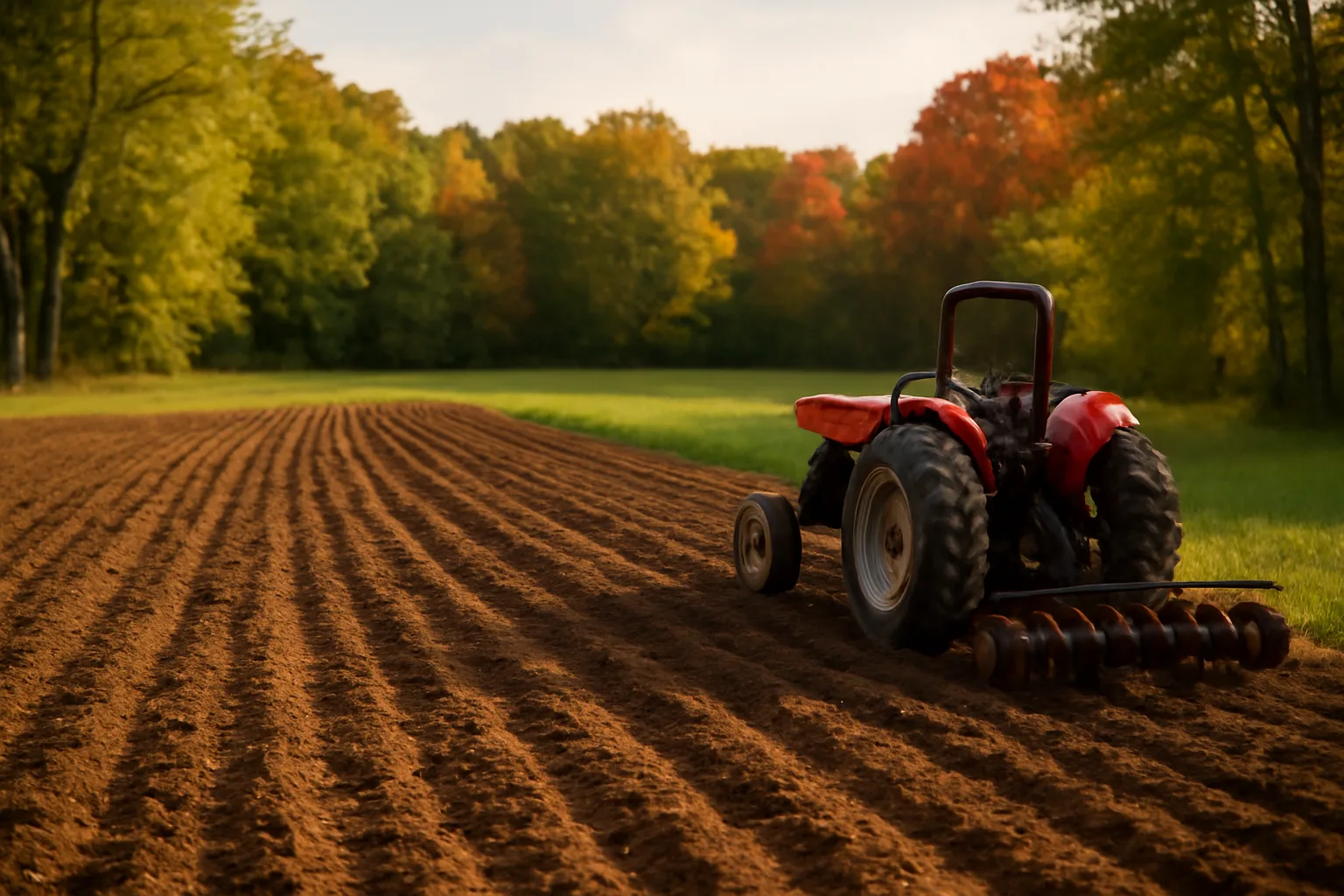
Start with a soil test, not a seed bag. A basic soil test through your county extension office or a private ag lab tells you pH, phosphorus, and potassium, and it's the only reliable way to know how much lime and fertilizer your plot actually needs. Your soil test lab's recommendation is the authority here, not a generic bag-of-seed instruction sheet, because pH and nutrient needs are specific to your dirt, not a national average. Here's the general sequence most extension programs recommend: 1. Test soil 2 to 3 months ahead if possible, since lime takes time to adjust pH. 2. Kill existing vegetation with a burndown herbicide or tillage, roughly 2 to 3 weeks before planting. 3. Apply lime and fertilizer per your soil test results, worked into the top few inches if possible. 4. Work up a firm, fine seedbed. A seedbed that's too fluffy leads to seed planted too deep and poor germination. 5. Plant at the right depth for your species (a common mistake is burying small seeds like clover or brassica too deep; most should go 1/4 inch or less). 6. Cultipack or drag after broadcasting to firm the seed-to-soil contact. 7. Time it to a rain if you can, rather than sticking rigidly to a calendar date. Equipment scales with plot size. A half-acre plot can be worked with an ATV disc, a hand broadcaster, and a drag section made from chain-link fence. Larger plots (2 acres and up) usually justify a tractor, a disc or tiller, a broadcast or drop spreader, and a cultipacker. None of this needs to be expensive or new. A lot of successful plotters run 30- to 40-year-old tractors and basic three-point implements. If you want species and rate recommendations built around your actual soil test numbers, latitude, and plot size instead of general guidance, a Custom Food Plot Plan runs $99 one time and gives you a written plan instead of guesswork. It's a planning aid built on the same extension-level agronomy referenced here, not a substitute for your soil test lab's specific lime and fertilizer recommendation.
What's the difference between fall plots for attraction vs. fall plots for nutrition?
An attraction plot is designed to pull deer into range during hunting season, planted with fast-growing, highly palatable species like oats, winter wheat, or brassica tops. A nutrition plot is designed to carry deer through the stress of late fall and winter with tonnage and standing forage, which is where brassica bulbs, standing soybeans, and cereal grain plots matter more. Many experienced plotters run both in the same property: a small, visible attraction plot near a stand for hunting, and a larger nutrition plot farther off, planted for volume rather than visibility. The attraction plot gets hunted lightly and pressured carefully. The nutrition plot might not get hunted at all, so deer treat it as a safe feeding area. If you're planning a whole property instead of a single plot, it helps to look at food plot whitetail strategy and deer food plots layout guidance together, since plot placement relative to bedding and wind matters as much as species choice.
What seed should I actually buy for a fall plot?
For most fall plots in the transition and northern zones, a brassica/cereal grain blend (turnip or radish mixed with winter wheat or cereal rye) is the most reliable combination, because the brassica bulbs provide late-season tonnage and the cereal grain provides early attraction and winter green-up. In the South, that same blend works, just planted later in the calendar (September into early October in many areas). If you want a perennial base plot instead of an annual, ladino or red clover is the standard pick, planted in a dedicated plot that gets maintained (mowed, spot-sprayed for grass, limed as needed) for several years rather than replanted every fall. A lot of hunters buy a pre-made bag mix rather than buying straight species and blending their own. That's fine and often cheaper per acre once you factor in the cost of buying five separate 50 lb bags. Compare deer food plot seed options and food plot seed blends against your soil test results and planting window before buying, since a bag optimized for a 90-day southern growing window isn't the same bag you want for a 45-day fall in Wisconsin.
What if I only have a small plot or limited equipment?
Small plots (under an acre) and hand-tool planting still work. They just take more manual labor per square foot. A hand-crank broadcaster, a hoe or rake for seedbed prep, and a section of chain-link fence dragged behind an ATV can get a half-acre plot planted in an afternoon. The agronomy doesn't change with plot size. You still need the soil test, the burndown or tillage, the lime and fertilizer, and the firm seedbed. What changes is the tool, not the process. If equipment access is the limiting factor, brassicas and clover both tolerate a rougher seedbed better than something like corn or soybeans, which is part of why they're the default fall plot recommendation for small, hand-planted plots. For a broader look at low-cost and no-till options, domain food plot seed and deer for food both cover species that handle minimal-equipment planting reasonably well.
Frequently asked questions
Do deer eat sorghum?
Yes. Deer eat both the leaves and mature grain heads of sorghum, though it's more often used as a summer plot or standing winter grain source than a primary fall attractant. Brassicas, clover, and cereal grains typically outperform sorghum for dedicated fall food plot use, based on extension forage recommendations.
Do deer eat clover, and do deer like clover?
Yes, deer eat clover readily and it ranks among the top whitetail food plot forages in most extension and biologist guidance. Clover offers 25 to 30 percent crude protein in vegetative growth and, as a perennial, can feed deer for 3 to 5 years per planting with proper liming and mowing.
When should I plant food plots for deer in the fall?
Plant fall food plots 60 to 90 days before your area's average first frost date, per USDA and land-grant extension guidance. Northern zones typically plant late July to mid-August, transition zones mid-August to early September, and southern zones September into early October.
When should I plant oats for deer?
Plant oats about 45 to 60 days before your first expected killing frost. Oats germinate fast and provide strong early fall attraction but aren't very winter-hardy; a hard freeze usually kills them, so many hunters blend oats with winter wheat or cereal rye for late-season coverage.
When should I plant turnips for deer?
Plant turnips 80 to 90 days before your first hard frost so bulbs have time to size up. Deer often ignore turnip tops until after a few frosts sweeten the sugars, which typically happens by late October or November across most whitetail range.
What is a food plot?
A food plot is a planted patch of forage, usually a half acre to several acres, established on hunting or wildlife land to feed deer and create predictable hunting opportunities. It's distinct from bait piles, which many states restrict or ban; standing planted crops are legal almost everywhere.
What are deer's favorite foods?
There's no single ranked list, since preference shifts by season and region, but acorns (especially white oak family), standing soybeans, brassicas, and clover consistently rank at the top in food plot and browse research. Acorns often outrank planted forages entirely during a heavy mast year.
Do deer like honey?
No, honey isn't part of a deer's natural diet and there's no wildlife research supporting it as an attractant. It shows up in commercial scent-based attractant products, which lure by smell rather than function as an actual food source; effectiveness for those products is anecdotal, not research-backed.
What's the best fall food plot for deer if I can only plant one thing?
A brassica and cereal grain blend (turnip or radish mixed with winter wheat or rye) is the most reliable single fall planting for most regions. It gives early attraction from the grain and late-season tonnage from the brassica bulbs, and it tolerates cool soil and frost well.
How big should a fall food plot be?
Most hunting-land food plots run from a quarter acre up to 2 to 5 acres, depending on deer density, available open ground, and whether the goal is attraction (smaller, near a stand) or nutrition (larger, off by itself). There's no fixed minimum; even small hand-planted plots under an acre can work.
Do I need a soil test before planting a fall food plot?
Yes. A soil test is the only reliable way to know your pH, phosphorus, and potassium levels, and it drives how much lime and fertilizer you actually need. Extension agronomists consistently cite low or unmanaged soil pH as a leading cause of clover and brassica plot failure.
Is it legal to bait deer with a food plot?
A planted, standing food plot is legal in nearly every state and isn't the same as baiting, which usually refers to placed feed like corn piles or mineral blocks. Rules on baiting and supplemental feeding vary significantly by state and sometimes by county, so check your state wildlife agency's current regulations before hunting near any feed source.
Sources
- Michigan Department of Natural Resources, Baiting and Feeding Regulations Order (Fisheries and Wildlife Orders, deer baiting and feeding): Baiting and supplemental feeding rules for deer vary by state and are set by regulation, with specifics differing by location
- NOAA National Centers for Environmental Information, US Climate Normals: Average first frost dates vary widely by latitude across the whitetail range
- Penn State Extension, Food Plots for Wildlife (PA Wildlife Series): Planting into dry soil ahead of expected rain is a common food plot failure point
- University of Georgia Extension, Circular 1027, Food Plots for Wildlife: Turnip and brassica seed should be planted shallow and cultipacked for seed-to-soil contact
- USDA Forest Service, Southern Research Station, General Technical Report SRS-131, White Oak Mast and Wildlife: Acorns, particularly white oak family mast, often outrank planted food plot forages when available
- Oklahoma State University Extension, PSS-2129, Establishing and Managing Food Plots for Deer: Crude protein and forage quality figures for common food plot species vary by fertility and maturity