Last updated 2026-07-26
TL;DR
Bird seed (mostly milo/sorghum, millet, and sunflower) will get eaten by deer in a pinch, but it's not bred for tonnage, digestibility, or attraction the way food plot seed is. Use real forage species like clover, oats, and brassicas for actual plots, and save the wild bird seed bag for the feeder, not the disc.
can you actually plant bird seed for a deer food plot
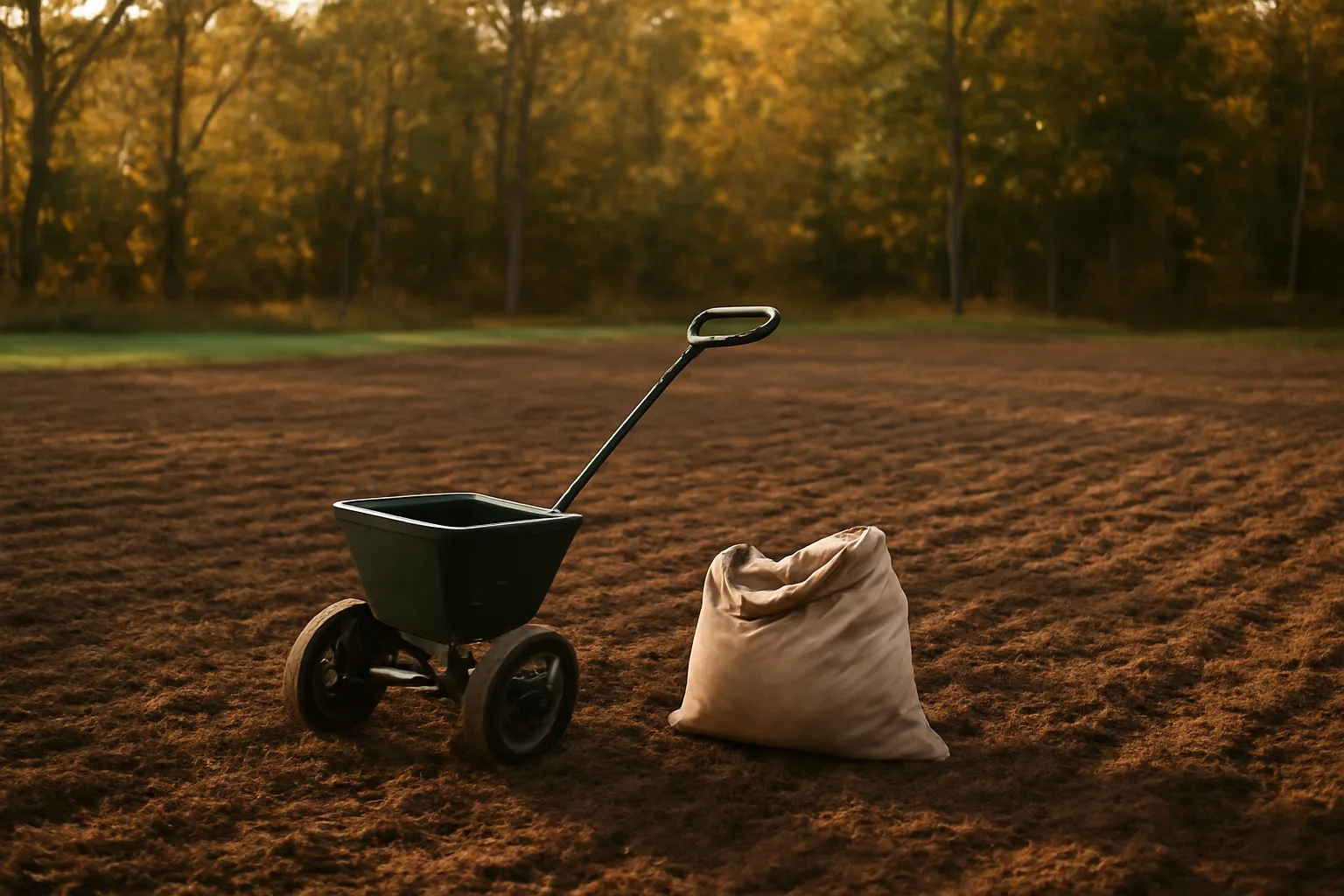
You can plant it. Whether it does much for you is a different question. Wild bird seed mixes are usually a blend of milo (grain sorghum), proso millet, sunflower, and sometimes cracked corn or milo substitutes like safflower. All of those are real agricultural crops, and deer will absolutely eat sorghum, millet, and sunflower heads if given the chance. That's not the issue. The issue is bag composition and seed rate. Bird seed is formulated for a feeder tray, not a disced acre. Fill ratios lean heavy on cheap filler grains, seed count per pound is low relative to how thin you'll spread it walking a field with a hand-crank spreader, and there's zero agronomic guidance on the bag about row spacing, planting depth, or fertility needs for your soil. You're planting blind. Compare that to actual food plot seed, blends of forage soybeans, clover, brassicas, cereal grains, and sorghum-sudangrass bred and packaged specifically for tonnage and palatability in a plot setting. The genetics, seeding rate, and instructions are dialed in for exactly this use. If you want a plot that actually produces pounds of forage per acre instead of a scattering of volunteer grain heads, food plot seed built for the job beats a $12 bag of wild bird mix every time.
do deer eat sorghum
Yes. Deer readily eat grain sorghum (milo) and the related forage sorghum-sudangrass hybrids, both the seed heads later in the season and the young green growth earlier on. Sorghum is drought-tolerant and grows well on marginal ground, which is why it shows up in both bird seed bags and dedicated deer plot blends. The difference is variety and purpose. Bird seed sorghum is a grain-type milo selected for seed yield to feed birds at a feeder. Food-plot sorghum blends often use forage or sorghum-sudangrass types selected for leafy tonnage and regrowth after grazing, similar to how a cattle producer would use it for grazing or silage. Oklahoma State University Extension describes forage sorghum and sorghum-sudangrass hybrids as summer annual forages valued for their fast regrowth after cutting or grazing, the same regrowth trait that keeps deer coming back to a stand through summer and into fall [1]. One caution: sorghum species, including sudangrass, can develop dangerously high prussic acid (cyanide) content in young shoots or after a frost or drought stress. This is a documented livestock risk covered by university extension guidance, and it's a reasonable caution for deer plots too, though there's limited direct deer-specific data. If you plant a sorghum-sudangrass blend, don't expect deer to browse it hard the first few days after a killing frost.
do deer eat clover and do deer like clover
Yes, and it's not close. Clover, especially white clover varieties like Ladino, is one of the most consistently preferred forages in whitetail plot research and one of the most planted food plot crops in the country. Clover offers high crude protein, often in the 25 to 30 percent range on a dry matter basis depending on variety, soil fertility, and maturity, which matters most in spring and summer when does are lactating and bucks are growing antlers. It's also a perennial in most zones, meaning a well-maintained clover plot can produce forage for three to five years before you need to reseed, unlike an annual grain you replant every year. University of Georgia Extension lists clovers among the warm-season forage legumes recommended for wildlife food plots, citing their palatability and protein content as reasons they outperform grasses and grains as a spring and summer forage source [2]. The tradeoff is clover needs decent soil pH (most guidance targets 6.0 to 6.5) and regular mowing or light disturbance to stay productive and keep weeds down. It's genuinely one of the best value plantings out there, and it's a major reason clover keeps showing up in deer food plot seed blends rather than in a bird feeder mix.
do deer like honey (and does that matter for a plot)
This question comes up because hunters wonder if sweet scents or syrup-based attractants pull deer the way a food source does. Short answer: there's no meaningful research showing deer seek out honey as a food source in the wild, and it's not a practical food plot input. Deer are drawn to sugar and starch in general, which is part of why they hit acorns, apples, and standing corn hard in fall. But honey itself isn't something you plant or broadcast in a plot, and pouring it on the ground mostly just draws insects, raccoons, and bears. If you're trying to boost attraction, your time and money are better spent on a forage blend deer actually browse at volume, brassicas, clover, cereal grains, rather than novelty attractant products. One more practical note: many states regulate or restrict baiting and supplemental feeding for deer, and rules on things like mineral, scent, or sweet-liquid attractants vary a lot by state and sometimes by county (often tied to chronic wasting disease management zones). Check your state wildlife agency's current baiting and feeding regulations before you put out anything besides a planted crop.
what is a food plot
A food plot is a planted patch of forage, typically somewhere between a quarter acre and a few acres, established specifically to feed and attract deer or other wildlife on a property. It's not a garden and it's not a farm field in the commercial sense; it's a wildlife management tool. Most hunters plant food plots for one or both of two goals: nutrition (helping deer through stress periods like antler growth, lactation, and winter) and hunting access (giving deer a reliable reason to show up somewhere you can hunt them). USDA's Farm Service Agency notes that the Conservation Reserve Program supports wildlife habitat establishment on enrolled land, including plantings that benefit game species, which tells you planted wildlife forage is recognized as a legitimate land management practice, more than a hunting gimmick [3]. A food plot generally starts with a soil test, moves through fertility and pH correction (lime and fertilizer based on that test), a fitted or no-till seedbed, and then planting a species or blend chosen for your region, soil, and season. For a broader look at plot styles and what fits different properties, see food plot whitetail and deer food plots.
when to plant food plots for deer
| Northern (zone 3-5) | Mid-May to early June | Late July to mid-August | |
|---|---|---|---|
| Transition (zone 5-6) | Late April to May | Mid-August to early September | |
| Southern (zone 7-8) | March to April | September to early October | These ranges are general guidance, not a substitute for your local extension frost date data or your own field notes from past seasons. |
Timing splits into two windows almost everywhere deer are hunted: spring/summer plantings for warm-season annuals and perennials, and late summer/early fall plantings for cool-season annuals like brassicas and cereal grains. Spring plots (clover, soybeans, warm-season grain blends) generally go in after your last frost date, when soil temps are reliably above 50 degrees F. Fall plots (brassicas, oats, wheat, winter peas) typically go in 45 to 90 days before your average first fall frost, timed so plants reach a palatable growth stage right as hunting season opens and food gets scarce elsewhere. Because frost dates swing wildly by latitude and elevation, there's no single national planting date. Land-grant extension offices publish frost date tables by county, and that's the right starting point rather than a generic calendar. As a rough framework: | Region type | Spring/summer annuals | Fall annuals (brassicas, cereal grains) |
when to plant oats for deer
Oats are a fall planting in most whitetail country, typically going in 60 to 90 days ahead of your first killing frost so they can establish a leafy stand before growth slows. In much of the Midwest and Upper South, that lands somewhere between mid-August and mid-September; in the Deep South it can push into late September or October. Oats are a cool-season annual grain, cheap, fast to germinate, and highly palatable to deer while young and leafy, which is exactly the window hunting season opens in. USDA Natural Resources Conservation Service's Conservation Practice Standard for Wildlife Habitat Planting (Code 420) lists cool-season small grains such as oats among the plant materials suited to wildlife food plantings, commonly paired with brassicas or legumes for a mix of quick green growth and later cover or food value [4]. One real limitation: oats aren't very cold-hardy compared to wheat or rye. In colder zones a hard freeze can kill the plant back and end its usefulness by late fall, whereas winter wheat or cereal rye will often keep producing green growth into winter and green up again in early spring. If you're in a northern zone and want food that lasts past the first hard freeze, blend oats with wheat or rye rather than planting oats alone.
when to plant turnips for deer
Turnips, like other brassicas, are a fall planting timed roughly 90 to 100 days before your first expected hard frost, since they need that runway to build both leaf mass and the bulb. In most of the whitetail range that means planting turnips somewhere between late July and mid-August in northern and transition zones, sliding to late August or September in the Deep South. Brassica plots often get ignored early in the season, when deer prefer softer, sweeter forage, and then get hammered hard after the first few frosts convert starches to sugars in the plant tissue, making it noticeably more palatable. Extension forage research on brassicas consistently notes that cold temperatures convert starches to sugars in the leaves and roots, increasing palatability late in the season when other forage has gone dormant. Turnips need decent soil fertility and a pH near neutral (6.0 or higher) to bulb up well, so a current soil test matters more here than with a tougher perennial like clover. A quick planning note: your soil test lab is the real authority on how much lime and fertilizer your specific field needs. General planting calendars and species guides (including this one) can tell you the right window and the right crop, but they can't tell you your field's actual pH or phosphorus level. If you want a starting framework that turns your soil test and acreage into an actual planting plan by species and season, that's exactly the gap PlotSeason's $99 Custom Food Plot Plan is built to fill, though the soil lab's fertility recommendation should always be the final word on lime and fertilizer rates.
what are deer's favorite foods
There's no single universal favorite, deer preference shifts by region, season, and what's available, but research and long-term food plot data point to a consistent short list: acorns and other mast, clover and alfalfa, soybeans (both standing and forage type), and brassicas after a frost. Acorns are frequently cited as one of the highest-preference natural fall foods where oaks are present, largely because of their fat and carbohydrate content going into winter, and deer will often bypass planted plots for a good acorn drop in a mast year. Among planted crops, clover and soybeans consistently rank at the top of preference studies and long-term plot manager observations because of their protein content and season-long availability. Seasonally, spring and summer favorites lean toward high-protein clover, alfalfa, and soybean leaves, while fall and winter favorites shift toward higher-energy grains, brassicas, and mast. That's the whole logic behind planting a mix of both perennial clover and fall annuals on the same property instead of betting on one crop type. For a side-by-side look at how different species stack up on preference, protein, and planting windows, deer for food breaks down the comparison in more detail.
is bird seed ever worth planting in a food plot
There's one narrow case where it makes some sense: you've got leftover bird seed, a small patch of disturbed dirt, and zero budget, and you just want something green growing there instead of bare soil or weeds. In that scenario, sure, broadcast it. It beats nothing. Outside that scenario, it's hard to justify. A 20-pound bag of wild bird seed runs somewhere around $15 to $25 depending on mix and retailer, and per-acre seeding rates on a true food-plot product are usually calculated by pounds per acre with germination and purity data on the tag. Bird seed bags don't carry that agronomic labeling, so you're guessing at coverage, and a lot of the bag weight is going to filler grains deer show little interest in. For an actual hunting or nutrition plot, dedicated deer food plot seed blends and single-species options like domain food plot seed are bred and packaged specifically for tonnage, palatability, and regional adaptation. That's not marketing fluff, it's the actual reason a bag of forage soybeans outproduces a bag of parakeet mix on the same acre.
how do I actually pick species and timing for my property
Start with soil, not seed. A basic soil test (most state land-grant labs run these for $10 to $20) tells you pH, phosphorus, potassium, and organic matter, and that data should drive both your lime/fertilizer plan and which species will realistically perform on that ground. From there, match species to season and goal: - Spring/summer nutrition: clover, alfalfa, forage soybeans
- Fall attraction and late-season food: brassicas (turnips, radishes), cereal grains (oats, wheat, rye), sometimes blended with winter peas
- Drought-prone or marginal soil: grain sorghum or sorghum-sudangrass blends Then check your zone's frost dates through your state land-grant extension office rather than a generic online calendar, since that single date drives every fall planting window discussed above. If you want help turning a soil test and a planting calendar into an actual acre-by-acre plan, PlotSeason's Custom Food Plot Plan is a one-time $99 tool built for that, but any decent extension publication plus a soil test will get you most of the way there on your own.
Frequently asked questions
Do deer eat sorghum?
Yes. Deer eat both grain sorghum (milo) heads and the green growth of forage sorghum-sudangrass hybrids. It's a common ingredient in both wild bird seed and dedicated food plot blends because it tolerates drought and marginal soil well. Watch for prussic acid risk in young shoots after frost or drought stress, a documented concern in sorghum-sudangrass forages.
Do deer like clover?
Yes, clover is one of the most consistently preferred food plot forages available. White clover (Ladino) and red clover offer crude protein often in the 25 to 30 percent range and stay productive for three to five years as a perennial, which is why land-grant extension programs list it among the top deer plot choices in most regions.
When should I plant food plots for deer?
Warm-season plots (clover, soybeans) go in after your last spring frost, generally April through early June depending on latitude. Fall plots (brassicas, oats, wheat) go in 45 to 100 days before your first fall frost, usually late July through September. Check your county's frost dates through your state land-grant extension office rather than a generic calendar.
When should I plant oats for deer?
Plant oats 60 to 90 days before your first expected fall frost, which lands roughly mid-August through mid-September in the Midwest and Upper South, later in the Deep South. Oats grow fast and stay highly palatable while young, but they're less cold-hardy than wheat or rye, so a hard freeze can end their usefulness earlier in northern zones.
When should I plant turnips for deer?
Plant turnips and other brassicas roughly 90 to 100 days before your first hard frost, since they need that time to build leaf mass and bulb size. That's typically late July to mid-August in northern and transition zones, sliding into late August or September farther south. Deer preference jumps sharply after the first few frosts sweeten the plant.
What is a food plot exactly?
A food plot is a planted area, usually a quarter acre to a few acres, established to feed and attract deer or other wildlife on a property. It combines soil testing, lime and fertilizer correction, seedbed prep, and species selection matched to season and region. USDA's Conservation Reserve Program recognizes wildlife habitat plantings, including forage plots, as a supported land management practice on enrolled ground.
What are deer's favorite foods overall?
There's no single universal favorite, but acorns and other mast rank high in fall where available, and among planted crops clover, alfalfa, and soybeans consistently top preference and plot-manager data due to their protein content. Brassicas jump in preference after frost sweetens them. Favorites shift seasonally between high-protein spring forage and high-energy fall food.
Do deer like honey or sweet attractants?
There's no solid research showing deer specifically seek out honey in the wild, and it's not a practical food plot input. Deer are drawn to sugar and starch generally (acorns, apples, corn), but pouring honey or syrup attractants on the ground mostly draws insects and other wildlife. Check your state's baiting and feeding rules before using any liquid attractant.
Can you plant regular wild bird seed as a deer food plot?
You can broadcast it and deer will eat some of it, since bird seed usually contains milo, millet, and sunflower. But bird seed bags aren't formulated for per-acre seeding rates, germination standards, or plot tonnage the way food plot seed is, so it produces far less forage per dollar than a proper plot blend.
Is sorghum in bird seed the same as food plot sorghum?
Not usually. Bird seed sorghum is typically a grain-type milo bred for seed yield at a feeder. Food plot sorghum blends often use forage or sorghum-sudangrass types bred for leafy tonnage and regrowth after grazing, which produces more season-long browse for deer than a straight grain variety.
How much protein does clover have compared to other plot crops?
White and red clover commonly run 25 to 30 percent crude protein on a dry matter basis depending on variety, maturity, and soil fertility, per extension forage data. That's higher than most cereal grains and comparable to or better than forage soybeans, which is why clover is a staple spring/summer plot choice.
Do I need a soil test before planting a food plot?
Yes, it's the single best dollar you can spend before planting. A basic soil test, usually $10 to $20 through a state land-grant lab, tells you pH, phosphorus, potassium, and organic matter, which determines your lime and fertilizer needs and which species will actually perform on that ground. Skipping it means guessing.
What's the difference between a fall plot and a spring plot?
Spring/summer plots use warm-season species like clover, alfalfa, and soybeans planted after last frost, aimed at nutrition during antler growth and lactation. Fall plots use cool-season species like brassicas, oats, and wheat planted 45 to 100 days before first frost, aimed at hunting-season attraction and late-season food availability.
Sources
- Oklahoma State University Extension, Sorghum and Sudangrass Hybrids for Forage: Forage sorghum and sorghum-sudangrass hybrids are grown as summer annual forages valued for fast regrowth after grazing or cutting, the trait that also drives deer browsing
- University of Georgia Extension, Warm Season Forage Legumes for Wildlife Food Plots: Clovers and other warm-season forage legumes are recommended for wildlife food plots for their palatability and protein content relative to grasses and grains
- USDA Farm Service Agency, Conservation Reserve Program: Federal conservation programs recognize planted wildlife habitat, including food plots, as an eligible land management practice
- USDA Natural Resources Conservation Service, Conservation Practice Standard: Wildlife Habitat Planting (Code 420): NRCS conservation practice standards list cool-season grains such as oats as components of wildlife food plot plantings, often paired with brassicas or winter peas
- University of Georgia Extension: Explains recommended planting dates and species for deer food plots in the Southeast
- University of Missouri Extension: Provides guidance on forage sorghum and its use as wildlife or livestock feed