Last updated 2026-07-26
TL;DR
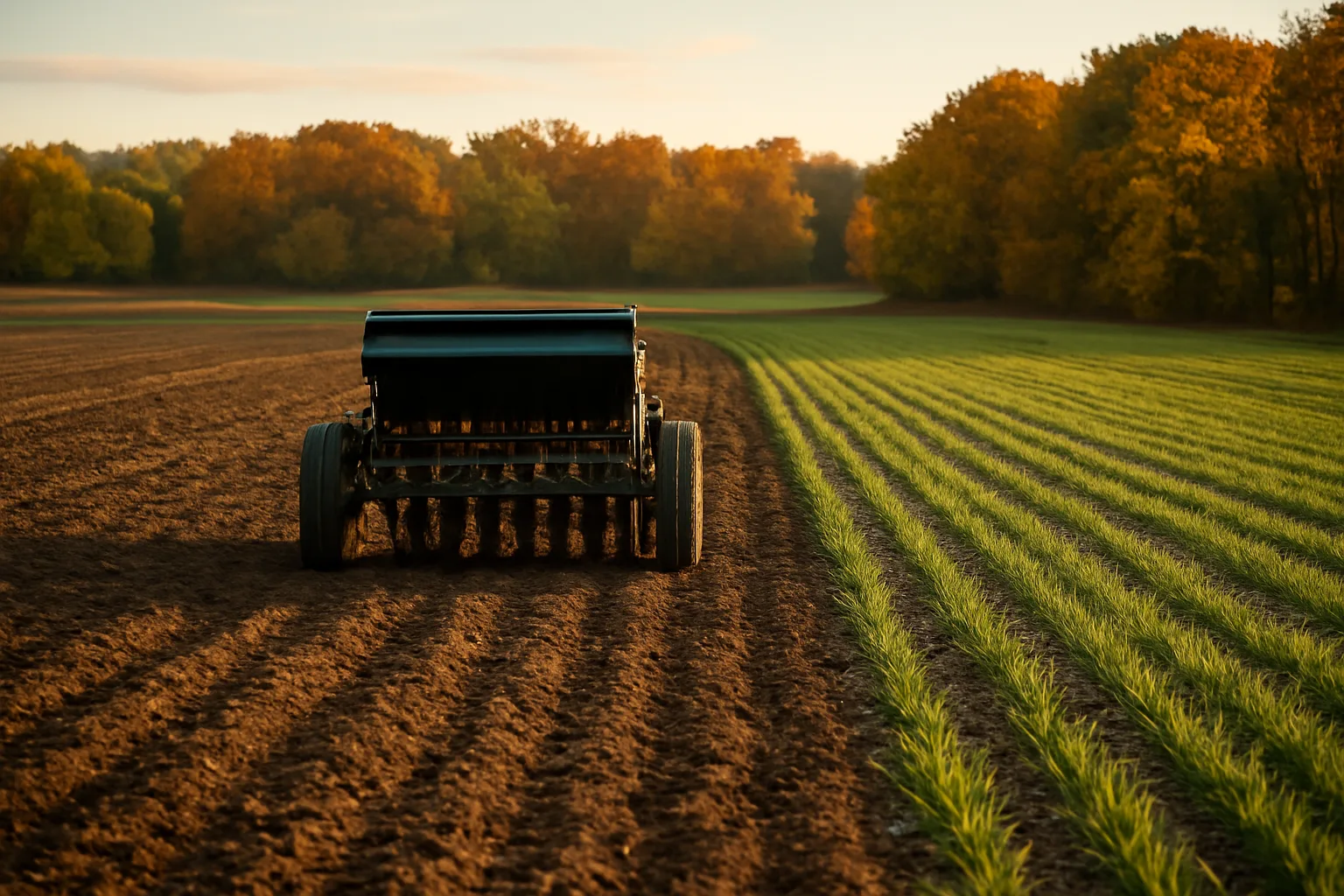
Late food plot planting still works if you match species to your remaining frost-free days. Oats, brassicas, and winter peas can go in as late as 45-60 days before first frost. Clover and perennials need a spring do-over. Test your soil, drill instead of broadcast if you can, and pick fast-maturing annuals over anything that needs 90+ days.
is it too late to plant a food plot?
Probably not, but it depends entirely on what you plant and how many frost-free days you have left. A food plot planted in early September in Michigan is a different proposition than one planted in early September in South Carolina, so the calendar date matters less than the days-to-maturity math. Here's the rule of thumb: check your average first fall frost date from your state climate office or extension service, then count backward. Brassicas like turnips and radishes need roughly 60-90 days to bulb up [1]. Oats need as little as 45-60 days to produce grazeable forage, though they won't grain out that late [2]. Cereal rye is the most forgiving of all; it germinates in cool soil and will still put on growth into November in a lot of the Midwest. What you can't fix late is anything that depends on a full growing season to establish a root system, namely clover, alfalfa, and chicory. Plant those too late and you get a thin stand that winterkills before it ever gets established. If you're past the window for perennials, the honest move is to plant a cheap annual cover now and circle back for the perennial seeding in spring. So the short answer: late planting works fine for annuals, it's a gamble for brassicas past mid-window, and it's usually a mistake for perennials.
when to plant food plots for deer, by zone
| Upper Midwest / North (MN, WI, MI, upstate NY) | mid-Aug to early Sept | early May to early June | |
|---|---|---|---|
| Mid-South / Transition (KY, TN, VA, MO) | early Sept to early Oct | mid-April to mid-May | |
| Deep South (AL, GA, MS, LA, FL) | mid-Sept to late Oct | March to mid-April | These are generalized ranges, not a substitute for your local extension calendar. Your county extension office publishes frost date tables specific to your soil zone, and NOAA's climate normals data is the actual number you should plan around [2]. If you're mapping out a full-season plan rather than one plot, our seasonal food plot planning guide breaks down spring versus fall strategy in more detail. |
Food plot timing splits into two seasons, spring plots (usually clover, chicory, soybeans, corn) and fall plots (brassicas, cereal grains, annual blends), and the right week shifts by 4-6 weeks across zones. As a general framework used by wildlife biologists and extension agronomists, fall plantings should go in 60-90 days before your average first frost so plants have time to establish before cold shuts down growth. Spring plantings go in after your last frost date once soil temps hit the mid-50s. | Zone (approx.) | Fall planting window | Spring planting window |
what counts as "late" and how do I know if I've missed my window?
You've missed your window when the days remaining until your average first frost are fewer than the days-to-maturity listed on your seed bag. That's it. No mystical cutoff date exists; it's arithmetic. Say your first frost averages October 15 and you're standing in the field on September 20. That's 25 days. A turnip that needs 60-90 days to bulb isn't going to make it worth planting for bulb production, though the tops will still green up and deer will hit them. Oats at 45-60 days are borderline. Cereal rye, which really just needs a few weeks to germinate and tolerates frost down into the teens once established, is your best bet at that point. A practical trick: back up your calendar from first frost, not from today. If you're inside the minimum maturity window for everything except rye or wheat, plant rye or wheat and don't feel bad about it. A green plot in November beats a bare disked field.
what should I plant if I'm already late this season?
For a genuinely late planting, cereal rye and winter wheat are the two most reliable options because they germinate in cool soil, tolerate frost, and don't need a long window to be useful as forage. Winter peas paired with oats is another strong late combo; peas add tonnage and protein and the oats give quick green-up. Brassica blends (turnip, radish, rape) can still work if you're at the outer edge of their maturity window, 60 days or more remaining. You won't get the big bulbs, but deer will browse the leafy tops, and radish tops especially green up fast. What to skip late in the season: corn, soybeans, and any clover or perennial mix. Corn and beans need a full summer to make grain and just get mowed down as browse with nothing to show for it. Clover seeded too late into cooling soil often germinates thin and then winterkills before the crown develops enough carbohydrate reserve to survive. If you're unsure which species fit your remaining window, a food plot seed comparison by maturity date is worth fifteen minutes before you buy anything.
when to plant oats for deer
Oats go in either as a spring forage planting after your last frost, or, more commonly for hunting plots, in late summer to early fall, roughly 6-10 weeks before your first hard frost. Oats germinate fast, often in 7-10 days in warm soil, and produce grazeable forage in as little as 4-6 weeks under good conditions. Oats are not winter-hardy in most of the whitetail range; they'll green up fast, get hit hard by deer through October and November, and then die back once temps drop into the teens and low twenties for a stretch. That's fine for a hunting plot where you want peak attraction during hunting season anyway. If you want something that survives into late winter, pair oats with cereal rye or winter wheat in the same mix so you get fast fall growth from the oats and season-long persistence from the rye.
when to plant turnips for deer
Turnips go in 60-90 days before your first expected fall frost, which lands most of the Midwest and Upper South somewhere between late July and early September [1]. Plant later than that and you get leafy growth without real bulb development, since bulbing is the part of the turnip's life cycle that needs the longest runway. Deer often ignore turnip bulbs early in the season and hit the leafy tops first; the bulbs become more attractive after a hard frost converts starches to sugars, which is why turnip plots often see their best activity in December and January rather than October. If you're planting turnips as a late-season strategy specifically, that frost-sweetening effect is the whole point, so don't panic if deer aren't hammering the plot in early fall. An extension planting guide to brassica establishment lists full bulb development at 80-90 days, which is a useful number to count backward from if you're deciding whether you still have time [1].
do deer eat sorghum?
Yes, deer eat grain sorghum, both the standing seed heads and the young plants, though it's typically used more as a screening and late-season standing crop than a primary attractant. Sorghum is drought-tolerant and holds its grain into winter better than corn in some regions, which makes it a decent late-season food source once other plots are picked clean. It's not most hunters' first choice for a dedicated food plot because deer generally prefer soybeans, corn, and brassicas when given the option, but sorghum has real value as a cover crop or a mixed-planting component, especially in warm-season blends aimed at turkey and deer both. If your goal is pure deer attraction, sorghum ranks below clover, brassicas, and beans on most preference studies and extension forage guides.
do deer eat clover, and do deer like clover?
Yes, clover is one of the most consistently preferred forages for whitetail deer, and it's a staple recommendation across nearly every state wildlife agency's food plot guidance. White clover and red clover both rank high in deer preference and are valued for their protein content, often in the 25-30% crude protein range in good stands during the growing season. Clover's real strength is season length. Once established, a good clover stand produces from spring green-up through summer and into fall, giving you months of forage from one planting rather than a single narrow window. The tradeoff is establishment time and maintenance; clover needs a full season to root in well, tolerates mowing better than most annuals, and needs decent soil pH, generally in the 6.0-6.5 range, to persist. This is exactly why clover is a bad candidate for late planting. If you're reading this in September wondering whether to throw clover down, the honest answer is: wait for spring, or plant a nurse crop of oats now and interseed clover into it come April.
what is a food plot?
A food plot is a planted area of land, usually somewhere between a quarter-acre and several acres, seeded with forage or grain specifically to attract and feed deer or other wildlife. Food plots range from small hidden kill plots tucked in timber openings to large field-scale plantings meant to hold deer on a property through fall and winter. Most food plots fall into one of two functional categories: annual plots (brassicas, cereal grains, soybeans, corn) that are replanted each year, and perennial plots (clover, chicory, alfalfa) that persist for 3-5 years with maintenance. A lot of serious plot programs run both, using perennials for spring and summer nutrition and annuals for fall attraction and late-season food. State wildlife agencies generally treat food plots as a legal hunting practice distinct from baiting, since the crop is grown in place rather than transported and dumped, but baiting and feeding definitions vary a lot by state and some states do regulate standing crops differently near hunting stands. Check your state wildlife agency's regulations before you plant near a stand if you're in a state with strict baiting rules. Michigan, for instance, regulates baiting and feeding of deer under its wildlife conservation order but treats normal agricultural plantings differently than dumped bait piles, and other states draw that line in different places, so check your own state's definition before you plant close to a stand.
what are deer's favorite foods?
Deer preference shifts by season and region, but across most food plot studies and extension forage trials, soybeans, clover, and brassicas consistently rank at the top during the growing season, with acorns and other hard mast often outranking all planted forages once they drop in fall. In practical food plot terms, that translates to soybeans and clover for spring and summer plots, and brassicas or cereal grains for fall and winter plots, because that's when deer naturally shift their diet toward higher-carb, cold-tolerant forage. Worth noting: acorns beat almost everything on a food plot menu when they're available. A good white oak mast year can pull deer off a food plot entirely for weeks. That's not a food plot failure, that's just deer being deer.
do deer like honey?
There's no real evidence deer seek out honey, and it's not a documented part of natural whitetail diet in any wildlife forage research. Deer are herbivores adapted to browse, forbs, mast, and agricultural crops; honey isn't something they'd encounter or forage for in the wild. This question usually comes from mineral lick or attractant product marketing, some of which use "honey" or sweet scents as an additive claim. If you've seen a product claim deer are drawn to honey-based scent, treat it the same as any other attractant claim: there's minimal independent research backing specific scent attractants, and state agencies that regulate baiting often don't distinguish between scent products and food based on smell alone. If you're trying to boost attraction to a plot, a soil test and the right seed choice for your zone will do more than any additive.
what's the fastest way to get a late plot in the ground?
Speed matters more than perfection once you're behind schedule, so skip the full tillage pass if you can and go straight to a no-till drill or a light disking followed by a cultipacker. Broadcasting into a lightly disked seedbed still works for cereal grains and brassicas, it's just less consistent on stand density than drilling. Don't skip the soil test just because you're rushed. Even a quick pH check tells you whether lime this late will do any good (it usually takes months to fully react, so this year's lime is really next year's fix) and whether you need a starter fertilizer to get seedlings up fast. Your soil test lab's recommendations are the actual authority on rates for your specific field; general guidance online is a starting point, not a substitute. A few things that genuinely speed up a rushed planting: use seed you know germinates fast (oats, rye, radish over turnip bulb varieties), broadcast into rain if a forecast window lets you, and don't skimp on seeding rate since a late plot has less time to fill in thin spots on its own.
how do I plan for next season so I'm not scrambling again?
The single biggest fix for late planting is building a calendar backward from your region's frost dates before the season starts, not during it. Pull your average first and last frost dates from NOAA's climate normals or your state climate office, mark planting windows for each species you're considering, and set calendar reminders two weeks ahead of each window so you're buying seed and prepping ground with margin instead of scrambling. This is also where a soil test six weeks ahead of planting pays off, since lime needs time to adjust pH and a fall soil test lets you correct for spring planting with a full season of lead time. If you'd rather not build that calendar yourself, PlotSeason's $99 one-time Custom Food Plot Plan builds a zone-specific planting calendar and species list from your location and soil test, so you know your windows before you're staring at a calendar in September wondering if it's too late. It won't promise you deer on camera or a filled tag off the plot, but it does take the guesswork out of timing.
Frequently asked questions
Do deer eat sorghum?
Yes. Deer eat both the seed heads and young sorghum plants, though it's more commonly used as a late-season standing crop or screening cover than a top-choice attractant. Soybeans, clover, and brassicas typically outrank sorghum in deer preference when all are available.
Do deer eat clover, and do deer like clover?
Yes, clover is one of the highest-preference forages for whitetail deer and a staple in most state wildlife agency food plot guides. It offers 25-30% crude protein in good stands and provides forage from spring through fall once established, though it takes a full season to establish well.
When to plant deer food plots?
Fall plots generally go in 60-90 days before your area's average first frost; spring plots go in after your last frost once soil hits the mid-50s. Exact windows vary 4-6 weeks by zone, so check your state extension office's frost date tables before planting.
When to plant oats for deer?
Plant oats 6-10 weeks before your first expected fall frost for a hunting-season plot, or in spring after your last frost for a forage planting. Oats germinate in about a week and reach grazeable growth in 4-6 weeks but aren't winter-hardy in most whitetail range.
When to plant turnips for deer?
Plant turnips 60-90 days before your first fall frost, since bulb development needs that full window. Deer often prefer the leafy tops early and the bulbs more after a hard frost sweetens them, so peak turnip plot activity often happens in December and January.
What is a food plot?
A food plot is a planted area, typically a quarter-acre to several acres, seeded with forage or grain to attract and feed deer or other wildlife. Plots split into annual plantings (brassicas, grains, beans) replanted yearly and perennial plantings (clover, chicory, alfalfa) that persist several years.
What are deer's favorite foods?
Soybeans, clover, and brassicas top most forage preference rankings during the growing season, with acorns and other hard mast often outranking planted forage entirely once they drop in fall. Preference shifts seasonally as deer move toward higher-carb foods in cold weather.
Do deer like honey?
There's no research showing deer seek out honey; it's not part of their natural diet. This claim usually traces back to attractant product marketing rather than any wildlife forage study, so treat sweet-scent product claims with the same skepticism as any unverified attractant.
Is it too late to plant a food plot in September?
It depends on your frost date and species. If you have 60+ days until first frost, brassicas and oats still work. Under 45 days, stick to cereal rye or winter wheat, which germinate in cool soil and tolerate frost better than anything else you can plant that late.
Can I still plant clover if I missed spring?
You can try a late-summer clover seeding 60-90 days before frost in milder zones, but a spring planting almost always establishes better. If you're past that window, plant a cheap annual cover now (oats or rye) and seed clover properly next spring.
What's the fastest-germinating food plot seed for a late planting?
Cereal rye and oats germinate fastest, often within 7-10 days in warm soil, and both tolerate a rushed, lightly-prepped seedbed better than brassicas or legumes. Radish also germinates and greens up quickly, faster than turnip bulb varieties.
Do I need a soil test for a late-season food plot?
Yes, even a rushed one. A quick pH and nutrient check tells you whether lime is worth applying this year (it takes months to fully react) and whether a starter fertilizer will help seedlings establish faster. Skipping it doesn't save real time, it just risks a wasted planting.
Sources
- University of Georgia Extension, Brassicas for Winter Grazing (Bulletin 1251): Brassica species need roughly 80-90 days for full bulb development
- Oklahoma State University Extension, Oat Production Guide (PSS-2142): Oats germinate quickly and reach grazeable forage stage in 4-6 weeks but are not winter hardy
- NOAA National Centers for Environmental Information, U.S. Climate Normals: First and last frost dates vary by region and are published as climate normals
- University of Georgia Extension, Clover and Other Legumes for Wildlife Food Plots (Bulletin 1347): White and red clover provide 25-30% crude protein and require soil pH near 6.0-6.5 for persistence
- USDA Forest Service, Southern Research Station, White-tailed Deer Food Habits Research (e-General Technical Report SRS-100): Legumes and forbs rank highest in whitetail summer forage preference, with mast dominating fall diet when available