Last updated 2026-07-25
TL;DR
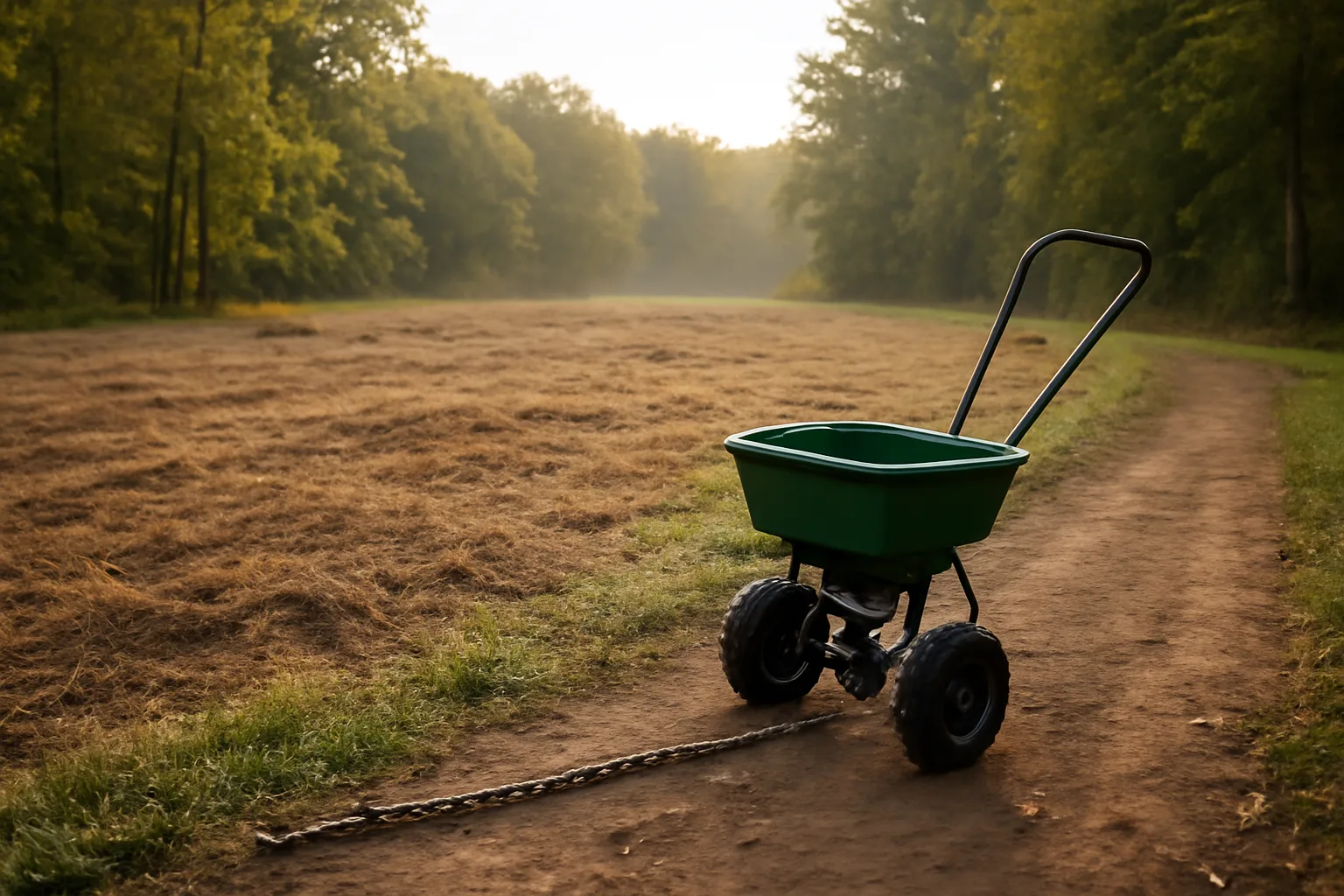
A no till food plot uses herbicide (or mowing/crimping) to kill existing vegetation, then broadcasts seed directly into the residue without disking. It works because it protects soil structure, cuts erosion, and needs way less equipment than conventional tillage. Spray, wait 7-14 days, broadcast seed, drag or cultipack for seed-to-soil contact, and time it to your species and USDA hardiness zone.
what is a food plot, and how is no till different
A food plot is a planted patch of forage or grain, usually somewhere between a quarter acre and a few acres, put in specifically to feed and hold deer or other wildlife on a property. It is not a garden and it is not a crop for sale. The goal is nutrition and attraction, and sometimes just giving deer a reason to walk past a stand at the right time of day. No till just means you are not turning the soil over with a disk, plow, or tiller before you plant. Instead, you kill or knock back whatever is growing (weeds, old grass, last year's plot residue) with herbicide, a heavy mower, or a roller-crimper, then drop seed right into that dead or dying mat and press it into contact with the soil. The appeal is simple. You skip a $3,000 to $15,000+ tractor and tillage implement investment, you protect topsoil from washing off a hillside plot, and you keep the soil biology (fungi, worms, microbes) mostly intact. USDA's Natural Resources Conservation Service lists reducing tillage intensity as one of the core soil health management principles because disturbance from tillage speeds organic matter breakdown and leaves soil exposed to erosion, especially on sloped or marginal ground [1]. Food plots sit on exactly that kind of marginal ground a lot of the time, so the logic holds up. The tradeoff is patience and precision. No till depends on good herbicide timing, decent seed-to-soil contact from something other than a disk, and often a bit more seed per acre to compensate for a rougher seedbed. If you want a broader look at species-specific plot builds, food plot whitetail covers the plant side in more depth.
what equipment do you actually need for a no till plot
| Bare minimum | Backpack sprayer, hand-crank spreader, chain-link drag or section of chain-link fence | $150-$400 | |
|---|---|---|---|
| ATV/UTV setup | 15-25 gallon boom sprayer, tow-behind broadcast spreader, cultipacker or drag harrow | $800-$2,500 | |
| No-till specific | Dedicated no-till drill (rented or owned), roller-crimper for cover crop termination | $3,000+ to rent per day, $8,000-$20,000+ to own | Most small-plot guys (under 5 acres total) never need a no-till drill. Broadcasting seed and dragging it in works fine for clover, brassicas, and cereal grains as long as you get contact and light coverage, not buried seed. A section of chain-link fence dragged behind a UTV, weighted with a few concrete blocks or old tires, does the job for under $100. A cultipacker helps a lot with small-seeded species like clover. Firming the seedbed after planting to improve seed-to-soil contact is a standard step recommended in university forage establishment guides, since loose, fluffy seedbeds dry out fast and hurt germination of small seed [2]. If you're outfitting a plot from scratch, deer food plot seed has more detail on matching seed size to your planting method. |
You need less than you think, but not nothing. At minimum: a sprayer (backpack, ATV-mount, or UTV-mount), a broadcast spreader, and something to drag over the seed afterward. Here is a realistic gear list by budget tier: | Tier | Core gear | Rough cost |
how do you kill existing vegetation without a tiller
Spray it, mow it, or crimp it. Herbicide is the most reliable and the most common no-till method. Glyphosate (the active ingredient in Roundup and generic equivalents) is the standard burn-down herbicide for no-till plots because it's non-selective and breaks down in soil relatively fast. EPA's interim registration review decision for glyphosate describes soil half-lives that vary widely by site conditions, generally in the range of days to a few months depending on soil type, moisture, and microbial activity [3]. Spray at labeled rates (commonly 1 to 3 quarts per acre of a 41% glyphosate concentrate product, but read your specific label) when weeds are actively growing, not stressed by drought or cold. Wait 7 to 14 days before planting to let it work. Spraying into a freeze or a drought slows uptake and wastes your money. If you're organic, chemical-averse, or on a lease where herbicide use is restricted, mowing low and letting residue dry, or using a roller-crimper on a cover crop at the right growth stage (usually early flowering for cereal rye), can suppress competition well enough to no-till drill into it. This is slower and less reliable than herbicide, and it works best paired with a thick cover crop specifically grown to be crimped, not random weeds. Check your state's rules before broadcasting anything near a plot that functions as bait or supplemental feed; several states regulate the line between a legitimate food plot and illegal baiting, and the definitions vary by state wildlife agency. Michigan's Natural Resources and Environmental Protection Act sets that state's specific baiting and feeding provisions for deer under MCL 324.40111a, and other states set their own separate lines, so your state fish and wildlife or DNR page is the authority here, not a national source.
when to plant food plots for deer
| Deep South (zones 8-9) | March-April | September-October | |
|---|---|---|---|
| Mid-South/transition (zones 6-7) | April-May | August-September | |
| North/Upper Midwest (zones 3-5) | May-June | late July-August | No-till doesn't change these windows much. It might push your planting date a week or two later than a tilled plot in the same spot, because you need time for the herbicide burn-down before you plant. Build that into your calendar. |
Timing depends on species and your USDA Plant Hardiness Zone, not a single national date. Broadly, food plots split into spring/summer plantings (warm-season annuals, soybeans, corn, sorghum) and late-summer/fall plantings (cool-season annuals and perennials like clover, brassicas, cereal grains). Spring plots typically go in after your last frost date, which ranges from early April in the Deep South to early-to-mid June in the northern tier and Canada border states, based on the USDA Plant Hardiness Zone Map maintained by the Agricultural Research Service. Fall plots for brassicas and cereal grains generally go in 60 to 90 days before your first fall frost, so the seed has time to establish before hard cold hits. Here's a rough national breakdown, but check your local extension office for your actual zone: | Region (USDA zones) | Spring/summer plot window | Fall plot window |
when to plant clover for deer, and do deer like clover
Yes, deer like clover a lot, and it's one of the most reliable perennial food plot plants available. White clover and red clover both show up constantly in deer diet studies as high-preference, high-protein forage, often in the 25-30% crude protein range when growing actively, which rivals or beats most other plot options. Plant clover in early spring (as soon as soil is workable, often March to April in the transition zone) or late summer/early fall (August to September), depending on your region. Spring plantings need weed pressure managed carefully since clover seedlings are outcompeted easily. Fall plantings often establish cleaner because summer annual weeds have already died back. For no-till clover specifically: spray your burn-down, wait the 7-14 days, then broadcast clover seed (frost-seeding into late winter freeze-thaw cycles is another option for established ground, no spraying needed) and cultipack or drag lightly. Clover seed is tiny, so don't bury it. A quarter-inch of soil coverage max, and a firm seedbed matters more than depth. A good clover stand can produce for 3 to 5 years with proper mowing and fertility maintenance, which makes it one of the better returns on a no-till planting effort since you're not re-terminating and re-seeding every year like you would with annuals.
when to plant oats for deer
Plant oats in late summer to early fall, typically 6 to 8 weeks before your first expected frost, so they're in the ground from mid-August in northern zones through September in the transition zone and into early October in the Deep South. Oats are a cool-season annual cereal grain that deer hit hard right after planting through the first hard frosts, and again in early spring if any survives winter (it usually winterkills in colder zones, since oats have less cold tolerance than cereal rye or winter wheat, a pattern noted across land-grant cool-season forage guides [2]). They germinate fast, often in 5 to 10 days with adequate moisture, which makes them a good no-till option because they outcompete weeds quickly once established. For no-till oats, the process is straightforward: burn down existing vegetation, broadcast oats at 100-120 lbs per acre (higher than drilled rates since broadcast seed has lower establishment success), and drag or cultipack. Oats are more forgiving of a rough seedbed than clover because the seed is larger and more tolerant of variable planting depth.
when to plant turnips for deer, and do deer eat turnips readily
Plant turnips in late summer, generally 70 to 90 days before your first fall frost, since turnips need that runway to bulb out before deer start hammering the tops and roots. Most of the country lands somewhere between late July (northern zones) and early September (transition and southern zones) for turnip planting. Deer typically ignore turnip bulbs early in the season and hit the leafy tops first. Interest in the bulbs picks up after a hard frost converts starches to sugars, making them sweeter and more palatable, a pattern documented in brassica food plot guidance from university extension wildlife programs, including the University of Georgia's brassica publication for food plots [4]. For no-till turnips, seed rate runs 4-6 lbs per acre broadcast (lower than you'd think, since turnip seed is small and germination rates are high). Burn down first, broadcast, and roll or cultipack. Don't drag deep, turnip seed needs to sit near the surface. Turnips pair well in a blend with oats or cereal rye in a no-till mix, since the grain component gives you tonnage early and the brassica component gives you late-season draw after frost.
what do deer actually prefer to eat, and do sorghum, honey, or other odd feeds fit in
Deer are opportunistic browsers, and their actual diet shifts constantly with season and availability, not a fixed favorite food list. That said, extension and state wildlife research consistently ranks a few categories high: soft mast (acorns, apples), legumes (clover, soybeans), and tender new growth on browse species. Acorns can make up a large share of fall deer diet in oak-heavy habitat during good mast years, a pattern the Pennsylvania Game Commission tracks as part of its annual mast survey and deer management reporting [5]. Do deer eat sorghum? Yes, deer will eat grain sorghum (milo), both the seed heads and the young plants, though it's usually a secondary choice behind corn or soybeans where those are available. Sorghum's real value in a no-till plot is as a screening and structure crop, and as summer/fall cover that also gets browsed, not as a preferred standalone attractant. It's more drought-tolerant than corn, so it shows up more in the southern Plains and drier regions. Do deer like honey? Not in any meaningful food plot sense. Deer aren't drawn to honey as a forage source, and using honey or sugar-based attractants crosses into supplemental feeding or baiting territory in a lot of states, which is regulated or banned outright depending on where you hunt. This isn't a food plot question so much as a legal one, and it's worth checking your state wildlife agency's baiting definitions before using any sugar or scent-based attractant near a stand.
step by step: how do you actually put in a no-till plot from scratch
Here's the sequence that works whether you're doing a half-acre bow plot or a 3-acre field. 1. Soil test first. Pull samples 4-6 inches deep from multiple spots in the plot, mix them, and send them to your state extension soil lab or a private ag lab. This costs $10-$20 typically and tells you your pH and nutrient needs. Your lab's recommendation is the authority on lime and fertilizer rates for your specific dirt, not a generic online chart. 2. Apply lime if needed, ideally months ahead since lime takes time to move pH, but even a late application helps over multiple seasons. 3. Spray your burn-down herbicide when weeds are actively growing. Wait the label-specified interval, usually 7-14 days. 4. Broadcast your seed at the recommended rate for your species (broadcast rates run 30-50% higher than drilled rates to compensate for lower establishment). 5. Apply your fertilizer per the soil test recommendation, either before or right after seeding depending on the product. 6. Drag, cultipack, or roll to get seed-to-soil contact. This step gets skipped constantly and it's probably the single biggest cause of thin no-till stands. 7. Walk away and let rain do the rest. Resist the urge to keep dragging or fiddling with it. If you want a plan built around your specific soil test results and property size rather than a generic checklist, that's exactly the kind of thing a Custom Food Plot Plan is for, a one-time $99 build that turns your soil numbers and acreage into an actual planting plan instead of a guess.
no till vs conventional till: which actually gets you a better plot
| Equipment cost | $3,000-$15,000+ | $150-$2,500 typical | |
|---|---|---|---|
| Erosion risk | Higher, especially on slopes | Lower | |
| Time to plant after start | Faster once tilled | Slower (herbicide wait period) | |
| Seed rate needed | Standard drilled/broadcast rate | Often 20-50% higher for broadcast | |
| Best for | Flat ground, heavy sod, first-year clearing | Sloped ground, small plots, low equipment budget | A lot of experienced plotters end up doing a hybrid: till once to break new ground the first year, then go no-till for maintenance and re-seeding in following seasons. That's probably the most practical path for most leased or newly acquired ground. |
Neither wins outright. It depends on your soil, your slope, your budget, and how much time you have before season. Conventional tillage buries competing vegetation completely and creates a clean, loose seedbed, which can mean faster and more even germination in the first year, especially on compacted or heavily grassed ground. But it costs more upfront (tractor, disk, cultipacker), it exposes soil to erosion on any real slope, and it burns through organic matter and soil moisture faster, particularly in dry regions, a pattern well documented in USDA-NRCS soil health guidance on tillage and residue management [1]. No-till costs less in equipment, protects soil structure, and works better on hillsides or erosion-prone ground. It takes more patience (that herbicide waiting period), a bit more seed to compensate for a rougher seedbed, and it depends more heavily on getting the burn-down timing right. | Factor | Conventional till | No-till |
common mistakes that ruin a no-till plot
Spraying too early or too late is the number one killer. Herbicide needs actively growing weeds to translocate into the root system. Spray dormant, drought-stressed, or frosted weeds and you'll get a partial kill at best, then compete against surviving weeds all season. Skipping seed-to-soil contact is second. Broadcasting seed onto thatch or dead residue without dragging or rolling means a lot of that seed sits on top, dries out, and never germinates. This is the step people cut to save 20 minutes and it costs them the whole planting. Planting too deep is a mistake carried over from conventional-till habits. Clover and brassica seed should barely be covered, a quarter inch at most. Bury it with a heavy drag and it won't come up. Ignoring the soil test is the quiet killer. A lot of marginal food plot ground sits at pH 5.0-5.5 naturally, and most food plot species want something closer to 6.0-7.0 for good nutrient uptake, a target range consistent with land-grant extension forage establishment recommendations [2]. No amount of seed or fertilizer fixes a pH problem. Lime does, and only lime does, and it takes months to fully react in the soil. Underestimating seed rate for broadcast application rounds out the list. If a bag says 10 lbs/acre drilled, broadcasting the same rate leaves gaps. Bump it 30-50% for broadcast-and-drag establishment. For more on picking the right seed and blend for your plot goals, deer food plots and food plot seed both go deeper on species selection.
Frequently asked questions
Do deer eat sorghum?
Yes, deer eat grain sorghum (milo) heads and young plants, but it's usually a secondary food source behind corn or soybeans where those are available. Sorghum works best in a no-till plot as a drought-tolerant screening and cover crop that also gets browsed, especially in drier southern and Plains regions.
Do deer like clover?
Yes, clover is one of deer's most consistently preferred food plot plants. White and red clover run 25-30% crude protein during active growth, and clover shows up as a high-preference forage across most state and university deer diet studies, making it a strong no-till perennial choice.
When should I plant food plots for deer?
Spring/summer annuals go in after your last frost date (April in the South, May-June in the North). Fall annuals and perennials like clover and brassicas go in 60-90 days before your first fall frost, generally August-September depending on your region and USDA hardiness zone.
When should I plant oats for deer?
Plant oats 6-8 weeks before your first fall frost, typically mid-August in the North through late September in the transition zone and into early October in southern regions. Oats germinate fast (5-10 days) and give quick fall attraction and cover.
When should I plant turnips for deer?
Plant turnips 70-90 days before your first fall frost, generally late July in northern zones to early September further south. Deer usually ignore the bulbs until after a hard frost sweetens them, then hit them hard through late season.
What is a food plot?
A food plot is a planted area, usually a quarter acre to a few acres, put in specifically to feed and attract deer or other wildlife on hunted or managed land. It's a wildlife management tool, not a commercial crop, and can use annuals, perennials, or blends depending on the goal.
What is a deer's favorite food?
There's no single favorite; deer diet shifts by season and availability. Soft mast like acorns can make up a large share of fall diet in oak-heavy habitat during good mast years, and legumes like clover and soybeans rank consistently high whenever they're available.
Do deer like honey?
No, honey isn't a meaningful deer food or food plot ingredient. Deer aren't drawn to it as forage, and sugar-based attractants can cross into baiting territory depending on your state's regulations, so it's a legal question more than a nutrition one.
What's the difference between no-till and conventional tillage for a food plot?
No-till kills existing vegetation with herbicide, mowing, or crimping, then seeds directly into the residue without turning the soil. Conventional tillage disks or plows the ground first. No-till protects soil structure and costs less in equipment; tillage often gives faster, more even first-year germination on heavy sod.
How long after spraying herbicide can I plant a no-till plot?
Typically 7 to 14 days after a glyphosate burn-down, depending on the product label, weed size, and weather. Spraying into actively growing weeds in warm conditions works fastest; cold or drought-stressed weeds take longer to die and delay your planting window.
Do I need a no-till drill for a small food plot?
Usually not. For plots under 5 acres, broadcasting seed and dragging it in with a chain-link harrow or cultipacker works fine for clover, brassicas, and cereal grains. Drills help most on larger acreage or with seed that needs precise depth control.
Can I no-till plant into a plot that's never been tilled before?
Yes, that's actually the classic no-till use case: killing sod or weeds with herbicide and seeding directly into dead residue without ever breaking ground. It works well on ground you don't want to erode, though a first-year till pass can help on heavy, compacted sod.
Sources
- USDA Natural Resources Conservation Service, Soil Health Principles and Management: Tillage accelerates soil organic matter loss and erosion, which no-till and reduced-till practices are designed to reduce
- University of Wisconsin-Madison Extension, Small Grain Forages: Oats, Winter Rye, and Winter Wheat (Undersander and Cosgrove): Firming the seedbed with a cultipacker after planting improves germination for small-seeded forages, and general forage pH targets around 6.0-7.0
- US EPA, Glyphosate Interim Registration Review Decision, Case Number 0178 (2020): Glyphosate breaks down in soil over a period ranging from days to a few months depending on conditions
- University of Georgia Extension, Brassicas for Deer Food Plots (Bulletin 1523): Deer preference for brassica bulbs increases after a hard frost converts starches to sugars
- Pennsylvania Game Commission, Annual Mast Survey Report: Acorns can make up a significant share of fall deer diet in oak-heavy habitat during strong mast years