Last updated 2026-07-25
TL;DR
Walmart carries a limited but real selection of food plot seed, mostly clover, chicory, and brassica blends from brands like Whitetail Institute and Mossy Oak BioLogic, usually in the garden section during late summer. Quality is fine for small plots, but selection is thin compared to farm stores or online, and you won't find soil-specific guidance on the shelf.
Does Walmart actually sell food plot seed?
Yes, but it's seasonal and store-dependent. Walmart stocks food plot seed bags in the lawn and garden section, usually starting in July or August as hunters gear up for fall planting. You'll typically find small bags (4 to 25 pounds) from brands like Whitetail Institute, Mossy Oak BioLogic, and sometimes store-brand or regional blends. The selection varies a lot by region and even by individual store. A Walmart in Wisconsin deer country might carry six different blends. A Walmart in a suburban market might carry none, or just a generic "wildlife mix" that's really more of a bird-and-small-game blend than a serious deer plot seed. If you're planning more than an acre or two, don't count on Walmart having enough bags in stock. Big box stores order to a planogram built for casual buyers, not guys planting 5-acre fields. Call ahead or check the Walmart app's in-store inventory feature before you drive out expecting a truckload.
What is a food plot, exactly?
A food plot is a planted area, usually somewhere between a quarter acre and several acres, seeded with forage that deer and other wildlife will eat. Landowners and hunters plant them to concentrate deer activity, improve nutrition, and create predictable spots to hunt or observe animals. Food plots generally fall into two categories: annual plots (planted fresh each year, things like brassicas, oats, or soybeans) and perennial plots (clover or chicory stands that can produce for 3 to 5 years with the right maintenance). Most state wildlife agencies and land-grant universities treat food plots as a habitat management tool, not a magic bullet. The Mississippi State University Extension describes food plots as one part of a broader habitat plan that should also include natural forage, cover, and water [1]. A plot isn't the same thing as baiting. Baiting means dumping loose feed, corn piles, mineral licks, in a spot to draw deer in directly. Food plots are planted and grown in the ground like any other crop. That distinction matters a lot legally, since many states regulate or ban baiting for hunting purposes but allow food plots without restriction. Rules differ by state, so check your state wildlife agency's regulations before you assume a plot or a mineral site is legal where you hunt.
When should you plant food plots for deer?
| Zone 3-4 (Upper Midwest, Northern New England) | Late July to mid-August | Mid-May to early June | |
|---|---|---|---|
| Zone 5-6 (Mid-Atlantic, Midwest, Central Plains) | Mid-August to mid-September | Late April to late May | |
| Zone 7-8 (Southeast, Lower Midwest) | Early September to early October | Late March to late April | These are general starting points, not guarantees. Your local extension office or state wildlife agency almost always publishes a more specific planting calendar for your county. If you want a plan built around your zone and your soil test instead of a generic chart, that's exactly the kind of thing a deer food plot seed selection guide or a soil-specific plan can help sort out. |
Timing depends on your planting zone and what you're growing, not a single date on the calendar. Broadly, food plot planting falls into two windows: spring plots (May through June in most of the whitetail's range) for warm-season annuals and summer forage, and fall plots (mid-August through September, sometimes into early October in the South) for cool-season annuals like brassicas, cereal grains, and clover. Soil temperature matters more than the date on a bag. Clover and brassica seed germinate best when soil temps are in the 55 to 75 degree F range with reliable moisture in the forecast. Extension agronomists generally recommend planting fall brassica blends 60 to 90 days before your first hard frost, since turnips and radishes need that runway to bulb out before cold weather locks them in place. A rough framework, adjusted for your USDA Plant Hardiness Zone: | Zone | Fall plot window | Spring plot window |
When should you plant oats for deer?
Plant oats in late summer to early fall, roughly 6 to 8 weeks before your area's first frost, so they have time to establish before cold weather slows growth. Oats are a cool-season annual grain that deer hit hard in fall and early winter, especially after a light frost sweetens the plant's sugars. In much of the whitetail's range, that means a planting window from mid-August in the North down to late September or even October in the Deep South. Oats germinate fast, often within 7 to 10 days given decent soil moisture, which makes them a good option if you're planting later than you'd like for slower-establishing species like clover. Oats don't handle deep cold as well as winter wheat or cereal rye. If your goal is late-winter forage in a northern climate, pair oats with a hardier grain or accept that oats will get grazed hard and mostly disappear by January. Extension guidance from the University of Tennessee notes that oats are best suited as an early-fall to early-winter forage rather than a season-long food source [2].
When should you plant turnips for deer?
Turnips go in the ground in late summer, typically 80 to 90 days before your first expected frost. That timing lets the plant grow leafy tops through early fall (which deer eat right away) and bulb out the root by the time cold weather hits, which is when deer switch to eating the bulbs themselves. The key mistake hunters make is planting turnips too late. If you seed in October hoping for a fast fall plot, you'll get thin, half-formed bulbs and disappointed deer. Turnips need real time to size up. Purdue Extension recommends planting brassicas like turnips by early September in the Midwest to get a full-sized crop before winter [3]. Soil pH matters here too. Brassicas want a pH close to 6.0 to 6.5. If your soil test comes back at 5.5 or lower, lime application well ahead of planting (ideally months, since lime takes time to move through soil) makes a bigger difference to your turnip yield than any seed brand choice. Your soil test lab's recommendation is the real authority on how much lime and fertilizer to apply, not a general rule of thumb.
Do deer eat sorghum?
Yes, deer will eat sorghum, particularly the grain heads once they mature and the plant dries down some. Sorghum is more commonly used as a summer annual for whole-field plots or as cover and a food source combined, since it grows tall and thick. That said, sorghum isn't usually anyone's first choice for a dedicated deer plot. It's more of a dual-purpose crop, used in wildlife plantings partly for the grain and partly because standing sorghum provides screening cover for plot access or bedding edges. If your main goal is maximum deer attraction, clover, brassicas, and soybeans generally test out as more preferred forage in browse studies than grain sorghum. Deer will hit sorghum harder after a frost, similar to how oats sweeten up after cold, and turkeys and other wildlife use the grain heads too. If you're planting sorghum, expect it to function more as a habitat and screening plant with food value as a bonus, not as your main deer attraction plot.
Do deer like clover, and is it their favorite food?
Deer like clover a lot, and it's one of the most consistently preferred food plot forages across studies and field observation. Clover offers high protein content, typically 25 to 30 percent crude protein in good stands, and it regrows quickly after grazing, which is exactly what makes it valuable for a plot that gets hit hard all season. Whitetail Institute and most university extension guides list clover among the top perennial choices for whitetail plots because of that combination of palatability, protein, and regrowth. It's also relatively low-cost per acre over its lifespan since a good clover stand can produce for 3 to 5 years before it needs to be replanted, versus reseeding an annual plot every year. As for "favorite food" broadly, deer don't have one single favorite; preference shifts by season, region, and what's available. In general, though, clover, soybeans, and acorns rank consistently high in browse preference research, while agricultural crops like corn and standing soybeans draw heavy use where available. A University of Georgia study on deer forage preference found clover and soybeans among the most heavily selected plantings compared to native browse in managed plot settings [4]. Chicory ranks close behind clover for drought tolerance and protein content, which is why the two are often blended together in perennial plot mixes. If you're deciding between species for a mixed perennial plot, a breakdown like food plot seed selection guides can help you weigh clover against chicory, alfalfa, and other options for your specific soil and climate.
Do deer like honey?
There's no real evidence deer seek out honey, and it's not something used in legitimate food plot or attractant products. Deer are herbivores built to digest plant material through a four-chambered rumen; honey is a concentrated sugar source that doesn't fit their normal diet or foraging behavior in the wild. Some commercial deer attractant sprays use sweet scents, including things marketed as "honey" or "molasses" scented products, but those are attractant gimmicks, not proven forage. There's no peer-reviewed research showing deer preferentially seek out honey the way they do salt, minerals, or high-protein forage like clover and soybeans. If you're trying to draw deer to a spot, actual planted forage or a mineral site (where legal) has real research behind it. Honey-based products are mostly marketing, and in a lot of states, using any food-based bait or attractant near a treestand or blind runs into legal restrictions, so check your state wildlife agency's baiting regulations before using any scent or feed product.
What's actually worth buying at Walmart versus a farm store or online?
| Bag sizes available | Small, usually 4-25 lb | Full range, up to 50 lb bags or bulk | |
|---|---|---|---|
| Selection depth | Limited, seasonal | Wide, year-round | |
| Species-specific blends | Some (clover, brassica mix) | Full range: soybeans, sorghum, cereal grains, custom mixes | |
| Staff plot knowledge | Minimal to none | Often knowledgeable at farm co-ops | |
| Price per pound | Comparable to slightly higher on small bags | Often cheaper per pound at scale | |
| Availability timing | Only in-season, store-dependent | Year-round ordering | The seed itself, from name brands like Whitetail Institute or BioLogic, is the same seed whether you buy it at Walmart or a farm store. You're not getting inferior product off the shelf. You're just limited on selection, bag size, and expert advice at checkout. A farm co-op employee who's planted plots themselves is worth a lot more than a stocking clerk restocking the garden aisle. For readers comparing bagged blends against building their own mix, a resource like food plot whitetail planning guides walks through matching species to your specific acreage and goals rather than grabbing whatever's on the shelf. |
Walmart is fine for small, casual plots, a garden bed for a backyard buck, a half-acre kill plot, or a first-time planting to see what works. For anything bigger, or if you want a specific blend matched to your soil, you'll usually do better at a farm co-op, a dedicated seed retailer, or ordering direct online. Here's the honest tradeoff: | Factor | Walmart | Farm store / online seed retailer |
What should you check before buying any bag of food plot seed?
Read the tag on the bag before you buy anything, whether it's from Walmart, a farm store, or online. Every legitimate seed bag sold in the US has to carry a seed label disclosing germination rate, purity percentage, weed seed content, and the crop year it was tested. This is required under the Federal Seed Act, enforced by USDA's Agricultural Marketing Service, which requires that seed shipped in interstate commerce be labeled with the name and percentage by weight of each kind of seed present, along with germination and purity data [5]. A germination rate below 85 percent on clover or brassica seed is a red flag, especially if the bag has been sitting on a shelf through a hot summer, which happens more at big box stores than at seed dealers who move inventory faster. Check the "tested" date on the tag; seed loses germination potential over time in storage, particularly in heat. Also check whether the bag is a straight species (pure clover, pure oats) or a blend. Blends aren't bad, but you want to know the percentage breakdown so you're not paying clover prices for a bag that's 60 percent annual ryegrass filler. "Wildlife mix" and "deer mix" bags at big box stores sometimes lean heavy on cheap filler grasses. Read the tag, more than the marketing on the front of the bag.
How do you know what to actually plant on your land?
Start with a soil test, not a seed choice. Your county extension office or a private ag lab can run a soil test for somewhere around $10 to $20 that tells you your pH, phosphorus, potassium, and organic matter, which determines what will actually grow well before you spend a dime on seed. Pennsylvania State University Extension notes that soil testing is the foundation of any food plot program, since "lime and fertilizer recommendations are based on the specific needs of your soil and the crop you intend to grow". Skipping this step is the single most common reason food plots fail, not seed quality or brand choice. Once you know your pH and nutrient levels, species selection gets a lot easier. Acidic soil under 6.0 pH will struggle with clover and brassicas until you lime it. Sandy, well-drained soil handles brassicas and cereal grains well but dries out fast for clover in a drought year. Heavy clay holds moisture better but can be tough to work with standard equipment. If you want help turning a soil test into an actual planting plan matched to your zone, species goals, and equipment on hand, that's the specific gap a $99 one-time Custom Food Plot Plan is built to fill. It's general planning guidance based on what you report, not a substitute for your soil lab's specific lime and fertilizer recommendation, but it saves you the guesswork of matching species to your dirt and your calendar. For a broader look at how species selection interacts with your whole property, deer food plots planning guides cover the bigger picture beyond just what's on the shelf at Walmart.
Frequently asked questions
Does Walmart sell real food plot seed or just bird seed mixes?
Both, depending on the store. Many Walmart locations carry legitimate food plot brands like Whitetail Institute and Mossy Oak BioLogic in the garden section during late summer, alongside generic wildlife mixes that lean more toward bird and small-game blends. Read the bag's label and species list before assuming it's a deer-specific product.
Do deer eat sorghum in food plots?
Yes, deer eat sorghum, especially the grain heads after a frost. It's more commonly planted as a dual-purpose crop for food and screening cover rather than a top-choice attractant, since clover, brassicas, and soybeans generally test as more preferred forage in browse studies.
Do deer like clover better than other food plot plants?
Clover ranks among the most preferred food plot forages in university and industry research, largely because of its 25 to 30 percent crude protein content and fast regrowth after grazing. It's not the only thing deer eat well, but it's a safe, well-supported first choice for most perennial plots.
When is the best time to plant food plots for deer?
It depends on your zone and species. Cool-season fall plots (brassicas, clover, oats) generally go in mid-August through September in most of the whitetail range, 60 to 90 days before frost. Spring/summer plots go in April through June. Check your state extension's local planting calendar for exact dates.
When should you plant oats for deer food plots?
Plant oats 6 to 8 weeks before your area's first frost, generally mid-August in northern zones down to September or October farther south. Oats germinate quickly, often in 7 to 10 days, making them a solid choice if you're planting later than ideal for slower species like clover.
When should you plant turnips for deer?
Plant turnips 80 to 90 days before your first expected frost, typically late summer. That gives the plant time to grow leafy tops deer eat early and bulb out roots deer favor after a frost. Planting too late results in undersized bulbs and a disappointing plot.
What exactly is a food plot?
A food plot is a planted patch of forage, ranging from a quarter acre to several acres, seeded specifically to feed and attract deer or other wildlife. Plots are either annual (replanted yearly) or perennial (lasting 3 to 5 years), and they're a planted crop, legally distinct from baiting with loose feed.
What is a deer's favorite food overall?
Deer don't have one single favorite; preference shifts by season and region. Research consistently shows clover, soybeans, and acorns rank high in browse preference, with agricultural crops like corn and standing soybeans drawing heavy use where available. Chicory and brassicas follow close behind depending on season.
Do deer actually like honey or honey-scented products?
There's no solid evidence deer seek out honey. It's not part of a whitetail's natural forage, and honey-scented attractant sprays are largely marketing rather than proven science. Plant forage like clover or check legal mineral options if you want a research-backed way to draw deer to a location.
Is Walmart food plot seed the same quality as farm store seed?
Often it's the identical product from the same name brands, just in smaller bag sizes and thinner selection. The seed quality itself isn't inferior; you're mainly trading selection depth, bulk pricing, and knowledgeable staff advice for the convenience of a big box store.
How big should a food plot be for deer?
There's no single right size; small kill plots run a quarter acre to half an acre for bow hunting close range, while larger destination or nutrition plots run 1 to 5 acres or more. Size depends on your land, equipment, and whether the goal is hunting access or herd nutrition.
Can you just spread food plot seed by hand at Walmart-bought bags?
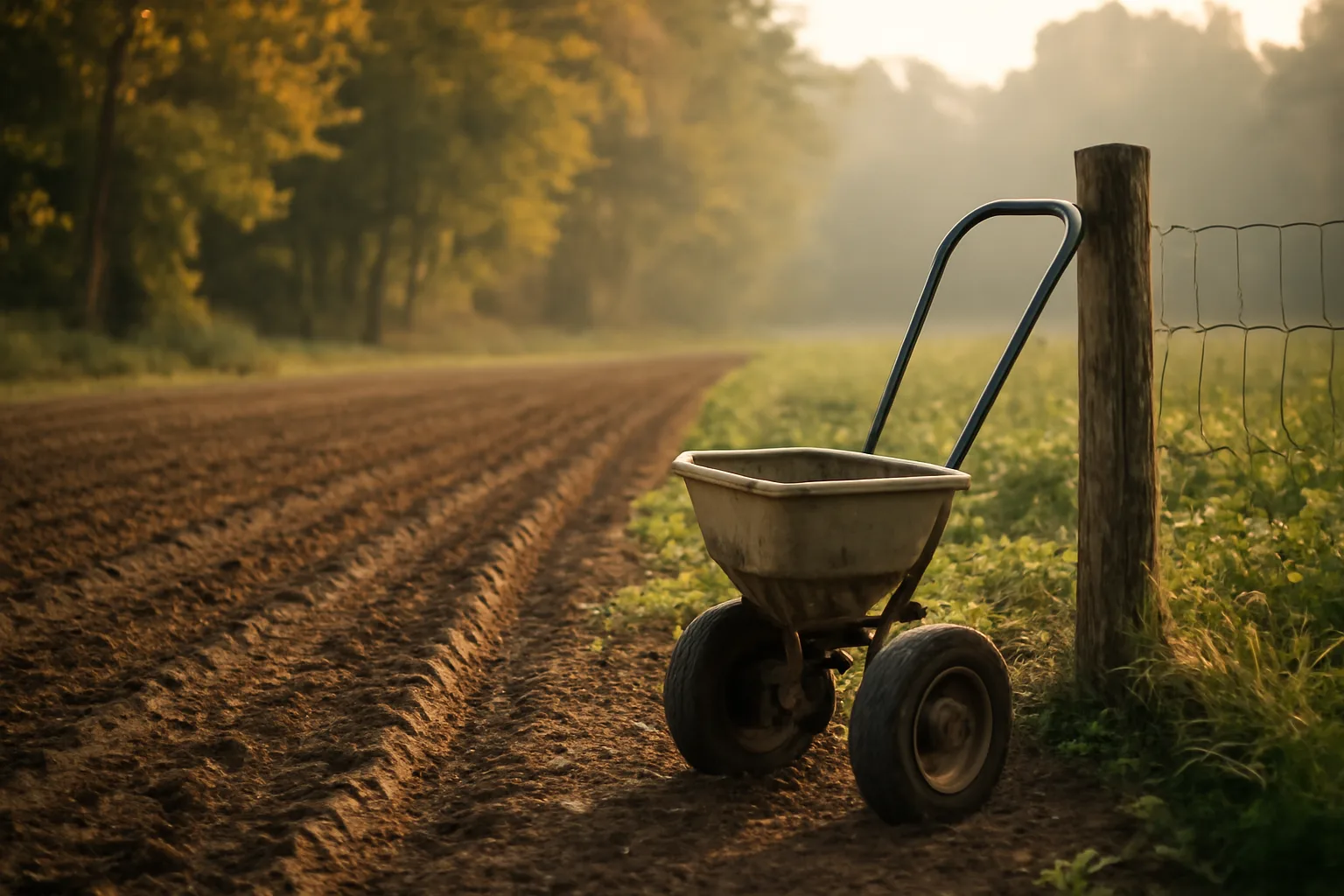
You can broadcast seed by hand for small plots, but seed-to-soil contact matters more than spreading method. Rake or drag the area lightly after broadcasting, and follow the bag's seeding depth guidance, since most clover and brassica seed only needs light soil coverage or none at all.
Sources
- Mississippi State University Extension, food plot management publication: Food plots are one part of a broader habitat management plan alongside natural forage, cover, and water
- University of Tennessee Extension, forage and wildlife food plot guidance: Oats are best suited as an early-fall to early-winter forage rather than a season-long food source
- Purdue University Extension, brassica food plot planting guidance: Brassicas like turnips should be planted by early September in the Midwest to reach full size before winter
- University of Georgia, deer forage selection and food plot research: Clover and soybeans are among the most heavily selected plantings by deer compared to native browse
- USDA Agricultural Marketing Service, Federal Seed Act labeling requirements: Seed shipped in interstate commerce must be labeled with kind, percentage, germination, and purity information