Last updated 2026-07-25
TL;DR
Deer food plot blends mix legumes (clover, soybeans), brassicas (turnips, radish), and grains (oats, sorghum, cereal rye) to cover both fall attraction and season-long nutrition. Clover is the most consistent perennial choice nationwide. Planting timing depends on zone: spring for warm-season blends, roughly 60-90 days before first frost for fall brassicas and grains, per land-grant extension guidance.
What is a food plot, exactly?
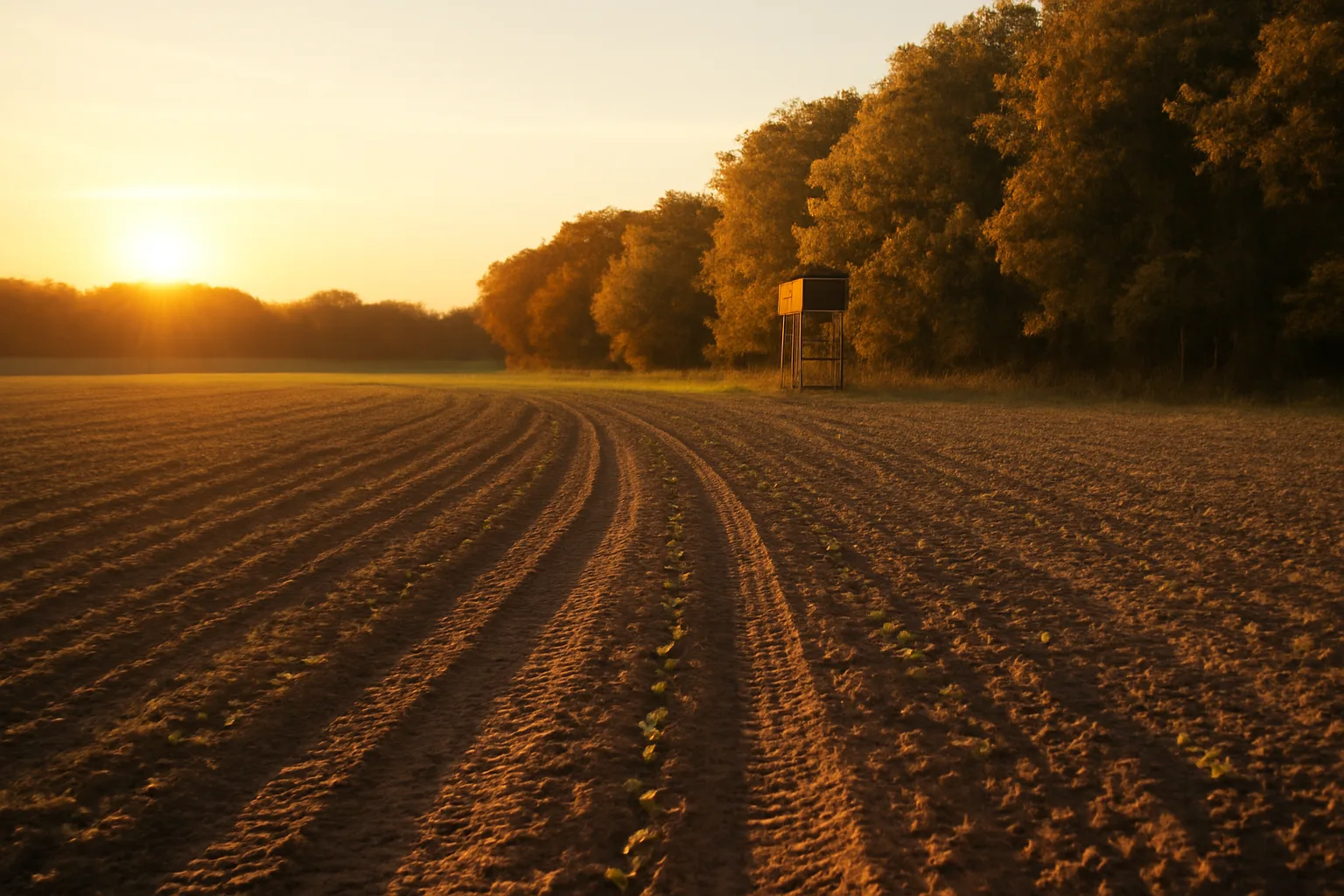
A food plot is a planted patch of forage on hunting ground, sized anywhere from a quarter-acre kill plot tucked into timber to a 5-10 acre field, meant to feed deer and other wildlife and to concentrate deer activity where a hunter can watch or hunt it. It is farming, just farming for a different customer. Most state wildlife agencies and land-grant universities treat food plots as a wildlife habitat management practice, not a farming operation for profit, and extension programs like Mississippi State University's deer program and Penn State Extension publish plot-specific seeding guides rather than row-crop guides, because the goals differ: you're optimizing for tonnage of attractive, digestible forage at the right calendar moments, not maximum bushels per acre. A "blend" specifically means multiple species planted together in the same plot, usually mixing a legume for protein, a brassica for tonnage and cold-season sugar content, and sometimes a cereal grain for early germination and structure. Single-species plots (straight clover, straight beans) work fine too; blends just hedge against one species failing and stretch attraction across more of the year. If you want a plot custom-built around your specific soil test, region, and hunting goals rather than a one-size-fits-all bag, that's the exact gap a Custom Food Plot Plan is built to fill. But you can build a very solid plot without paying anyone, using the guidance below.
When to plant food plots for deer (by season and zone)
| 3-4 (Upper Midwest, northern New England) | Mid-May to early June | Late July to mid-August | |
|---|---|---|---|
| 5-6 (Mid-Atlantic, Ohio Valley, southern Midwest) | Late April to late May | Mid-August to mid-September | |
| 7-8 (Deep South, southern Plains, mid-Atlantic coast) | March to April | Late September to late October | |
| 9 (Gulf Coast, peninsular Florida) | February to March | November into December | These are starting points, not gospel. A late frost or a drought year shifts everything by two or three weeks in either direction, so watch your local extension frost-date tables rather than a generic calendar [1]. |
There is no single planting date for the whole country. Your frost dates and growing zone drive everything, and the single most useful number to know is your area's average first fall frost date and average last spring frost date, both published county-by-county by NOAA and used by extension services to build planting calendars [1]. As a rule of thumb pulled from multiple land-grant extension planting guides: warm-season blends (soybeans, cowpeas, sorghum-based mixes, warm-season clover establishment) go in after your last spring frost, typically April through early June depending on latitude. Cool-season fall blends (brassicas, cereal grains, annual clovers) go in 60 to 90 days before your average first fall frost, so the plants have time to establish a root system and leaf canopy before killing cold arrives [2]. Here's a rough zone breakdown many extension programs and seed companies use, keyed to USDA Plant Hardiness Zones: | Zone | Spring planting window | Fall planting window |
When to plant oats for deer
Oats are a fall staple because they germinate fast, tolerate cool soil, and put out a lot of leafy tonnage in a short window, which is exactly what you want for October and November attraction. Plant oats 45 to 60 days before your first expected fall frost so they have time to reach a decent leaf stage before growth slows [2]. In Zone 6 (much of the Mid-Atlantic and Ohio Valley), that generally means late August through mid-September. In Zone 8 (Deep South), you can push into October. Oats will winterkill in hard freezes in the upper Midwest and northern tier states, which is actually fine if your goal is late-fall attraction rather than a green plot through January; if you want it to survive winter, pair oats with cereal rye, which tolerates far colder soil and often greens back up in late winter. Oats alone are a decent, cheap fall attractant, but they're rarely the whole plan. Mixing oats with a brassica like forage rape or turnips gives you fast early cover from the oats and a slower, sugar-loading tuber crop that peaks after frost.
When to plant turnips for deer
Turnips need roughly 80 to 90 days from planting to reach a mature bulb with peak sugar content, and that sugar spike happens after a hard frost converts starches to sugars, which is why deer often ignore turnip plots in October and then hammer them in December. Plant turnips 90 to 100 days before your average first fall frost to hit that window correctly. For most of Zone 6, that lands in late July to mid-August. Wait too long and you get small bulbs and thin leaf mass going into winter; plant too early in hot, dry August soil and you risk poor germination or flea beetle damage before fall rains arrive. Turnips are shallow feeders early and heavy feeders late, so a soil test matters more here than in almost any other blend, since brassicas respond hard to available boron and sulfur in addition to standard N-P-K. Your soil test lab's recommendation is the real authority on lime and fertilizer rates for your specific field; a blend guide can tell you what species to plant, not exactly how many pounds of potash your particular dirt needs.
Do deer eat clover, and do deer actually like it?
Yes, and it's not close. Clover, particularly white clover varieties like Durana and Ladino, is one of the most consistently preferred and most nutritious forages you can plant for whitetails, showing crude protein levels commonly in the 25-30% range during active growth, according to forage quality data compiled by university extension forage programs [3]. Clover's real advantage is duration, not peak preference. A well-maintained perennial clover plot feeds deer from spring green-up through summer lactation and antler growth, and again in fall, for three to five years off one planting if you mow it a few times a year and keep weed pressure down. Annual blends like brassicas and cereal grains only feed deer hard for a few months each year. The tradeoff is establishment patience and shade tolerance. Clover needs decent sun (most varieties want at least 4-6 hours) and a soil pH extension agronomists generally target around 6.0 to 6.5 for good nodulation and nitrogen fixation, so if your soil test comes back at 5.2, you need lime worked in months before you expect a good stand, not the week you plant [3]. That lag is the single biggest reason clover plots fail: hunters plant on schedule but the pH correction never happened. If you're deciding between food plot whitetail options for a plot that has to do double duty, spring nutrition and fall hunting attraction, clover is usually the highest-value single species you can plant, especially in a perennial plot you're not willing to till and replant every year.
Do deer eat sorghum?
Yes, deer will eat grain sorghum (milo) and forage sorghum, both the seed heads and, to a lesser extent, the leafy growth, though it is not typically a first-choice forage the way clover or soybeans are. Sorghum's real value in a food plot blend is structure and drought tolerance, not top-tier palatability. Forage sorghum and sorghum-sudangrass hybrids are used heavily in summer blends specifically because they tolerate heat and low rainfall far better than soybeans or cowpeas, and they throw up tall stalks that provide screening cover around a plot edge, which matters as much for hunting logistics as for nutrition. Grain sorghum heads also hold seed into fall and winter, giving you a slower-release energy source after your brassicas and beans have been hammered down. One caution worth knowing: sorghum and sudangrass can produce prussic acid (cyanogenic compounds) in young, stressed, or frost-damaged growth, a known livestock and wildlife forage risk documented by university agronomy extension programs, so avoid grazing pressure on very young stands or right after a frost hits standing sorghum [4]. It is a manageable risk in an established plot, not a reason to avoid the species, but it's worth knowing before you plant it as a sole species in a small plot.
What are deer's favorite foods, really?
Deer preference shifts by season, region, and what's locally available, so there's no single "favorite" food, but wildlife research and extension forage trials consistently rank a handful of plants near the top: white clover, soybeans (both forage and grain stage), and, where native, acorns from white oak species, which deer strongly prefer over red oak acorns because of lower tannin content [5]. In cultivated food plot settings specifically, soybeans planted at high seeding rates for forage tonnage, and perennial clover, are the two most reliably preferred plantings across most of the whitetail's range, according to forage preference studies referenced by extension deer management programs [5]. Brassicas rank lower in summer preference but climb sharply after frost sweetens the leaves and bulbs. It's worth being honest about the limits of "favorite food" lists: most of the underlying preference data comes from a handful of regional studies (heavily represented by work out of the Southeast and Midwest), and local deer behavior can differ based on what they grew up eating and what else is available on the landscape that year. A plot that gets hammered on one farm can sit untouched a county over if there's a bumper acorn crop or a neighboring bean field.
Do deer like honey (and does it belong in a food plot)?
Deer are not drawn to honey as a food source in any meaningful field sense, and there's no wildlife research or extension guidance recommending honey as a food plot attractant. This question usually comes up because of scent and mineral attractant products marketed with honey or molasses-based ingredients, which work (if they work at all) as a scent lure, not as a nutritional plot component. If you're looking for a genuine sugar or mineral boost, that's a mineral site conversation, not a food plot blend conversation, and mineral supplementation rules vary significantly by state; some states restrict or ban supplemental feeding and mineral use on hunted ground entirely, especially in areas managing chronic wasting disease risk. Check your state wildlife agency's baiting and feeding regulations before placing any mineral or attractant product, food plot or otherwise [6]. Honey has no real place in a seed blend. Save it for your coffee.
How do you pick the right blend for your property?
| Perennial clover | 6-8 lbs/acre | $30-$60 | |
|---|---|---|---|
| Brassica/turnip blend | 4-6 lbs/acre | $25-$50 | |
| Cereal grain (oats/rye) | 90-120 lbs/acre | $30-$45 | |
| Soybean forage blend | 50-60 lbs/acre | $40-$70 | These ranges move with commodity seed prices year to year, so treat them as planning-level estimates, not quotes. |
Start with your soil test, not the seed bag. A basic soil test through your state land-grant extension office, usually $10 to $20 and a couple weeks' turnaround, tells you your current pH and nutrient levels, and that report is the actual authority on how much lime and fertilizer your field needs, not a blend label's generic recommendation. From there, match blend type to plot function. A small, secluded kill plot near bedding benefits from something deer will hit hard for a short window, like a brassica-oat mix timed to peak during your firearms season. A larger field plot you want to hold deer on all year does better as a perennial clover base, maybe split with a strip of beans or a fall annual mix so you're not relying on one species surviving a bad year. Most successful plot programs run at least two plot types: one perennial (clover, clover-chicory) for spring-through-fall nutrition, and one annual rotation (brassica/grain fall blend, or soybean/cowpea summer blend) for tonnage and hunting-season timing. If you're weighing deer food plot seed options against straight food plot seed bags, the blend question really comes down to how many jobs you need one plot to do. A rough cost comparison, using typical per-acre seeding rates and current bagged seed pricing found through extension and industry seed cost references, looks like this: | Blend type | Typical seeding rate | Rough cost per acre (seed only) |
What does soil pH actually do to a food plot blend?
Soil pH controls nutrient availability, and most food plot legumes and brassicas do poorly below pH 6.0 regardless of how much fertilizer you throw at them, because acidic soil locks up phosphorus and interferes with the nitrogen-fixing bacteria clover and soybeans depend on [3]. Extension soil labs generally target 6.0-6.5 for clover and soybeans, and slightly more tolerance (down to 5.5-6.0) is workable for brassicas and cereal grains. Lime takes months to fully react in soil, not days, which is the single most common mistake in first-year plots: a hunter gets a soil test back in August showing pH 5.4, dumps lime the week before planting, and wonders why the clover struggled. Extension guidance consistently recommends applying lime three to six months ahead of planting when possible, ideally the previous fall for a spring plot. If your soil test lab flagged low pH and you can't wait a full season, plant a more acid-tolerant annual blend (cereal rye, certain brassicas) this cycle and get lime working for next year's perennial planting. That's a more honest plan than fighting a stand that was doomed by chemistry before the seed hit the ground.
How big should a food plot be, and does blend choice change with plot size?
Plot size depends on your goals more than any fixed rule, but a common range cited across state agency and university food plot guides runs from quarter-acre "kill plots" tucked in timber up to several-acre "destination" or feeding fields, with many programs suggesting food plots make up roughly 1 to 5 percent of total huntable acreage on a property. Small, secluded plots (under an acre) generally do better with a simpler, high-attraction blend, since you're optimizing for a short window of intense deer use near a stand, and you don't need the plot to carry a herd nutritionally on its own. Larger fields can carry a mixed strategy: a perennial clover section, a summer bean strip, a fall brassica strip, rotated year to year to manage weed pressure and soil fertility. One practical note extension wildlife programs repeat often: a food plot too small relative to deer density gets grazed to the dirt before it ever matures, especially brassicas and beans in their vulnerable seedling stage. If you're in a high-density deer area, either fence a portion until establishment or size the plot up so grazing pressure spreads out.
Are there rules around food plots, baiting, or supplemental feeding?
A planted, standing food plot is legal to hunt over in nearly every state and is treated differently from baiting (piling loose grain, minerals, or feed), but the legal line between the two varies by state, and some states have specific statutes defining what counts as bait versus a legitimate agricultural planting [6]. A handful of states also restrict supplemental feeding and mineral use outright in chronic wasting disease management zones, regardless of food plot status. Because these rules genuinely differ state to state and even change year to year in CWD-affected areas, check your specific state wildlife agency's current hunting regulations before assuming your plot setup, feeder use, or mineral site is legal in your state. A properly planted food plot is almost never an issue; a feeder pile or mineral lick next to it sometimes is.
What's the honest bottom line on blends versus single species?
Blends aren't magic, they're insurance. Planting three species together means if one fails (drought hits your beans, flea beetles wreck your brassicas), you're not looking at a bare field. The tradeoff is a little more complexity in seeding rates and timing, since you're balancing germination windows for different species in one pass. Straight clover, straight beans, or straight brassicas all work fine, and plenty of the best plots on the internet's most successful properties are single-species stands maintained well for years. The decision to blend or not blend matters less than getting the basics right: a real soil test, lime applied early enough to matter, planting timed to your actual frost dates rather than a generic calendar, and a plot sized to your local deer density. If you'd rather skip the guesswork and get a plan built around your specific soil test results, region, and hunting goals, that's what the Custom Food Plot Plan is for, a one-time $99 plan rather than a subscription or a repeat product push. But everything in this article works whether you use that or build your own plan from a extension bulletin and a bag of seed.
Frequently asked questions
Do deer eat sorghum?
Yes, deer eat both grain sorghum heads and, to a lesser extent, the leafy growth, though it's not a top preference food like clover or soybeans. It's mainly valued in food plots for drought tolerance and screening cover. Avoid grazing pressure on very young or frost-damaged sorghum, since it can develop prussic acid compounds that are risky for browsing animals.
Do deer eat clover?
Yes, and clover is one of the most consistently preferred food plot forages available, often testing at 25-30% crude protein during active growth according to extension forage data. Deer use it heavily from spring green-up through fall, making it one of the best perennial choices for a plot meant to hold deer nutritionally all season, more than during hunting season.
When should I plant deer food plots?
Timing depends on your zone and blend type. Warm-season blends (soybeans, sorghum) go in after your last spring frost, typically April through June. Cool-season fall blends (brassicas, oats, cereal rye) go in 60-100 days before your first fall frost, usually mid-July through September depending on latitude. Check your county's average frost dates through NOAA or your local extension office.
Do deer like clover more than other food plot plants?
Clover ranks among the top preferred food plot species in most regional studies, alongside soybeans, and it's especially strong because it stays palatable and nutritious across spring, summer, and fall, unlike annual blends that peak for only a few months. Preference does shift by region and what else is locally available, so it's not universal in every case.
When do I plant oats for deer?
Plant oats 45-60 days before your area's average first fall frost so they establish good leaf growth before cold slows them down. In Zone 6 that's roughly late August to mid-September; in Zone 8, you can push into October. Oats will winterkill in hard freezes in northern states, which is fine for late-fall attraction but means they won't carry a plot through winter.
When should I plant food plots for deer in general?
Match planting to your local frost dates, not a national calendar. Spring plots (soybeans, sorghum, clover establishment) go in after last frost. Fall plots (brassicas, oats, cereal rye) go in 60-100 days before first frost, so plants mature or reach peak sugar right as hunting season and cold weather arrive.
When do I plant turnips for deer food plots?
Plant turnips 90-100 days before your average first fall frost. Turnips need that time to grow a mature bulb, and their peak sweetness and deer attraction happens after a hard frost converts starches to sugars, typically in November or December depending on your zone.
What exactly is a food plot?
A food plot is a planted area of forage, typically a quarter-acre to several acres, established specifically to feed deer and other wildlife and to concentrate their activity for hunting or herd management purposes. It's treated as a wildlife habitat practice by most state agencies and land-grant extension programs, distinct from commercial row-crop farming.
What are deer's favorite foods?
There's no single universal favorite, since preference shifts by season and region, but white clover, soybeans, and white oak acorns consistently rank at or near the top in regional forage preference research. Brassicas rank lower until after frost sweetens them. Local availability and what deer grew up eating on that landscape both affect real-world preference.
Do deer like honey?
No, honey isn't a meaningful deer food or food plot ingredient. Any association comes from scent or mineral attractant products using honey or molasses as a lure ingredient, not from deer actively foraging on honey. If you want a real attractant strategy, look at mineral supplementation rules in your state instead, since many states restrict feeding and mineral use.
How much does it cost to plant a food plot blend?
Seed cost alone typically runs $25-$70 per acre depending on blend type: perennial clover around $30-$60, brassica blends around $25-$50, cereal grains around $30-$45, and soybean forage blends around $40-$70. These are seed-only estimates and don't include lime, fertilizer, or equipment costs, which can add substantially more per acre.
How big should a food plot be for deer?
Many state agency and university guides suggest food plots make up roughly 1-5% of total huntable acreage, ranging from quarter-acre kill plots near stands up to several-acre destination fields. Plot size should also account for local deer density; a plot too small for the herd gets grazed down before brassicas or beans can mature.
Is it legal to hunt over a food plot?
In nearly every state, a properly planted, standing food plot is legal to hunt over and is treated differently from baiting with piled grain or minerals. Rules do vary by state, and some states restrict supplemental feeding or mineral use in chronic wasting disease management zones. Always check your state wildlife agency's current regulations before hunting near any plot or feeder.
Sources
- NOAA National Centers for Environmental Information, Freeze/Frost Data: County-level average first and last frost dates used to time food plot planting windows
- University of Tennessee Extension, Wildlife Food Plot Planting Dates: Fall annual planting windows of 60-90 days before first frost for oats and brassicas
- University of Georgia Extension, Clover for Wildlife Food Plots: White clover crude protein levels of roughly 25-30% during active growth and soil pH requirements
- University of Nebraska-Lincoln Extension, Prussic Acid Poisoning Risk in Sorghum: Sorghum and sudangrass can produce prussic acid in young, stressed, or frost-damaged growth
- University of Georgia Warnell School, Deer Food Preferences and White Oak Acorns: Deer preference for white oak acorns over red oak acorns due to lower tannin content
- Quality Deer Management Association / National Deer Association, Baiting and Feeding Law Summary: State-by-state variation in baiting and supplemental feeding regulations, including CWD-related restrictions