Last updated 2026-07-25
TL;DR
A biologic food plot mix is a bag combining several plant species (clover, brassicas, cereal grains, sometimes chicory or peas) designed to feed deer across more months and hedge against one crop failing. They work well, but nothing in the bag beats a soil test and correct timing for your USDA hardiness zone.
what is a food plot, and what makes a mix a "biologic" blend
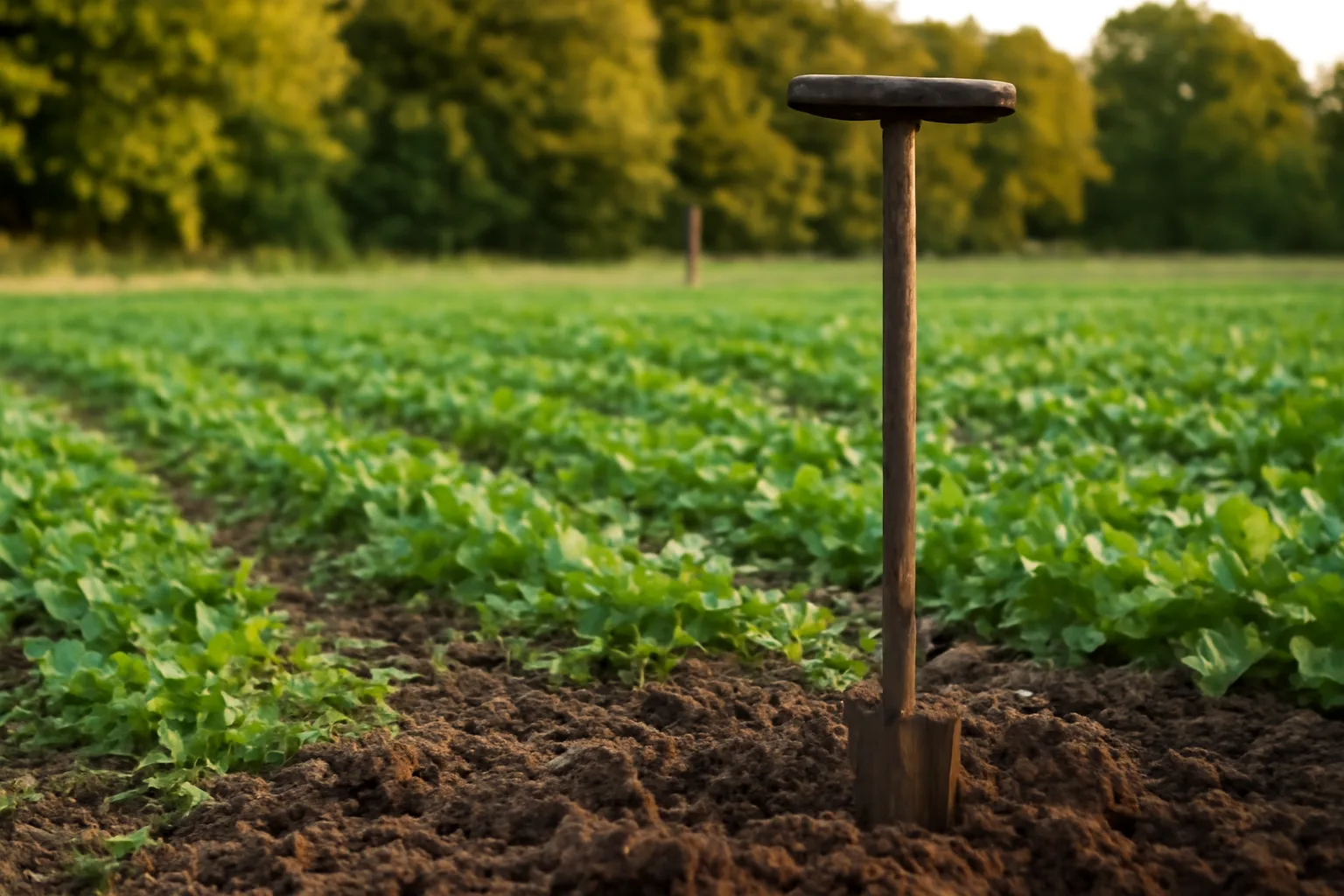
A food plot is a planted patch of forage on hunting land meant to feed deer and other wildlife, usually somewhere between a quarter acre and a few acres. Landowners plant them to improve nutrition, hold deer on a property longer, and create a spot where deer show up predictably enough to hunt or watch. A biologic food plot mix (the term is mostly a marketing label, not a botanical one) is just a bag with more than one species in it. Instead of straight clover or straight beans, you get clover mixed with chicory, or oats blended with brassicas and peas. The idea is that different plants mature at different rates and pull different nutrients, so the plot still has something green and palatable even if frost kills one component or deer hammer another down to dirt. There's nothing magic in the bag. It's still clover, brassica, and cereal grain seed, the same species you could buy separately and blend yourself for less money. What you're paying for is someone else doing the ratio math and, ideally, matching varieties that mature in a compatible window. Cooperative extension programs describe food plots the same way: a forage planting managed to supplement native browse, not replace it [1].
when should you plant food plots for deer
| North (zones 3-4) | Mid-May to early June | Late July to mid-August | |
|---|---|---|---|
| Mid (zones 5-6) | Late April to May | Mid-August to early September | |
| South (zones 7-9) | March to April | September to October | These are starting points, not gospel. Check your state's cooperative extension planting guide before you buy seed, because a two-week miss on brassica planting date can mean the difference between a lush plot and a stand of stunted plants deer walk past. If you want zone-specific planting windows laid out for your property, the food plot whitetail guide breaks down what to plant by month. |
Timing depends entirely on what you're planting and your USDA Plant Hardiness Zone, but the two-season split is: spring plots (warm-season annuals like soybeans, cowpeas, and some clover establishment) go in after your last frost date, and fall plots (brassicas, cereal grains, and most clover) go in 60 to 90 days before your first fall frost. Your local first and last frost dates come from NOAA and your state extension office, and they vary by a lot across a single state, let alone the country. NOAA's National Centers for Environmental Information publishes freeze/frost occurrence data by station that extension programs draw from when they build regional planting calendars [2]. A hunter in southern Alabama might plant brassicas in late August. A hunter in northern Minnesota needs to be in the ground by early to mid-August or the plants won't size up before a hard freeze. General windows most extension programs use: | Region (approx. USDA zones) | Spring plot window | Fall plot window |
do deer eat sorghum
Yes, deer eat grain sorghum, but it's a secondary player in most plots, not a headline species. Sorghum (milo) produces a lot of biomass and grain, and deer will browse the leaves some in summer and eat the grain heads once they dry down in fall, especially when other food sources thin out. Where sorghum earns its keep is as a cover crop and screening plant. It grows tall (often 4 to 6 feet), so hunters plant strips of it to break sight lines into a plot or bedding area, then let deer work the grain later in the season. It's also drought-tolerant, which matters in dry years when clover and brassicas struggle. As a straight deer food plot, though, sorghum isn't a top choice. It's cheap, it's easy to grow, and it adds structure to a mix, but soybeans, corn, and cereal grains all pull more research support as primary whitetail forage. Some biologic mixes include a small percentage of sorghum for the screening and late-season grain benefit, not as the main draw.
do deer like clover, and do deer eat clover
Deer eat clover readily, and most wildlife biologists rank it among the most consistently used food plot forages available. White clover and red clover both show up on nearly every state extension list of recommended deer forages because they're perennial, they regrow after grazing, and they carry high crude protein, often in the 25 to 30 percent range during active growth [3]. The practical advantage of clover is season length. A well-maintained clover stand can produce from spring green-up through fall, sometimes 3 to 4 years before you need to reseed, if you mow it and keep weed pressure down. That's a long return on one seeding compared to annuals you replant every year. The tradeoff is establishment patience. Clover seed is tiny, needs shallow planting (a quarter inch or less) and firm soil contact, and it's slow the first few weeks. It also needs a soil pH in the 6.0 to 7.0 range to really produce, which is why a soil test matters more for clover than for almost anything else you'll plant. Get the lime right and clover will outperform nearly every annual on the shelf for total pounds of forage per acre per year.
when to plant oats for deer
Oats go in as a fall planting, typically 45 to 60 days before your first frost date, which puts most of the country somewhere between mid-August and mid-September. Oats are a cool-season annual cereal grain, and deer hit them hard as soon as they emerge, often before brassicas or clover in the same plot get touched. Oats have a real weakness: cold tolerance. They'll survive light frost fine, but a hard freeze in the teens or lower kills the plant outright, unlike winter wheat or cereal rye, which shrug off much colder temperatures and keep growing into winter. That's why a lot of biologic mixes pair oats with wheat or rye. Oats provide the early, highly palatable growth that pulls deer in during September and October, and the wheat or rye carries the plot through a harder winter after the oats die back. If you're in a northern zone with early hard frosts, oats alone are a short-season play. Plan on them feeding deer for 6 to 10 weeks and then fading, and don't count on them as your only fall food source.
when to plant turnips for deer, and do deer eat turnips the same way as other brassicas
Plant turnips 90 to 100 days before your first expected fall frost, which for most of the country lands somewhere in late July through August. Turnips are a brassica, and deer usage of the tops (the leafy greens) starts almost immediately after emergence, but usage of the bulb itself often doesn't ramp up until after the first hard frost converts starches to sugars, making the bulb sweeter. That frost-triggered sweetness is well documented by extension forage programs and is the reason a lot of hunters see turnip plots get ignored in October and then hammered in December. North Carolina State Extension notes that brassica bulbs become more palatable to deer after several hard frosts convert starches into simple sugars. If your hunting season closes before that frost-sweetening happens, you may never see deer dig for bulbs at all, and that's normal, not a plot failure. Turnips need loose, well-drained soil and a pH close to neutral to bulb properly. In heavy clay or compacted ground, you'll get leafy tops and small, stunted bulbs. That's one more reason a soil test earns its cost before you plant brassicas specifically.
what are deer's favorite foods, in a plot context
There's no single scientifically ranked "favorite food" list, because preference shifts by season, region, and what's naturally available, but extension and wildlife agency research consistently points to a short list of high-value plot species: soybeans, clover, brassicas (turnips, radish, rape), and cereal grains like wheat and oats. In native, unmanaged habitat, deer diets shift constantly, and studies of rumen contents and browse surveys show acorns, forbs, and woody browse make up the bulk of a whitetail's actual annual diet, with food plots supplementing rather than replacing that natural forage base [4]. A plot is a boost, not the whole diet. Within planted forages, soybeans and cowpeas tend to get hit hardest in summer when deer need protein for antler growth and lactation. Brassicas and cereal grains take over in fall and winter when energy (carbohydrates) matters more than protein. Clover is the generalist that gets used across almost the whole year if you keep it maintained. If you're picking one species to start with on a new plot, the deer food plot seed options built around soybeans or clover are the safest first bet.
do deer like honey, and does it belong in a food plot mix
No, honey isn't a food plot ingredient, and it's not something deer forage naturally in any meaningful volume. It shows up in this search because "honeysuckle" and "honey locust" get grouped near the term for hunters searching for deer attractants, and because some minerals or scent products use honey or molasses as a flavoring or binder in small mineral licks and supplements, not in seed mixes. What deer do browse heavily is honeysuckle (particularly Japanese honeysuckle, which is invasive in much of the eastern U.S.) and honey locust pods, which drop in fall and get eaten readily where trees are present. Neither is something you'd plant in a food plot bag. If you're trying to add a sweet attractant, that's a mineral or supplement decision, separate from your plot seed, and one where state baiting and feeding regulations often apply, more on that below.
how do you build or choose a biologic food plot mix for your ground
Start with a soil test, not the seed bag. Every state land-grant extension office runs a soil testing lab, usually for $10 to $20 per sample, and the report tells you your current pH and nutrient levels, plus the lime and fertilizer needed to hit the target range for whatever you're planting [5]. Skipping this step is the single most common reason food plots underperform, no matter how good the seed mix is. Once you know your soil, match the mix to your season and goal. A spring/summer mix built around soybeans, cowpeas, and maybe sunflowers or sorghum gives you protein through summer stress. A fall mix with brassicas, cereal grains, and clover gives you a longer feeding window into winter, since the different species peak at different times. Acreage and equipment matter too. A half-acre plot worked with a hand spreader and a UTV disc needs a simpler mix than a 5-acre field you're running a drill through. Biologic mixes with very fine seed (clover, chicory) alongside larger seed (peas, beans) can be tough to plant evenly with one pass of a broadcast spreader, since the big seed needs deeper coverage than the small seed wants. Some growers split the mix and plant components in two passes at two depths to solve this. This is also where a lot of hunters decide a generic bag mix doesn't fit their exact soil, shade, and browse pressure situation, and go with a plan built around their soil test and property instead. That's the gap our $99 one-time Custom Food Plot Plan is built to close, it's general planting guidance based on your inputs, not a substitute for your soil test lab's specific lime and fertilizer recommendations. You can start one at /plot-plan-builder.
what should you check before planting, legally and practically
Check your state wildlife agency's baiting and feeding regulations before you plant anything meant to concentrate deer, because rules vary a lot by state and some states draw a line between a planted food plot (generally legal) and a pile of grain or mineral placed to attract deer (often restricted or banned, especially where chronic wasting disease is a concern). A food plot is almost always treated differently than baiting, but supplemental feed and mineral use rules differ, so confirm with your state agency page directly rather than assuming. Practically, order seed early. Popular brassica and clover varieties sell out at farm stores by late summer in heavy food-plot regions, and waiting until your planting window opens to shop is a common way to miss it entirely. Finally, don't skip weed control just because it's a wildlife plot instead of a row crop. A clover stand choked out by foxtail or crabgrass in year two produces a fraction of the forage it should. Mowing at the right height and, where legal and appropriate, a labeled herbicide application, keeps a perennial plot productive for its full 3 to 4 year lifespan instead of one season.
Frequently asked questions
Do deer eat sorghum in food plots?
Yes. Deer browse sorghum leaves some in summer and eat the grain heads once they dry in fall. It's more valuable as a tall screening plant and drought-tolerant filler in a mix than as a primary attractant species like soybeans or clover.
Do deer like clover more than other food plot species?
Clover ranks among the most consistently used forages in extension research, largely because it's high in protein (often 25 to 30 percent) and available almost year-round once established. Deer usage is strong, but actual preference shifts seasonally against soybeans, brassicas, and natural browse.
When should I plant food plots for deer?
Spring plots (soybeans, cowpeas) go in after your last frost date. Fall plots (brassicas, cereal grains, clover) go in 60 to 100 days before your first fall frost, depending on species. Exact windows depend on your USDA hardiness zone; check your state extension office's planting calendar.
When is the best time to plant oats for deer?
Plant oats 45 to 60 days before your first fall frost, usually mid-August to mid-September for most of the U.S. Oats have poor cold tolerance compared to wheat or rye, so pair them with a hardier cereal grain if you want fall forage into winter.
When should I plant turnips for a deer food plot?
Plant turnips 90 to 100 days before your first expected fall frost, generally late July through August. Deer eat the leafy tops right away, but bulb usage often doesn't pick up until after a hard frost sweetens the starches, sometimes not until December.
What is a food plot, exactly?
A food plot is a planted patch of forage, usually a quarter acre to several acres, established on hunting land to supplement deer nutrition and concentrate activity in a huntable or observable location. It supplements natural browse rather than replacing it.
What are deer's favorite foods overall?
There's no strict ranked list, but soybeans, clover, brassicas, and cereal grains top most extension recommendations for planted forage. In the wild, acorns and woody browse make up most of a whitetail's actual annual diet outside of plot season.
Do deer like honey or honey-based products?
Deer don't forage honey itself in any meaningful way. The confusion usually comes from honeysuckle or honey locust, both of which deer do browse heavily where present. Honey shows up mostly as a flavoring in mineral or supplement products, not in seed mixes.
What exactly is a biologic food plot mix?
It's a bag combining multiple forage species, commonly clover, brassicas, cereal grains, and sometimes chicory or peas, to feed deer across a longer window and reduce the risk of total crop failure if one species underperforms. It's a blending strategy, not a distinct scientific category.
Can I mix my own food plot blend instead of buying a bag?
Yes. Buying individual species and blending them yourself is usually cheaper than a packaged biologic mix, as long as you match seeding rates and planting depths for each component. The tradeoff is you do the ratio math yourself instead of relying on a pre-built formula.
How much does a soil test cost before planting a food plot?
Most state land-grant university extension labs charge $10 to $20 per sample for a standard soil test, covering pH and major nutrient levels. That test tells you the lime and fertilizer needed to hit the target range for your specific plot species.
Are food plots legal everywhere, or do baiting laws apply?
Food plots are legal in all states, but baiting and supplemental feeding rules vary widely and some states restrict feed piles or mineral stations, especially in chronic wasting disease management zones. Check your state wildlife agency's regulations directly before adding any feed beyond the planted plot itself.
Sources
- Mississippi State University Extension Service, Food Plots for Wildlife: Food plots are forage plantings managed to supplement, not replace, native browse for deer
- NOAA National Centers for Environmental Information, Freeze/Frost Occurrence Data: First and last frost dates vary significantly by region and determine plot planting windows
- University of Georgia Extension, Clover for Wildlife Food Plots (Circular 924): Clover crude protein content and its ranking as a top food plot forage for deer
- Mississippi State University Extension Service, White-tailed Deer Nutrition and Food Habits (Publication 2751): Acorns, forbs, and woody browse make up the majority of a whitetail's natural annual diet
- USDA Natural Resources Conservation Service, Soil Health Test Kit Guide: Soil testing determines lime and fertilizer needs prior to planting forage crops