Last updated 2026-07-26
TL;DR
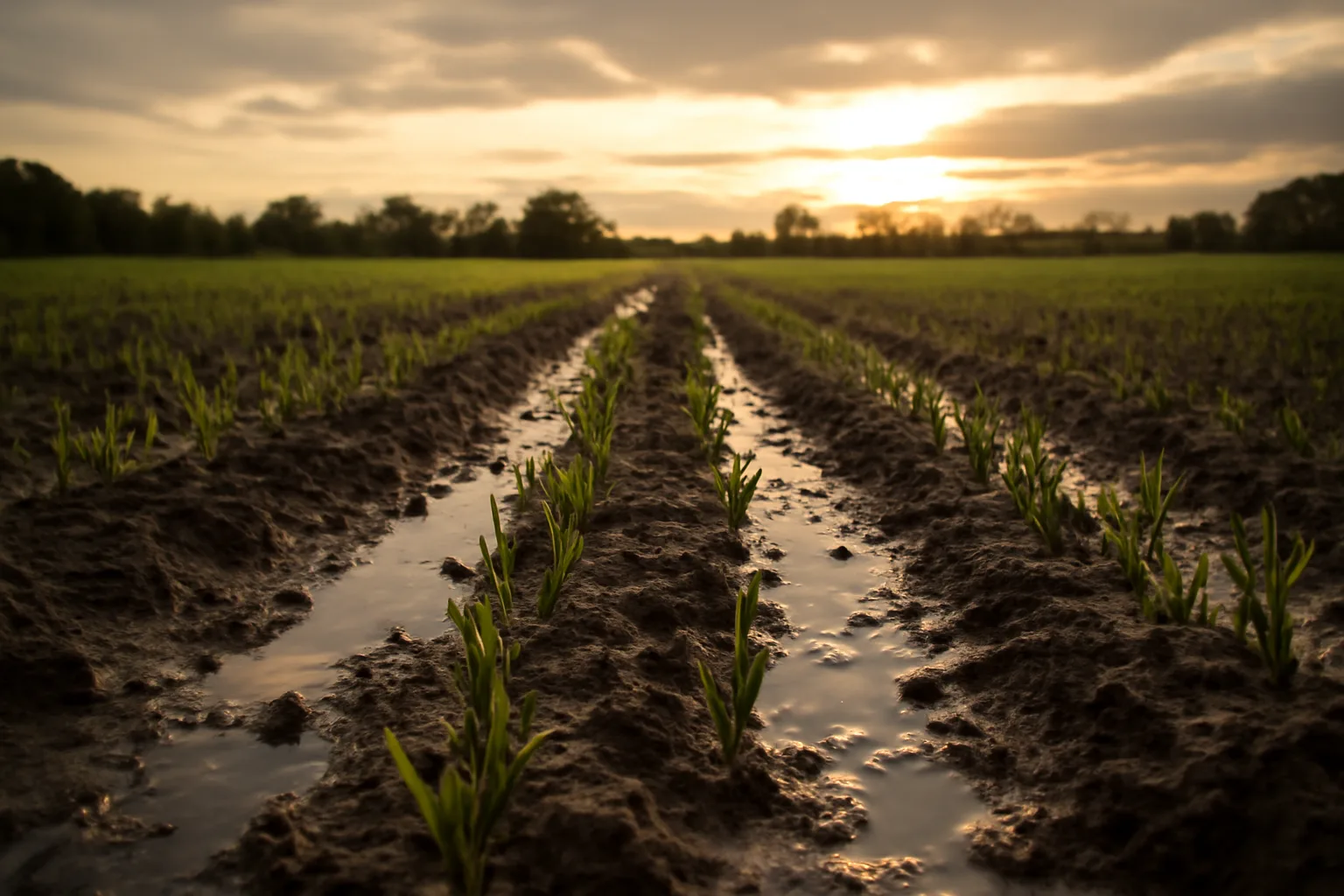
The best food plot choices for swampy ground are wheat, oats, and brassicas like turnips, since they tolerate saturated soil better than clover or beans. True bottomland with standing water needs raised beds or drainage work first. Match species to your actual water table, not the plot you wish you had.
what makes swampy ground so hard to plant
Swampy or bottomland soil holds water in the root zone for days or weeks after rain, and that's the whole problem. Most food plot species need oxygen at the roots just as much as they need sunlight. When soil stays saturated, roots suffocate, seeds rot before they germinate, and soil-borne fungal disease takes over fast. The soil type usually driving this is heavy clay or a poorly drained silt loam sitting over a hardpan or high water table. The USDA Natural Resources Conservation Service classifies these as poorly drained or very poorly drained soils in its soil survey system, meaning water table is at or near the surface for a large part of the growing season. If your county soil survey (available free through USDA Web Soil Survey) lists your plot area as "poorly drained" or "frequently ponded," you're not imagining the problem. The practical effect: you can't treat a swampy 2-acre parcel like a well-drained upland field and just pick whatever seed is popular. You need species that either tolerate wet feet for short stretches or that you plant on a schedule that dodges the wettest months entirely.
what is a food plot, and does it work differently in wet soil
A food plot is a planted area, usually a half-acre to several acres, seeded specifically to attract and feed deer, turkey, or other wildlife rather than for commercial harvest. Most plots use annual or perennial forages: clover, brassicas, cereal grains, or legumes like soybeans, chosen for high protein or high energy content deer need at specific times of year. In wet ground, the food plot concept doesn't change, but the constraints do. You're more than choosing based on what deer prefer. You're choosing based on what survives root-zone saturation, seasonal flooding, and often heavier clay content that swampy areas tend to have. A species that's a top performer in well-drained sandy loam might rot out completely in a low spot that holds water for two weeks every spring. Extension agronomists generally recommend testing drainage before investing in seed and fertilizer for any bottomland plot. Site selection, including drainage and sunlight, is one of the first steps land-grant extension programs point growers toward before species selection even comes up [1].
which species actually tolerate wet, swampy soil
| Winter wheat | Good | Handles saturated soil short-term, cheap, reliable germination | |
|---|---|---|---|
| Oats | Good | Fast growing, good fall attraction, winterkills in cold zones | |
| Forage turnips/brassicas | Moderate-good | Tolerates heavier soil, poor in standing water | |
| White clover | Moderate | Fine on plot edges, struggles with prolonged flooding | |
| Red clover | Moderate | Slightly hardier than white in some trials | |
| Soybeans | Poor | Root rot common in saturated low spots | |
| Alfalfa | Poor | Needs excellent drainage, avoid in bottomland | If your ground floods seasonally but drains within a few days, wheat and oats planted after the water recedes usually outperform everything else. If you've got a permanently wet seep or standing water most of the year, no food plot species will work there. That ground needs a drainage fix, a raised bed, or it needs to stay out of the rotation. |
Cereal grains and brassicas are your best bet in soil that stays wet but isn't standing in permanent water. Winter wheat and oats have fibrous root systems that tolerate short-term saturation far better than a taproot legume like alfalfa. Brassicas, especially turnips and forage radish, also handle heavier, wetter soils reasonably well, though they still won't survive weeks of standing water. Clover is a mixed bag. White clover (Ladino types) has moderate wet-soil tolerance and is often planted on the edges of wetter plots, but it does not like prolonged flooding or standing water. Red clover has slightly better wet-tolerance than white clover in some university trials but still needs decent drainage to persist as a perennial. Soybeans and most warm-season legumes are poor choices for swampy ground. Their root systems need oxygen, and they're notorious for dying out in wet spots within a plot, which is why you'll often see a soybean field with a dead, yellowed low spot in the middle after a wet June. Here's a rough comparison for planning purposes: | Species | Wet soil tolerance | Notes |
do deer eat sorghum
Yes, deer will eat grain sorghum, particularly the seed heads once they mature, and it's sometimes used as a summer annual or as a screening/cover crop in food plot mixes. Sorghum has decent drought tolerance and can handle heavier soils better than corn in some conditions, but it is not a top wet-soil performer and doesn't have strong published data on flood tolerance specific to deer plots. Most extension programs treat sorghum as a secondary or supplemental plot species rather than a primary wet-ground choice. If you're picking between sorghum and something like wheat or oats for swampy ground, the cereal grains have a longer track record in university trials for both deer attraction and stress tolerance.
do deer eat clover, and do deer like clover
Yes, deer readily eat clover, and it's one of the most consistently preferred forages in food plot research. Clover offers high crude protein, often 25 to 30 percent in vegetative growth stages according to forage testing summarized by university extension programs, which makes it valuable during spring green-up and antler growth season [2]. Deer preference studies and decades of practical plot experience both point to clover as a top-tier choice on well-drained ground. The catch for swampy areas is durability, not palatability. Clover gets eaten fine in wet soil, but the plant itself often doesn't persist as a perennial if the root zone stays saturated too often. That's why many wet-ground plotters use clover only on the drier margins of a bottomland plot, not in the true low spots.
when to plant food plots for deer
Timing depends heavily on your zone and whether you're planting a spring/summer plot or a fall plot, and swampy ground adds another layer: you often have to wait longer for soil to dry enough to work. General USDA plant hardiness zone guidance breaks the country into zones 3 through 9, and food plot planting windows shift by roughly two to four weeks per zone band. In the Upper Midwest and Northeast (zones 3-5), fall plots typically go in from late July through early September. In the Mid-South and Southeast (zones 6-8), fall planting windows often run from September through October. Spring/summer plots (clover, soybeans, sorghum) generally go in April through June depending on zone and last frost date. On swampy ground specifically, plan to plant later than your upland neighbors. Waiting an extra one to two weeks after a rain event for soil to firm up enough to support equipment, and for the seedbed to drain, usually beats rushing seed into mud that will just crust or wash. A Custom Food Plot Plan built around your zip code and soil type can help pin down a realistic window rather than guessing off a generic calendar.
when to plant oats for deer
Oats are typically planted as a fall food plot species, going into the ground 60 to 90 days before your first expected hard frost, which in most whitetail range falls between late August and mid-September. Oats germinate fast, often within 5 to 10 days in warm, moist soil, and they provide strong early fall attraction before winterkilling in colder zones. In swampy ground, oats work well as a first crop planted right after wet spring soil finally dries out enough to work, or as a fall plot once the ground firms up after summer. Because oats don't overwinter in most of the northern and central whitetail range, they're often paired with wheat or a brassica blend so something is still green late into the season.
when to plant turnips for deer
Turnips and other brassicas go in the ground roughly 80 to 100 days before your first fall frost, since they need that time to bulb up and develop the sugars that make them attractive to deer later in the season. That planting window typically lands in late July through mid-August across most of the whitetail range, adjusted earlier for northern zones and later for the Deep South. Brassicas have a well-documented quirk: deer often ignore them at first and hit them hard after a couple of frosts convert starches to sugars, making the plant more palatable. That means late-planted turnips on swampy ground that dried out slowly in summer can still be a strong December and January food source, which matters a lot in areas where standing snow or ice limits other options.
what are deer's favorite foods, and does that change on wet ground
Deer preference research generally ranks acorns, soft mast (apples, persimmons), and high-protein legumes like clover and soybeans near the top of the list, with brassicas and cereal grains as strong secondary choices, especially in late fall and winter [2]. Native browse and agricultural crops like corn and soybeans also draw heavy use where available. On swampy ground, the preference hierarchy doesn't change, deer still prefer the same things, but availability does. If clover and soybeans won't reliably survive your wet spots, you're better off planting what will grow (wheat, oats, brassicas) and accepting slightly lower preference ranking in exchange for a plot that actually produces forage instead of failing outright. A mediocre stand of oats beats a dead stand of soybeans every time.
do deer like honey, and does it matter for food plots
There's no meaningful body of wildlife research on deer and honey specifically, and it has essentially nothing to do with food plot planning. Deer are occasionally reported nibbling on honeycomb or bee-damaged fruit in anecdotal accounts, but honey isn't a forage crop, isn't plantable, and isn't part of any established food plot species list from USDA or land-grant extension programs. If you've heard about using honey or sweet scent attractants near a plot, that's a hunting attractant question, not a plot planning one, and it's worth checking your state wildlife agency's baiting and feeding regulations before using any scent or feed product near a stand. Baiting rules vary significantly by state and by whether you're hunting public or private land, so check your state agency's current regulations directly rather than assuming.
how do you actually get a plot to work in a swamp or bottomland
Start with drainage, not seed selection. If water sits on the surface more than 48 to 72 hours after a normal rain, that spot needs a fix before it needs a species decision. Options include shallow ditching to a natural outlet, French drains along the low edge, or simply moving the plot boundary to avoid the worst of the wet zone. Raised beds or slightly crowned rows help a lot on smaller plots. Even a few inches of crown from the center of a plot toward the edges moves surface water off the seedbed faster and can be the difference between a stand that survives and one that drowns. Soil pH matters more in wet ground too, since waterlogged, poorly drained soils are frequently more acidic and lower in available nutrients than well-drained upland soil. A soil test is the only way to know for sure. Cooperative extension soil testing labs, run through most land-grant universities, typically charge somewhere in the range of $15 to $20 per sample and turn results around in one to two weeks [3]. Your soil test lab is the real authority on lime and fertilizer rates for your specific dirt; a general article like this one can point you toward wheat and brassicas as species, but it can't tell you your exact lime rate. Once drainage and pH are addressed, plant your chosen species (wheat, oats, brassica blend) using a no-till drill if you have access to one, since minimal soil disturbance in wet ground reduces compaction and crusting compared to heavy tillage equipment run on marginal soil moisture.
putting together a realistic swampy-ground plot plan
A workable approach for most swampy parcels looks like this: map the wettest zones using either a soil survey or just watching the ground after a hard rain, then plant cereal grains and brassicas in the true wet zones and reserve clover for the drier edges and access lanes. Budget for a soil test every year the first two to three years, since wet ground amendments (especially lime, if your test calls for it) can take a season or two to fully correct pH. Don't expect a first-year plot on reclaimed swampy ground to look like a five-year-old upland clover field. It usually takes a couple of seasons of soil work before yields catch up. If you want a starting point tailored to your zip code, soil type, and target season, a Custom Food Plot Plan runs $99 one time and gives general species and timing guidance based on your specific conditions. It's not a substitute for your soil test lab's fertilizer recommendation, but it's a reasonable way to shortcut the species research covered in this article. For more on matching plot type to your land and goals, see food plot whitetail, deer food plots, and deer food plot seed for a broader look at seed selection across different soil and moisture conditions.
Frequently asked questions
Do deer eat sorghum?
Yes, deer eat grain sorghum, especially the seed heads once mature. It's used as a summer annual or screening crop in some plot mixes but doesn't have strong wet-soil tolerance data, so cereal grains like wheat and oats are generally better picks for swampy ground.
Do deer eat clover and do deer like clover?
Deer readily eat and prefer clover, which often runs 25-30% crude protein in vegetative stages. It works well on the drier edges of a swampy plot but usually doesn't persist as a perennial in soil that stays saturated for long stretches.
When should I plant food plots for deer?
Timing depends on zone: fall plots generally go in late July through October depending on region, spring/summer plots April through June. On swampy ground, plan to plant one to two weeks later than upland fields to let soil dry enough to work.
When do you plant oats for deer plots?
Plant oats roughly 60 to 90 days before your first hard fall frost, typically late August through mid-September in most whitetail range. Oats germinate fast and give strong early fall attraction before winterkilling in colder zones.
When do you plant turnips for deer?
Turnips go in 80 to 100 days before first fall frost, usually late July through mid-August. They need frost exposure to sweeten up, so a properly timed planting can still be a strong food source into December and January.
What is a food plot?
A food plot is a planted area, usually a fraction of an acre to several acres, seeded with forage crops to attract and feed deer or other wildlife. Common species include clover, brassicas, cereal grains, and soybeans, chosen based on season, soil, and deer nutritional needs.
What are deer's favorite foods?
Research generally ranks acorns and soft mast highest, followed by high-protein legumes like clover and soybeans, then brassicas and cereal grains, especially in late fall and winter. Native browse and row crops like corn also see heavy use where available.
Do deer like honey?
There's no real wildlife research on deer and honey, and it has no role in food plot planning. Deer occasionally nibble damaged comb or fruit anecdotally, but honey isn't a forage crop and isn't part of any standard extension-recommended plot species list.
What's the best food plot species for standing water or a true swamp?
Nothing survives permanent standing water well. If a spot floods most of the year, focus on drainage work (ditching, French drains, raised beds) before planting. For seasonally wet ground that drains within days, wheat, oats, and brassicas are the strongest performers.
Will soybeans grow in a swampy food plot?
Generally no. Soybeans need well-oxygenated soil and commonly develop root rot in saturated low spots within days of standing water. If part of your plot is genuinely swampy, expect soybean die-off there even if the rest of the field does fine.
How do I know if my land is too wet for a food plot?
Check your county's USDA Web Soil Survey listing for the parcel; soils marked poorly drained or frequently ponded signal a wet-tolerant species plan is needed. Also watch the ground after a normal rain: standing water lasting more than 2-3 days signals a drainage problem, more than a species problem.
Should I lime swampy food plot ground the same as upland ground?
Not necessarily. Wet, poorly drained soils are often more acidic and nutrient-poor than upland soil nearby, so lime and fertilizer needs can differ significantly. A current soil test from your local extension lab is the only reliable way to set an accurate rate.
Sources
- Mississippi State University Extension, Establishing Wildlife Food Plots (Publication 2111): Site selection including drainage and sunlight is a first step in food plot planning ahead of species choice
- Mississippi State University Extension, Nutrient Requirements of White-Tailed Deer (Publication 2489): Clover and legumes provide high crude protein important for antler growth and deer nutrition
- University of Missouri Extension, Soil Testing: University soil testing labs typically charge in the range of $15-$20 per sample with turnaround of one to two weeks
- Michigan State University Extension: Turnips and other brassicas are attractive deer forage best planted in late summer for fall/winter food plots
- University of Georgia Extension: Recommended food plot planting dates and species selection, including clover and oats, for deer forage in the Southeast