Last updated 2026-07-25
TL;DR
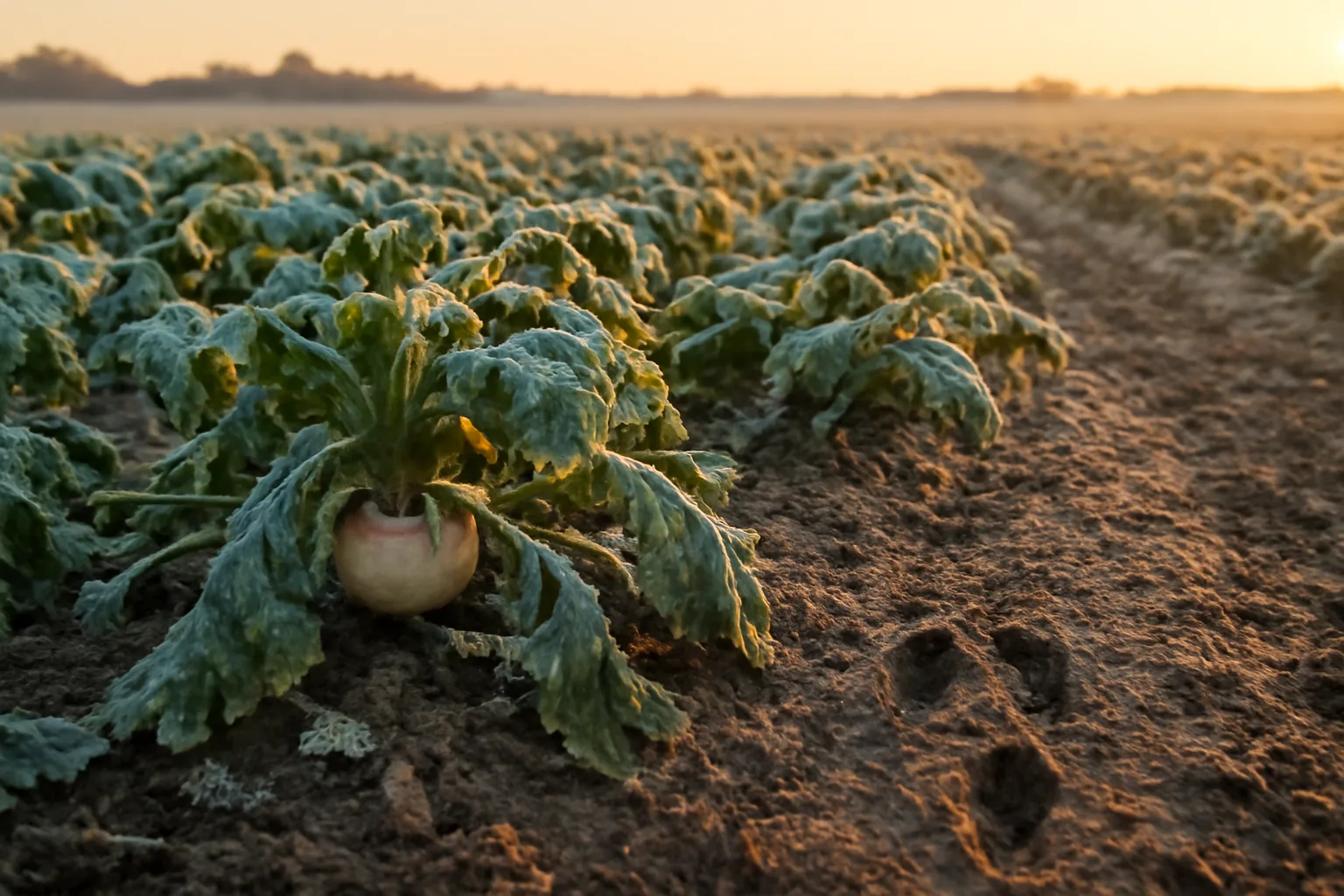
For heavy grazing pressure, brassicas (turnips, radish, rape) and cereal grains (oats, wheat, rye) hold up best because they produce more tonnage per acre and regrow or bulb below ground where deer can't reach everything at once. Clover works too, but only if you plant 3+ acres or rotate paddocks. Small plots under 2 acres almost always get hammered to dirt.
What is a food plot, exactly?
A food plot is a planted area on hunting or wildlife land, usually a fraction of an acre to several acres, seeded with forage that deer or other game will eat. That's the whole definition. People overcomplicate it. Most plots fall into two buckets: annual plots (replanted every year, like brassicas, cereal grains, or soybeans) and perennial plots (clover or alfalfa that come back for 2 to 5 years with maintenance). State wildlife agencies and university extension programs both treat food plots as a habitat management tool, not a hunting shortcut. They're meant to supplement natural browse, fill nutritional gaps in late winter or during antler growth, and concentrate deer activity in a spot you can observe or hunt. The mistake most new plotters make is planting a quarter-acre plot expecting it to look like a magazine photo all season. Under real grazing pressure, a plot that small gets eaten to the dirt in two or three weeks if your deer density is anything above 15 to 20 deer per square mile. That's the entire problem this article solves: which species and which plot sizes actually survive being eaten hard, and which ones just look good in the bag.
What's the best food plot for heavy grazing pressure?
| Turnips/radish (brassica) | High (regrows from bulb) | 60-90 days to maturity | 1-3 acres | |
|---|---|---|---|---|
| Cereal rye/wheat | High (tillers) | 2-3 weeks to graze-ready | 1-2 acres | |
| Oats | Medium-high | 2-3 weeks | 1-2 acres | |
| Clover (established) | High once mature | Full season 1 to establish | 2-5 acres or rotated paddocks | |
| Soybeans | Low (single stem, no regrowth) | 60-90 days, vulnerable early | 5+ acres, often fenced | |
| Alfalfa | Medium | Full season to establish | 3+ acres | Soybeans and cowpeas are actually the worst choice for high-pressure ground unless you have serious acreage or an exclusion fence around part of the field to let some plants reach maturity. A lot of guys plant beans, watch deer mow every seedling down in the cotyledon stage, and blame the seed. It's usually a density-to-acreage mismatch, not bad seed. |
Brassicas and cereal grains beat clover and beans for pure grazing tolerance, mostly because of how they grow. Turnips, radish, and forage rape put a lot of their energy into a bulb or taproot below ground. Deer eat the leaves first, sometimes hammer them flat by October, and the plant just keeps pushing new leaf growth from the root reserve. You can't do that with soybeans; once the leaves are gone, the plant is dead. Cereal grains (winter wheat, oats, cereal rye) are the second-best option because they tiller. One wheat plant sends up multiple shoots from the crown, so grazing pressure that would kill a single-stem plant just knocks back a few tillers while others keep growing. Oats don't survive hard freezes as well as wheat or rye, but they green up fast and deer hit them early, which is useful if you need tonnage before a hard grazing season starts. Clover can work under heavy pressure, but only with acreage or rotation. A well-established clover stand (Durana, Kopu II, or a ladino blend) can take repeated grazing because it's a perennial that regrows from the crown, similar to a lawn. The catch: young clover seedlings in year one get wiped out fast if deer numbers are high. Clover needs a grazing rest period during establishment to build root reserves before it can handle repeated browsing, which is why rotational plots or larger acreage matter more for clover than for brassicas. Here's a rough side-by-side based on university forage trial data and extension grazing tolerance ratings: | Species | Grazing tolerance | Establishment speed | Typical plot size needed under heavy pressure |
How much acreage do you actually need for heavy deer density?
There's no universal number, but extension guidance and National Deer Association field experience both point to a rough rule: plant at least 1 to 2 percent of your total property acreage in food plots, and lean toward the higher end if deer density is above 25 to 30 per square mile. On a 40-acre property with high deer density, that's roughly 0.8 to 1.6 acres minimum spread across multiple smaller plots or consolidated into one larger plot. Concentrating it into fewer, bigger plots (2+ acres each) generally survives grazing better than scattering several quarter-acre kill plots, because a bigger plot gives deer more square footage to spread their browsing across. If you only have one small plot and know deer pressure is heavy, brassicas or cereal grains are the more forgiving pick over clover or beans, simply because they produce more forage tonnage per acre in a shorter window.
When to plant food plots for deer?
| Northern (MN, WI, ME, northern NY) | Late May-mid June | Late July-mid August | |
|---|---|---|---|
| Mid-latitude (KY, VA, MO, PA) | Late April-May | Mid August-mid September | |
| Southern (AL, GA, TX, LA) | March-April | Mid September-October | These are general windows, not guarantees. Your local extension office publishes frost date tables specific to your county, and that's a better source than any national chart, including this one. Land-grant university extension offices maintain county-level climate data through the USDA Plant Hardiness Zone Map, which is worth five minutes of searching before you buy seed. |
Planting timing depends on your zone and whether you're planting a spring/summer plot or a fall plot, and the two windows are not close together. Spring/summer plots (soybeans, cowpeas, sunflowers for warm-season growth) go in after your last frost date, generally April through June depending on latitude. Fall plots (brassicas, cereal grains, clover) go in 60 to 90 days before your average first fall frost, so the plant has time to establish before growth slows. As a rough national breakdown by zone: | Zone | Spring plot window | Fall plot window |
When to plant oats for deer?
Oats go in the ground 60 to 90 days before your first expected fall frost, which for most of the whitetail range lands somewhere between mid-August and mid-September. Oats germinate fast, often in 5 to 10 days with decent soil moisture, and deer will hit young oat shoots almost immediately, which is both the appeal and the risk under heavy grazing. Oats don't handle hard freezes as well as winter wheat or cereal rye. Once temperatures drop into the low 20s Fahrenheit repeatedly, oat forage quality and regrowth drop off fast. If you're in a northern zone and want fall-through-winter tonnage, blend oats with wheat or rye so you get fast early growth from the oats and cold-hardy standing forage from the small grains later in the season. Some hunters plant a spring oat crop too, mainly as a quick cover crop or early-season green-up, but that's less common for dedicated deer plots than the fall planting window.
When to plant turnips for deer?
Turnips need 60 to 90 days to reach a mature bulb, so back-calculate from your first hard frost and plant that far ahead. For most of the whitetail range that puts turnip planting somewhere between late July and early September. Turnips are frost-tolerant and actually get sweeter after a hard freeze because the plant converts starches to sugars, which is why deer often ignore turnip plots in September and then hammer them in December and January. If your goal is late-season food when natural browse is thin, that delayed attraction is a feature, not a problem. Under heavy grazing, turnips have an advantage over a lot of other brassicas because deer often eat the leaves first and leave the bulb alone until food gets scarce later in winter. That gives you two separate feeding windows out of one planting.
Do deer eat sorghum?
Yes, deer will eat grain sorghum (milo), particularly the seed heads once they mature, and they'll also browse the young leaves earlier in the season. It's not a top preference forage compared to soybeans, clover, or brassicas, but it has real value as a standing grain crop for late fall and winter, and it doubles as bedding cover and screening because of its height. Sorghum's biggest use on food plot ground is actually as a nurse crop or wildlife cover component in a blend, less often as a stand-alone attractant plot. If your main goal is heavy-grazing tolerance for a dedicated deer food plot, sorghum isn't your first pick. Brassicas or cereal grains will out-produce it for direct forage tonnage per acre.
Do deer eat clover, and do deer like clover?
Yes, and clover is consistently ranked as one of the most preferred whitetail forages by extension research and grazing studies, often described as a first-choice food when available alongside other options. It's high in protein (commonly 20-30 percent crude protein in a well-fertilized stand) and stays palatable through most of the growing season, which is why it's the backbone of a lot of perennial plot programs. The catch under heavy grazing pressure is establishment. A newly seeded clover plot in year one is fragile; seedlings don't have the root reserves to bounce back from constant browsing the way a mature stand does. If you're planting clover on high-density ground, consider a nurse crop of oats or wheat mixed in at seeding to give some early cover and reduce direct pressure on clover seedlings, and expect to possibly fence or exclude part of the plot in year one if pressure is severe. Once established (year two onward), clover handles repeated grazing about as well as anything you can plant, similar to how a lawn recovers from mowing. Ladino-type clover varieties bred for grazing persistence are commonly recommended by seed suppliers and extension forage programs specifically for their ability to hold up under repeated browsing.
What are deer's favorite foods?
Ranked roughly by preference and use in research and extension forage trials, whitetail deer favor: clover and other legumes (alfalfa, cowpeas), acorns (especially white oak acorns, which are lower in tannins than red oak), soybeans, brassicas, and various browse species like honeysuckle, greenbrier, and native forbs. Acorns deserve a specific mention because they're not something you plant this season; they come from mature oak trees and represent one of the highest-energy natural food sources available to deer in fall, often preferred over planted forage when a good mast year hits. Deer nutrition research has long documented how heavily deer shift toward acorns during high-mast years, sometimes abandoning food plots almost entirely for several weeks, a pattern described in classic whitetail nutrition literature going back decades. This is worth knowing because it explains a common frustration: you plant a great plot, and deer ignore it in October because the white oaks fifty yards away just dropped a heavy acorn crop. That's not a plot failure. That's deer doing exactly what deer do.
Do deer like honey, or foods claiming to attract with sweeteners?
Deer don't seek out honey itself in any meaningful wild-foraging sense; that's mostly a myth built from marketing around sweetened mineral licks and "honey hole" branding language, not from any documented deer feeding behavior. What deer do respond to is sugar content in forage plants themselves, which is exactly why frost-sweetened brassicas like turnips and radish get hit hard in late season, as covered above. Some commercial attractant products include sugar, molasses, or apple flavoring, and deer will investigate and consume these in small quantities, similar to how they'll hit a mineral lick. But none of that replaces actual forage tonnage from a planted food plot, and a lot of it falls under state baiting regulations depending on where you hunt. Baiting and supplemental feeding rules vary heavily by state; some states allow feeding with restrictions, others ban it outright or restrict it seasonally or by disease-management zone (chronic wasting disease concerns have driven several states to tighten feeding and baiting laws in the last decade). Check your state wildlife agency's current regulations before using any feed, mineral, or attractant product, since rules change and enforcement is real.
How do you plan a food plot that can handle heavy grazing pressure?
Start with a soil test. Your soil test lab (often through your state land-grant university extension office) is the actual authority on lime and fertilizer rates for your specific dirt; a national chart or blog post can only give you ballpark numbers, and pH and nutrient needs vary field to field. Most extension soil labs charge somewhere in the $10-20 range per sample and turn results around in one to two weeks. Once you know your pH and nutrient levels, match species to your grazing pressure using the table earlier in this article: brassicas and cereal grains for high-pressure ground with limited acreage, clover for established perennial ground with either more acreage or a rotation plan, and soybeans only if you have 5+ acres or can fence part of the plot during establishment. If you want a starting point without doing all this math yourself, PlotSeason's Custom Food Plot Plan is a $99 one-time report that takes your soil test results, location, and equipment on hand and gives you a species and planting plan built around your actual ground, not a generic national blend. It's general planning guidance, not site-specific agronomy advice, and your soil lab's lime and fertilizer recommendations should still be your final word on amendments. For a broader look at plot types and how they compare, food plot whitetail and deer food plots cover the full range of options beyond just the heavy-grazing use case.
What equipment do you need to establish a grazing-tolerant plot?
You don't need a tractor and a no-till drill to grow a good plot, but the right tool matters more under heavy grazing pressure because seed-to-soil contact and seeding rate both affect how fast your stand establishes and how well it survives early browsing. For brassicas and cereal grains, a simple broadcast spreader (even a hand-crank one for small plots) works fine if you can lightly disc or drag the seed in afterward. Cereal grains especially want to be planted at roughly a half-inch to one-inch depth; broadcasting on top of bare, unworked soil and hoping for rain is a common way to waste seed and money. For clover, a cultipacker or roller after broadcasting helps a lot, since clover seed is small and needs firm soil contact but very shallow planting depth (roughly 1/4 inch or less, per most seed tag guidance). If deer pressure is heavy, consider planting a slightly higher seeding rate than the bag recommends, since you're accounting for some percentage of seedling loss to browsing during establishment. It's not an exact science, and no one publishes a hard universal percentage for this, so treat it as a buffer, not a guarantee.
Frequently asked questions
Do deer eat sorghum?
Yes, deer eat both the young leaves and mature seed heads of grain sorghum (milo), though it's not their top preference compared to soybeans, clover, or brassicas. Sorghum is more commonly used as a standing winter grain crop and cover/screening component in a blend than as a dedicated stand-alone attractant plot.
Do deer eat clover?
Yes, clover is one of the most preferred whitetail forages available, ranking consistently high in extension research due to its protein content (often 20-30 percent crude protein) and season-long palatability. It's a foundation species for perennial food plots once established, though seedlings are vulnerable to heavy grazing in year one.
When to plant deer food plots?
Fall plots (brassicas, cereal grains, clover) go in 60 to 90 days before your area's average first frost, typically late July through September depending on your zone. Spring/summer plots (soybeans, cowpeas) go in after your last spring frost, usually April through June. Check your local extension office for exact county frost dates.
Do deer like clover more than other forages?
Research and extension forage trials consistently rank clover among deer's top forage preferences, often alongside other legumes like alfalfa and cowpeas. It's high in protein and stays palatable through most of the growing season, which is why it's a common base for perennial food plot programs.
When to plant oats for deer?
Plant oats 60 to 90 days before your first fall frost, generally mid-August through mid-September for most of the whitetail range. Oats germinate fast (5-10 days) and green up quickly, but don't handle hard freezes as well as winter wheat or cereal rye, so blend them if you need late-season standing forage.
When to plant food plots for deer in general?
It depends on the plot type. Fall annuals and perennials (brassicas, cereal grains, clover) go in 60-90 days before first frost. Spring/summer annuals (soybeans, cowpeas) go in after last frost. There's no single date; it's driven by your local frost calendar, which your state land-grant extension office publishes for free.
When to plant turnips for deer?
Plant turnips 60 to 90 days before your area's first hard frost, typically late July through early September depending on zone. Turnips are frost-tolerant and get sweeter after freezing temperatures convert starches to sugar, which is why deer often hit turnip bulbs hardest in December and January rather than at planting.
What is a food plot?
A food plot is a planted area of land, from a fraction of an acre to several acres, seeded with forage to supplement natural deer browse and concentrate wildlife activity for observation or hunting. Plots fall into annual types (replanted yearly, like brassicas or beans) and perennial types (like clover, lasting 2-5 years).
What are deer's favorite foods?
Ranked by general preference in research and field observation: clover and other legumes, acorns (especially white oak), soybeans, brassicas, and various natural browse like greenbrier and honeysuckle. Acorn availability during a heavy mast year can pull deer away from planted food plots almost entirely for several weeks.
Do deer like honey?
Not in any documented meaningful way; there's no research showing deer seek out honey as a wild food source. The idea largely comes from marketing around sweetened attractant products. What deer do respond to is natural sugar content in forage, which is why frost-sweetened brassicas like turnips get hit hard late in the season.
What's the best food plot species for a small plot with heavy deer pressure?
Brassicas (turnips, radish, forage rape) or cereal grains (wheat, rye, oats) hold up best on small acreage under heavy pressure because they regrow from a bulb or tiller from the crown. Soybeans and clover seedlings are far more vulnerable to being wiped out on plots under 2 acres with high deer density.
How many acres of food plot do you need per deer?
There's no exact per-deer number, but extension and National Deer Association guidance suggests planting 1-2 percent of total property acreage in food plots as a baseline, leaning higher if deer density exceeds roughly 25-30 per square mile. A 40-acre property might need 0.8 to 1.6 acres minimum, ideally consolidated rather than scattered thin.
Can clover survive heavy deer grazing?
Established clover (year two and beyond) survives repeated heavy grazing well because it regrows from the crown like a lawn. Year-one seedlings are the vulnerable stage; heavy pressure during establishment can wipe out a new stand before roots develop. Nurse crops like oats and larger plot acreage both help clover survive its first season.
Sources
- Oklahoma State University Extension, Food Plots for White-tailed Deer (NREM-9007): Clover ranks among the most preferred whitetail forages and requires establishment time before it can handle heavy grazing
- University of Tennessee Extension, Establishing and Managing Wildlife Food Plots (PB1769): Ladino clover varieties are recommended for grazing tolerance and persistence in food plot programs
- Journal of Wildlife Management, Acorn production and white-tailed deer nutrition (McShea, 2000): Deer shift heavily toward acorns during high mast years, reducing use of other food sources
- USDA Natural Resources Conservation Service, Conservation Practice Standard: Wildlife Habitat Planting (Code 420): Food plots and wildlife plantings are treated as a habitat management practice to supplement natural browse
- Oklahoma State University Extension: Optimal planting windows for oats as a cool-season forage crop attractive to deer