Last updated 2026-07-24
TL;DR
Food plot equipment ranges from a $200 hand seeder and a rented disc for quarter-acre plots to a $15,000+ tractor setup for multiple acres. Match your gear to plot size and soil type: small plots need broadcast tools and a sprayer, larger plots justify a disc, cultipacker, and drag. Soil test first (usually $10-25 through your county extension office).
What is a food plot, and what equipment does it actually require?
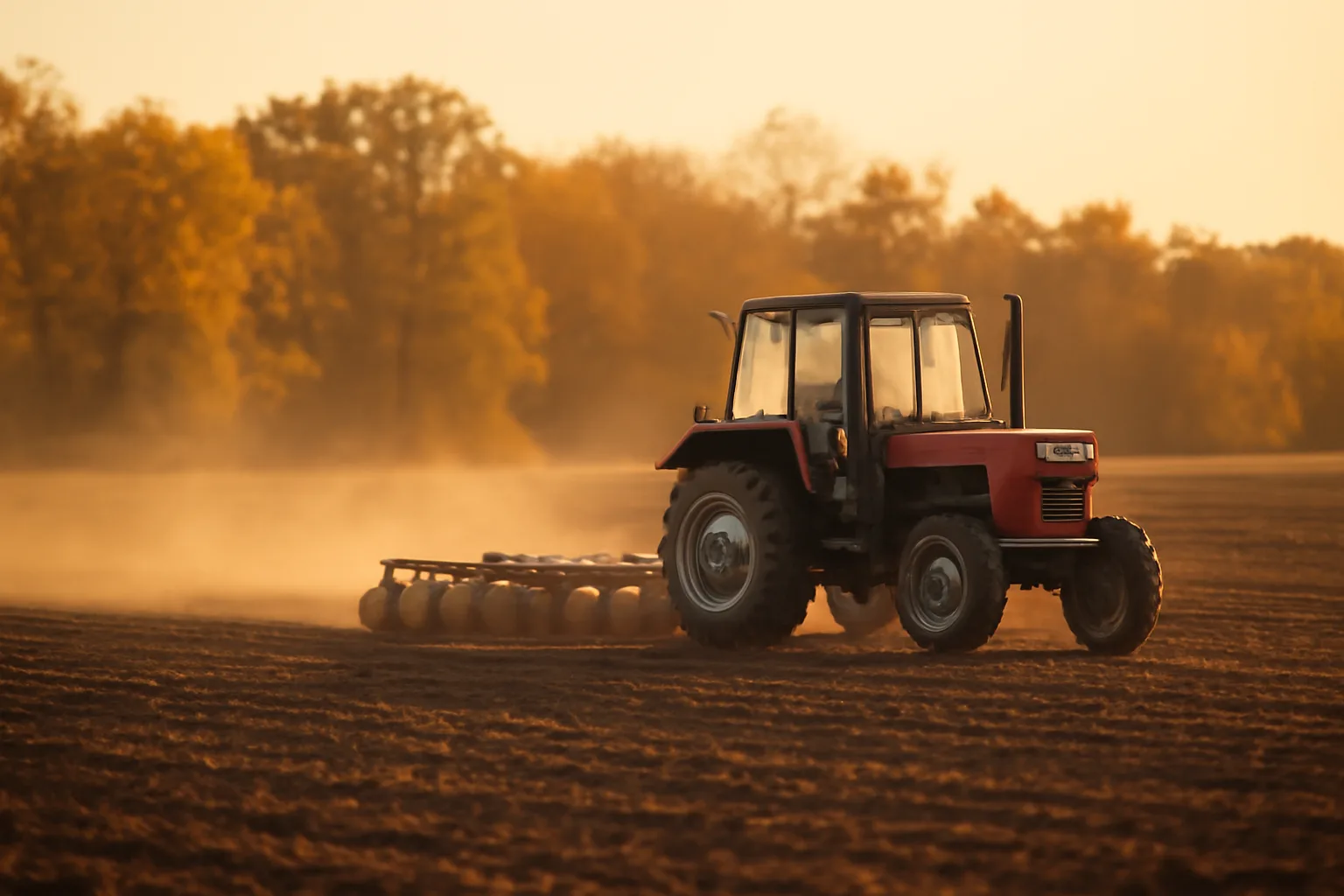
A food plot is a planted area of forage or grain, usually a quarter acre to several acres, established specifically to feed and hold deer or other wildlife on hunted ground. It's not a lawn and it's not a farm field, though the equipment overlaps with both. At minimum, you need three things: a way to prepare the soil, a way to plant the seed, and a way to control weeds. That's it. Everything else (cultipackers, disc harrows, no-till drills, ATV sprayers) is about doing those three jobs faster or on more acres. The USDA Natural Resources Conservation Service treats wildlife food plots as a habitat practice under its conservation programs, and its guidance for seedbed prep is the same logic row-crop farmers use: a firm, weed-free seedbed with good seed-to-soil contact [1]. You don't need a $300,000 combine to hit that standard on two acres. You need the right tool for your soil and your acreage, used at the right time. Most hunters way overspend on their first plot. A guy with three-quarters of an acre in the back forty does not need a tractor. He needs a hand spreader, a rented disc or a heavy chain drag, a pull-behind cultipacker or a section of chain-link fence weighted with cinder blocks, and a backpack or ATV sprayer. That setup costs under $500 if he already has an ATV, and it'll plant a plot as well as gear costing ten times as much.
What equipment do I need for a small food plot (under 1 acre)?
For plots under an acre, you can skip a tractor entirely. An ATV or UTV with a pull-behind implement handles almost everything. Here's a realistic small-plot kit: a hand-crank broadcast spreader ($20-60) or a tow-behind spreader for the ATV ($150-400), a disc harrow or drag harrow sized for ATV pulling ($200-600 new, often less used), a cultipacker or drag to firm the seedbed after planting ($300-800, though a chain-link mat works almost as well for $0 if you have scrap fence), and a 15-25 gallon ATV sprayer for herbicide ($150-350). Many county extension offices and conservation districts rent no-till drills and other equipment to landowners at low daily rates, which is worth checking before you buy anything. Land-grant universities like Mississippi State's Extension service publish plot-prep guides built around exactly this kind of small-acreage gear, not full-size farm equipment [2]. If you're planting brassicas like turnips or a clover blend on a small plot, seed-to-soil contact matters more than horsepower. A firm, shallow seedbed from a cultipacker beats a rough, cloddy one from an undersized disc every time. Cost matters less than sequence: till, plant, pack, and don't skip the pack step because you're impatient.
What equipment do I need for larger food plots (1 to 5+ acres)?
| Under 1 acre | ATV/UTV, hand or tow spreader, small disc or drag, cultipacker, ATV sprayer | $500-2,000 | |
|---|---|---|---|
| 1-3 acres | UTV or compact tractor, 3-pt disc, cultipacker, box blade, sprayer | $3,000-12,000 | |
| 3-5+ acres | Mid-size tractor, disc, cultipacker or drill, box blade, boom sprayer | $10,000-30,000+ | These are ranges, not quotes. Used equipment values swing hard by region and year, and a beat-up tractor with a bad clutch is worth a fraction of a well-maintained one with the same hours. If you're buying used, get a mechanic or an experienced farmer to look at it first. |
Once you're planting multiple acres across several plots, a tractor starts paying for itself in time saved, more than capability. A used 30-45 horsepower tractor (roughly $10,000-25,000 depending on age, hours, and region) with a 3-point disc harrow, a cultipacker, a box blade for leveling, and a boom or pull-behind sprayer covers almost every plot scenario a hunter will face. Add a broadcast spreader that mounts to the 3-point hitch or the back of the tractor for even coverage on bigger acreage. No-till drills are the other option for larger operators, especially on erosion-prone ground or where you want to plant into standing residue without a full tillage pass. A drill costs more upfront (used units start around $3,000-5,000 for older models, new ones run much higher) but it cuts your field passes from three or four down to one, and it handles a wider range of seed sizes and depths more precisely than broadcasting. Here's a rough comparison of equipment paths by plot size: | Plot size | Core equipment | Approximate cost |
Do I need a tractor, or will an ATV/UTV work?
For most hunters planting one to three small plots, a UTV with the right implements works fine. A tractor becomes worth it once you're managing several plots, breaking new ground, or working heavier clay soils that a UTV can't pull a disc through effectively. The honest answer depends on soil, not acreage alone. Sandy or loamy soil in an existing plot is easy work for a 500cc UTV pulling a light disc. Heavy clay, compacted logging roads converted to plots, or breaking sod for the first time is a different job, and an underpowered machine will just spin and struggle. If you're on the fence, renting a tractor for a weekend (many farm equipment rental yards and some extension programs offer this) to do the initial breaking, then switching to UTV-scale maintenance tillage in future years, is a smart middle path. You pay for horsepower once, for the hard job, and use lighter gear for annual upkeep after that.
When to plant food plots for deer, and does timing change what equipment I need?
Planting windows depend on your USDA plant hardiness zone and whether you're planting a spring/summer annual or a fall perennial or brassica blend. Cooperative extension services publish zone-specific planting calendars, and your state wildlife agency often has a food plot guide tuned to local deer season timing too. As a rough national pattern: spring plots (clover, chicory, soybeans, spring oats) go in after your last frost date, typically April through May in northern states and March in the Deep South. Fall plots (brassicas, cereal grains, fall oats) go in 60-90 days before your first fall frost so plants mature before deer season and before hard freezes shut down growth. Timing changes your equipment needs less than it changes your urgency. Spring planting into cool, often wet soil means you want equipment that won't compact the ground when it's too wet to work, which argues for lighter no-till approaches over heavy disc work. Fall planting windows are usually tighter and drier, so a disc-and-cultipack sequence that needs a few dry days in a row is more predictable. If you're planting a fall blend of oats, brassicas, and clover together, seed size varies a lot within that mix, and a no-till drill with adjustable depth settings handles that better than broadcasting where the small clover seed and the bigger oat seed need different planting depths.
When to plant oats for deer?
Oats for fall food plots are typically planted 45-60 days before your area's average first frost date, which lets them establish and put on leafy growth before cold slows them down. In most whitetail range this lands somewhere between late August and mid-September, though it shifts earlier in far northern states and later in the Deep South. Oats are a cool-season annual and one of the most attractive fall forages for deer, according to state wildlife agency food plot guidance in many whitetail states [2]. They germinate fast, often in 7-10 days with adequate moisture, and don't need much beyond a disced or drilled seedbed at a shallow depth (about half an inch to an inch). Spring oats also work as a quick cover crop or early-season plot, planted after your last frost, though most hunters plant oats specifically for the fall draw because deer hit them hard once temperatures drop and other forage options thin out.
When to plant turnips for deer?
Turnips are a fall brassica, planted 90-100 days before your first expected hard frost, since they need that runway to bulb out and reach peak palatability. In much of the whitetail range, that puts planting dates in the July to early August window, adjusted for your specific frost date. Turnips get sweeter after a hard frost because the cold converts starches to sugars in the leaves and bulbs, which is why deer often ignore a turnip plot in October and hammer it in December. This is well documented in extension brassica planting guides, and it's the most common mistake new plotters make: they plant too late, or they get discouraged when deer don't touch the plot right away in early fall [2]. Seedbed prep for turnips is simple. They need a fine, firm seedbed and shallow planting depth (a quarter inch or less), because the seed is small. A cultipacker before and after broadcasting works well. Skip deep tillage that buries the tiny seed too far down to germinate.
Do deer eat sorghum, clover, and other common food plot species?
Yes to both, though deer use them differently. Grain sorghum is eaten by deer, mostly for the seed heads in fall and winter, and standing sorghum also provides cover, but it's generally considered a lower preference forage compared to soybeans, corn, or brassicas where deer have a choice. It's more often planted as a screening or supplemental grain crop than a primary attractant. Clover is a different story. It's one of the most consistently preferred food plot forages across whitetail range, and deer readily browse it through spring, summer, and fall wherever it's actively growing. Land-grant extension forage research, including work from Mississippi State and Auburn University's extension programs, lists clover among the top perennial food plot choices for both tonnage and crude protein content, often 25-30% crude protein in vegetative clover [3]. The practical answer on "do deer like clover" is yes, strongly, and it's a forgiving perennial that comes back for two to four years with proper mowing and fertility maintenance based on your soil test results. That said, clover alone doesn't carry a plot through a hard winter the way a fall brassica or grain does. Most experienced plotters run clover as their spring/summer perennial and pair it with a fall annual blend elsewhere on the property.
What is deer's favorite food, and does honey attract deer?
There's no single universal favorite, because deer preference shifts by season, region, and what's available naturally. That said, across most food plot research and field observation, soybeans, clover, and standing corn rank consistently high during their respective growing windows, and fall brassicas like turnips and radishes become highly preferred after a frost. Acorns deserve a mention too. In years with a strong acorn crop, deer will often bypass planted food plots almost entirely in favor of natural mast, which is a documented pattern in whitetail nutrition research and one reason food plot success varies so much year to year regardless of what or how well you planted [2]. On honey specifically: deer do have a documented sweet tooth and will eat sugary foods when available, but honey itself isn't a practical food plot input or attractant, and it's not something wildlife agencies or extension programs cover in food plot guidance. If you're thinking of it as a bait or lure, check your state's baiting and feeding regulations first, because many states restrict or ban baiting for deer hunting, and rules vary significantly by state and sometimes by county within a state [4]. A food plot itself is generally treated differently from bait piles under most state laws, but the line depends on your state's specific definition, so it's worth reading your state wildlife agency's current regulations before assuming anything is legal.
What's the right herbicide and spraying setup for food plots?
For most food plots, a 15-25 gallon ATV or UTV-mounted sprayer with a boom or handheld wand covers a season of spot spraying and burndown work. Backpack sprayers (4-5 gallons) work fine for plots under a quarter acre or for spot-treating problem weeds in a bigger plot. Glyphosate-based burndown before planting is standard practice for controlling existing vegetation ahead of a disc pass or no-till drilling, and it's cheap insurance against weed competition choking out young clover or brassica seedlings. Extension weed science programs recommend applying burndown herbicide 7-14 days before planting to let it fully translocate and kill perennial weeds before you disturb the soil [2]. If you're planting a Roundup Ready soybean or corn blend, in-season glyphosate application over the top of the crop is standard, but check your specific seed product's label, since not every food plot blend is herbicide-tolerant. Read labels carefully. Rates, timing, and tank-mix restrictions vary by product and by state, and misapplication wastes money and can set your plot back worse than doing nothing.
How much should I actually budget for food plot equipment?
For a single small plot under an acre, plan on $500-2,000 if you're starting from zero and already own an ATV. That covers a spreader, a rented or cheap used disc, a cultipacker or drag, and a sprayer. For a hunter managing two to four plots totaling a few acres, a realistic first-year budget with a used compact tractor and basic implements runs $8,000-15,000, though buying everything used and shopping farm auctions can push that lower. Ongoing annual costs (seed, lime, fertilizer, fuel, herbicide) are separate and usually run $150-400 per acre per year depending on the blend and your soil test recommendations. The single best money-saving move for a first-time plotter is renting or borrowing the heavy equipment (disc, tractor) for the first plot or two before buying anything. Get a season of real experience with your specific soil and plot layout, then buy gear that matches what you actually needed, not what looked good in a catalog. If you want a shortcut on the planning side, matching seed blend, timing, and equipment sequence to your specific soil test and property is exactly what a Custom Food Plot Plan is built for. It's a $99 one-time plan, and it's general planning guidance, not a substitute for your soil test lab's specific lime and fertilizer recommendations, which remain the authority on your exact ground.
What's a realistic first-year equipment and planting timeline?
Here's how the season typically breaks down for a hunter planting one fall plot and one spring/summer clover plot on the same property. Early spring: pull a soil test (most county extension offices run this for $10-25 and turn results around in 1-3 weeks) [5]. Order lime if needed, since lime takes months to adjust soil pH and works best applied well ahead of planting. Late spring: disc or drill the perennial clover plot after your last frost date, apply lime and starter fertilizer per your soil test, cultipack, and plant. Summer: mow clover periodically to knock back weeds and encourage fresh growth, spot-spray problem weeds, and start planning your fall blend and seed order. Late summer (60-100 days before first frost, species-dependent): burndown spray the fall plot site, disc or drill, plant your oats/brassica/cereal grain blend, cultipack. Fall: monitor growth, and if you're hunting over the plot, check your state's rules on planted food plots versus baiting, since regulations differ and some states have setback distances or reporting requirements for plots near hunting stands [4]. This sequence works whether you're running a hand spreader and an ATV or a 45-horsepower tractor with a full implement set. The gear changes the speed and the acreage you can cover. It doesn't change the sequence.
Where to go next
If you're still deciding what to plant before you finalize your equipment list, start with a food plot whitetail overview or dig into deer food plot seed options by species. For blend-specific planning, food plot seed and deer food plots cover selection in more depth, and deer for food and domain food plot seed round out the species-specific guidance worth reading before you buy seed or gear.
Frequently asked questions
Do deer eat sorghum?
Yes, deer eat grain sorghum, mostly the seed heads in fall and winter, but it's generally a lower preference forage compared to soybeans, corn, or brassicas. Most hunters plant it as a supplemental grain or screening crop rather than a primary attractant plot.
Do deer eat clover, and do deer like clover?
Yes, clover is one of the most consistently preferred food plot forages for whitetail deer across most of their range. Extension forage research lists clover among the top perennial choices for tonnage and crude protein, often 25-30% crude protein in actively growing clover.
When to plant deer food plots?
Spring plots (clover, chicory, soybeans) go in after your last frost, typically March to May depending on zone. Fall plots (brassicas, oats, cereal grains) go in 60-100 days before your first fall frost so they mature before deer season and cold weather. Check your local extension office for zone-specific dates.
When to plant oats for deer?
Plant fall oats 45-60 days before your area's average first frost date, usually late August to mid-September in most whitetail range, earlier up north and later in the Deep South. Oats germinate in about 7-10 days with adequate soil moisture.
When to plant turnips for deer?
Plant turnips 90-100 days before your expected first hard frost, typically July to early August depending on your region. Turnips get sweeter and more attractive to deer after frost converts starches to sugar, so plots often see little deer use until December.
What is a food plot?
A food plot is a planted area, usually a quarter acre to several acres, established specifically to feed deer or other wildlife on hunted land. It uses the same basic farming steps as any planted crop: soil testing, seedbed prep, planting, and weed control, scaled to hunting-property size.
What are deer's favorite foods?
There's no single favorite; preference shifts by season and region. Soybeans, clover, and standing corn rank consistently high during growing season, and fall brassicas like turnips get highly preferred after frost. In years with a strong acorn crop, deer often prefer natural mast over any planted food plot.
Do deer like honey?
Deer have a documented preference for sugary foods, but honey isn't a practical food plot input and isn't covered in wildlife agency or extension food plot guidance. If you're considering it as bait, check your state's baiting and feeding rules first, since many states restrict or prohibit baiting for deer.
Do I need a tractor for a food plot, or can I use an ATV?
For plots under an acre in workable soil, an ATV or UTV with a pull-behind disc, cultipacker, and sprayer is enough. A tractor becomes worth it for multiple acres, heavy clay soil, or breaking new ground for the first time.
How much does food plot equipment cost?
A small-plot kit (spreader, disc or drag, cultipacker, ATV sprayer) runs $500-2,000 if you already own an ATV. A larger setup with a used compact tractor and implements runs $8,000-15,000 or more, depending on age and condition of the equipment.
What equipment do I need to plant a small food plot?
At minimum: a broadcast spreader for seed and fertilizer, a disc or drag harrow (or a rented one) to prepare the seedbed, a cultipacker or heavy drag to firm the soil after planting, and a sprayer for herbicide. An ATV or UTV can pull all of these on plots under an acre.
Should I rent or buy food plot equipment?
Rent or borrow the heavy equipment, especially a disc or tractor, for your first one or two plots before buying anything. This lets you learn what your specific soil and acreage actually need before committing several thousand dollars to gear you might not use every year.
Is a no-till drill worth it for food plots?
For larger operations (3+ acres) or erosion-prone ground, yes: a drill cuts field passes and plants more precisely than broadcasting. For a single small plot, the upfront cost (used drills start around $3,000-5,000) usually isn't worth it compared to disc-and-cultipack methods.
Sources
- USDA Natural Resources Conservation Service, Wildlife Habitat Practices: NRCS treats food plots as a habitat conservation practice with seedbed prep standards similar to row-crop agriculture
- Mississippi State University Extension, Establishing Wildlife Food Plots: Extension guidance for small-acreage food plot equipment and planting sequence
- Auburn University Extension, Food Plots for Wildlife: Clover crude protein content and its ranking among preferred perennial food plot forages
- Association of Fish and Wildlife Agencies, state baiting and feeding regulation variability: Baiting and feeding regulations for deer vary significantly by state
- USDA National Institute of Food and Agriculture, Soil Testing through Cooperative Extension: County extension offices offer soil testing services to landowners