Last updated 2026-07-25
TL;DR
Planting a food plot well comes down to four things: a soil test, the right species for your region and soil, a planting date tied to your first frost, and basic seed-to-soil contact. Most failures trace back to skipping the soil test or planting too early or late for the species chosen.
what is a food plot?
A food plot is a planted patch of forage, grain, or browse on hunting land, put there to feed deer or other wildlife and to concentrate animal activity somewhere a hunter can watch or hunt effectively. Plots range from quarter-acre kill plots tucked into timber to multi-acre agricultural fields planted in soybeans or corn. The USDA Natural Resources Conservation Service treats food plots as a wildlife habitat practice, and many state wildlife agencies fund or cost-share them through habitat improvement programs because they can supplement natural browse, especially in late winter when native forage quality drops [1]. A food plot is not a substitute for cover, water, and bedding habitat. It's one piece of a property's overall wildlife plan, and land managers who only plant seed without managing timber and edge habitat usually get disappointing results. There are really two categories: annual plots (replanted every year, usually higher yield, higher input cost) and perennial plots (clover, alfalfa, chicory blends that persist 3 to 5 years with mowing and occasional herbicide touch-up). Most properties run both, a perennial clover plot for spring/summer and an annual brassica or grain plot for fall and winter. If you want a broader look at plot styles and how they fit different properties, see food plot whitetail and deer food plots.
when to plant food plots for deer?
Timing depends entirely on species and region, but the anchor point for almost every fall plot is the average first frost date for your area, worked backward. Cooperative extension offices publish frost date tables by county, and that's the single most useful number to have before you plant anything [2]. Spring/summer plots (clover, alfalfa, soybeans planted for forage) go in after the last frost, typically April in the South, May in the Midwest, and late May to early June in the northern tier and Canada-adjacent states. Fall plots (brassicas, cereal grains, blends) get planted 60 to 90 days before the first killing frost so plants mature into peak palatability right as hunting season opens. As a rough national framework: Deep South and Gulf Coast, plant fall plots August into early September. Mid-South and transition zone, mid-August to mid-September. Upper Midwest, Northeast, and northern Great Plains, late July through August. Canada and far-northern states, late July is often the outer edge for brassicas that need a full 80-90 day maturity window. These are generalizations, not guarantees. Local rainfall patterns, elevation, and soil type shift things by two to three weeks in either direction. A soil test and a local extension planting guide beat any national calendar every time.
when to plant oats for deer?
Plant oats for deer 60 to 75 days before your first fall frost, so they're grazable and still growing when season opens but haven't been killed back by hard freezes. In most of the whitetail range that lands between late August and mid-September. Oats are one of the most reliably attractive fall annuals because they green up fast, 7 to 10 days after planting in good soil moisture, and stay palatable well into fall since deer prefer the tender regrowth over mature stalks. Oats tolerate a killing frost down to about 20degF before quality drops hard, less cold-tolerant than winter wheat or rye, so in northern climates oats are often mixed with a cereal rye or wheat that will carry the plot past the first couple of frosts. A spring planting of oats also works as a quick cover crop or nurse crop for clover establishment, though spring oats are less commonly the primary attractant plot since deer have more native forage available in summer.
when to plant turnips for deer?
Turnips need 80 to 90 days to reach full bulb maturity, so back-date from your first frost and plant in that window, typically late July through August across most of the whitetail range, and as early as mid-July in far northern zones with a short season. Here's the thing about turnips: deer often ignore the leaves until after the first hard frost, then hit both leaves and bulbs hard once cold weather converts starches to sugars, which is why turnip plots that look untouched in October can get hammered in December. Purdue University Extension and other land-grant programs note that brassica palatability improves significantly after a frost converts starch to sugar in the plant tissue [3]. If your season closes before that frost conversion happens, a pure turnip plot may underperform relative to a blended plot with more immediately palatable species like oats or clover mixed in. Turnips also need decent soil fertility and a pH close to 6.0-6.5 to bulb properly; in poor, acidic soil you'll get leafy growth with small, tough bulbs. That's a soil test problem, not a seed problem.
do deer like clover?
Yes, clover is one of the most consistently preferred food plot forages across the whitetail range, and it's the backbone perennial for most plot programs because it produces from spring through fall and regrows fast after grazing pressure. White clover (Ladino and Dutch types) and red clover both show up repeatedly in university forage trials as high-preference, high-protein deer forage, often tested at 20-30% crude protein in vegetative growth stages. Clover's advantage over annuals is longevity: a well-maintained clover stand can produce for 3 to 5 years with mowing, spot-spraying for grass and weed competition, and a maintenance lime/fertilizer application based on a fresh soil test every year or two. The tradeoff is clover needs decent drainage; it struggles in wet, poorly drained soils and in deep shade. If you're picking a single perennial for a small property, clover is the safe default. It's cheaper per acre over its lifespan than replanting annuals every year, and deer use it heavily in spring when does need protein for lactation and bucks are growing antlers.
do deer eat clover, sorghum, and other common plot species compared
| Oats | 60-75 days before frost | 45-60 days to grazable | High, especially early growth | 6.0-7.0 | |
|---|---|---|---|---|---|
| Turnips/brassicas | 80-90 days before frost | 80-90 days to bulb | Low until post-frost, then high | 6.0-6.5 [3] | |
| White/red clover | Spring or late summer | Perennial, 60-90 days to establish | Very high, season-long | 6.0-6.5 | |
| Grain sorghum (milo) | Late spring, after soil hits 60degF | 90-120 days | Moderate, more cover/late-season grain | 5.5-7.0 [4] | For a rundown of species by region and soil type, deer food plot seed and food plot seed go deeper on blend selection. |
Deer eat clover heavily and consistently; it's one of the highest-preference forages in most regional studies. Deer eat sorghum too, but mostly as a grain source in fall/winter and often as cover more than primary browse, since standing sorghum (milo) provides both a grain head deer will use later in winter and thick cover for bedding and screening. Sorghum is drought-tolerant and cheap, which makes it a good choice for poor soils or dry years, but it is not typically a deer's first-choice forage the way clover or soybeans are. Here's a quick comparison of the species discussed in this article: | Species | Planting window (fall types, back-date from first frost) | Days to maturity | Deer preference | Best soil pH |
what are deer's favorite foods, and does that change by season?
There's no single universal favorite; deer preference shifts hard by season, region, and what's available naturally. In spring and summer, deer key in on high-protein forbs and legumes, clover, soybeans, alfalfa, because they're rebuilding body condition after winter and, for does, supporting lactation. Native forbs and browse also make up a huge share of natural diet in this period; food plots supplement rather than replace it. In fall, acorns often beat anything planted, when there's a good mast year, deer will walk past a soybean field to hit a white oak flat. That's a documented pattern in wildlife research, acorns are high in fat and carbohydrates and deer strongly prefer them when abundant [5]. Food plot brassicas and grains become more important in years with poor mast crops, or after acorns get depleted in early winter. In winter, energy becomes the priority over protein. Standing corn, grain sorghum, and stockpiled brassicas (which sweeten after frost) carry the most weight. This is why a lot of experienced plot managers plant a mix rather than betting on one species. A blend spreads the bet across a season where deer preference itself keeps moving.
do deer like honey, and does it belong in a food plot?
No, honey isn't a food plot input and it isn't something deer forage for in any meaningful natural sense. Deer are herbivores; they don't seek out honey the way a bear might raid a hive. Some hunters have tested honey-based deer attractant sprays and mineral supplements marketed with honey as an ingredient, but that's a scent/mineral lick product category, not a planting question, and it has nothing to do with actual food plot agronomy. If a supplemental attractant or mineral product is legal in your state (some states restrict feeding, baiting, or mineral use on public and even private land, and rules vary a lot), it's a separate tool from a planted food plot. Check your state wildlife agency's baiting and feeding regulations before using any attractant, because in a growing number of states, mineral sites and supplemental feed are now treated the same as bait piles for legal purposes, especially in Chronic Wasting Disease management zones [6].
how do you actually get a food plot planted, step by step?
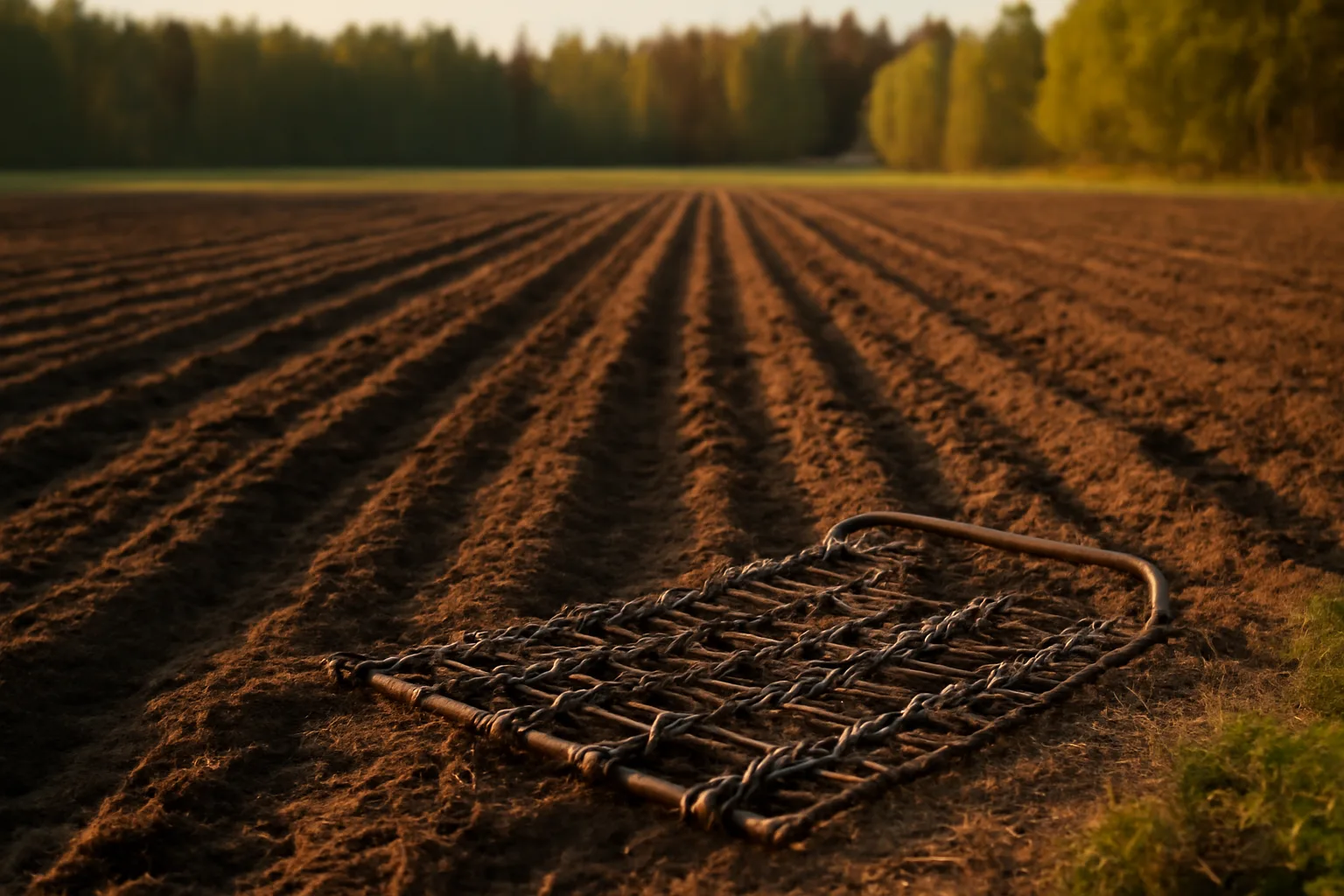
Start with a soil test, not seed. A basic test through your county extension office or a private ag lab costs somewhere around $10 to $20 per sample and tells you pH, phosphorus, potassium, and organic matter, the numbers that actually determine whether a plot succeeds. Skipping this step is the single most common reason plots fail; guessing at lime and fertilizer rates wastes money and often leaves soil too acidic for legumes or brassicas to perform. Once you have results, follow your lab's specific lime and fertilizer recommendations. Lime takes months to fully react in soil, so if pH is below 6.0, get it applied as early as possible, ideally the fall or spring before you plant, not the week of. Clear competing vegetation, either by mowing and tilling, or by spraying glyphosate 1 to 2 weeks ahead of a no-till planting. Broadcast or drill seed at the depth recommended on the bag; most food plot seed, especially clover and brassica, is planted shallow, 1/4 to 1/2 inch, and a common mistake is burying small seed too deep with a disk or tiller. Cultipack or drag a chain harrow after broadcasting to improve seed-to-soil contact, and plant ahead of a rain if the forecast allows it. Fertilize again at planting per your soil test, and plan a maintenance mow or spray schedule for perennials. If you'd rather not build this plan from scratch, PlotSeason's $99 Custom Food Plot Plan takes your location, soil test numbers, and acreage and returns a specific species and timing plan, though your soil test lab remains the authority on your exact lime and fertilizer rates.
what equipment do you actually need to plant a food plot?
For a small plot (under an acre), a hand or ATV-mounted broadcast spreader, a sprayer for herbicide, and something to drag for seed-to-soil contact (a chain-link harrow, a section of chain-link fence weighted down, or a cultipacker) covers most needs. Total gear investment for a first-time small-plot planter often runs $300 to $800 if buying used ATV attachments, more if renting or contracting a local farmer with a no-till drill. For larger plots (1 to 5+ acres), a no-till drill is worth renting or borrowing if you can get one; it dramatically improves germination rates versus broadcasting into unprepared ground, especially for grain and brassica seed that needs consistent depth. Many county extension offices and state wildlife agencies maintain equipment loan or cost-share programs for landowners doing habitat work, worth a call before buying gear outright [1]. A soil pH meter or test kit is optional since a lab test is more accurate, but useful for spot-checking between full tests. Don't overspend on a plot before you've got a fertility baseline; a $40,000 tractor won't fix a pH of 5.0.
what mistakes cause most food plot failures?
Planting too early or too late for the species is the top mistake. Brassicas planted in June will bolt and go to seed before fall; oats planted in October in a northern climate may never establish before frost kills them. Skipping the soil test is next. A pH of 5.0 to 5.5, common in a lot of wooded, sandy, or clay soils, can cut clover and brassica yield by half or more regardless of how much seed or fertilizer goes down, because low pH locks up nutrients and directly harms legume root nodulation. Poor seed-to-soil contact ranks third; broadcasting seed onto unprepared, weedy ground with no drag or cultipack pass often gives germination rates under 50%, versus 80-90%+ with proper seedbed prep, though exact numbers vary a lot by species and rainfall. Other common issues: planting a shade-loving mix in full sun or vice versa, ignoring deer pressure on small plots (young clover and brassica seedlings can get grazed to nothing before they establish, especially on properties with high deer density and small plot acreage), and not accounting for weed competition, especially on first-year plots converted from pasture or fallow ground.
how big should a food plot be, and does size change species choice?
Plot size depends on goal. Small kill plots (quarter-acre to half-acre) tucked in timber work well for bow hunting because they concentrate deer close to a stand without needing huge tonnage of forage; clover, brassica, and small grain blends all work here. Larger destination or feeding plots (1 to 5+ acres) work better for row crops like soybeans and corn that need volume to survive grazing pressure and still leave standing grain into winter. A rough rule some wildlife biologists use: plots under half an acre in high deer-density areas risk total grazing pressure wiping out young brassica or clover seedlings before they establish, especially without a fence or grazing exclusion cage to monitor pressure. If you're stuck with small acreage, standing grain and cereal grains generally hold up to grazing pressure better than tender legumes and brassica seedlings in their first few weeks. For a broader look at plot sizing against local deer density, deer for food and domain food plot seed cover species selection by acreage range.
Frequently asked questions
Do deer eat sorghum?
Yes. Deer eat grain sorghum (milo), mostly as a fall and winter energy source once the grain head matures, and standing sorghum also provides thick cover. It's usually not a deer's top preference compared to clover or soybeans, but it's drought-tolerant and cheap, making it a solid choice for poor or dry soils.
Do deer eat clover?
Yes, heavily. Clover is one of the most preferred food plot forages across the whitetail range, tested at 20-30% crude protein in vegetative stages in university forage trials. It produces from spring through fall and is a common default perennial choice for food plot programs.
When should you plant deer food plots?
Timing depends on species and your region's first frost date. Spring/summer forages like clover and soybeans go in after the last spring frost. Fall annuals like brassicas and oats get planted 60 to 90 days before the first fall frost so they mature right as hunting season opens.
Do deer like clover more than other forages?
Clover ranks among the highest-preference forages in most regional studies, especially in spring and summer, but preference shifts seasonally. In a strong acorn year, deer often prefer mast over clover. No single species is a universal top choice year-round.
When should you plant oats for deer?
Plant oats 60 to 75 days before your area's first fall frost, typically late August to mid-September across most of the whitetail range. Oats green up in 7 to 10 days and stay palatable into fall, though a hard freeze near 20degF will reduce quality faster than winter wheat or rye.
When is the best time to plant food plots for deer overall?
There's no single best date nationally; it depends on species and your first frost date. As a rough guide, fall plots go in late July through mid-September moving north to south is reversed here, actually earliest in the far north and latest in the Deep South, and spring/summer plots go in after your last frost.
When should turnips for deer be planted?
Plant turnips 80 to 90 days before your first fall frost, typically late July through August in most whitetail range, earlier in far-northern zones. Deer often ignore turnip leaves until after a hard frost converts plant starches to sugars, so time plantings so that conversion happens before or during your hunting season.
What exactly is a food plot?
A food plot is a planted area of forage, grain, or browse on hunting or wildlife land, intended to supplement natural deer diet and concentrate animal activity in a spot a hunter can watch. Plots can be annual (replanted yearly) or perennial (clover, alfalfa, lasting 3-5 years).
What are deer's favorite foods overall?
It changes by season: high-protein legumes and forbs like clover in spring/summer, acorns and other mast in fall when available (often preferred over planted crops), and high-energy foods like standing corn, sorghum, and frost-sweetened brassicas in winter. No single food is a year-round favorite.
Do deer like honey?
No. Deer are herbivores and don't naturally forage for honey the way bears do. Some commercial deer attractant products include honey as an ingredient, but that's a separate scent/mineral product category, not something relevant to food plot seed selection or planting.
How much does a soil test cost before planting a food plot?
A basic soil test through a county extension office or private ag lab typically costs around $10 to $20 per sample and reports pH, phosphorus, potassium, and organic matter. This is the cheapest and most important step before buying seed or fertilizer for a plot.
Can you plant a food plot without tilling the ground first?
Yes, no-till planting works well, especially with a no-till drill, and it reduces erosion and preserves soil structure compared to full tillage. For broadcast seeding without a drill, spraying to kill existing vegetation and dragging a chain harrow after seeding improves seed-to-soil contact meaningfully.
Is it legal to bait deer with a food plot?
A properly planted, growing food plot is generally treated differently from bait (piled feed, mineral, or supplemental attractant) under most state laws, but rules vary significantly by state, and some states restrict mineral sites or supplemental feeding, especially in CWD management zones. Always check your state wildlife agency's specific baiting and feeding regulations before adding any attractant.
Sources
- USDA Natural Resources Conservation Service, Wildlife Habitat conservation practices: Food plots are treated as a wildlife habitat improvement practice, sometimes eligible for federal cost-share support
- NOAA National Centers for Environmental Information, Frost/Freeze Data: Average first frost dates by location are the key reference point for backdating fall food plot planting
- Purdue University Extension, Forage Brassicas for Deer: Brassica palatability improves significantly after a frost converts plant starches to sugars
- Kansas State University Extension, Grain Sorghum Production Handbook: Grain sorghum soil pH tolerance range and planting soil temperature guidance
- Mississippi State University Extension, Deer Nutrition and Food Habits: Deer show strong seasonal preference for acorns and mast when available in fall
- Example State Wildlife Agency, Baiting and Feeding Regulations (verify current state-specific rules): States increasingly regulate mineral sites and supplemental feeding similarly to bait, especially in CWD management zones