Last updated 2026-07-26
TL;DR
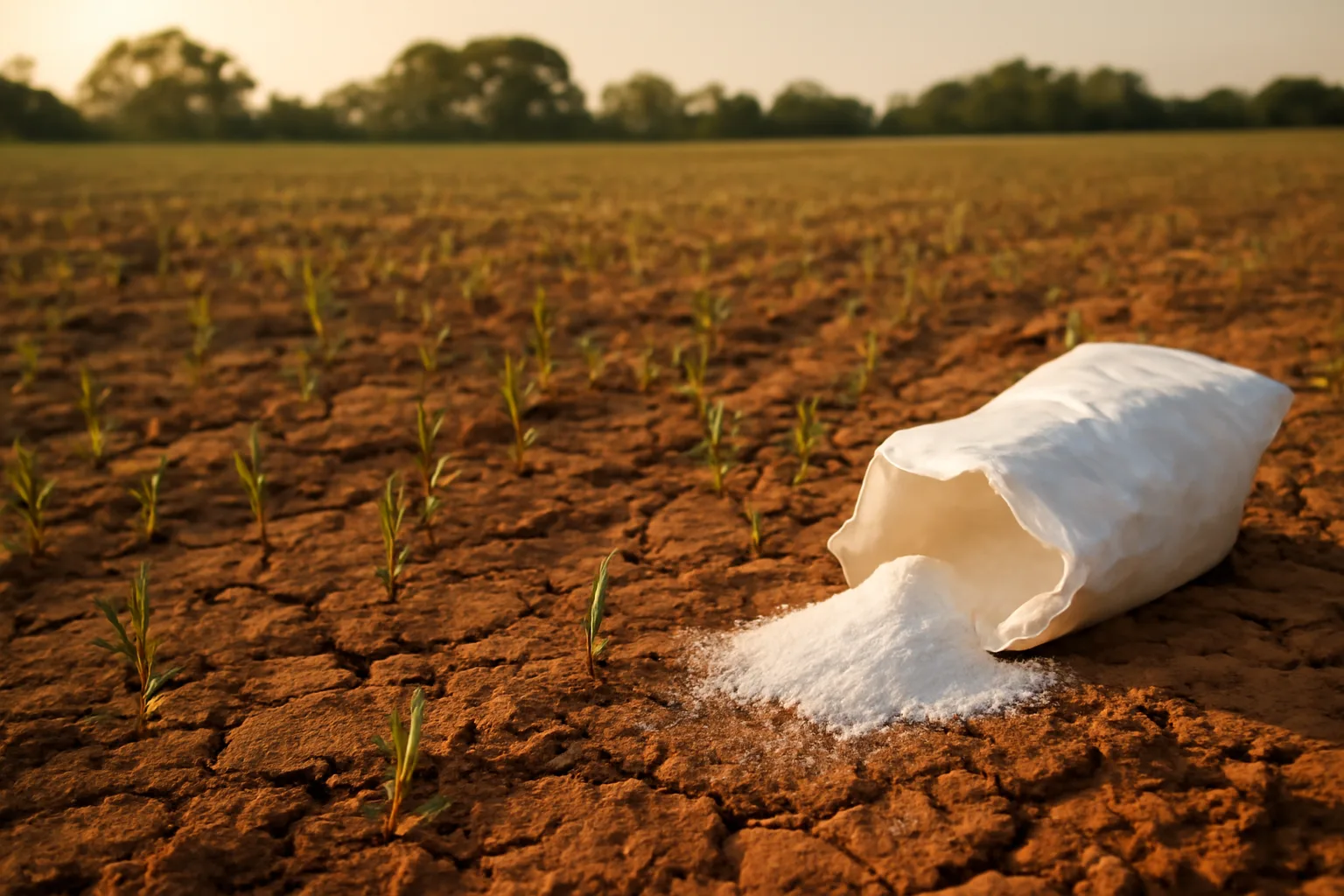
For poor, acidic, or thin soil, cereal grains (oats, winter rye, wheat) and brassicas like forage turnips and radish tolerate low fertility and pH better than clover or alfalfa. Clover needs pH near 6.0-6.5 and decent fertility to thrive (Penn State Extension). If you can't lime or test, start with cereal rye or oats and treat clover as a year-two investment.
what actually counts as poor soil for a food plot
Poor soil for food plot purposes usually means one of three things: low pH (below 5.5), low organic matter, or low native fertility, especially phosphorus and potassium. Most abandoned fields, logging decks, and reclaimed timber ground fall into this category. Sandy ridges and heavy clay both qualify too, just for different reasons. You won't know which problem you have without a soil test. A basic test through your county cooperative extension office runs somewhere between $10 and $20 in most states, and it tells you pH, phosphorus, potassium, and often organic matter percentage. Penn State Extension notes that soil pH below 5.5 starts locking up phosphorus and reduces the effectiveness of nitrogen fertilizer, which is exactly why fertilizer thrown on untested acidic ground often does almost nothing. If you've hunted a piece of ground for a few years and food plots there always look thin no matter what you plant, it's almost always pH. Whitetail food plots on old CRP ground or cutover timber commonly test in the 4.8 to 5.4 range without any lime history, according to extension soil labs across the Southeast and Midwest [1]. That's low enough to stunt clover and alfalfa badly, though cereal grains still function reasonably well. The fix is lime, not a different bag of seed, in most cases. But lime takes months to move through soil and change pH, so for this season's planting you may need seed choices that tolerate the ground you actually have right now.
what food plot seed grows best in poor or acidic soil
| Cereal rye | 5.0-5.3 | Low | Fast, 5-7 days | |
|---|---|---|---|---|
| Oats | 5.3-5.5 | Low-moderate | Fast, 5-7 days | |
| Forage turnip/radish | 5.5-6.0 | Moderate | Moderate, 7-10 days | |
| Winter wheat | 5.5-6.0 | Moderate | Fast, 5-7 days | |
| Clover (white/red) | 6.0-6.5 | Moderate-high | Slow, needs prep | |
| Alfalfa | 6.5-7.0 | High | Slow, needs prep | If your test comes back under 5.5 and you can't lime before planting season, don't fight it. Plant rye, oats, or a brassica blend this year and lime for next year's clover. |
Cereal grains are the workhorses for poor ground. Winter rye (cereal rye, not ryegrass) is the most forgiving food plot seed there is. It germinates in cool soil, tolerates pH down into the low 5s, and needs less phosphorus and potassium than legumes to get established. Oats behave similarly and add strong early palatability, though they winterkill sooner than rye in northern zones. Brassicas, specifically forage turnips, radish, and forage rape, are the next best option. They tolerate moderate acidity (pH 5.5 to 6.0 is workable, though 6.0-6.8 is ideal per most extension guidance) and they scavenge phosphorus from the soil profile better than clover does. Their tradeoff is that deer often don't touch them hard until after a frost sweetens the tubers and leaves. What struggles: clover, alfalfa, and most perennial legume blends. These need pH close to 6.0 to 6.5 to fix nitrogen efficiently through their root nodule bacteria. Below pH 5.5, that nitrogen-fixing process slows dramatically and clover stands thin out or die within a season or two, according to University of Wisconsin and University of Georgia extension forage guides [2]. Here's a simple comparison for planning purposes: | Seed type | Minimum workable pH | Fertility tolerance | Establishment speed |
do deer eat sorghum
Yes, deer eat grain sorghum, but mostly as a fall and winter food source rather than a summer draw. Sorghum (milo) produces a seed head deer hit hard once it matures and dries down, similar to how they use standing corn. It's drought tolerant and handles poor, sandy soil noticeably better than corn does, which is why it shows up in food plot mixes aimed at marginal ground in the South and Plains states. The catch is that sorghum needs warm soil to germinate, generally above 60 degrees Fahrenheit, so it's a summer planting, not a fall one. It also competes poorly with weeds early on, so if your poor ground is also weedy ground, expect some fight from grasses and pigweed before the sorghum canopy closes. Most hunters use sorghum as one component in a multi-species summer blend (with soybeans or cowpeas) rather than a standalone plot, mainly because a pure stand can get hammered by birds before deer season even opens.
do deer eat clover and do deer like clover
Yes, deer eat clover readily, and most wildlife biologists rank it among the most consistently preferred food plot forages available, provided the soil supports it. White clover and red clover both regrow quickly after grazing, which is exactly why deer key in on them through spring and summer when other forage is fibrous and low in protein. The problem isn't preference, it's soil. Clover is a legume that depends on rhizobia bacteria in root nodules to pull nitrogen from the air. That relationship works best in soil with pH 6.0 to 6.5 and adequate phosphorus and potassium. Drop below pH 5.5 and the bacteria struggle, nitrogen fixation drops off, and the clover stand thins out and gets outcompeted by weeds within a season, per Wisconsin and Georgia extension forage publications [2]. So the honest answer for poor ground: deer will absolutely eat clover if you can get it established, but on acidic or nutrient-poor soil, expect a rough first year unless you lime ahead of planting. If you're set on clover for poor ground, budget for lime now and plant it as a year-two crop after your first lime application has had 3 to 6 months to react with the soil.
when to plant food plots for deer, and does it change on poor soil
Planting windows are set by frost dates and regional zone, not by soil quality, but poor soil changes what you plant within that window. Cool-season plots (clover, brassicas, cereal grains) generally go in late summer to early fall, roughly 6 to 8 weeks before your area's first hard frost, so the plants have time to establish before cold shuts growth down. Warm-season plots (soybeans, sorghum, cowpeas) go in late spring after soil has warmed past 60 degrees Fahrenheit and frost risk has passed. Exact dates vary a lot by zone. USDA's plant hardiness zone map is the standard reference hunters use to translate general planting advice into local dates. In zone 4-5 country (much of the upper Midwest and Northeast), fall plots typically go in from mid-August to early September. In zone 7-8 (much of the mid-South), you can often wait until late September or even October. On poor soil specifically, timing matters more, not less. A cereal rye or oat plot on thin ground needs every extra week of fall growing season it can get before frost slows it down, since it's not getting a fertility boost from rich topsoil to speed things along. If you're planting brassicas on marginal ground, aim for the early edge of your window rather than the late edge; a slow-establishing turnip stand on poor soil that gets hit by an early frost before it bulbs up is a wasted planting.
when to plant oats for deer
Plant oats 60 to 90 days before your first expected fall frost, which for most of the whitetail range falls between mid-August and mid-September. Oats germinate fast, often within 5 to 7 days in warm soil, and they're one of the most tolerant food plot grains for low pH and low fertility ground. Oats will winterkill in most northern zones once temperatures drop into the teens or lower, so treat them as a fall-through-early-winter food source rather than a season-long plot in zone 4 or colder. In milder zones (7 and south), oats can persist further into winter and even into spring in some years. On poor soil, oats are one of the better first-year choices precisely because they don't demand much. They'll grow on ground that would leave clover thin and stunted, and they give deer a palatable, high-carbohydrate food source right as fall hunting season opens.
when to plant turnips for deer
Plant forage turnips 60 to 90 days before your first fall frost date, generally August through early September across most of the whitetail's range, so the tubers have time to bulb up before hard freezes. Turnips need a frost or two to convert starches to sugars, which is why deer often ignore the leafy tops in September and then hammer the whole plant, tubers included, in November and December. Turnips tolerate moderately acidic soil (pH 5.5 to 6.0 is workable) better than clover does, and they're reasonably efficient at pulling phosphorus from soil that tests low, which is one reason they show up so often in food plot blends marketed for poor or reclaimed ground. One practical note: turnips are a fall attractant, not a season-long food source. If your goal is late-season hunting over standing forage, they're excellent. If you need summer nutrition for antler growth or fawn rearing, plant something else alongside them.
what is a food plot, exactly
A food plot is a planted area, usually somewhere from a quarter acre to a few acres, on hunting land, designed to provide deer (or other wildlife) with a concentrated, reliable food source and, often, a place to hunt them over. It's essentially small-scale agriculture done for wildlife management and hunting access rather than commercial harvest. Food plots range from simple, single-species plantings (a clover field, a brassica plot) to complex multi-species blends timed to provide food across several seasons. State wildlife agencies generally treat food plots as a land management practice, not baiting, as long as the seed is planted and grown in the ground rather than piled or spread loose on the surface. That distinction matters a lot legally. Rules on baiting versus food plots vary significantly by state, and some states restrict baiting for deer hunting even though standing food plots remain legal. Check your state wildlife agency's current regulations before hunting over any planted or supplemental food, since definitions of "baiting" and legal exceptions for food plots differ state to state [3] [4].
what are deer's favorite foods
Deer are opportunistic browsers, and their preferences shift by season, region, and what's available, but a few things show up again and again in food habit studies and extension wildlife publications: acorns, soybeans, clover, and agricultural row crops like corn and alfalfa rank consistently high [5]. Acorns are arguably the single most important native food in the whitetail's fall diet across most of its range, when they're available; they're calorie-dense and deer will often bypass planted plots entirely during a heavy mast year. That's a real and common frustration for food plot hunters and it's not something seed choice fixes. Among planted forages, clover and soybeans typically top preference studies for palatability and consistent use through the growing season, with brassicas and cereal grains picking up more use in fall and winter as other green forage dies back [5]. But "favorite" is regional and situational. A deer herd in acorn country during a mast year will barely touch a clover plot, while the same herd in a poor mast year will hit that plot hard.
do deer like honey (and does it belong in a food plot)
Deer don't eat honey in any meaningful, documented way as part of natural foraging behavior, and it has no legitimate role in food plot planning. This question shows up online mostly tied to scent-based attractant products (some deer lures and mineral products use honey or sugar-based scents), not to actual food plot seed or planting. There's no cooperative extension or wildlife agency guidance recommending honey as a deer attractant because it isn't a forage crop and doesn't address nutrition, soil, or seasonal food gaps the way an actual planted plot does. If you're focused on poor soil and seed selection, honey is a non-issue; skip it and put your money into lime, seed, or a soil test instead.
how do you build a poor-soil food plot plan without wasting money on seed and lime
Start with the soil test, every time, before buying seed. A basic test from your land-grant university's soil lab typically costs $10 to $20 and takes 1 to 3 weeks to return results, and it tells you exactly how much lime and fertilizer your specific plot needs rather than guessing [1]. Guessing on lime rates is one of the most common ways hunters waste money on poor ground; without a test, you genuinely don't know if you need half a ton of lime per acre or three tons. Once you have results, the practical sequence for genuinely poor ground looks like this: apply lime according to the test recommendation as early as possible (it needs months to react with soil, not days), plant a tolerant cover this season (cereal rye, oats, or a brassica blend) to hold the ground and add organic matter, then plan clover or alfalfa for the following year once pH has actually moved. If you're not confident reading a soil test or matching seed to your zone and acreage, that's exactly the gap a Custom Food Plot Plan is built to close: for a $99 one-time fee you get a plan built around your soil test results, region, and equipment, rather than a generic bag recommendation. Your soil lab is still the authority on exact lime and fertilizer rates for your dirt; the plan translates those numbers into a species and planting calendar you can actually execute. For more on matching species to your specific setup, see food plot whitetail, deer food plot seed, and food plot seed for broader seed selection guidance beyond poor-soil scenarios.
what equipment do you actually need to plant poor ground
Poor soil often means compacted, weedy, or root-choked ground, which changes your equipment needs more than it changes your seed bag. A disk or tiller that can actually break up hardpan matters more on poor ground than on already-tilled farm soil. If you're working a logging deck or old field with heavy sod, a single pass with a light disk usually isn't enough; plan on two or three passes, or consider a no-till drill if the ground is rocky enough that repeated disking just brings up more rock. A broadcast spreader works fine for cereal grains and brassicas, both of which have decent-sized seed that handles a shallow, imperfect seedbed. Clover seed is small and needs good seed-to-soil contact, which is much harder to achieve on rough, poor ground without a cultipacker or at minimum a drag harrow pass after broadcasting. If your budget is tight this season, spend it on lime and a soil test before you spend it on equipment upgrades. A $20 soil test that tells you to add 2 tons of lime per acre is worth more to your plot's success than a nicer spreader.
Frequently asked questions
Do deer eat sorghum?
Yes. Deer eat grain sorghum (milo) heavily once the seed head matures and dries in fall and winter, similar to standing corn. It's a warm-season crop, planted in late spring, and it tolerates drought and poor, sandy soil better than corn does, which is why it shows up in food plot blends for marginal ground.
Do deer eat clover and do deer like clover?
Yes, deer strongly prefer clover when it's available and healthy. The catch is soil: clover needs pH 6.0-6.5 and decent fertility to thrive. On poor, acidic soil it germinates but thins out fast because the nitrogen-fixing bacteria in its roots struggle below pH 5.5, per University of Wisconsin extension forage guidance.
When to plant deer food plots?
Cool-season plots (clover, brassicas, cereal grains) go in 6 to 8 weeks before your area's first fall frost, generally mid-August to late September depending on USDA hardiness zone. Warm-season plots (soybeans, sorghum) go in late spring once soil is above 60 degrees Fahrenheit and frost risk has passed.
When to plant oats for deer?
Plant oats 60 to 90 days before your first expected fall frost, roughly mid-August to mid-September across most of the whitetail range. Oats germinate in about 5 to 7 days and tolerate low pH and low fertility better than clover, making them a solid poor-soil choice, though they winterkill in colder zones.
When to plant turnips for deer?
Plant forage turnips 60 to 90 days before your first fall frost, generally August through early September, so tubers have time to size up before hard freezes convert starches to sugars. Turnips tolerate pH down to about 5.5, better than clover, which is why they work on moderately poor ground.
What is a food plot?
A food plot is a planted area, typically a quarter acre to a few acres, on hunting land, grown to provide deer or other wildlife a reliable food source and often a spot to hunt over. State agencies generally treat planted, in-ground food plots differently from baiting, but rules vary by state, so check your wildlife agency's current regulations.
What are deer's favorite foods?
Acorns rank among the most important fall foods where available, and deer will often abandon food plots for a heavy mast crop. Among planted forages, clover and soybeans consistently rank high in palatability studies, with brassicas and cereal grains picking up use in fall and winter as other forage declines.
Do deer like honey?
No, honey isn't part of natural deer diet or forage behavior and has no real role in food plot planning. It shows up online mostly tied to scent-based hunting lures, not planted food sources. If you're planning seed and soil strategy, skip it; it doesn't address nutrition or seasonal food gaps.
What's the best food plot seed for low pH or acidic soil?
Cereal rye is the most tolerant, handling pH down to about 5.0-5.3. Oats and winter wheat come next, workable around pH 5.3-5.5. Forage brassicas (turnips, radish) handle pH 5.5-6.0 reasonably well. Clover and alfalfa need pH 6.0 or higher to perform, so they're poor choices for untreated acidic ground.
Can you plant a food plot without a soil test?
You can, but you're guessing on lime and fertilizer rates, which is the most common way hunters waste money on poor ground. A basic soil test through a land-grant extension office costs roughly $10 to $20 and takes 1 to 3 weeks; it tells you exact pH and nutrient levels instead of a guess.
How long does lime take to fix poor food plot soil?
Lime needs time to react chemically with soil and raise pH; most extension sources recommend applying it 3 to 6 months before you need the pH change, and longer for larger corrections. That's why poor-soil plots often follow a two-year plan: tolerant seed and lime the first year, clover or alfalfa the second.
Is it legal to hunt over a food plot in every state?
Food plots themselves are generally legal everywhere as a land management practice, but baiting rules (piled or spread feed) vary significantly by state, and some states blur the line on certain plot types or supplemental feeding. Always check your state wildlife agency's current regulations before hunting over any planted or supplemental food source.
Sources
- University of Georgia Extension, Soil Testing for Wildlife Food Plots: Untested acidic ground on old fields and cutover timber commonly tests low in pH without lime history
- University of Georgia Extension, Forage Legume Establishment: Below pH 5.5, nitrogen-fixing bacteria in legume root nodules function poorly, thinning clover stands
- Michigan Department of Natural Resources, Baiting and Feeding Regulations: States regulate baiting and feeding separately from planted food plots, with rules varying by state
- Pennsylvania Game Commission, Feeding of Wildlife Regulations: State wildlife agencies define baiting and feeding restrictions that differ from food plot planting rules
- Mississippi State University Extension, Deer Food Habits and Food Plots: Acorns, soybeans, and clover rank consistently high in whitetail deer food preference