Last updated 2026-07-26
TL;DR
Most food plots go in during two windows: late summer (late July to early September) for fall annuals like brassicas and cereal grains, or spring (April to June) for warm-season plots like clover, soybeans, and sorghum. The exact date depends on your USDA hardiness zone, your first fall frost date, and whether you're planting a perennial or annual. Soil temperature and moisture at planting time matter more than the calendar square.
When should you plant food plots for deer?
There's no single date. Planting timing depends on three things: what species you're planting, your region's frost dates, and current soil moisture. As a rule, fall annual plots (brassicas, cereal grains, clover-and-grain mixes) go in 6 to 10 weeks before your area's first hard frost. Spring/summer plots (soybeans, clover, sorghum, cowpeas) go in after your last frost date, once soil temps hit the mid-50s to 60s Fahrenheit. If you're in the Upper Midwest or Northeast (zones 3-5), that fall window usually falls between late July and mid-August. In the Mid-South and Southeast (zones 7-8), you can wait until September or even early October for brassicas, since your first frost comes later. Spring plots follow the same zone logic in reverse: northern growers wait until mid-May or June for warm-season legumes, while southern growers can plant as early as April. Cooperative extension frost date tables are the best free tool for nailing this down. NOAA's climate normals give you 30-year averages for first and last freeze dates by weather station, and that beats guessing off a seed bag [1]. Don't just trust a bag of seed that says "plant in fall." Pull your county's frost date and count backward.
What is a food plot, exactly?
A food plot is a planted area, usually somewhere from a quarter-acre to several acres, seeded with forage crops to attract and hold deer or improve their nutrition. Think of it as a small, managed field dropped into timber or ag ground specifically for wildlife instead of commercial harvest. Most hunters plant one of two types: annual plots (replanted every year, often brassicas, cereal grains, or soybeans) or perennial plots (clover or alfalfa stands that can produce for 3 to 5 years with proper maintenance and mowing). Annuals give you more flexibility on species and quicker soil-building rotations. Perennials save labor once established but need more upfront soil work, since they're going to sit in the ground a while. State wildlife agencies generally treat food plots differently from bait piles for hunting-regulation purposes, since the crop is grown in place rather than transported and dumped. But the line varies. Some states classify a food plot as baiting once it's been mowed, chopped, or otherwise manipulated close to a hunt. Check your state wildlife agency's current baiting and feeding regulations before you hunt over anything you planted; this is one of the most commonly misunderstood rules in food plot management and it changes state to state and sometimes year to year. For a broader look at plot types and what fits your ground, see food plot whitetail and deer food plots.
When to plant oats for deer
Oats are a fall annual, planted 6 to 8 weeks before your first frost date so they establish before cold really sets in. In most of the Midwest and Northeast that lands between mid-August and early September. In the Southeast, you can push oats into late September or early October. Oats germinate fast, often within 5 to 10 days in warm soil, and deer hit them hard as soon as they're a few inches tall. That's part of why they're a staple in fall blends: quick tonnage, high early attraction, and decent cold tolerance down into the mid-teens Fahrenheit before they really burn back. Oats aren't a true perennial and won't survive a hard winter in the northern tier, so treat them as a one-season fall/early-winter forage unless you're in the Deep South where they can limp through to spring. Seeding rate for oats broadcast alone typically runs 2 to 3 bushels (roughly 64-96 lbs) per acre, though most food plot blends cut that rate since oats are usually mixed with clover or brassicas. Drill depth should be about 1 to 1.5 inches; broadcast-and-cultipack works fine too if you can't drill.
When to plant turnips for deer
Turnips are planted in late summer, generally 90 to 100 days before your first expected frost, since they need that runway to bulb out and reach peak palatability. For most of the country this means late July through mid-August. Wait too long and you'll get leafy tops but skinny, underdeveloped bulbs. Here's the thing about turnips that trips people up: deer often ignore the bulbs early in the season and hammer the leaves first. Then, after a few hard frosts convert starches to sugars, they'll dig up and eat the bulbs too. That's why turnip plots often look untouched in October and get hammered in December and January. If you're hunting early season, don't expect turnips to be your draw crop yet. Seeding rate for turnips alone runs about 4 to 6 lbs per acre broadcast, though most hunters plant them in a brassica blend with radishes or rape rather than as a monoculture. Soil pH matters more here than people think; turnips and other brassicas want a pH in the 6.0 to 6.5 range for the fertilizer you apply to actually become available to the plant. If your soil test comes back below 6.0, lime before you plant, not after. Lime takes months to fully react in the soil, so a fall application timed right at planting won't help that season's crop much. This is exactly why your soil test lab's recommendation, not a general rule of thumb, should drive your lime and fertilizer rates.
Do deer eat sorghum?
Yes, deer eat sorghum, both the standing grain heads and the young foliage, and it's a solid warm-season option in the South and parts of the Midwest. Grain sorghum (milo) is planted in late spring after soil temps hit 60-65°F, similar timing to corn, and it tolerates drought and poor soil better than corn does. Sorghum works best as a component of a summer blend (with cowpeas or soybeans) rather than a standalone plot, partly because deer browse the leaves early and the grain heads mature later, giving you a longer feeding window into fall. It's also a decent screening/cover crop because of its height. One caution: sorghum can develop dangerous levels of prussic acid (cyanide compounds) in young, frost-damaged, or drought-stressed growth. This is a known risk in sorghum-sudangrass hybrids documented in livestock forage management guidance, and while whitetail browsing pressure is different from cattle grazing, it's worth knowing the plant has this chemistry, especially right after an early frost hits new regrowth [2].
Do deer eat clover and do deer like clover?
Yes, deer eat clover, and it's consistently one of the highest-preference forages in food plot research and browse studies. Clover is a perennial legume, meaning one planting can produce forage for multiple years, and it's high in protein, often 25-30% crude protein in vegetative growth stages [3]. White clover (including ladino types) and red clover are the two most common food plot varieties. White clover is lower-growing, more shade-tolerant, and holds up better to repeated grazing pressure, which matters if you've got a lot of deer hitting a small plot. Red clover grows taller, tolerates poorer, more acidic soil a bit better, and is often used as a nurse crop or in transitional plots. Clover is typically planted in spring (April to May in the North, March to April in the South) or in early fall (August to September) so it can establish before summer heat or winter cold stresses young seedlings. Fall plantings often outcompete weeds better since a lot of annual weed pressure has already dropped off by late summer. A well-maintained clover stand, mowed a few times a season and limed per soil test results, can produce for 3 to 5 years before you need to till and reseed [4].
When to plant food plots for deer in spring vs fall (species-by-species chart)
| Oats | Fall annual | 6-8 weeks before first frost | 55-65°F | |
|---|---|---|---|---|
| Turnips/brassicas | Fall annual | 90-100 days before first frost | 55-70°F | |
| Winter wheat/rye | Fall annual | 4-6 weeks before first frost | 50-65°F | |
| White/red clover | Perennial | Spring (Apr-May) or late summer (Aug-Sep) | 50-65°F | |
| Soybeans | Spring/summer annual | After last frost, soil 60°F+ | 60-70°F | |
| Grain sorghum | Spring/summer annual | Late spring, soil 60-65°F+ | 60-65°F | |
| Cowpeas/iron-clay peas | Spring/summer annual | After last frost | 65°F+ | Soil temperature, not the calendar date, is the real trigger for spring plantings. A late cold snap can push your planting window back two or three weeks even if the calendar says it's time. Cheap soil thermometers cost under $15 and take the guesswork out of this entirely; check at planting depth, more than the surface. |
Here's a quick reference for common food plot species and their general planting windows, though your local frost dates should always override generic ranges like these. | Species | Type | Planting window | Soil temp at planting |
How do zone and frost dates change the planting calendar?
USDA plant hardiness zones (based on average annual minimum winter temperature) are a decent shorthand, but for food plot timing, first and last frost dates matter more directly than the zone number itself. Two properties in the same hardiness zone can have frost dates three weeks apart depending on elevation, water proximity, and local terrain. As a rough guide: zones 3-4 (northern Minnesota, Wisconsin, Maine) often see first frost by mid-September, so fall plots need to go in by early August. Zones 5-6 (Iowa, Illinois, Ohio, Pennsylvania) typically see first frost in early-to-mid October, giving you until late August. Zones 7-8 (Tennessee, Georgia, the Carolinas, Texas) often don't see frost until late October or November, so fall plots can wait until mid-September. NOAA's National Centers for Environmental Information publishes 30-year climate normals, including median first and last freeze dates by station, which is a more precise source than a generic zone map [1]. As NOAA describes its own normals dataset, it provides "a large suite of products to summarize climate normal conditions" for individual stations across the country. Pull your nearest station's data once and you'll have a real planting calendar for your specific ground instead of a national average.
What are deer's favorite foods, and does that mean you should plant it?
Deer preference research (much of it from browse surveys and cafeteria-style feeding trials run by university wildlife programs) consistently ranks a handful of forages high: clover, soybeans, chicory, and certain brassica tops rate well, along with natural browse like honeysuckle, greenbrier, and acorns depending on season and region [3]. But "favorite" shifts by season, region, and what's naturally available. A plot that gets hammered in October might sit untouched in July because deer are keying on soft mast or native browse instead. Acorns deserve a mention because in good mast years, deer will often bypass a food plot entirely for a white oak flat dropping acorns. That's not a plot failure, it's deer behaving normally. Planning your species mix around your region's mast cycle, rather than chasing whatever ranked highest on a preference chart, usually pays off better than betting everything on one "magic" species. If you want a planting plan built around your specific soil test results, zone, and property goals rather than a generic list, that's exactly what a Custom Food Plot Plan from PlotSeason is for. It's a $99 one-time plan; your soil test lab's lime and fertilizer recommendations remain the final word on your specific dirt, and the plan is general planting guidance, not site-specific agronomy advice.
Do deer like honey?
There's no real evidence deer seek out honey, and it's not a practical food plot or attractant question in the way the others on this page are. Deer are occasionally documented eating parts of the honeycomb or wax if they encounter a damaged hive, largely opportunistic and rare, not a driver of behavior the way corn, soybeans, or clover are. If you've seen "honey" listed in a scent or attractant product, that's a manufactured lure scent, not a food plot species, and it's a completely different category from what this article covers. Skip it as a planting consideration; it isn't one.
What equipment do you actually need to hit these planting windows?
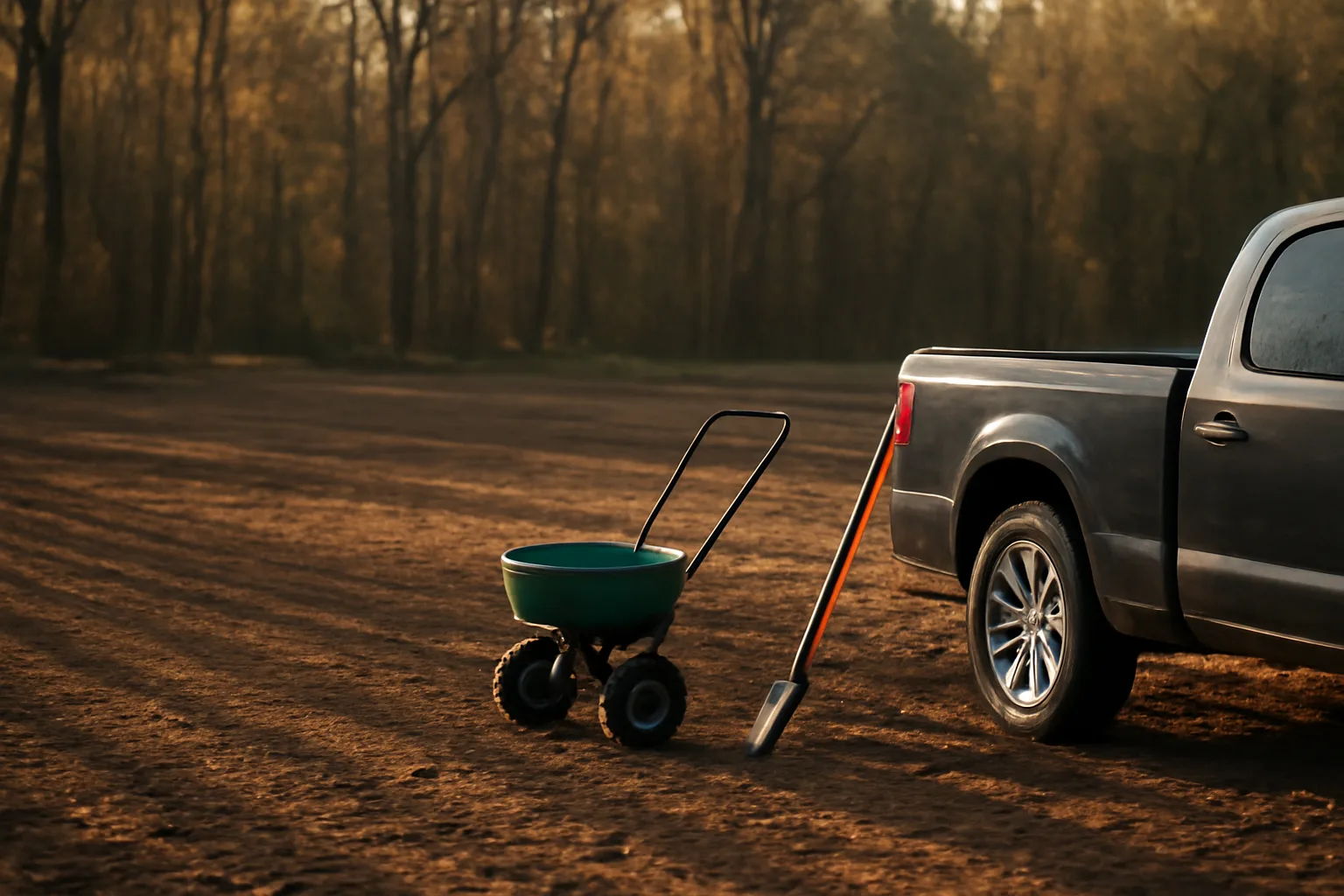
Timing only matters if you can get seed in the ground when the window opens. At minimum you need a way to test and amend soil (a soil test kit or sent sample, plus lime and fertilizer per that test), a way to work the ground (disc, tiller, or no-till drill), and a way to spread seed (broadcast spreader or drill) and pack it in (cultipacker or drag). No-till drills have gotten a lot more affordable and let you plant into standing residue without a full disc-and-till pass, which is a real time-saver when your window is tight (say, a wet August that delays fall planting by two weeks). ATV or UTV-mounted spreaders work fine for smaller plots under an acre; anything larger and a tractor-mounted spreader or drill starts paying for itself in time saved. Soil sample results typically take 1 to 2 weeks to come back from most university extension soil labs, so send your sample 3 to 4 weeks before your target planting date, not the week before. That gives you time to source lime or fertilizer and actually apply it before seed goes down. For a deeper look at seed selection across species, see food plot seed and deer food plot seed.
What if you miss the ideal planting window?
Missing the window by a week or two usually isn't fatal, especially for fall annuals in warmer zones with a longer frost-free tail. But missing it by a month often means weak establishment, thin stands, and forage that never bulks up before winter cold shuts down growth. If you're late on a brassica or oat planting, consider swapping to a faster-maturing option like straight winter rye, which germinates quickly and tolerates cold better than oats or brassicas do, buying you a few extra weeks of flexibility. If you missed spring planting entirely, it's usually smarter to wait for the proper fall window than to force a warm-season crop into shrinking daylight and cooling soil. One more practical note: a late planting into dry August soil often fails not because of temperature but because of moisture. Chasing rain, planting right before a forecasted rain event, matters as much as chasing the calendar date. Check your regional forecast and be ready to plant within a day or two of a good rain rather than sticking rigidly to a pre-picked date.
Frequently asked questions
When is the best time to plant food plots for deer?
Fall annual plots (oats, brassicas, cereal grains) go in 6 to 10 weeks before your area's first frost, often late July through September depending on zone. Spring/summer plots (clover, soybeans, sorghum) go in after your last frost once soil hits 55-65°F. Your local frost dates matter more than a generic national calendar.
Do deer eat sorghum?
Yes. Deer browse sorghum foliage and eat the grain heads, and it's a common warm-season component in Southern and Midwestern food plot blends. It's usually planted alongside cowpeas or soybeans rather than alone. Watch for prussic acid risk in frost-damaged or drought-stressed young regrowth, a documented issue in sorghum-family forages.
Do deer eat clover?
Yes, and clover is consistently one of the highest-preference food plot forages in research and browse surveys. It runs 25-30% crude protein in vegetative growth, according to forage quality data. White clover and red clover are the two most common food plot varieties, planted in spring or late summer.
Do deer like clover more than other food plot crops?
Clover rates very high in most preference studies, often near the top alongside soybeans and chicory, but 'favorite' shifts seasonally. In a heavy acorn year deer may bypass clover for mast entirely. Clover's real advantage is that it's a perennial, giving 3 to 5 years of forage from one planting with proper maintenance.
When should you plant oats for deer?
Plant oats 6 to 8 weeks before your first fall frost date, generally mid-August in the Midwest/Northeast and into September or early October in the Deep South. Oats germinate in 5 to 10 days in warm soil and give quick, high-attraction fall forage, though they aren't cold-hardy enough to survive far-northern winters.
When should you plant food plots for deer overall?
There are two main windows: late summer to early fall (late July through September, zone-dependent) for annuals like brassicas, oats, and cereal grains, and spring (April through June) for warm-season plots like clover, soybeans, and sorghum. Count backward from your local first frost date or forward from your last frost date rather than using a fixed national date.
When should you plant turnips for deer?
Plant turnips 90 to 100 days before your area's first expected frost, generally late July through mid-August for most of the country. Deer often ignore the bulbs until after several hard frosts convert starches to sugars, so turnip plots typically peak in attraction during December and January, not October.
What is a food plot?
A food plot is a planted area, usually a quarter-acre to several acres, seeded specifically with forage crops to attract deer and supplement their diet. Plots are either annuals (replanted yearly, like brassicas or oats) or perennials (like clover, which can produce for 3 to 5 years before needing to be reseeded).
What are deer's favorite foods?
Preference research ranks clover, soybeans, chicory, and certain brassica tops high among planted forages, alongside natural browse like acorns, honeysuckle, and greenbrier depending on season. Preference shifts by region and time of year; in a strong acorn year, deer will often choose mast over a planted plot entirely.
Do deer like honey?
There's no real evidence deer actively seek out honey as a food source. They may occasionally eat comb or wax opportunistically if they find a damaged hive, but it isn't a meaningful food plot or attractant consideration compared to actual forage crops like clover, soybeans, or brassicas.
How far before the first frost should you plant a fall food plot?
Most fall annuals need 6 to 10 weeks before the first hard frost to establish properly: oats and cereal grains need roughly 6 to 8 weeks, brassicas and turnips need closer to 90 to 100 days. Check your county's average first frost date from NOAA climate normals or your local extension office rather than guessing.
Can you plant food plots too early?
Yes. Spring plots put in before soil warms past roughly 55-60°F germinate poorly and get outcompeted by weeds. Fall plots put in too early can bolt, mature, and go to seed or get overgrazed before deer season even starts, especially fast-growing brassica tops planted a month ahead of schedule.
Is it legal to hunt over a food plot?
Generally yes, since a standing planted crop is usually treated differently from bait piles, but rules vary significantly by state and some states restrict hunting over recently mowed or manipulated plots. Always check your state wildlife agency's current baiting and feeding regulations before hunting a plot, since definitions and penalties differ state to state.
Sources
- NOAA National Centers for Environmental Information, U.S. Climate Normals: First and last frost dates vary by region and station, forming the basis for regional planting windows
- Cornell Law School Legal Information Institute, summarizing state wildlife baiting definitions: States define baiting and standing-crop food plot exceptions differently
- Oklahoma State University Extension, Small Grains Forage Production, PSS-2242: Forage oat seeding rate guidance runs roughly 2-3 bushels per acre broadcast
- University of Kentucky Cooperative Extension, Prussic Acid Poisoning of Livestock, AGR-193: Sorghum-family forages can develop prussic acid (cyanide) risk in young, frost-damaged, or drought-stressed growth
- University of Georgia Extension, Clover and Other Legumes for Wildlife Food Plots, Bulletin 1347: Well-maintained clover stands can persist 3 to 5 years with proper liming and mowing