Last updated 2026-07-25
TL;DR
Summertime food plot work is mostly prep and mid-to-late summer planting for fall plots, not summer-only forage. Brassicas like turnips go in July-August, cereal grains like oats go in August-September, and clover establishment or maintenance happens through the summer months. Soil testing and weed control in June and July set up everything that follows.
What is a food plot, exactly?
A food plot is a planted area, usually somewhere between a quarter acre and a few acres, seeded with forage or grain to feed deer and other wildlife and to give hunters a predictable place to set up. It is not the same as a wildlife opening or a fallow field, though those can work in a pinch. A real food plot gets a soil test, some fertility correction, a seedbed, and a species choice that matches the season and the soil. Most state wildlife agencies and land-grant universities treat food plots as a habitat management tool, not a magic bullet. The Mississippi State University Extension describes food plots as "a supplemental food source" that works best alongside natural browse, not as a replacement for it [1]. That framing matters. A half-acre turnip plot next to 200 acres of mature timber with no understory will not fix a deer herd's nutrition problem on its own. For hunters new to the idea, think of a food plot as a small farm field with one customer: local deer. You're picking crops based on what grows in your zone, what your soil can support, and what time of year you want deer using that specific spot. If you want a fuller rundown on the basics, food plot whitetail covers the foundational planning questions.
When should you plant food plots for deer?
| Spring/summer annuals (soybeans, cowpeas, sorghum) | Mid-May to late June | After soil temps hit 60-65°F | |
|---|---|---|---|
| Clover (frost-seeded or new stand) | March-April or August-September | Two windows, spring or late summer | |
| Brassicas (turnips, radish, rape) | Mid-July to mid-August | 60-90 days before first hard frost | |
| Cereal grains (oats, wheat, rye) | Late August to early October | Depends on latitude, aim for 45-60 days before frost | Penn State Extension recommends brassica plantings roughly 6 to 10 weeks before the first expected fall frost so the plants have time to bulk up before deer start hammering them hard after frost sweetens the leaves. That means a hunter in northern Minnesota might be seeding turnips in mid-July, while someone in southern Alabama can wait until late August. If you're not sure which window applies to your specific location, that is exactly the kind of question a soil test and a written plan solve. A $99 Custom Food Plot Plan from PlotSeason at /plot-plan-builder pulls together your zone, your soil results, and species that make sense for your ground, though your soil-test lab's fertility recommendations are always the final word on lime and fertilizer rates. |
Timing depends on what you're planting and where you live, but the short answer is: cool-season plots (clover, brassicas, cereal grains) go in from mid-summer through early fall, and warm-season plots (soybeans, cowpeas, sorghum) go in during spring. "Summertime food plots" usually means the summer prep and planting work that sets up a fall/winter food source, not a plot that peaks in July. The general planting windows most extension programs use look like this: | Plot type | Typical planting window | Region note |
What actually happens in a food plot in summer?
Summer is prep season more than planting season for most fall-focused hunters. June and July are when you soil test, spray or till existing growth, and get ahead of weeds before your main plantings go in. If you skip this step, you're planting brassicas or clover into a mat of foxtail and pigweed, and the new seedlings lose that fight almost every time. A soil test taken in early summer gives you enough lead time to apply lime, since lime takes months to fully adjust soil pH. Purdue University's Forestry and Natural Resources program notes that agricultural lime can take 6 months to a year to fully react in the soil, so summer liming sets you up for a fall planting with a corrected pH rather than a partial fix [2]. If your test comes back at pH 5.5 and your clover wants 6.0 to 6.5, waiting until August to lime means you're planting into acidic soil and hoping for the best. Summer is also when standing spring/summer annuals like soybeans, cowpeas, and sorghum are doing their real work, feeding deer through the stress period of antler growth and lactation. If you planted those in May or June, summer is when you're mowing pathways, checking for deer or insect pressure, and deciding whether a plot needs a second herbicide pass before it goes to seed.
Do deer eat clover, and do they actually like it?
Yes, deer eat clover readily, and most wildlife biologists rank it among the most consistently used food plot forages available. Clover is a legume, so it fixes nitrogen and also delivers 20 to 25 percent crude protein in good stands, which matters most in spring and summer when does are lactating and bucks are growing antlers. White clover and red clover are the two most common plot species. White clover (often labeled as Ladino) tolerates closer grazing and lasts longer under heavy deer pressure, sometimes 3 to 5 years in a stand with good maintenance. Red clover grows taller, produces more tonnage per acre, but tends to thin out faster, often needing reseeding within 2 to 3 years. Clover does have limits. It goes semi-dormant in the hottest, driest part of summer in southern regions, and it can get overwhelmed by grass and broadleaf weeds if you don't mow or spot-spray. It also is not a fall attraction food the way brassicas can be once frost hits, since clover doesn't get sweeter with cold the way a turnip does. Most experienced plotters run clover as a spring-through-summer perennial base and add a brassica or grain plot for the late season punch. For species comparisons across a full planting list, deer food plot seed breaks down attributes by species.
When should you plant turnips for deer, and do they even eat them?
Deer absolutely eat turnips, both the leafy tops and, once a hard frost or two hits, the bulbs themselves. The plant converts starches to sugars after frost, which is why turnip plots often sit almost untouched in September and then get hammered in December. Plant turnips 60 to 90 days before your area's average first hard frost. In much of the whitetail's range that lands somewhere between mid-July and mid-August. The University of Tennessee Extension lists brassica planting dates in the state generally falling between late July and late August depending on region, with earlier dates for higher elevation or more northern counties [3]. A few practical notes on turnips specifically: Turnips need loose, well-drained soil to bulb out properly. Heavy clay or compacted ground gives you good leaf growth but stunted, hard bulbs deer often ignore. Seeding rate matters more than people think. Most extension guides put pure turnip stands at 4 to 6 pounds per acre; overseeding gives you tiny bulbs that never bulk up. Deer often ignore turnip tops early in the season if other food is abundant, then switch hard once acorns run out and frost sweetens the plant. Don't panic if your July-planted turnips look untouched in October. That's normal, not a failure.
When should you plant oats for deer?
Oats go in from late August through September in most whitetail range, aiming for 45 to 60 days of growth before the ground freezes hard. Oats are a fast-germinating cereal grain, often up and growing within a week of a good rain, and deer will use them from the seedling stage right through a moderate frost. Oats are less cold-hardy than wheat or cereal rye. In a lot of the Midwest and Upper South, oats will winterkill after a hard freeze in the teens or lower, meaning the plot might not carry into late winter the way a wheat plot would. Some hunters plant oats specifically because they want a strong early-to-mid fall attraction plot and don't need it to survive January. Others blend oats with wheat or rye so they get the fast fall growth of oats plus the winter survivability of the other grains. A reasonable oat-only seeding rate runs 80 to 100 pounds per acre broadcast, per most extension forage guides, though rates vary some by region and drill versus broadcast method. If you're drilling instead of broadcasting, you can usually cut that rate by 15 to 20 percent since drilled seed has better soil contact and germination.
Do deer eat sorghum?
Yes, deer eat grain sorghum, both the standing grain heads and the plant itself as forage, though it is more commonly grown as a summer annual for tonnage and cover than as a preferred browse crop. Sorghum (milo) tolerates heat and drought better than corn, which makes it a useful choice for summer plots in the southern half of the whitetail's range where July and August can bake out a corn stand. Deer use sorghum less intensely early in the season and more heavily once the grain heads mature and other food sources thin out in fall and winter. It's common to see sorghum planted in a blend with soybeans or cowpeas for a mixed summer plot that gives deer both a protein source (legumes) and a starch/energy source (the grain) heading into fall. One real downside: sorghum can get tall and thick, up to 5 to 7 feet, which some hunters like for screening and bedding cover near a plot edge, and others dislike because it blocks sightlines if planted in the wrong spot. Plant it on the back edge of a plot, not between your stand and the open feeding area, unless the screening is the point.
What are deer's favorite foods, really?
There's no single universal answer, because deer preference shifts by season, region, and what else is available, but extension research and browse surveys point to a consistent short list: acorns, soybeans, clover, and (regionally) chestnuts and apples rank at or near the top almost everywhere whitetails live. Acorns are usually the single most preferred natural food where oaks are present, and deer will often walk past a planted food plot to hit a good acorn drop in October. That's not a plot failure, that's just deer being deer. Soybeans, when available as a standing crop, routinely test at 30-40% crude protein in the leaf stage and get hit hard through summer, though deer often switch to pods and beans later. Among planted forages, most state agency and extension palatability rankings put clover, soybeans, and brassica tops near the top of the preference list, with corn and cereal grains as important but generally lower-preference options until other food is scarce, when they become critical because they're calorie-dense and often the last standing food in a field. The honest caveat: deer preference studies are messy, sample sizes are small, and local food availability swings results a lot. A soybean field surrounded by native browse gets used differently than the same field in a monoculture farm landscape.
Do deer like honey, and does that matter for food plots?
This one comes up because of "Honey Hole" branded seed products and general curiosity, but plain honey is not part of a deer's natural diet and is not something you'd plant or use in a food plot. Deer are herbivores; they browse plants, not sweet liquids from a hive. What people are usually asking about is either a branded seed mix name or the broader idea of sweet, high-sugar attraction, which is closer to what actually happens with frost-sweetened brassicas and turnips than anything involving actual honey. If you see a product or forum thread referencing honey and deer, it is almost always a brand name or a mineral/attractant additive, not a literal honey-based food source. There is no meaningful research or wildlife agency guidance recommending honey as a deer attractant, and most states regulate baiting and feeding closely enough that adding any sugar-based attractant to a plot could cross into baiting rules depending on your state.
Check your state's baiting and feeding rules before you plant or supplement
Baiting and supplemental feeding regulations vary a lot by state, and some rules touch food plots directly, particularly around mineral licks, corn piles, and anything construed as concentrating deer artificially. A planted, in-ground food plot is legal essentially everywhere as normal agriculture, but piling seed, corn, or mineral on top of the ground is a different legal category in many states. Michigan, for example, defines baiting explicitly and regulates it separately from standing crops; check the Michigan DNR's current baiting and feeding regulations page before adding any supplemental feed near a plot [4]. Other states like Pennsylvania have outright feeding bans tied to chronic wasting disease management in certain zones [5]. The rules change often enough, especially in CWD management zones, that a guide written even two years ago might be out of date. Before you add mineral, corn, or any loose supplemental feed near your summer plot work, check your state wildlife agency's current regulation page directly. This isn't a one-time check either; CWD zones and baiting rules get amended seasonally in a lot of states.
How do you build a summer food plot plan that actually fits your ground?
The pieces that matter most are soil test results, your region's frost dates, and what you actually want the plot to do (spring/summer nutrition, early fall attraction, or late-season last-food-standing). Most planning mistakes come from picking a species because it worked for someone else's plot three states away, not because it fits your soil and your calendar. A soil test costs somewhere between free (some state extension programs) and $20-25 per sample through most university soil labs, and it tells you your current pH, phosphorus, potassium, and organic matter. That data point drives lime and fertilizer rate, which drives everything downstream. Guessing on lime is one of the more expensive mistakes a new plotter makes, since a full lime correction on a low-pH field can run several hundred dollars per acre and take months to work into the soil. Once you have a soil test in hand, matching species to your actual frost dates and soil texture is mostly a lookup problem; your state's land-grant extension office almost always publishes regional planting date guides. If you'd rather have someone assemble all of that for your specific spot, a $99 Custom Food Plot Plan through /plot-plan-builder takes your soil test results, your zone, and your goals and turns them into a written planting plan; it's general planning guidance built from your inputs, not a site visit or a guarantee of deer activity, and your soil lab's specific lime and fertilizer numbers should always override generic advice. For more on matching seed blends to your soil and goals, deer food plots and food plot seed both cover species selection in more depth.
What equipment do you actually need for summer plot prep?
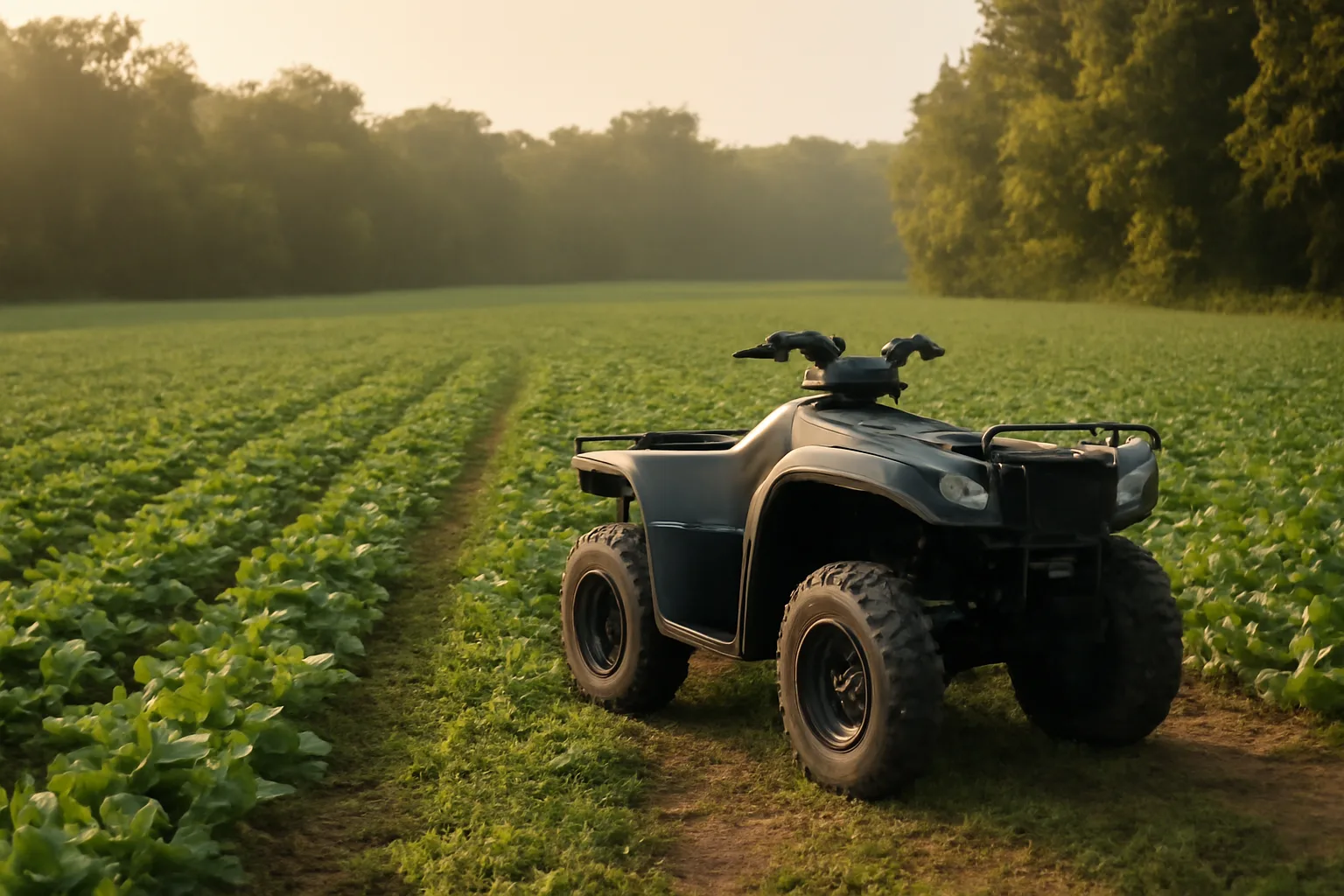
You don't need a tractor and a no-till drill to grow a decent food plot, but you do need some way to kill existing vegetation, work up a seedbed, and get seed-to-soil contact. A lot of small plots (under 2 acres) get built successfully with an ATV, a pull-behind disc or cultipacker, and a hand-crank broadcast spreader. For summer weed control ahead of a fall planting, a glyphosate application 2-3 weeks before you plan to till or drill gives the herbicide time to fully translocate and kill the root system, more than burn the top growth. Spraying and tilling the same day is a common mistake; you kill the leaves but the roots often regrow and outcompete your new seedlings within a few weeks. If your budget or equipment access is thin, broadcasting into a well-timed rain on a lightly disced or harrowed seedbed works fine for clover, brassicas, and cereal grains. Drilling gets you better seed depth control and usually a more even stand, but it's not a requirement for a first plot.
Frequently asked questions
Do deer eat sorghum?
Yes. Deer browse sorghum leaves and eat the grain heads, especially once other food sources thin out in fall and winter. Sorghum tolerates heat and drought better than corn, making it a common summer annual choice in the southern half of whitetail range, often planted in a blend with soybeans or cowpeas.
Do deer eat clover?
Yes, and it's one of the most reliably used food plot forages. Clover runs 20-25% crude protein in a healthy stand, which matters most during spring and summer nutrition demand. Deer use it heavily until it goes semi-dormant in peak summer heat in southern regions.
When should I plant food plots for deer?
It depends on species. Spring/summer annuals like soybeans go in mid-May to late June. Brassicas like turnips go in 60-90 days before first frost, often mid-July to mid-August. Cereal grains like oats or wheat go in late August through September, roughly 45-60 days before hard freeze.
Do deer like clover more than other food plot options?
Clover ranks near the top of most preference lists alongside soybeans and brassica tops, but "favorite" shifts with season and availability. Deer often prefer acorns over any planted forage when a good acorn drop is happening, so clover's ranking depends heavily on what else is available nearby.
When should I plant oats for deer?
Plant oats from late August through September in most whitetail range, aiming for 45-60 days of growth before hard frost. Oats germinate fast, often within a week of good rain, but they're less cold-hardy than wheat or rye and commonly winterkill after a hard freeze in the teens.
When should I plant turnips for deer?
Plant turnips 60-90 days before your area's average first hard frost, which lands between mid-July and mid-August across most of the whitetail range. Deer often ignore the tops until after a frost sweetens the plant through starch-to-sugar conversion, so don't worry if the plot looks untouched early.
What is a food plot, exactly?
A food plot is a planted area, usually a quarter acre to several acres, seeded with forage or grain crops to supplement deer nutrition and give hunters a predictable location to hunt. It requires a soil test, fertility correction, seedbed prep, and species selection matched to season and soil, unlike a natural wildlife opening.
What are deer's favorite foods overall?
Acorns typically top the list where oaks are present, followed closely by soybeans, clover, and regionally chestnuts or apples. Among planted forages, clover, soybeans, and brassica tops rank highest in most preference surveys, though local food availability shifts these rankings a lot from property to property.
Do deer like honey?
No, plain honey isn't part of a deer's natural diet and isn't a food plot input. Deer are herbivores that browse plants. Any reference to deer and honey is almost always a branded product name, not literal honey used as an attractant, and no wildlife agency recommends it.
Can I plant a summer food plot that peaks in July and August?
Yes, using warm-season annuals like soybeans, cowpeas, or sorghum planted in May or June. These give deer high-protein forage through the stress period of antler growth and lactation, but most "summer food plot" work for hunters is actually prep and planting for fall-peaking clover, brassica, or grain plots.
How do I know what to plant based on my soil test?
Your soil test lab reports pH, phosphorus, potassium, and organic matter, and gives lime and fertilizer recommendations for your target crop. Match species to your soil texture and drainage, then follow the lab's specific lime and fertilizer rates rather than generic online advice, since local soil chemistry varies a lot.
Is it legal to use mineral or supplemental feed near a food plot?
It depends entirely on your state. A planted, in-ground food plot is legal nearly everywhere as standard agriculture, but loose mineral, corn piles, or supplemental feed often fall under separate baiting or feeding regulations, some tied to chronic wasting disease management zones. Check your state wildlife agency's current rules before adding anything.
Sources
- Mississippi State University Extension, Food Plots for Wildlife: food plots function as a supplemental food source alongside natural browse, not a replacement for it
- Purdue University Forestry and Natural Resources, Food Plot liming guidance: agricultural lime can take 6 months to a year to fully react in soil
- University of Tennessee Extension, Brassica planting dates for wildlife food plots: brassica planting dates in Tennessee generally fall between late July and late August depending on region
- Michigan Department of Natural Resources, Baiting and Feeding Regulations: Michigan defines and regulates baiting separately from standing agricultural crops
- Pennsylvania Game Commission, Feeding Wildlife and CWD Regulations: Pennsylvania restricts wildlife feeding in certain zones tied to chronic wasting disease management