Last updated 2026-07-26
TL;DR
There is no single best date. Cool-season plots (clover, brassicas, oats) go in late July through September depending on your zone. Warm-season plots (soybeans, sorghum) go in May through June after soil hits 60°F. Match the species to your first frost date, working backward 60-90 days.
What is a food plot, exactly?
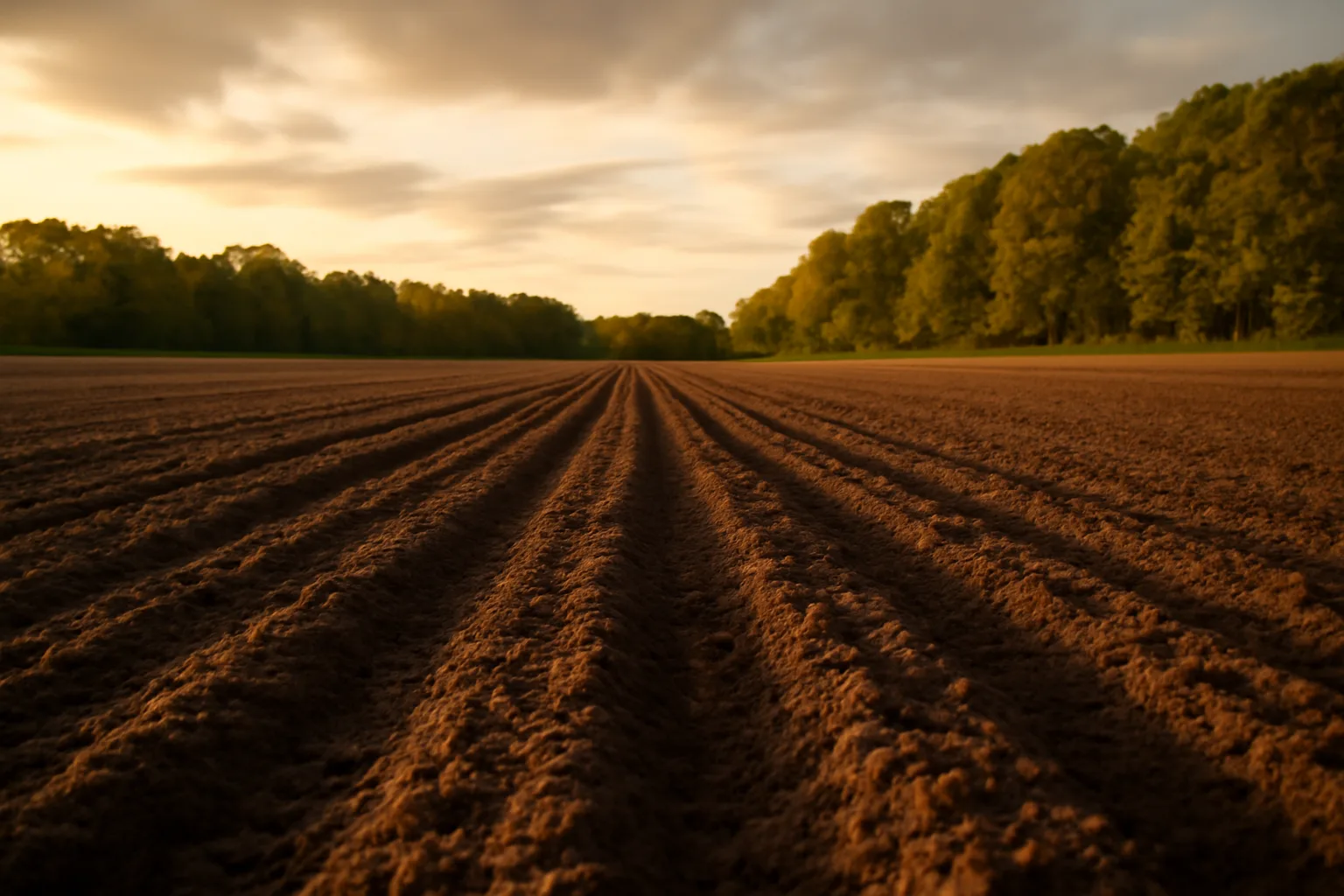
A food plot is a planted area, usually somewhere between a quarter acre and several acres, put in specifically to feed and hold deer or other wildlife on a property. It's not a lawn and it's not a farm field, though it uses the same basic tools: a soil test, seed, fertilizer, and a planting window that matches your climate. Most hunters run two kinds of plots. A perennial plot (clover, chicory, alfalfa) gets planted once and can produce for 3 to 5 years with mowing and maintenance. An annual plot (brassicas, cereal grains, soybeans) gets planted fresh every year and is timed to peak in nutrition or attraction right around hunting season. The USDA's National Agroforestry Center and most state wildlife agencies treat food plots as one tool inside a bigger habitat plan, alongside natural browse, mast trees, and cover. A plot alone won't hold deer if the surrounding habitat is bad, but a well-timed plot can concentrate deer activity and add a nutrition boost during stress periods like late summer and late winter [1]. If you want a plan built around your specific property, that's the kind of thing PlotSeason's $99 Custom Food Plot Plan is built for: a species mix and calendar dialed to your zip code and soil test, not a generic bag of seed instructions. But you can plan a solid plot yourself with the information below.
When should you plant food plots for deer?
| Perennial clover/chicory | Late summer (Aug) or early spring | Soil moisture, weed pressure | |
|---|---|---|---|
| Brassicas (turnips, radish) | 90-100 days before first frost | Frost sweetens the leaves and bulbs | |
| Cereal grains (oats, wheat, rye) | Late Aug to mid-Sept, or very early spring | Cool soil, some frost tolerance | |
| Soybeans, cowpeas | Late spring, after last frost | Warm soil, long growing season needed | |
| Grain sorghum | Late spring, soil 65°F+ | Warm soil, drought tolerance | A soil test should come before any of this. Your county extension office or a private ag lab will tell you actual pH and nutrient levels; that report is the real authority on lime and fertilizer rates for your dirt, not a seed bag's generic chart. |
The honest answer is: it depends on what you're planting and where you live, but almost everything in the whitetail world revolves around your area's average first frost date. You count backward from that date, not forward from some fixed calendar day. For cool-season annuals and perennials (clover, brassicas, cereal grains), extension guidance generally points to planting 60 to 90 days before your average first frost, with brassicas needing closer to 90 to 100 days [2]. That puts most of the Midwest and Upper South in a window from mid-August to mid-September. The Deep South and Gulf Coast can push into October. The Upper Midwest and Northeast often need to start in late July or very early August because their frost date arrives sooner. For warm-season annuals (soybeans, corn, grain sorghum, cowpeas), you're waiting on soil temperature, not frost. Most agronomic guidance wants soil temps consistently at 60°F or higher at planting depth before you drop warm-season seed [3]. That usually lines up with May in the northern half of whitetail country and April in the South. Here's the two-window way to think about it. | Plot type | Best planting window | What drives timing |
When to plant oats for deer
Oats are a fall annual for most of the country. Plant them 6 to 10 weeks before your first fall frost so they have time to establish a leafy stand before growth slows [2]. In much of the Midwest that means late August through mid-September. In the Deep South you can wait until late September or October. Oats germinate fast, usually within 5 to 10 days in good soil moisture, and deer hit young oat shoots hard because the sugar content is high and the leaves are tender. The catch: oats are not very cold-hardy compared to wheat or cereal rye. A hard freeze in the teens or single digits will usually kill an oat plot outright, while wheat and rye keep growing after a light frost and can even green back up in spring. If you want a plot that survives into late winter in a northern climate, blend oats with wheat or rye rather than planting oats alone. The oats give you fast, attractive fall growth, and the wheat or rye carries the plot through when the oats die back.
When to plant turnips for deer (and other brassicas)
Turnips, along with radishes and other brassicas, want to go in 90 to 100 days before your first expected hard frost [2]. That's a longer runway than most cool-season plots because you're growing both a leafy top and a bulb, and the bulb needs real time to size up. The reason brassica plots get planted this early and hunted this late is simple plant chemistry. Frost converts starches in the leaves and bulbs into sugars, which is why deer often ignore a turnip plot in September and then hammer it in November and December once a few frosts have hit it. If you plant too late, you get small bulbs and less of that sugar conversion before deer need the plot most. A common mistake is planting brassicas at the same time as clover or beans. Brassicas need that longer 90 to 100 day window and colder temperatures to reach peak attraction, so they usually go in first, before your other cool-season plots.
Do deer eat clover, and when should you plant it?
Yes. Clover is one of the most consistently preferred whitetail forages across the country. It's high in protein (often 20 to 30 percent crude protein in a well-maintained stand) and deer will use it spring through fall, more than during hunting season. Clover is a perennial, so timing is more flexible than an annual, but you still have two real windows. Late summer planting (roughly 60 to 90 days before frost) lets clover establish roots before winter and gives you a plot ready to feed deer the following spring. Early spring planting, right after the ground thaws and before the heat of summer, is the other common option, especially in the North where fall planting windows are tight. Clover does not like poor drainage or very low pH. Most clover species want soil pH between 6.0 and 7.0. Below that, lime is doing a lot of the real work before seed ever goes in the ground. This is exactly the kind of number your soil test will confirm for your specific field, and it's worth following the lab's lime recommendation over a generic online chart. For a broader look at clover alongside other perennial options, see food plot whitetail.
Do deer eat sorghum?
Yes, deer eat grain sorghum, both the seed heads and the young green growth, though it's generally considered a secondary or supplemental forage rather than a top preference food like clover or soybeans. Sorghum's bigger value on most properties is as cover and as a late-season standing grain source once other plots are picked clean. Grain sorghum is a warm-season crop. Plant it after soil temperatures reach roughly 65°F, which usually means late May into June depending on latitude [3]. It's notably more drought-tolerant than corn, which makes it a reasonable substitute in dry regions or sandy soils where a corn plot would struggle. One real advantage of sorghum: the standing stalks hold up well into winter and can provide both food and screening cover in the same footprint, something clover or brassicas can't do.
Do deer like honey (and other odd attractant questions)
No, honey isn't a meaningful food plot or attractant ingredient for whitetail deer, and there's no research from USDA or land-grant extension programs treating it as a deer forage. Deer are herbivores built to digest cellulose and plant material through a four-chambered stomach; honey doesn't fit their normal diet or feeding behavior in any documented way. This question usually comes from confusion with commercial deer attractant sprays that use sweet, sugary scents, some of which include molasses or sugar-based liquids, not honey itself. If you're looking at a bagged or bottled attractant product, check your state wildlife agency's baiting and feeding rules first. Many states regulate or ban placing feed, minerals, or attractants in a way that concentrates deer for hunting, and the definitions of "bait" vary a lot state to state. A planted food plot is legal to hunt over in the vast majority of states because it's a normal agricultural practice, but a pile of sweet feed or a mineral lick can cross into bait in some jurisdictions. Check your specific state agency page before you put anything out that isn't a planted crop.
What are deer's favorite foods overall?
Deer diet studies consistently show acorns, soybeans, and clover near the top of preferred whitetail foods, with regional variation depending on what's available. Acorns in particular are a preferred fall food almost everywhere whitetail range overlaps oak forest, because of their high fat content, which helps deer build fat reserves heading into winter. Among planted options, soybeans and clover routinely test as the most preferred forages in university browse studies, followed by brassicas (especially after frost), cowpeas, and alfalfa. Corn is eaten readily but is more of a late-season energy source than a preferred forage; deer often use corn heavily only once softer, more palatable options are gone. Here's a rough ranked list based on extension forage studies and preference trials, understanding that local availability shifts this constantly. - Acorns (when available, fall)
- Soybeans (both forage and beans)
- Clover (all season)
- Brassicas/turnips (post-frost)
- Cowpeas (summer)
- Chicory (summer/fall)
- Corn (late season, energy) For a deeper species-by-species comparison, deer food plot seed breaks down attraction versus nutrition tradeoffs plot by plot.
How does your USDA plant hardiness zone affect planting dates?
| Zones 3-4 (Upper Midwest, Northern New England) | Late July to mid-Aug | Late May to mid-June | |
|---|---|---|---|
| Zones 5-6 (Midwest, Mid-Atlantic, Central Plains) | Mid-Aug to mid-Sept | Mid-May to early June | |
| Zones 7-8 (Upper South, Southern Plains) | Early Sept to early Oct | Late April to May | |
| Zones 9 (Gulf Coast, Deep South) | Late Sept to Nov | March to April | The USDA's Plant Hardiness Zone Map is the standard reference most extension programs point to for zone lookups . Cross-reference it with your specific county extension's planting guide, since local frost data is more precise than the broad zone bands. |
Your USDA Plant Hardiness Zone tells you average minimum winter temperatures, and it's a decent rough guide, but for food plot timing the more useful number is your local average first frost date, which you can find through your state's extension office or NOAA climate normals. As a rough zone-based starting point: | Region (approx. USDA zones) | Cool-season plot window | Warm-season plot window |
Spring planting vs. fall planting: which is better?
Neither is universally better; they serve different goals. Fall planting is the default for most deer hunters because it lines up brassicas, cereal grains, and new clover establishment with the season you're actually hunting. Most of the calendar above assumes a fall-focused plan. Spring planting matters most for warm-season annuals (soybeans, cowpeas, sorghum, corn) and for establishing perennial clover or alfalfa in northern zones where the fall window is short and unpredictable. Spring plots also matter for deer nutrition outside hunting season; does are in late gestation and early lactation in spring, and that's a genuine nutritional stress period that a spring-planted perennial plot can help offset [1]. If you only have time or acreage for one plot, most hunters lean fall because it ties directly to hunting season. But a two-plot system, one perennial planted in spring or late summer and one annual brassica or grain planted for fall, covers more of the deer's actual annual nutrition cycle.
How do you figure out your exact planting date?
Start with your average first frost date. Your state extension service publishes this by county, and NOAA's climate normals data covers it too. From there, count backward using the species-specific window (60-90 days for clover and cereal grains, 90-100 days for brassicas). Next, check soil temperature if you're planting a warm-season crop. A basic soil thermometer, the kind sold for around $10 to $15 at farm stores, gives you a more honest answer than guessing off the calendar, since a cold, wet spring can push your real planting date two or three weeks later than the "typical" date for your zone. Finally, don't ignore rain in the forecast. Even a perfectly timed planting date is wasted if you drill seed into bone-dry dirt with nothing in the seven-day forecast. Extension agronomists generally recommend planting into the top half-inch to inch of moist soil rather than waiting for a "perfect" calendar day with dry ground [3]. For equipment-side planning, whether you're broadcasting or drilling, see deer food plots for a rundown on gear that fits small acreage plots.
What if you miss the ideal window?
You still have options, they're just narrower. If you're a few weeks late on a brassica plot, you'll likely get smaller bulbs and less of that frost-sweetened sugar conversion, but the leafy tops will still draw deer, especially if better food is scarce nearby. If you're late on clover, it can still establish, but a late-summer planting that misses its root development window before frost has a real risk of winterkill, particularly in Zones 3-5. In that case, waiting for early spring is usually the smarter move rather than forcing a rushed fall planting. If you're late on a warm-season crop like soybeans, a shorter-season variety (sometimes labeled by "maturity group" on the bag) can still make it before frost in a lot of regions, but check the days-to-maturity number against your remaining frost-free days before you buy seed.
Frequently asked questions
When is the best time to plant food plots for deer overall?
There's no single date. Cool-season plots (clover, brassicas, cereal grains) go in 60 to 90 days before your area's first frost, usually mid-August through September in most of whitetail country. Warm-season plots (soybeans, sorghum) go in late spring once soil hits about 60°F. Your zone and local frost date decide the exact week.
When should I plant oats for deer?
Plant oats 6 to 10 weeks before your first fall frost, typically late August to mid-September in the Midwest and later into fall in the South. Oats germinate fast and deer favor the tender young shoots, but oats aren't very cold-hardy, so blend with wheat or cereal rye if you want the plot to survive into late winter.
When should I plant turnips for deer?
Turnips and other brassicas need 90 to 100 days before your first hard frost, longer than clover or cereal grains, because both the leaves and bulb need time to size up. Frost converts starches to sugars in the plant, which is exactly why deer often ignore a turnip plot in early fall and hit it hard in late November and December.
Do deer actually eat clover?
Yes, clover is one of the most consistently preferred whitetail forages nationwide and shows up near the top of most regional deer diet studies. It runs 20 to 30 percent crude protein in a healthy stand and gets used spring through fall, more than during hunting season, making it one of the better perennial choices for year-round nutrition.
Do deer eat sorghum?
Yes, deer eat both the green growth and grain heads of sorghum, though it's more of a secondary food source compared to clover or soybeans. Sorghum's real strength is standing late into winter as both food and cover, and it handles drought and poor soil better than corn, which makes it a solid substitute in dry regions.
What exactly is a food plot?
A food plot is a planted patch, usually a quarter acre to several acres, seeded specifically to feed and attract deer or other wildlife on hunted land. It uses normal ag practices (soil test, lime, fertilizer, seed) but is timed and species-selected around deer nutrition needs and hunting season rather than commodity harvest.
What are deer's favorite foods?
Acorns, soybeans, and clover consistently rank as top preferred whitetail foods in university browse studies, with regional variation based on availability. Among planted crops, soybeans and clover test highest for preference, brassicas gain preference after frost, and corn is eaten readily but functions more as a late-season energy source than a top-choice forage.
Do deer like honey?
No, honey isn't a real deer food or forage; there's no extension or USDA research treating it as part of a whitetail diet. Deer are herbivores adapted to digest plant cellulose. The confusion likely comes from sugar or molasses-based commercial attractant sprays, which are a different product entirely and may fall under state baiting rules.
Should I plant food plots in spring or fall?
Fall planting fits most deer hunters best because brassicas, cereal grains, and new clover line up with hunting season. Spring planting matters most for warm-season crops (soybeans, sorghum) and for establishing perennial clover in northern zones with short fall windows. A two-plot system covering both seasons gives deer more consistent year-round nutrition.
How far before hunting season should I plant a food plot?
For fall hunting, plant brassicas 90 to 100 days ahead and clover or cereal grains 60 to 90 days ahead of your first frost, which usually lands in August or September depending on zone. Planting too close to hunting season leaves plants immature and less attractive; brassicas especially need multiple frosts to reach peak palatability.
Is it legal to hunt over a food plot?
In most states, yes, because a planted food plot counts as a normal agricultural practice rather than bait. Rules vary though, and some states have specific restrictions on plot size, proximity, or timing relative to hunting. Always check your state wildlife agency's current baiting and feeding regulations before hunting a new plot setup.
What soil temperature do I need before planting a food plot?
Warm-season crops like soybeans, corn, and sorghum need soil consistently at 60°F or higher at planting depth, usually reached in May in northern regions and April in the South. Cool-season crops like clover, oats, and brassicas don't have a hard soil-temperature threshold; timing for those is driven by counting backward from your first frost date instead.
Sources
- USDA Forest Service, National Agroforestry Center: Food plots function as one tool within a broader wildlife habitat plan alongside natural forage and cover
- Purdue University Extension, Cover Crop Species Selection: Cereal rye and wheat are more cold-tolerant than oats and continue growth after light frosts
- Clemson Cooperative Extension, Brassica Crops for Wildlife Food Plots: Frost converts starches in brassica leaves and bulbs to sugars, increasing palatability for deer after several hard frosts
- USDA Natural Resources Conservation Service, Plant Fact Sheet: Red Clover: Clover species generally require soil pH between 6.0 and 7.0 for optimal establishment and growth
- Pennsylvania Game Commission, White-tailed Deer Biology and Food Habits: Acorns are a preferred high-fat fall food for whitetail deer where oak mast is available