Last updated 2026-07-25
TL;DR
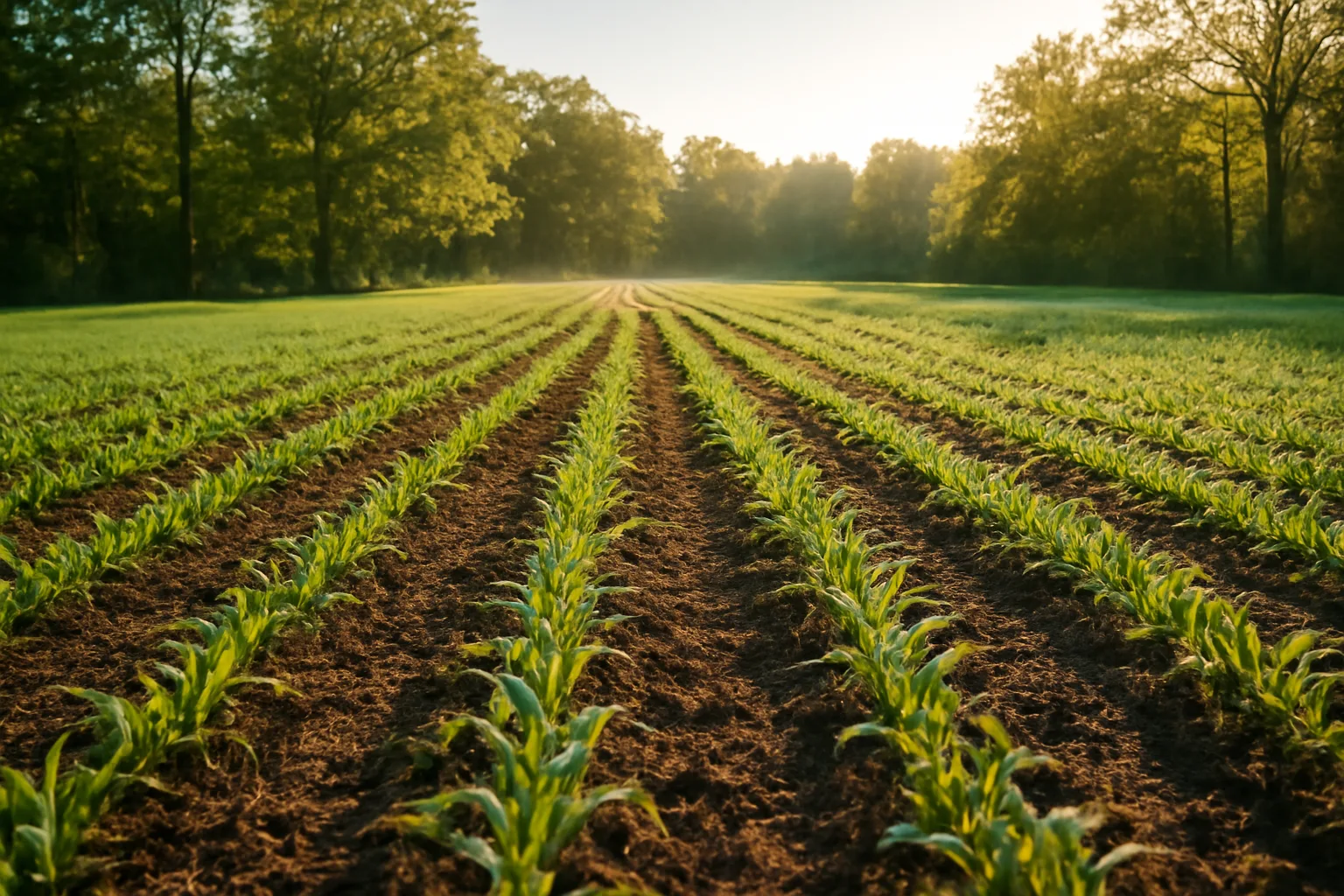
Most annual food plots take 60 to 90 days from planting to a huntable stand, though brassicas like turnips need close to 90 days to bulb up while clover needs 60 to 90 days to establish but keeps producing for 3 to 5 years. Weather, soil fertility, and rainfall shift these windows by two or three weeks either way.
How long does a food plot actually take to grow?
Give a typical annual food plot 60 to 90 days from planting to the point where deer are actually using it heavily. That's the honest range for most warm-season and cool-season annuals under normal rainfall. Some plots green up and get browsed in 3 to 4 weeks (brassica tops, oats, winter peas), but the plants deer really key on, like turnip bulbs or a full clover stand, need the fuller 60 to 90 day window. This isn't one number because a food plot isn't one thing. You've got quick-growing cereal grains, slow-building perennial clover and alfalfa, and brassicas that do nothing dramatic for the first month then suddenly bulb up. Soil temperature, rainfall, and whether you actually limed and fertilized based on a soil test all move that timeline around by a couple weeks in either direction. Cooperative extension guidance backs up the general range. Penn State Extension notes that most annual forage plantings for deer reach a usable growth stage within 45 to 60 days of germination under good conditions, with brassicas and later-maturing species running longer. If you planted into dry ground or skipped lime on acidic soil, add another two to three weeks; slow, uneven germination is the most common reason a plot looks disappointing at the 45-day mark. If you want a planting plan built around your actual soil test and region instead of a generic timeline, that's exactly what a food plot whitetail plan is built to solve.
What is a food plot?
A food plot is a planted area, usually somewhere between a quarter acre and several acres, seeded with forage crops specifically to attract and feed deer or other wildlife on hunting ground. It's not a garden and it's not a lawn. It's agriculture done at small scale with a wildlife goal instead of a harvest-for-sale goal. Most plots fall into two categories: annuals you replant every year (oats, winter wheat, brassicas, sorghum, buckwheat) and perennials that come back for multiple seasons if managed right (clover, alfalfa, chicory). Each has a different growth curve, and that's the root of most confusion about "how long until it's ready." State wildlife agencies generally treat food plots as a habitat management tool distinct from baiting, but the line matters legally. Michigan DNR, for instance, defines baiting as placing food to attract deer for the purpose of taking them, while a food plot grown in place is treated as normal agricultural practice, not baiting [1]. Rules vary a lot by state, especially around Chronic Wasting Disease zones, so check your state wildlife agency's current regulations before you plant near a stand you intend to hunt over.
When to plant food plots for deer?
| Northern (MN, WI, MI, ME) | Late July to mid-August | Mid-May to early June | |
|---|---|---|---|
| Mid-South (KY, TN, VA, MO) | Late August to mid-September | Late April to mid-May | |
| Deep South (AL, GA, MS, TX) | Mid-September to mid-October | Late March to April | For a full breakdown by exact zone and species, the deer food plots planting guide has more detail than a table can hold. |
Plant cool-season plots (clover, brassicas, cereal grains) in late summer to early fall, roughly 6 to 10 weeks before your area's first hard frost. Plant warm-season plots (soybeans, sorghum, cowpeas) in late spring after soil temperatures hit 60 to 65 degrees Fahrenheit and the danger of frost has passed. The frost-date math matters more than the calendar date. Brassicas in particular need a defined window: plant too early and they bolt or get overgrown before hunting season; plant too late and the bulbs never size up. University of Tennessee Extension recommends brassica plantings 80 to 100 days before the first killing frost in your area to give bulbs time to mature [2]. Here's a rough national breakdown, adjust for your actual first-frost date rather than these calendar months: | Region | Fall planting window | Spring planting window |
When to plant oats for deer?
Plant oats for deer 6 to 8 weeks before your first fall frost, which lines up with late August to mid-September across most of the whitetail range. Oats germinate fast, often within 7 to 10 days, and can be grazeable within 3 to 4 weeks, making them one of the quickest plots you can put in the ground. Oats are a cool-season annual and won't survive a hard freeze the way winter wheat or rye will, so they're best treated as an early-season and mid-fall attractant rather than a plot you expect to still be green in January. In the Deep South, a spring oat planting can also work since summers there don't get hot enough to kill them off as fast as farther north. Mississippi State University Extension lists oats among the fastest-establishing cool-season forages for deer, noting they're often ready for grazing pressure within a month of planting under good moisture [3]. If you're chasing a plot that's huntable inside 30 days, oats (sometimes blended with winter peas or brassicas) are usually the answer.
When to plant turnips for deer?
Plant turnips for deer 80 to 90 days before your first expected frost, generally late July through August in northern states and August into early September farther south. Turnips need that long runway because the leafy top grows fast but the bulb, the part deer really hammer once cold weather hits, needs the full season to size up. A common mistake is planting turnips at the same time as oats or clover just because they're in the same fall bag mix. Turnips actually need to go in earlier than most other fall annuals if you want mature bulbs by hunting season. Get them in too late and you'll have thin greens with pencil-sized roots that never draw the attention a full bulb does. Deer often ignore turnip bulbs for the first month or two and hit the leafy tops instead, then switch hard to the bulbs after a couple of frosts convert starches to sugars. That's a documented pattern, more than plot-lore: Purdue University Extension notes that palatability of brassica roots increases notably after frost due to starch-to-sugar conversion in the plant [4]. So a turnip plot that looks ignored in October can turn into the most-hit acre on the property by December.
Do deer eat sorghum?
Yes, deer eat sorghum, both the leaves and stalks as browse and the grain heads once they mature. It's more commonly planted as a warm-season food plot component in the South and Midwest, often mixed with soybeans or cowpeas, and it also works well as screening cover because it grows tall and thick. Grain sorghum takes about 90 to 120 days from planting to grain maturity depending on variety and heat units, according to USDA NASS crop progress reporting for grain sorghum production regions [5]. That's a longer runway than most other summer plots, so it's usually planted for a fall/winter standing crop rather than a quick summer attractant. Deer will nibble sorghum earlier in its growth if nothing else is available, but the real draw comes once seed heads form and start to dry down, typically late summer into fall. If screening cover and a late-season food source are both goals, sorghum does double duty better than most other single-species options.
Do deer eat clover and do deer like clover?
Yes, deer eat clover heavily, and it's one of the most consistently preferred forages in food plot research. Clover is high in protein (often 20 to 25 percent crude protein in a well-managed stand) and stays palatable through most of the growing season, which is why it shows up in nearly every food plot mix on the market. Whether deer "like" clover more than other options depends some on region and what's competing for their attention, but multiple state wildlife agency and extension studies rank clover among the top preferred plot species, especially in spring and early summer when deer need protein for antler growth and lactation. The Quality Deer Management Association (now part of the National Deer Association) has long recommended clover as a foundational perennial for exactly this reason. Clover takes 60 to 90 days to establish a full stand from seed, but here's the tradeoff: once established, a good clover plot can produce for 3 to 5 years with proper mowing, weed control, and periodic fertilization based on soil test recommendations, versus replanting an annual every single year. That makes the upfront wait worth it for a lot of landowners. If you're weighing clover against other perennial and annual options for your specific acreage, the species and strategy comparisons can help you pick.
What are deer's favorite foods?
Deer preference shifts by season and region, but research consistently ranks acorns, soybeans, clover, and agricultural crops like corn and alfalfa among top whitetail food sources. In food plot specific studies, clover, soybeans (as a growing crop, more than the beans), and brassicas after frost tend to draw the heaviest and most consistent use. Natural mast, especially white oak acorns, often out-competes any planted food plot in years with a strong acorn crop, since acorns deliver more fat and carbohydrates deer need heading into winter. That's a real limitation of food plots worth being honest about: in a bumper mast year, don't expect a clover plot to pull deer away from a ridge full of dropping white oaks. USDA Forest Service research on whitetail habitat use notes that hard mast, particularly acorns, is a preferred fall food source wherever it's available in quantity, with deer shifting heavily toward it when mast crops are abundant [6]. Food plots work best as a supplement and a hunting tool, not a total replacement for the natural food already on your property.
Do deer like honey?
There's no real evidence deer seek out honey in the wild or that it's a meaningful food plot or attractant strategy. Deer are herbivores built around a rumen digestive system suited to browse, forbs, and grasses, not the concentrated sugar of honey, and there's no cooperative extension or wildlife agency guidance recommending it as an attractant. What gets confused here is sweet feed and molasses-treated products, which some hunters use as bait or supplemental feed in states where that's legal. Deer will eat molasses-soaked grain readily, and that's a different (and separately regulated) situation from planting or placing honey itself. Baiting rules vary heavily by state, and many states restrict or ban baiting entirely, especially in CWD management zones, so check your state wildlife agency's current regulations before using any bait or attractant, honey included [1]. Bottom line: skip the honey and put that effort into soil fertility instead. A properly limed and fertilized clover or brassica plot will out-draw any sugar-based gimmick every time.
Why is my food plot taking longer than expected?
The most common reasons a plot is behind schedule are low soil pH, poor seed-to-soil contact, and dry weather right after planting. Soil test data from most land-grant universities shows that food plot forages like clover and brassicas perform best in a soil pH range of 6.0 to 7.0, and germination and early growth slow considerably below pH 5.5 [7]. If you skipped lime because your soil test came back a few months before planting, that lime may not have had time to fully react with the soil. Agricultural lime typically takes 3 to 6 months to fully neutralize acidity and raise pH, according to University of Missouri Extension guidance on liming timelines [7]. That's a big part of why a plot that looked fine on paper can grow slow and thin: the fertilizer you applied isn't available to the plant the way it should be in overly acidic soil. Other common culprits: planting too deep (most food plot seed wants a quarter to half inch of coverage, brassica and clover seed even shallower), broadcasting onto unprepared sod without any tillage or herbicide burn-down, and simply not getting rain within the first two weeks. None of these are fixable once the season's underway, which is why getting the soil test and seedbed prep right before planting matters more than any seed blend decision. This is also where a lot of landowners find it worth getting a second opinion on their plan before they spend money on seed. A $99 one-time Custom Food Plot Plan can map out species, timing, and rates against your soil test and zone so you're not guessing at the calendar math on your own; your soil test lab remains the authority on exact lime and fertilizer rates, the plan is general planting guidance layered on top of that.
Can you speed up how fast a food plot grows?
You can shave a couple weeks off a plot's timeline with the right prep, but you can't skip biology. The levers that actually work: correcting soil pH before planting (not after), using a starter fertilizer based on your soil test results, planting into good soil moisture rather than dry dust, and choosing faster-establishing species like oats or forage rape if speed matters more than longevity. Seed size and planting depth also matter more than people think. Clover and brassica seed is tiny and needs to be planted a quarter inch deep or less; bury it an inch down like you would corn and it may never emerge at all, more than emerge late. A cultipacker or roller after broadcasting seed firms the soil-to-seed contact and can meaningfully speed and even out germination, according to general seeding rate guidance from Iowa State University Extension on small-seeded forage establishment [8]. What doesn't work: overseeding rate as a substitute for good seedbed prep. Doubling your seeding rate doesn't make a plot mature faster, it just wastes seed and can actually cause more competition and slower individual plant growth. If you're deciding between equipment options that affect seed-to-soil contact and prep time, the equipment and methods resources cover which tools actually move the needle versus which are nice-to-haves.
How long until a food plot is huntable?
Most hunters can start seeing meaningful deer use on an annual plot 30 to 45 days after planting, though the plot may not be at full growth and attraction until closer to the 60 to 90 day mark. Brassica bulbs specifically won't draw serious attention until after a frost, even if the plot has looked green and full for weeks. A practical rule: if you're planting for opening day of archery season, count backward 60 to 90 days depending on species and pick your planting date from there, then build in a buffer week or two for weather. If your region's archery opener is the first week of October and you're planting a brassica-heavy blend, late July to early August planting gives you the full runway without cutting it close. Early-season quick plots like buckwheat or oats can be huntable-attractive within 3 to 4 weeks, which is a good option if you're starting late or want an early-season draw while a slower perennial like clover is still establishing behind the scenes.
Frequently asked questions
Do deer eat sorghum?
Yes. Deer browse sorghum leaves and stalks, and eat the grain heads once mature, usually 90 to 120 days after planting depending on variety and heat units. It's commonly planted in the South and Midwest, often blended with soybeans or cowpeas, and doubles as thick screening cover along field edges.
Do deer eat clover?
Yes, clover is one of the most consistently preferred food plot forages, often running 20 to 25 percent crude protein in a well-managed stand. Deer use it heavily spring through fall. It takes 60 to 90 days to establish a full stand but can produce for 3 to 5 years with mowing and periodic fertilization.
Do deer like clover more than other food plot species?
Multiple extension and wildlife studies rank clover among the top preferred plot species, especially for spring protein needs, but preference shifts by region and season. In fall, brassicas after frost and standing grain often pull equal or heavier use, so clover is best as one part of a plot rotation, not the only plot on the property.
When to plant food plots for deer?
Plant cool-season plots (clover, brassicas, cereal grains) 6 to 10 weeks before your area's first hard frost, typically late July through September depending on region. Plant warm-season plots (soybeans, sorghum, cowpeas) in late spring once soil hits 60 to 65 degrees Fahrenheit and frost danger has passed.
When to plant oats for deer?
Plant oats 6 to 8 weeks before first fall frost, generally late August through mid-September across most whitetail range. Oats germinate in 7 to 10 days and can be grazeable within 3 to 4 weeks, making them one of the fastest food plot options if you're planting late or want an early attractant.
When to plant turnips for deer?
Plant turnips 80 to 90 days before first frost, generally late July through August in the North and August into early September farther south. Turnips need that long runway because bulbs, the part deer hit hardest after frost, need the full season to size up properly.
What is a food plot?
A food plot is a planted area, usually a quarter acre to several acres, seeded with forage crops to attract and feed deer or other wildlife on hunting land. It's treated as agricultural practice by most state wildlife agencies, distinct from baiting, though exact definitions and restrictions vary by state.
What are deer's favorite foods?
Research consistently ranks acorns, soybeans, clover, and brassicas after frost among top whitetail food sources. Hard mast like white oak acorns often out-competes food plots in years with a strong acorn crop, since acorns deliver more fat and carbs deer need before winter. Food plots work best as a supplement to natural food, not a replacement.
Do deer like honey?
No real evidence supports honey as a deer attractant. Deer are herbivores adapted to browse and forbs, not concentrated sugar. What's sometimes confused is molasses-treated feed, a separate and often state-regulated baiting practice. Skip honey and invest in soil fertility instead; it draws deer more reliably than any sugar gimmick.
How long does it take for a food plot to grow overall?
Most annual food plots take 60 to 90 days from planting to a fully huntable stand, though some deer use can start within 30 to 45 days. Brassica bulbs need the full 80 to 90 days plus a frost to reach peak palatability. Clover takes 60 to 90 days to establish but then produces for multiple years.
Why does my food plot look thin or slow after a month?
Low soil pH, poor seed-to-soil contact, and dry weather right after planting are the most common causes. Lime can take 3 to 6 months to fully raise soil pH, so a plot planted right after liming may still be working through acidic soil that limits nutrient uptake and slows early growth.
Can I plant a food plot without a soil test?
You can, but you're guessing at lime and fertilizer rates, which is the single biggest factor in how fast and how well a plot establishes. A soil test costs relatively little through most land-grant university extension offices and removes most of the guesswork behind slow or patchy growth.
Does frost help or hurt a food plot?
It depends on species. Frost kills warm-season annuals like sorghum and soybeans and stops most annual growth, but it actually improves brassica palatability by converting starches to sugars in turnip and radish bulbs, often triggering a sharp increase in deer use right after the first hard frost.
Sources
- Michigan DNR, Baiting and Feeding Regulations: Definition and distinction of baiting versus standing food plots under Michigan regulations
- University of Tennessee Extension, Brassicas for Deer: Brassica plantings recommended 80 to 100 days before first killing frost to allow bulb maturity
- Mississippi State University Extension, Food Plots for White-tailed Deer: Oats among fastest-establishing cool-season forages, often ready for grazing within a month under good moisture
- Purdue University Extension, Brassica Food Plots: Palatability of brassica roots increases after frost due to starch-to-sugar conversion
- USDA National Agricultural Statistics Service, Crop Progress Reports (Sorghum): Grain sorghum reaches maturity roughly 90 to 120 days after planting depending on variety and heat units
- USDA Forest Service, White-tailed Deer Habitat and Food Habits research summary: Hard mast, particularly acorns, is a preferred fall food source for whitetail deer where available in quantity
- University of Missouri Extension, Soil pH and Liming: Food plot forages like clover and brassicas perform best at soil pH 6.0 to 7.0; growth slows below pH 5.5
- Iowa State University Extension, Establishing Small-Seeded Forages: Firming soil after broadcasting small-seeded forage improves and speeds germination