Last updated 2026-07-25
TL;DR
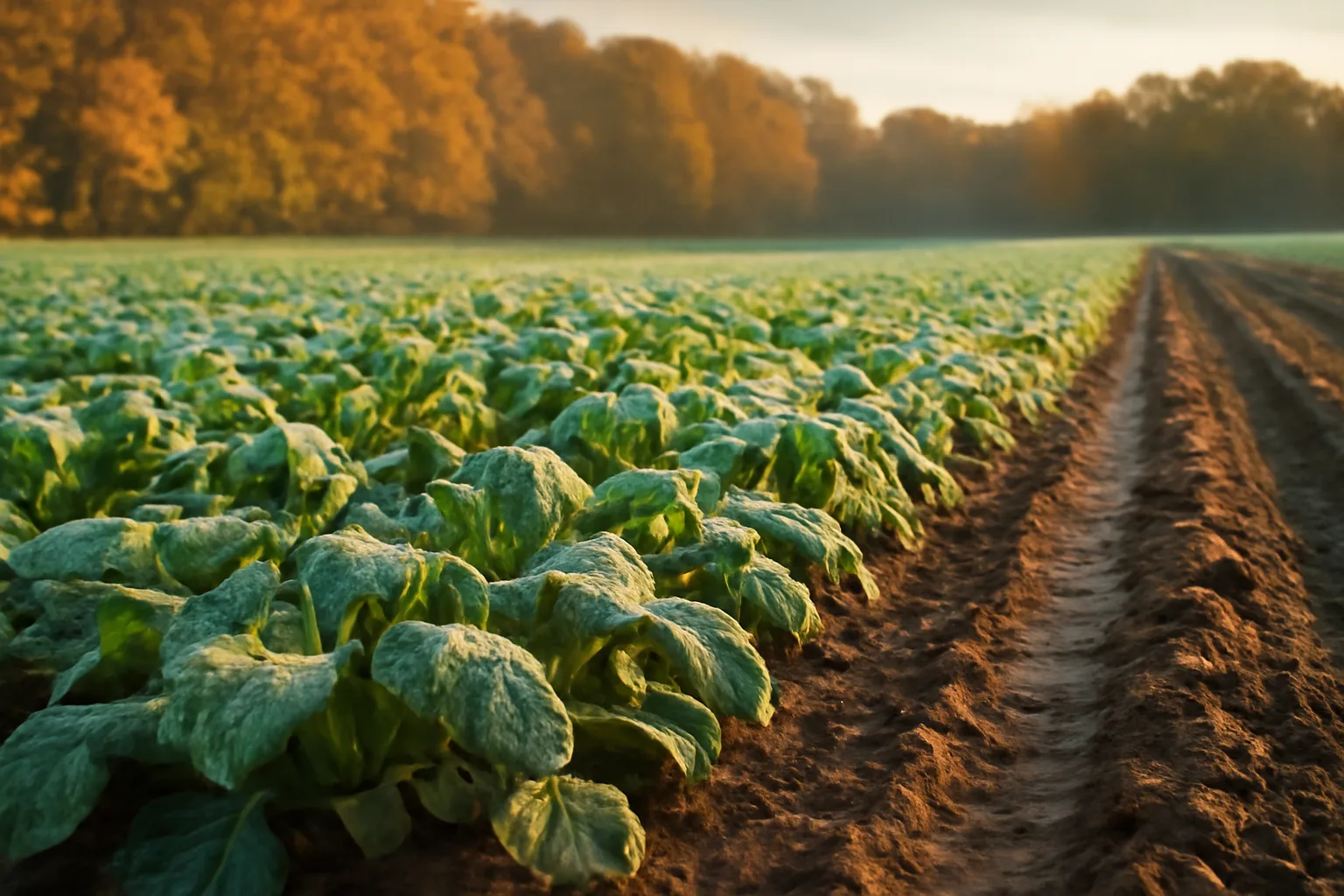
Plant turnip seed for deer 60 to 90 days before your first hard frost, at 2 to 4 lbs per acre broadcast into a firm, fertilized seedbed. Deer often ignore turnip tops until a hard frost sweetens the plant, and they'll dig up the bulbs later in winter when other food is gone.
What is a food plot and where does turnip seed fit in?
A food plot is a planted area on hunting ground, usually a fraction of an acre up to several acres, meant to feed deer and other wildlife and to give hunters a predictable place to set up. Most plots run somewhere between a quarter acre and five acres depending on the property, though state agency guidance and university extension work both note that smaller plots (under an acre) tend to see more consistent browsing pressure relative to their size than big ones. Turnip seed is one piece of that puzzle, not the whole plan. Turnips belong to the brassica family, along with radishes, rape, and kale, and they're planted as a fall or late summer food source rather than a spring one. The reason hunters like them: turnips produce both leafy top growth deer will eat in early fall and a starchy bulb deer dig up and eat later, often deep into winter after a hard freeze breaks down the plant's bitterness. A lot of hunters run turnips as part of a blend with clover, oats, or wheat rather than alone. Straight turnip plots can look great in September and then get hammered so hard by November that there's nothing left for late season. If you want a full property plan instead of guessing at mixes, that's the kind of thing a food plot whitetail plan is built around.
When to plant turnips for deer?
| Upper Midwest / Northern tier | Mid-July to early August | Late Sept to early Oct | |
|---|---|---|---|
| Mid-South / Transition zone | Late July to mid-August | Mid to late Oct | |
| Deep South | Mid-August to mid-September | Mid Nov to early Dec | Frost dates above are general averages; check your specific county through your state extension office or NOAA climate data before locking in a date. |
The short answer: plant turnip seed 60 to 90 days before your area's average first hard frost. That gives the plant time to build a bulb and enough leaf mass before growth slows. In most of the whitetail's range that lands somewhere between late July and early September, but the exact date depends heavily on your zone. Purdue University Extension recommends planting brassicas like turnips from mid-July through mid-August in the Midwest, timed so the crop matures going into fall rather than during the heat of summer [1]. In colder northern states and Canada, growers often push planting into late July since the growing season is shorter. In the Deep South, hunters can wait until late August or even September and still get a full 90-day window before frost, since frost dates run much later there. Here's the mistake a lot of first-time turnip planters make: they plant too early, in June or early July, when soil is hot and dry and weed pressure is brutal. Brassicas actually prefer cooler soil to germinate well, and turnip seedlings planted in high summer heat often get out-competed by weeds before they get established. Wait for a rain if you can, and don't be afraid to plant on the later side of your window rather than the earlier one. Zone-by-zone rough guide: | Region | Typical planting window | First frost (average) |
How much turnip seed per acre, and how deep to plant it?
Turnip seed is tiny, similar to canola seed, and that trips people up on planting depth constantly. The University of Kentucky and other extension programs recommend planting brassica seed no deeper than a quarter to half an inch [2]. Broadcast turnip seed on a firm, prepared seedbed and then cultipack or drag it lightly; don't disk it in deep, because seed buried more than an inch often fails to emerge. Seeding rate for straight turnips is typically 2 to 4 lbs of seed per acre when broadcast. Drilled rates run a bit lower, closer to 2 to 3 lbs per acre, since drilling gets better seed-to-soil contact and wastes less seed. If you're blending turnips into a mix with other brassicas or cereal grains, cut the turnip rate down to 1 to 2 lbs per acre so it doesn't crowd out the rest of the blend. Soil contact matters more than almost anything else with a seed this small. A firm seedbed, meaning you can walk across it and only leave a shallow footprint, gives turnip seed the moisture contact it needs to germinate. Loose, fluffy dirt straight off a disk swallows the seed too deep or leaves it exposed to dry out. Soil pH also drives success here more than most people realize. Brassicas want a pH in the 6.0 to 6.8 range for best growth, and if your soil test comes back below 6.0, lime needs time to work, often several months, so test early. Your soil test lab is the real authority on how much lime and fertilizer your specific ground needs; a food plot plan can point you in the right general direction, but it's not a substitute for what your own soil report says.
When to plant food plots for deer overall?
Food plot timing splits into two seasons: spring plots (clover, chicory, soybeans, cowpeas) and fall plots (brassicas like turnips, cereal grains like oats and wheat). Spring plots generally go in after your last frost date, often April through May depending on latitude, while fall plots go in during that 60 to 90 day pre-frost window discussed above. Most hunters running a two-plot system plant perennial clover in spring for summer and early fall food, then plant annual brassicas and grains in a separate plot in late summer for the fall and winter hunting season. That's a reasonable split if you've got the acreage for it. If you've only got one small plot to work with, annual fall blends usually give more bang for the buck during hunting season itself. The USDA Natural Resources Conservation Service and most state wildlife agencies that publish food plot guidance point to the same basic principle: match your planting date to your region's frost-free period and to what the specific species needs to mature. A deer food plot seed blend built for your zone takes a lot of this guesswork out.
When to plant oats for deer?
Oats get planted at roughly the same time as turnips, in that late summer window 60 to 90 days before first frost, because oats are a fast-growing annual cereal grain that deer hit hard in early fall while it's still tender. Oats germinate quickly, often within 5 to 10 days in warm soil, and put on visible growth fast, which is part of why hunters like mixing oats with slower brassicas like turnips. Oats aren't cold-hardy the way winter wheat or cereal rye are. A hard freeze in the teens or lower will usually kill oats outright, while wheat and rye keep growing through much colder temperatures. That's a real tradeoff: oats taste great to deer early and decline fast once it gets cold, while wheat sticks around longer into winter but deer sometimes prefer it less in the early weeks. Seeding rate for oats runs 2 to 3 bushels per acre (roughly 64 to 96 lbs, since a bushel of oats weighs about 32 lbs) when planted alone, drilled about an inch deep. In a mix with turnips and clover, cut that back to 1 to 2 bushels per acre so the oats don't shade out the shorter species.
Do deer eat sorghum, and how does it compare to turnips?
Yes, deer eat sorghum, mainly the grain heads in fall and winter, though it's a much bigger commitment than a turnip plot. Grain sorghum is planted in late spring like corn, needs a full growing season, and works best as a standing grain crop left through winter rather than a quick fall annual. It's more of a Southern and Midwest row-crop option than something most small food plot hunters plant on purpose for deer. Compared to turnips, sorghum takes far longer to mature (90 to 120 days from a spring planting) and needs more acreage and equipment to manage well, closer to farm-scale planting than a food plot disk-and-drag job. Turnips mature faster, need less total ground, and give you both leafy browse in early fall and a stored bulb food source in winter, which sorghum doesn't really offer in the same way. For most leased or owned hunting ground under 20 acres, turnips or a turnip blend is the more practical choice; sorghum makes more sense if you've already got row-crop equipment and larger acreage to dedicate to it.
Do deer eat clover, and do deer like clover?
Yes, deer eat clover heavily, and it's one of the most consistently preferred food plot species across the whitetail's range. Clover is a perennial, meaning a good stand can last 3 to 5 years or more with proper mowing and fertility, which makes it a strong base plot for spring through fall. University extension forage research consistently ranks white clover and red clover among the highest crude protein forages available to deer, often in the 25 to 30 percent crude protein range when actively growing. That's part of why clover gets used so heavily for spring green-up and summer nutrition, especially for lactating does and antler growth in bucks. The catch with clover: it goes semi-dormant in the coldest months and doesn't offer much in January in northern climates, which is exactly when a fall brassica plot like turnips is doing its best work. That's the logic behind pairing clover and turnips on the same property instead of picking one or the other. A deer food plots setup that runs both species covers more of the calendar than either one alone.
What are deer's favorite foods, and do turnips make the list?
Deer are opportunistic browsers, and their favorite food shifts by season more than most hunters expect. In spring and summer, they favor high-protein forbs, clover, soybeans, and native browse. In fall, acorns often outrank almost everything else when they're on the ground, since acorns deliver a dense fat and carbohydrate load deer need heading into winter. State wildlife agency deer biology publications consistently note that acorns become the dominant fall food source in years with a good mast crop, sometimes pulling deer away from food plots entirely. Turnips fit into a specific slot: they're a fallback and late-season food, not a September favorite in most cases. Deer frequently ignore turnip tops and bulbs early in the season, especially if acorns or other natural browse is abundant, and then hit the same plot hard in December and January once frost has converted starches in the plant to sugars and other food sources have thinned out. This delayed-preference pattern is well documented anecdotally by extension forage programs and food plot researchers, though there isn't a large body of controlled feeding-preference studies isolating turnip timing specifically; most of what's known comes from grower observation and extension forage trial reports rather than peer-reviewed wildlife nutrition studies. So if you plant turnips expecting deer to hammer them in early October, don't be surprised when the plot looks untouched. That's usually normal, not a failure.
Why don't deer eat turnips right away, and when do they start?
Turnip tops and bulbs contain glucosinolates and other compounds that make them bitter and less palatable before a hard frost. A hard freeze breaks down starches into simpler sugars, which sweetens the plant and triggers deer to start hitting it hard, often within days of the first real freeze event in your area. This is why so many food plot hunters report the same pattern: turnips sit untouched for six to eight weeks after planting, and then a single cold snap turns the plot into the most heavily browsed spot on the property almost overnight. If you're hunting a turnip plot, plan your hardest hunting pressure for that post-frost window rather than opening week, when the plot may still look full and untouched to a nervous new plotter.
Do deer like honey, and does it matter for food plots?
There's no real research or agricultural basis suggesting honey is a meaningful deer attractant, and it's not a practical food plot input at all. Deer occasionally investigate sweet smells out of curiosity, but honey isn't a forage crop, isn't planted, and isn't part of any legitimate food plot program. If you're seeing this question paired with food plot searches, it's likely coming from mineral lick or attractant scent product marketing rather than anything with agronomic backing. More relevant: some states restrict or ban baiting and supplemental feeding for deer, including things like mineral blocks, corn piles, and scent-based attractants, while food plots planted in the ground are generally legal almost everywhere as a form of habitat management rather than baiting. The definitions vary a lot by state though. Michigan, for example, has specific baiting restrictions tied to chronic wasting disease management areas [3], and other states draw a hard line between a planted crop left standing (legal) and hauled-in feed or bait piles (restricted or illegal in many zones). Always check your state wildlife agency's current regulations before using any attractant, mineral, or supplemental feed product, since these rules change often and get enforced differently county to county.
What's a solid turnip blend, and how do you plant it?
A common, well-tested approach is a brassica blend: turnips at 1 to 2 lbs per acre, combined with a forage radish or rape at similar rates, plus a cereal grain like oats or wheat at 50 to 60 lbs per acre. This gives fast-growing cover early (oats), longer-lasting cold tolerance (wheat, radish, rape), and the stored winter bulb food source (turnips) all in one plot. Ground prep matters as much as the seed choice. Start with a soil test, since brassicas are heavy nitrogen feeders and most extension guidance recommends 40 to 60 lbs of actual nitrogen per acre for good bulb and leaf development, along with phosphorus and potassium according to what your soil test calls for [2]. Work the ground to a firm, weed-free seedbed, broadcast the seed, then cultipack or drag lightly to get that quarter-inch to half-inch seed depth. If you're planning a full-property rotation instead of one plot, it's worth mapping out which fields get spring clover, which get fall brassicas, and which might run a simple annual like oats or a soybean/cowpea summer plot. That's exactly the kind of planning PlotSeason's $99 one-time Custom Food Plot Plan is built to help with: it takes your zone, soil test results, and acreage and lays out a species and planting calendar suited to your specific ground, though your soil lab's fertility and lime recommendations should always be the final word on what your dirt actually needs.
What equipment do you actually need to plant turnip seed well?
You don't need much. A disk or tiller to prepare the seedbed, a way to broadcast seed (a hand-crank spreader works fine on small plots, an ATV or UTV-mounted spreader is faster on bigger ones), and a cultipacker or drag to firm the seed in afterward. A no-till drill set shallow works too and often gives more even results with less seed wasted, though most food plot hunters on small acreage don't own one and rent or borrow it if available. What you don't need: expensive precision planters built for row crops like corn. Turnip seed is broadcast, not row-planted, so simple equipment gets the job done. The bigger equipment investment usually goes toward mowing (for clover maintenance) and spraying (for weed control ahead of planting), not the turnip planting step itself.
Frequently asked questions
When is the best time to plant turnips for deer?
Plant turnip seed 60 to 90 days before your area's average first hard frost date. In much of the Midwest that's mid-July through mid-August; in the Deep South it can be pushed to late August or September since frost arrives much later there. Check your county's average frost date through NOAA or your state extension office before locking in a date.
How deep should you plant turnip seed?
No deeper than a quarter to half inch. Turnip seed is small, similar to canola, and buried seed deeper than about an inch often fails to emerge. Broadcast on a firm seedbed and lightly cultipack or drag to press seed into good soil contact rather than disking it in deep.
How much turnip seed do you need per acre?
Straight turnip plots run 2 to 4 lbs of seed per acre broadcast, or 2 to 3 lbs per acre if drilled. In a blend with other brassicas or cereal grains, cut turnip rate to 1 to 2 lbs per acre so it doesn't crowd out the rest of the mix.
Do deer eat turnips right after planting?
Usually not much. Turnip tops and bulbs are bitter before frost due to natural compounds in the plant, so deer often ignore a fresh turnip plot for six to eight weeks. Browsing pressure typically spikes hard after the first hard freeze converts starches to sugars and sweetens the plant.
Do deer eat sorghum?
Yes, mainly the grain heads in fall and winter. Sorghum is planted in late spring like corn and needs a full 90 to 120 day season to mature, making it more of a row-crop commitment than a quick food plot annual. Most small-acreage plotters get more practical value from turnips or a turnip blend.
Do deer like clover, and is it better than turnips?
Deer eat clover heavily and it's one of the highest-protein forages available, often 25 to 30 percent crude protein when actively growing. It's not better or worse than turnips, it's different: clover covers spring through fall, turnips cover late fall through winter. Many properties run both.
When should you plant oats for deer?
Plant oats in the same late summer window as turnips, 60 to 90 days before first frost, since oats germinate fast and deer hit them hard early in fall. Oats aren't cold-hardy though; a hard freeze in the teens usually kills them, unlike winter wheat or cereal rye which survive much colder temperatures.
When should you plant food plots for deer overall?
Spring plots (clover, chicory, soybeans) go in after your last frost date, typically April through May. Fall plots (turnips, brassicas, oats, wheat) go in 60 to 90 days before your first frost, typically late July through September depending on your zone.
What is a food plot?
A food plot is a planted area, usually a quarter acre to several acres, established on hunting ground to provide deer forage and give hunters a predictable place to hunt near. Plots are typically split between spring perennials like clover and fall annuals like turnips, oats, or wheat depending on the season being targeted.
What is a deer's favorite food?
It shifts by season. Acorns often dominate fall preference when mast crops are good, while high-protein forbs and clover lead in spring and summer. Turnips are more of a late-season fallback food, since deer usually prefer them most after a hard frost sweetens the plant.
Do deer like honey?
There's no real evidence or agricultural basis for honey as a meaningful deer attractant, and it isn't a planted food plot crop. It's not part of any legitimate food plot program; if you want to attract deer with food, a planted brassica or clover plot has actual research behind it.
Can you plant turnips alone or do they need a mix?
Turnips can be planted alone, but many hunters get better results blending them with oats or wheat and another brassica like forage radish. A straight turnip plot can get browsed down hard once frost hits, while a mix spreads out food availability across more of fall and winter.
Is it legal to plant a turnip food plot for deer?
Planted food plots are generally legal nearly everywhere as habitat management, distinct from baiting or supplemental feeding, which some states restrict, especially in chronic wasting disease zones. Rules vary by state and county, so check your state wildlife agency's current baiting and feeding regulations before hunting over any plot.
What soil pH do turnips need?
Turnips and other brassicas grow best in soil with a pH between 6.0 and 6.8. If a soil test comes back lower, lime needs several months to raise pH, so test early in the season rather than right before your planting window.
Sources
- Purdue University Extension, Food Plots for Wildlife: Recommended planting window for brassicas like turnips in the Midwest, mid-July through mid-August
- University of Kentucky Cooperative Extension, brassica planting guidance for wildlife food plots: Planting depth of a quarter to half inch and nitrogen fertility recommendations for brassica food plots
- Michigan Department of Natural Resources, baiting and feeding regulations: State-specific baiting and feeding restrictions tied to CWD management, distinct from planted food plots
- Noble Research Institute: Turnips are a cool-season food plot option that deer often avoid until after a hard frost.
- University of Georgia Extension: Clover is a preferred perennial forage for deer and a common food plot component compared to annuals like turnips.