Last updated 2026-07-25
TL;DR
"Domain deer seed" usually refers to generic or store-brand deer food plot seed blends (clover, oats, turnips, sorghum mixes). Deer readily eat all of these when planted correctly. Timing depends on species and region: clover and oats go in late summer through early fall, turnips need 60-90 days before frost, and sorghum is a spring/summer crop in most zones.
what is a food plot, exactly
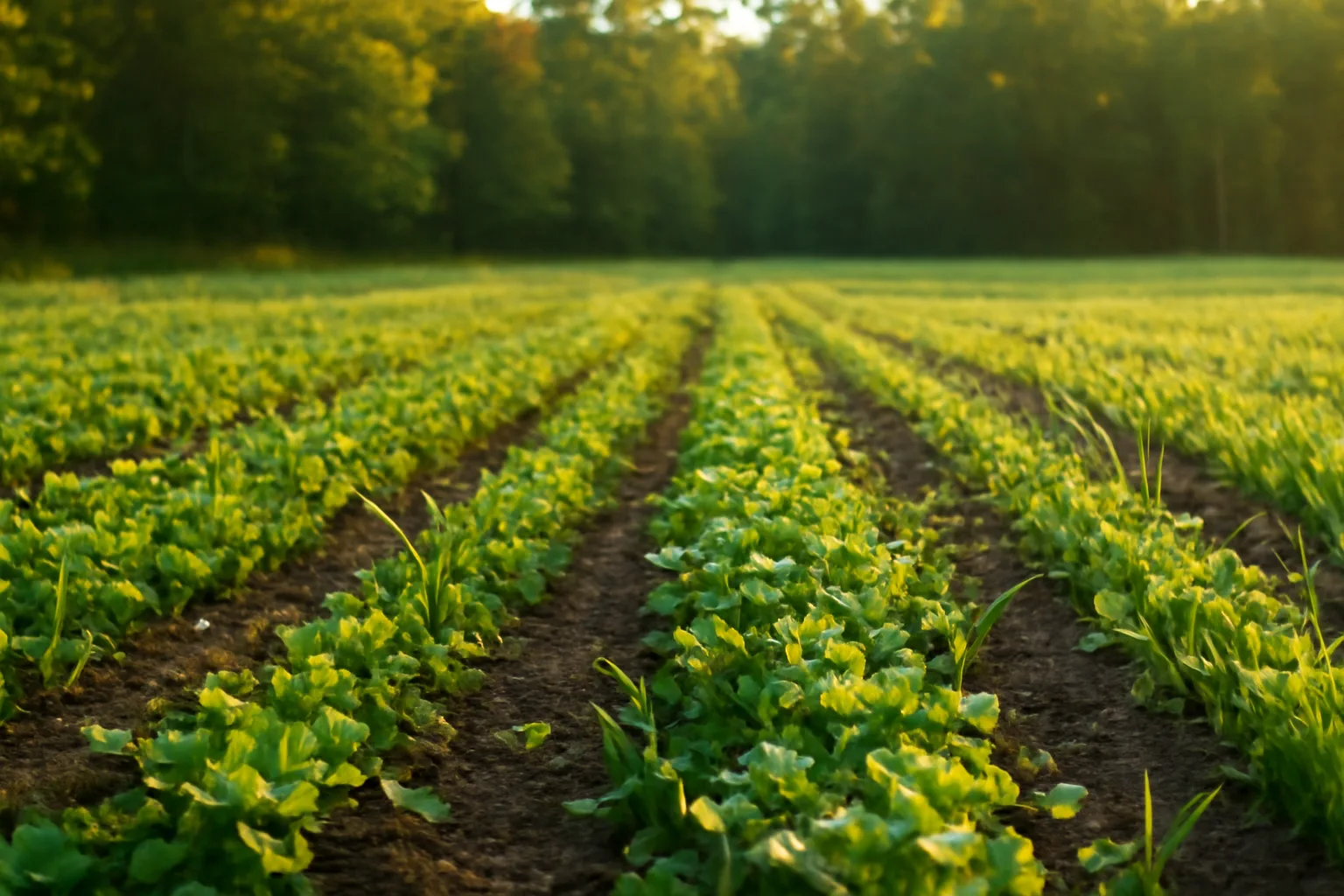
A food plot is a planted patch of forage on hunting land meant to feed and hold deer, usually somewhere between a quarter acre and a few acres. Landowners plant them in existing fields, logging roads, timber openings, or cleared patches inside bedding cover. The goal is nutrition and attraction, not a guarantee of animals standing in front of your stand every hunt. Most plots fall into two buckets: annuals (planted fresh each year, like oats, brassicas, or sorghum) and perennials (planted once and mowed or sprayed for a few years, like clover or alfalfa). A lot of commercial "deer seed" bags, including generic or store-brand blends sometimes searched as domain deer seed, mix several species together so you get quick fall growth from oats plus longer-term tonnage from clover or brassicas in the same bag. State wildlife agencies generally treat food plots as habitat management, separate from baiting or supplemental feeding, but the line matters legally. Piling corn or minerals on the ground is regulated differently than a planted, rooted crop in most states. Check your state wildlife agency's baiting and feeding regulations before you assume a plot is treated the same as a feeder, because rules vary a lot state to state [1].
do deer eat clover, and is it worth planting
Yes. Clover is one of the most consistently eaten food plot forages in whitetail range, and it is the forage most extension programs recommend as a base perennial planting. White clover species like Ladino and red clover both show up repeatedly in university deer plot trials because they combine high crude protein (often 20-30%+ in vegetative growth) with strong regrowth after grazing [2]. Mississippi State University Extension lists clover among its top recommended perennial plot species because of its drought tolerance once established, nitrogen-fixing ability (which cuts your fertilizer bill over time), and multi-year stand life, typically 3-5 years before you need to reseed [2]. Deer will hit clover hard in spring green-up and again in fall, though summer heat and drought can slow growth in the South without irrigation. The tradeoff: clover needs decent soil pH (extension guidance generally targets 6.0-6.5) and it takes a full growing season to really produce. If your soil test comes back at pH 5.5 or lower, expect a mediocre stand until you lime it up, and lime takes months to fully react in the soil. This is exactly why a soil test should come before you buy seed, not after.
do deer like clover better than other plot species
Deer show strong, repeated preference for clover in grazing studies and camera surveys, but "favorite" is not really a fixed thing. Preference shifts by season, by what else is available on the landscape, and by regional forage habits. In late summer, deer often prefer soybeans or standing corn if it's available. In early fall, acorns can pull deer off a clover plot entirely for weeks if it's a good mast year. What's consistent across extension literature is that clover offers season-long access to high-protein forage, which matters most during spring antler growth and late lactation in does, more than during hunting season [2] [2]. If you only get to plant one species and want something deer will use nine months out of the year, clover is the safe default. For hunting-season-specific draw, brassicas like turnips often out-pull clover in October and November because deer key in on them as sugars concentrate with cold weather.
when to plant food plots for deer
| Clover (spring seeding) | March-May | Northern/transition zones | |
|---|---|---|---|
| Clover (fall seeding) | Aug-Sept | Southern/mid-latitude zones | |
| Oats | Aug-Sept (fall plot) | Most of whitetail range | |
| Turnips/brassicas | July-Sept, 60-90 days before killing frost | Varies by zone | |
| Grain sorghum | May-June | Summer heat crop, southern/central zones | |
| Soybeans | May-June | Needs full growing season | These windows come from combining USDA plant hardiness zone data with extension planting guides for the Southeast [2] [3]. Your local NRCS office or state extension office can give you a frost-date-specific window because "August" in Wisconsin and "August" in Georgia are functionally different planting seasons. A soil test result you already have in hand should drive lime and fertilizer decisions before you even pick a planting date, since lime needs lead time to adjust pH. |
Timing depends entirely on species and your USDA plant hardiness zone, not a single calendar date. There is no universal "plant food plots on this day" answer, despite what a lot of seed bag labels imply. As a rough framework across most whitetail range: | Species | Typical planting window | Region note |
when to plant oats for deer
Oats are almost always a fall plot, planted roughly 6-8 weeks before your first expected hard frost so they establish before cold shuts down growth. In most of the whitetail's range that lands somewhere between mid-August and late September [2]. Oats germinate fast (often visible in 5-7 days with good soil moisture) and put on a lot of green tonnage quickly, which is why they're a staple in fall blends and in a lot of domain deer seed and generic store mixes marketed for hunting season plots. Deer hit young oats hard, and oats tolerate a light frost better than a lot of other cool-season annuals, though a hard freeze in the teens will eventually kill the plant back. One thing worth knowing: oats alone don't persist. They're annuals, they die over winter in most zones, and they won't be there next spring unless you replant. If you want spring forage too, pair oats with a perennial like clover in the same plot, which is a common combination in extension-recommended fall mixes [2].
when to plant turnips for deer
Turnips need roughly 60 to 90 days of growth before your area's first killing frost, which usually means planting sometime between mid-July and early September depending on your zone [2] [3]. Plant too late and the bulbs never size up before cold shuts growth down; plant too early in hot, dry conditions and germination can be spotty. Turnips are a brassica, and deer often ignore the leafy tops early in the season before shifting hard to the plant, bulb and all, after a few frosts convert starches to sugars. That's why turnip plots frequently look untouched in October and get hammered in late November and December. This delayed-preference pattern is well documented in extension brassica plot guidance, and it's the reason a lot of hunters get frustrated early season and assume the plot "failed" when it just hasn't hit peak palatability yet [2]. Mississippi State University Extension notes that brassica forages like turnips can produce very high tonnage per acre and provide a late-season food source when other plots are picked clean, which makes them a strong complement to, rather than a replacement for, an early-season clover or bean plot [2].
do deer eat sorghum
Yes, deer eat grain sorghum, both the standing grain heads and the leafy plant, and sorghum shows up in a lot of wildlife food plot mixes as a summer annual. It's more commonly grown as a wildlife and dove-field crop across the South and parts of the Midwest, often alongside or as an alternative to corn, because it tolerates heat and drought better than corn in a lot of soils [3]. Sorghum is a warm-season crop, planted in late spring (roughly May into June depending on soil temperature) after danger of frost has passed, similar to corn planting windows. It needs warm soil (extension guidance generally puts minimum soil temp for good germination around 60°F) and a full summer to mature grain heads by fall [3]. The catch with sorghum: it is not a great choice as a standalone small plot species for most hunters. It typically wants larger acreage, warm-season management, and it competes with weeds heavily early on. It's a better fit for larger ag-style plots or dove/wildlife field programs than a half-acre bow-stand plot tucked in the timber.
what are deer's favorite foods overall
There's no single official ranked list, but state wildlife agencies and university deer research programs consistently point to a similar short list: acorns and other hard mast, soybeans, clover, and native forbs and browse make up the bulk of preferred whitetail diet items across most of their range [2] [4]. Acorns in particular can dominate fall diet in mast years; deer will often abandon planted plots almost entirely when white oak acorns are dropping heavily, because acorns deliver more fat and energy per bite than most planted forages. Soybeans (whether planted as a food plot or leftover from ag fields) are heavily preferred where available, largely because of high protein and the sheer volume of forage per acre. Beyond the big categories, deer diet research shows a lot of regional variation: browse species make up a large chunk of natural diet in the Southeast, while forbs and agricultural crops dominate more in parts of the Midwest [4]. If you're planning a plot to compete with natural browse and mast, understand you're not trying to be the only food source, you're trying to be a reliable, high-quality supplement.
do deer like honey (and does it matter for food plots)
There's no research support for honey as a meaningful deer attractant, and it has essentially nothing to do with food plot planning. Deer are herbivores built to digest fibrous plant material through a four-chambered rumen system, not concentrated sugars like straight honey [5]. Some commercial deer attractant sprays include sweet scents or syrups (including molasses-based or sugar-based products) as an additive to a mineral or scent product, and anecdotally deer will sometimes investigate a strong sweet smell, but that's a scent-based curiosity response, not a food plot forage strategy. If you're planning actual nutrition and attraction for the season, your time and seed budget is far better spent on clover, brassicas, or a cereal grain than on any honey-based product. And depending on your state, pouring liquid attractants or scent products on the ground can cross into baiting regulations, so check your state wildlife agency's rules before using them near a stand [1].
how do I actually pick species and timing for my own ground
Start with your soil test, not the seed bag. Your test tells you current pH and nutrient levels, and your lab's recommendation is the real authority on how much lime and fertilizer to apply, not a general article like this one. Extension services and most private soil labs will give you lime and fertilizer rates in pounds per acre specific to the crop you tell them you're planting . From there, match species to your realistic time investment. Clover asks for more upfront soil prep and patience but rewards you with multiple years of low-maintenance forage. Annuals like oats, brassicas, and sorghum ask for less commitment but need replanting every single year and are more exposed to a bad rain year or late frost wiping out the whole plot. Zone matters more than any single planting calendar can capture in a short article. A landowner in southern Alabama and one in northern Minnesota are working with completely different frost dates, soil temps, and growing season lengths, even if they're both planting "oats" or "clover." USDA's plant hardiness zone map is a reasonable starting reference point for framing your general season length, even though it's built around minimum winter temperatures rather than food plot specific data. If you'd rather skip the guesswork of matching species, soil test numbers, and your specific frost dates, PlotSeason's Custom Food Plot Plan is a $99 one-time service that turns your soil test and property details into a written planting plan, no subscription, no annual seed contract.
what mistakes cost hunters the most in plot planning
Skipping the soil test is the single most common expensive mistake. Extension agronomists repeatedly point out that seed and labor are wasted on acidic soil that never got limed, because low pH locks up nutrients no matter how much fertilizer you dump on top . A soil test typically costs somewhere in the $10-20 range through most state extension labs, which is nothing compared to a wasted bag of clover seed and a season of fertilizer. The second mistake is planting on a fixed calendar date instead of counting backward from your local frost date. "Everyone plants Labor Day weekend" is not agronomy, it's tradition, and in a warm fall or a zone with a later frost, you're leaving growth on the table by planting too early into summer heat and drought stress. Third, a lot of hunters plant one species and expect year-round performance from it. A single clover plot will not out-compete a heavy acorn year in October, and a single fall brassica plot won't feed does through spring lactation. Mixing perennials and annuals, and staggering a couple of plots on your ground, spreads out both the workload and the risk.
what to explore next
If you're weighing a first plot or expanding acreage, a few related guides worth reading next cover the practical species-selection side of this decision in more depth. Food plot whitetail planning basics, and comparisons of deer food plot seed options versus generic blends like domain food plot seed, are both good next stops if you're still deciding what to buy this season. If you want a broader look at plot species and general strategy before locking in a plan, deer food plots and food plot seed cover selection criteria in more general terms, while deer for food touches on the broader nutrition angle behind why plots matter at all.
Frequently asked questions
Do deer eat sorghum?
Yes. Deer eat both the grain heads and leafy growth of grain sorghum. It's a warm-season crop planted in late spring after frost danger passes, and it tolerates heat and drought better than corn, but it works best on larger plots rather than small bow-stand plots because of weed competition and space needs.
Do deer eat clover?
Yes, clover is one of the most reliably eaten and most recommended food plot species by university extension programs. It offers high crude protein, often 20-30%+ in vegetative growth, and provides forage across spring, summer, and fall once established, unlike single-season annuals.
When should I plant food plots for deer?
It depends on species and your local frost dates. Cool-season crops like clover, oats, and brassicas generally go in late summer to early fall (roughly August-September) in most whitetail range, while warm-season crops like sorghum and soybeans go in late spring (May-June) after frost risk passes.
Do deer like clover?
Yes, clover ranks among the most consistently preferred food plot forages in university extension research, especially during spring green-up and fall regrowth. Preference can shift seasonally though; deer may favor standing beans, corn, or acorns over clover when those are available.
When should I plant oats for deer?
Plant oats roughly 6-8 weeks before your area's first expected hard frost, which lands between mid-August and late September across most of the whitetail range. Oats germinate fast, often within 5-7 days, and provide quick fall green-up, but they're an annual and won't return next spring without replanting.
When should I plant turnips for deer?
Turnips need 60 to 90 days of growth before your first killing frost, generally meaning a mid-July to early-September planting window depending on your zone. Deer often ignore turnip tops early and shift hard to eating the whole plant, bulb included, after a few frosts sweeten it up.
What is a food plot?
A food plot is a planted area of forage, typically a quarter acre to several acres, established on hunting land to provide nutrition and attraction for deer. Plots are either annuals replanted yearly (oats, brassicas) or perennials that persist for several years (clover, alfalfa) with mowing or herbicide maintenance.
What is a deer's favorite food?
There's no single official ranking, but acorns and hard mast, soybeans, clover, and native browse consistently top preference in state wildlife agency and university deer diet studies. Preference shifts seasonally; deer often abandon plots for acorns entirely during a heavy mast year.
Do deer like honey?
There's no research support for honey as a meaningful food plot attractant. Deer digest fibrous plant material through a four-chambered rumen, not concentrated sugar. Some commercial scent or mineral products include sweet syrup additives, but that's a curiosity-scent effect, not real forage strategy, and it may cross into state baiting rules.
What is domain deer seed?
"Domain deer seed" generally refers to generic, store-brand, or private-label deer food plot seed blends rather than a single specific product line. These blends typically mix a cereal grain (like oats) with a brassica or clover for combined fast fall growth and longer-season forage.
Should I plant clover or oats first if I can only do one plot this year?
If you want year-round forage and lower long-term cost, plant clover. If you want fast fall growth for hunting season on a tight timeline and don't mind replanting annually, plant oats. Many hunters plant both together in one plot as a mixed fall planting.
How much does a soil test cost before planting a food plot?
Most state extension soil labs charge roughly $10-20 per sample, though prices vary by state and by how many nutrients you test for. This is inexpensive relative to a wasted bag of seed and fertilizer applied to soil with the wrong pH.
Are food plots legal everywhere, or do baiting rules apply?
Food plots (planted, rooted crops) are generally treated differently from baiting or feeding (piled feed) under most state wildlife regulations, but the specifics vary significantly by state. Always check your state wildlife agency's current baiting and feeding regulations before assuming a plot is exempt.
Sources
- Michigan Department of Natural Resources, Baiting and Feeding Regulations: Baiting and feeding regulations for deer vary by state and are regulated separately from planted food plots
- USDA Natural Resources Conservation Service, Soil Quality Indicators: pH (Fact Sheet): Soil pH testing determines lime and fertilizer needs before planting, and pH must be corrected before nutrients are fully available
- University of Georgia Extension, Grain Sorghum Production Guide (B1256): Grain sorghum planting windows, minimum soil temperature for germination, and use as a warm-season wildlife plot crop
- Pennsylvania Game Commission, 2023-2024 Deer Management Report: Regional deer diet composition varies, with browse, mast, and forbs making up large shares depending on region
- USDA Forest Service, Fire Effects Information System: Odocoileus virginianus: Deer are ruminants with a four-chambered stomach adapted to digest fibrous plant material rather than concentrated sugars