Last updated 2026-07-26
TL;DR
There's no such thing as a '7 card stud' planting date; that phrase doesn't match any real food plot term. What matters is your zone: cool-season plots (clover, oats, turnips) go in late summer to early fall, warm-season plots (soybeans, sorghum) go in after last frost, roughly May through June depending on latitude.
what does "7 card stud food plot planting date" actually mean?
There's no established food plot product, blend, or planting method called "7 card stud" in the deer management or agronomy world. It's not a term used by USDA, any land-grant extension service, or the major seed companies that sell whitetail blends. If you landed here searching that phrase, you're probably thinking of a specific seed mix name you saw somewhere, or the phrase got garbled from something else entirely. Poker terminology crossing wires with a plot search, maybe. Either way, you're in the right spot now. What you actually need, almost certainly, is a straight answer on when to plant food plots for deer based on your location and the species you're planting. That's what this article covers in full. We'll walk through planting windows by region, by species (clover, oats, turnips, sorghum, soybeans), and how to read your own soil and frost data instead of relying on a generic calendar date. If a specific brand or retailer used "7 Card Stud" as a product name for a seed blend, always defer to that bag's tag for exact seeding rate and depth. Bag tags are legally required to list actual seed content under most state seed laws, and that tag is more reliable than any generic web date.
when to plant food plots for deer, in general
| Deep South (zone 8-9) | Late April - June | Late September - November | |
|---|---|---|---|
| Mid-South / Transition (zone 7) | Late April - May | Mid-September - mid-October | |
| Midwest / Mid-Atlantic (zone 5-6) | Mid-May - early June | Mid-August - mid-September | |
| Upper Midwest / Northeast (zone 3-4) | Late May - mid-June | Late July - mid-August | These are wide windows on purpose. Local elevation, soil drainage, and a wet spring can shift things two or three weeks either direction. Your county extension office almanac is the best free tool for narrowing this down to your specific ground. |
Food plot timing splits into two buckets: cool-season plantings and warm-season plantings. The right window depends on your average first and last frost dates, not a fixed calendar day. Cool-season plots (clover, brassicas, cereal grains) go in during late summer to early fall, typically 45 to 90 days before your first hard frost. Warm-season plots (soybeans, cowpeas, sorghum) go in after your last spring frost, once soil temperatures hold above 55-60°F. NOAA's National Centers for Environmental Information publishes freeze and frost date data by weather station, and that's a better source than a generic chart because it's tied to your actual county [1]. Here's the rough national pattern: | Region | Warm-season planting window | Cool-season planting window |
when to plant oats for deer
Plant oats for deer in late summer to early fall for a fall/winter cool-season plot, generally 6 to 10 weeks before your first frost so plants establish before growth slows. In the transition zone and mid-South, that's often mid-August through mid-September. Further north, aim for late July into August. Oats germinate fast, usually within 7 to 10 days in warm soil, and they're one of the most forgiving cereal grains for a beginner because they tolerate a wide pH range and don't need much soil prep beyond a disked or drilled seedbed. Oklahoma State University Extension notes oats are typically seeded at 2-3 bushels per acre (roughly 64-96 lbs) when broadcast, with rates on the lower end for drilled plantings [2]. Oats will winterkill in hard cold, generally once temperatures drop into the teens or lower for sustained periods. So in the upper Midwest and Northeast they function as a fall-only plot rather than something that carries deer through February. If you want late-winter tonnage in cold climates, oats alone usually isn't enough. Pair them with a brassica or a cereal rye, which is more cold-hardy than oats.
when to plant turnips for deer
Plant turnips for deer 60 to 90 days before your first fall frost, which lands most of the country in a window from late July (far North) through early September (Deep South/transition zone). Turnips need that runway because they're grown for both leafy tops (attractive earlier in fall) and bulbs (which sweeten and become highly attractive after a few hard frosts convert starches to sugar). That frost-triggered sugar conversion is well documented in university brassica research and it's the reason turnip plots often get ignored by deer in October, then get hammered in December and January. Purdue University's forage agronomy extension work on brassicas describes how these plants accumulate soluble sugars in response to cold temperatures, which is part of why palatability climbs after frost rather than before it [3]. If you're planting turnips expecting immediate fall attraction, you'll be disappointed. They're a late-season plot by design. Seeding rate for turnips is light, typically 4-6 lbs per acre broadcast, because the seed is tiny and overseeding leads to a canopy of thin plants competing for light. A firm, well-prepared seedbed with good seed-to-soil contact matters more for brassicas than for cereal grains since the seed is so small it can't push through loose, fluffy soil or clods.
do deer eat sorghum?
Yes, deer eat sorghum, both the grain heads and, to a lesser extent, the foliage, though it's more commonly planted as a summer screening/cover crop or a component in a warm-season blend than as a primary deer attractant. Sorghum is drought-tolerant and grows tall (often 4-8 feet for grain sorghum, taller for forage types), which makes it useful for browse cover and bedding screens as much as for direct feed value. Sorghum goes in after last frost when soil temps are reliably above 60-65°F, similar timing to corn, generally May into June depending on latitude. It's a warm-season annual, so it has zero cold tolerance and a frost will kill young plants. Compared to soybeans or standing corn, sorghum isn't typically anyone's first-choice whitetail food plot species on its own. It shows up more often in dove field mixes and wildlife blends aimed at multiple species, deer included, but not exclusively. If your goal is maximum deer tonnage per acre, soybeans or a well-fertilized brassica blend generally outperform sorghum for that specific purpose.
do deer eat clover, and do deer like clover?
Yes, deer eat clover readily, and it's widely considered one of the most consistently preferred food plot forages available, which is why it shows up in nearly every whitetail seed mix on the market. Clover (white clover, red clover, and various perennial blends) offers 20-30% crude protein in vegetative growth, according to forage quality data compiled by university agronomy programs, which lines up well with lactating does and antler-growing bucks in spring and summer [4]. Clover's real advantage over annuals is longevity. A well-maintained perennial clover plot can produce for 3-5 years before needing to be reseeded, versus replanting annuals like oats or brassicas every single season. That said, clover needs mowing two to four times a year to control weed competition and keep it from getting stemmy, and it wants a soil pH close to 6.0-6.5 to really produce, per most land-grant clover establishment guides. Plant clover in late summer/early fall in the North (August-September) or in early spring (March-April) further south, avoiding the heat of summer establishment, which stresses seedlings before roots are established. A frost-seeding method, broadcasting seed onto frozen or thawing ground in late winter, also works well for overseeding thin clover stands.
do deer like honey?
Deer don't seek out honey in any practical food plot or attractant sense. It's not part of their natural diet and there's no wildlife agency or extension research supporting honey as a deer food or attractant strategy. Deer are herbivores built to digest cellulose-heavy browse, forbs, mast, and agricultural crops through a four-chambered rumen system, not concentrated sugars from an animal product. This question likely comes from confusion with commercial "deer candy" style mineral or sugar-based attractant products, some of which use molasses (a plant-derived sugar, not honey) as a binder or flavor carrier for mineral licks. Molasses-based mineral blocks are legal in some states and considered bait or supplemental feed in others, so check your state wildlife agency's regulations before using any attractant product, especially during hunting season. If you're trying to boost attraction to a plot, the better return is on soil fertility and species selection, not novelty additives. A properly limed and fertilized clover or brassica plot will out-draw any mineral or sugar product over a season.
what are deer's favorite foods?
Deer preference shifts by season, but across food plot species, soybeans, clover, and brassicas consistently rank as top choices in browse preference studies and extension forage trials. In the growing season, soybeans and clover are heavily preferred for their protein content. In late fall and winter, brassicas (turnips, radishes) and standing corn or soybean pods become primary targets as sugar content rises and other browse dies back. Outside of planted plots, deer diets are dominated by natural browse: forbs, woody browse, acorns, and agricultural crops where available. Food plots are meant to supplement that base, not replace it. No single species is a universal "favorite" everywhere. Local availability, plot maturity, and competing food sources (like a heavy acorn year) all swing what deer hit hardest on any given property. That's part of why diversifying a property with 2-3 plot types (a perennial clover field, an annual brassica plot, a grain plot) tends to outperform betting everything on one species.
what is a food plot?
A food plot is a planted area, usually somewhere between a quarter-acre and several acres, established specifically to provide supplemental forage for wildlife, most commonly deer and turkey on hunting properties. Food plots aren't a replacement for natural habitat; they're a supplement that concentrates nutrition and, for hunters, concentrates animal activity in a predictable spot. State wildlife agencies generally distinguish food plots (a planted, growing crop) from baiting or supplemental feeding (piling loose feed, minerals, or processed attractants), and the rules for each differ significantly by state. Some states allow hunting over a food plot with no restriction, others require the plot to be a certain distance from a stand or blind, and some restrict any supplemental feeding entirely during parts of the season. Always check your specific state wildlife agency's current regulations before planting near a stand, since these rules change and vary widely. For a broader look at plot types and how to match species to your property's goals, see food plot whitetail and deer food plots.
how do I figure out my exact planting date instead of guessing?
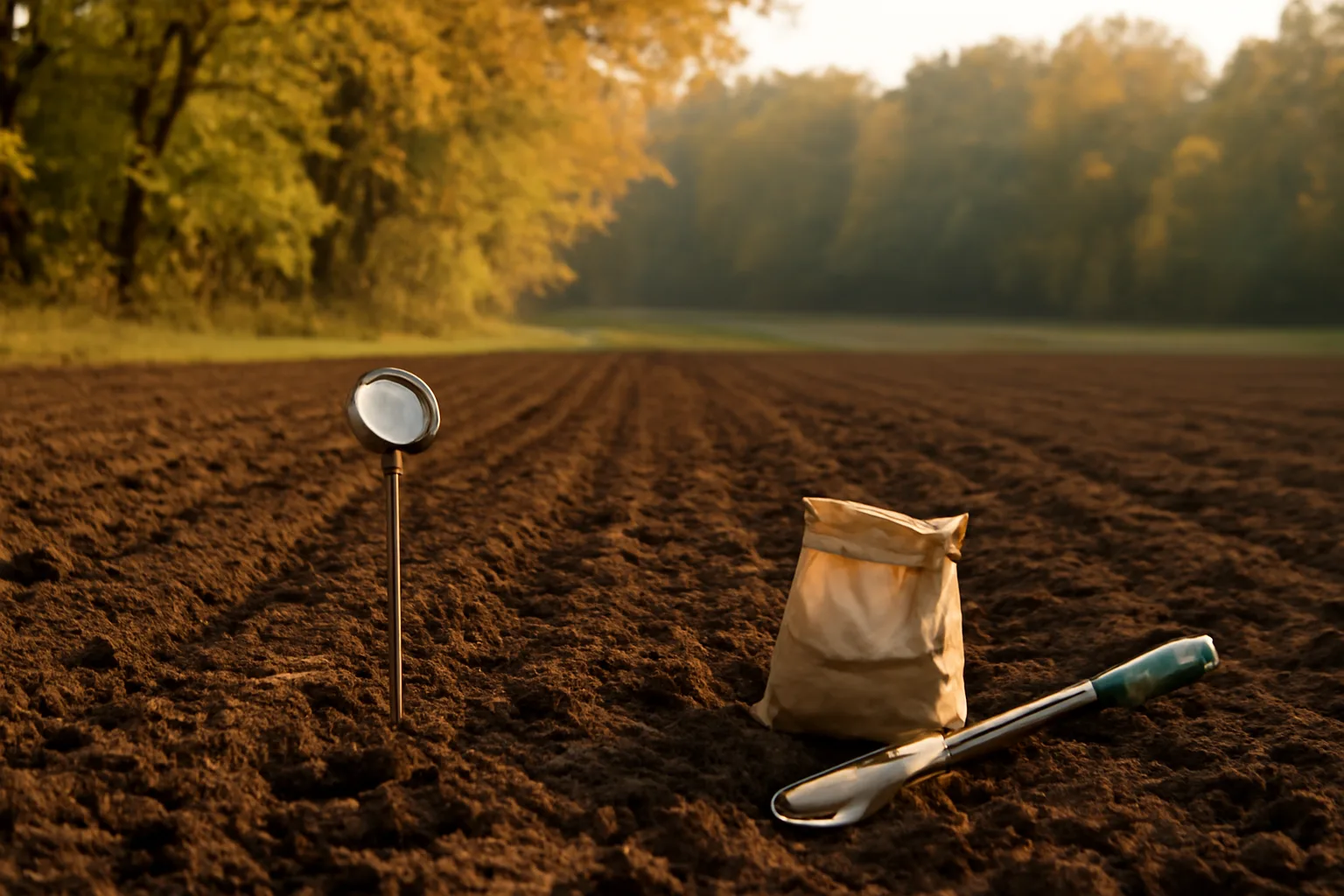
Start with your county's average first and last frost dates, then count backward from there based on the species' required days to maturity or establishment window. That's the actual method extension agronomists use, not a fixed calendar date. NOAA's National Centers for Environmental Information and most state climate offices publish frost/freeze probability tables by station, which is a better source than a generic "plant by X date" chart because it's tied to your actual county [1]. A soil thermometer is the cheapest tool you're not using. Cool-season brassicas and cereal grains germinate fine in soil around 50-55°F, while warm-season beans and sorghum want 60-65°F minimum. A $10 soil thermometer removes the guesswork that a calendar date can't account for in a cold or warm spring. Your soil test also matters more than the calendar in one specific way: lime takes months to fully adjust pH, so if your test comes back needing lime, get it down as early as possible relative to planting, ideally 3-6 months ahead, not the week before you seed. Your soil test lab's recommendation is the authority on exact lime and fertilizer rates for your dirt; a generic article (including this one) can't replace that number.
putting together a full-season plot rotation
Most productive properties run a mix of perennial and annual plots timed to different windows rather than one big plot planted once a year. A practical layout looks like this: perennial clover established once and maintained for years, a summer annual (soybeans or a warm-season blend) planted after last frost for growing-season protein, and a fall annual (oats, brassicas, cereal rye) planted in late summer for hunting-season and late-winter food. That rotation means you're realistically looking at two planting windows a year on your annual acreage: one warm-season pass in spring, one cool-season pass in late summer/early fall. If you're only planting once a year, the fall window generally gives you more bang for the buck on a hunting property since it lines up food availability with the season you're actually in the woods. If you'd rather not build this calendar from scratch for your specific latitude, soil test results, and acreage, that's exactly the gap a Custom Food Plot Plan is built to fill: a $99 one-time plan that maps species and planting windows to your actual property instead of a national-average chart. It's general guidance built off your inputs, not a site visit or a substitute for your soil lab's specific lime and fertilizer numbers. For species-specific seed selection once your dates are set, deer food plot seed and food plot seed break down blend options by region.
Frequently asked questions
Do deer eat sorghum?
Yes. Deer eat both the grain heads and foliage of sorghum, though it's more often planted as a summer screen or cover crop than a primary attractant. Sorghum is drought-tolerant and grows tall, useful for bedding cover, but soybeans and brassicas typically outperform it for pure deer tonnage per acre.
Do deer eat clover?
Yes, and clover is one of the most consistently preferred food plot forages available. It runs 20-30% crude protein in vegetative growth, which makes it valuable in spring and summer when does are lactating and bucks are growing antlers. A well-maintained stand can produce for 3-5 years.
When should I plant deer food plots?
Cool-season plots (clover, oats, brassicas) go in 45-90 days before your first fall frost, usually mid-August through October depending on latitude. Warm-season plots (soybeans, sorghum) go in after your last spring frost, roughly May through June. Check your county's frost dates rather than a fixed calendar date.
Do deer like clover?
Yes, clover is a top-tier deer forage in most preference studies and extension trials, largely due to its high protein content and long growing season. It's a common base species in whitetail seed mixes for that reason, though it needs mowing several times a year and a soil pH near 6.0-6.5 to thrive.
When should I plant oats for deer?
Plant oats 6 to 10 weeks before your first fall frost, generally mid-August into September in the transition zone and mid-South, or late July into August further north. Oats germinate within 7-10 days but will winterkill in sustained hard cold, so pair them with cereal rye if you need late-winter food in cold climates.
When should I plant food plots for deer overall?
There are two main windows: a warm-season window after your last spring frost (roughly May-June) for beans and summer annuals, and a cool-season window 45-90 days before your first fall frost (roughly August-October) for clover, oats, and brassicas. Your exact dates depend on local frost data, not a national calendar.
When should I plant turnips for deer?
Plant turnips 60-90 days before your first fall frost, generally late July to early September depending on region. Turnips are a late-season plot by design: tops get browsed in fall, but the bulbs don't sweeten and become highly attractive until after a few hard frosts convert starches to sugar.
What is a food plot?
A food plot is a planted area, usually a quarter-acre to several acres, established to provide supplemental forage for deer or other wildlife on a hunting property. It supplements natural browse and mast rather than replacing it, and it often concentrates animal activity in a spot a hunter can watch.
What are deer's favorite foods?
Among food plot species, soybeans, clover, and brassicas consistently rank highest in preference studies. Outside plots, natural browse, forbs, and acorns make up the bulk of a whitetail's annual diet by volume. Preference shifts seasonally: protein-heavy plants in summer, sugar-rich brassicas and standing grain in late fall and winter.
Do deer like honey?
No, honey isn't part of a deer's natural diet and there's no research supporting it as a food plot attractant. Deer are herbivores adapted to digest browse and forage through a four-chambered rumen, not concentrated animal sugars. Confusion here likely stems from molasses-based mineral products, which are plant-derived, not honey.
Is there a real food plot product called "7 card stud"?
Not one recognized by USDA, land-grant extension services, or major seed companies. If you saw that name on a specific product, check the bag's seed tag for exact contents and planting instructions, since that's the legally required and most reliable source for that specific blend.
How far ahead of planting should I apply lime based on my soil test?
Ideally 3-6 months before planting, since lime takes time to fully react and adjust soil pH. If your soil test comes back needing lime, apply it as early as your schedule allows rather than right before seeding. Your soil test lab's specific rate recommendation should always take priority over a generic guideline.
Sources
- NOAA National Centers for Environmental Information, US Climate Normals (Freeze/Frost Data): First and last frost dates vary by county and are the basis for planting windows
- Oklahoma State University Extension, Oats production guidance: Oats seeding rates of roughly 2-3 bushels per acre when broadcast
- Purdue University Extension, Forage identification and management: brassica cold tolerance and sugar accumulation: Brassicas accumulate soluble sugars in response to cold temperatures, increasing palatability after frost
- University of Georgia Extension, Clover for wildlife food plots: Clover crude protein content in vegetative growth stage
- USDA Natural Resources Conservation Service, Soil pH and lime requirement guidance for cropland: Lime applications take time to react in soil and adjust pH ahead of planting