Last updated 2026-07-25
TL;DR
Making a food plot means testing soil, killing existing vegetation, fixing pH and fertility based on that test, picking species suited to your region and shade/sun, and planting at the right calendar window (spring for warm-season, late summer for brassicas and cereal grains). Skipping the soil test is the single most common mistake.
what is a food plot?
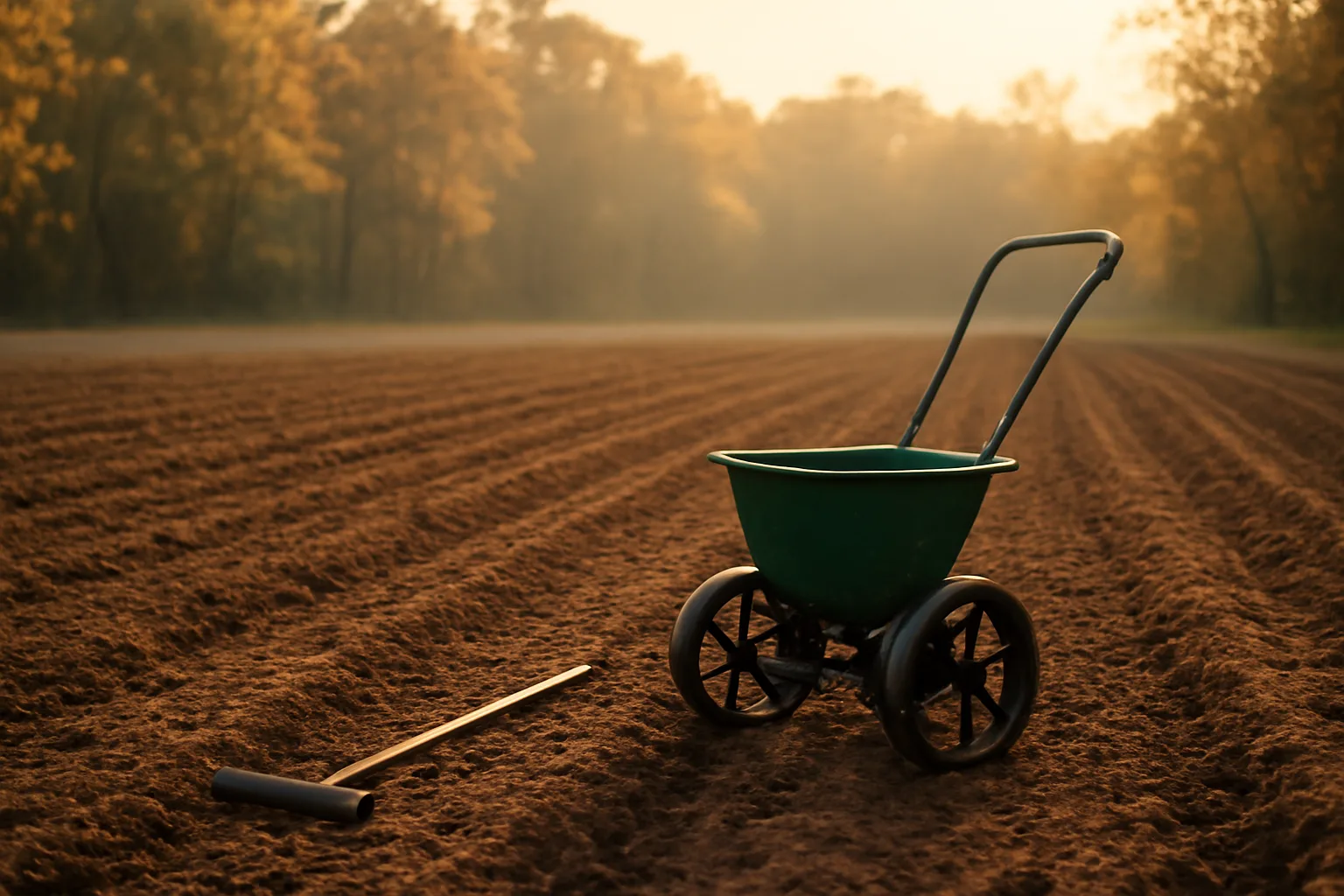
A food plot is a planted area of forage crops, usually somewhere between a quarter acre and a few acres, put in specifically to feed and hold deer or other wildlife on a property. It is not a garden and it is not lawn care. The goal is calories and attraction at specific times of year, plus nutrition for antler growth, lactation, or winter survival depending on what you plant and when. Most state wildlife agencies and university extension programs treat food plots as a habitat management tool, similar to prescribed burns or timber stand improvement. The USDA Natural Resources Conservation Service and many state agencies actually offer cost-share programs for wildlife food plots under conservation practice standards, because a well-placed plot can reduce erosion compared to leaving ground bare or in low-value cover [1]. A food plot is different from just broadcasting seed on unprepared dirt, which is what a lot of first-timers do and then wonder why nothing came up. Real food plots involve site selection, soil work, species selection, and a planting calendar tied to your growing zone. Skip any one of those and you are gambling. If you want a shortcut through all of this, a lot of guys just get a plan built around their own soil test and property instead of guessing. That is basically what PlotSeason's $99 Custom Food Plot Plan is for: you send in your soil test results and rough plot size, and you get back species and rates suited to your dirt instead of a generic bag mix.
how do you actually make a food plot, step by step?
The order matters more than most people think. Skipping steps or doing them out of sequence is why half the plots you see off the highway in July look like a weed patch with a few soybeans surviving in it. 1. Pick the site. Sun exposure, soil drainage, and access all matter. Clover and brassicas want at least 4 to 6 hours of direct sun. Low, wet spots hold water and rot seed. A plot tucked just off a bedding area with a screened approach beats a big open field for bowhunting purposes, according to most state deer management guides. 2. Pull a soil test. This is not optional if you want to spend money wisely. A standard soil test through your county extension office typically costs $8 to $20 and tells you pH, phosphorus, potassium, and organic matter. Your results tell you exactly how much lime and fertilizer you actually need, instead of guessing and either wasting money or underfeeding the crop. 3. Kill or clear existing vegetation. Glyphosate at labeled rates 2 to 3 weeks before planting handles most sod and weeds for a no-till approach. If you are tilling, disk or till it under instead. 4. Apply lime if your test calls for it. Lime takes months to fully react with soil, so ideally it goes down in fall for a spring planting, or as early as possible before any planting. Most food plot forages, especially clover and alfalfa, want soil pH between 6.0 and 7.0 [2]. Below 5.5, phosphorus and potassium become less available to the plant no matter how much fertilizer you throw down. 5. Apply fertilizer per the soil test recommendation, not per the bag label's generic rate. Your soil test lab is the authority here, not a blanket internet number. 6. Plant at the correct seed depth and rate for your species (small seeds like clover and brassicas want 1/4 inch or less; grains like oats and cereal rye want 1 to 1.5 inches). 7. Cultipack or drag to firm the seed bed if you drilled or broadcast, especially for small seeds. Good seed-to-soil contact matters more than almost anything else for germination. For a broader look at which plant types fit which strategy, see food plot whitetail and deer food plots.
when should you plant food plots for deer?
| Upper Midwest / Northern tier | Mid-May to early June | Late July to mid-August | |
|---|---|---|---|
| Central Midwest / Mid-Atlantic | Late April to May | Mid-August to early September | |
| Southern Midwest / Upper South | Early April to May | Late August to mid-September | |
| Deep South / Gulf Coast | March to April | September to early October | Check your state wildlife agency's food plot or habitat page, since several (like Georgia DNR and Missouri Department of Conservation) publish frost-date-based planting calendars specific to their state [5]. |
Timing splits into two seasons: spring/summer plantings for warm-season annuals and perennials, and late summer plantings for fall annuals like brassicas and cereal grains. There is no single national date because growing zones and first-frost dates vary by hundreds of miles. For spring plots (clover, chicory, soybeans, cowpeas), plant after your last expected frost date, which the USDA plant hardiness zone map and your local extension office can tell you down to the week for your county [3]. In much of the Midwest that is late April through May. In the Deep South it can be March. For fall plots (brassicas, cereal grains, some clover overseeds), the rule of thumb from most extension and wildlife agency publications is to plant 60 to 90 days before your area's average first killing frost [4]. That gives brassicas time to bulb and cereal grains time to establish before cold shuts down growth. In the northern tier of states that often means planting in late July or August. In the mid-South and southern Midwest, late August through mid-September usually works. Below is a rough planting window by general region. Treat this as a starting point, not gospel, since microclimates and elevation shift things by a couple weeks either direction. | Region | Spring plot window | Fall plot window |
when to plant oats for deer
Oats are a fall annual in most whitetail country, planted 60 to 90 days before first frost so they establish before cold weather slows growth, then get grazed hard through fall and early winter [4]. In much of the Midwest that lands in late August. In the South, September into early October works. Oats germinate fast, often in 5 to 10 days with adequate moisture, and put on a lot of tonnage quickly, which is part of why they are such a common component in fall food plot blends. They are not very winter-hardy compared to cereal rye or wheat though. In the northern half of the whitetail range, oats will usually die back hard after a few nights in the low 20s, while cereal rye keeps growing into winter and greens back up in early spring [6]. If you want late-winter and early-spring food, mix in rye or winter wheat with your oats rather than planting oats alone. Oats also work as a spring planting in cooler northern climates or higher elevations, planted as a nurse crop alongside clover to reduce weed competition while the clover establishes.
when to plant turnips for deer
Turnips are planted in late summer, typically 80 to 90 days before your area's first hard frost, because they need that runway to bulb out before a hard freeze sweetens them up and triggers deer to start eating the roots [4]. Deer usually hit the tops first in early fall and switch to digging up the bulbs after a few frosts convert starches to sugars. Most extension publications put ideal turnip planting depth at 1/4 to 1/2 inch, broadcast into a prepared, firmed seedbed. A common rate is 3 to 5 pounds per acre for pure turnip stands, less if you are blending with other brassicas like radish or rape. One caution worth flagging: deer sometimes ignore turnip tops and bulbs entirely in year one on a property, especially where they haven't encountered brassicas before, and then hammer the same field the following season once they learn what it is. Don't judge a brassica plot's worth off a single first-year planting.
do deer eat clover?
Yes, and clover is one of the most reliable food plot species across the whitetail's range. It is a perennial (usually lasting 3 to 5 years per stand with good management) that provides high-protein forage through spring, summer, and fall, and it fixes its own nitrogen in the soil through rhizobium bacteria, which cuts your fertilizer bill over time [7]. White clover varieties like Durana and Ladino are the most common food plot choices because they handle grazing pressure well and stay lower to the ground, tolerating repeated browsing better than taller red clover. Crude protein in quality clover forage commonly runs 20 to 30 percent, which rivals or beats most other food plot forages and matters a lot during antler growth and lactation . Clover does have a maintenance cost. It needs mowing a few times a season to keep weeds down and encourage new growth, and it wants soil pH close to 6.0 to 6.5 to really produce. Below that, clover growth drops off noticeably even with good fertility otherwise. For species comparisons and blend options, see deer food plot seed and food plot seed.
do deer like clover more than other food plot options?
Deer generally prefer clover during spring and summer over most other planted forages, but preference shifts seasonally and clover is not universally the top choice year-round. Research on whitetail diet selection, including work published through university extension and wildlife research programs, consistently shows clover ranking near the top of preferred forages during the growing season, largely because of its digestibility and protein content . In fall, though, deer often shift preference toward high-carbohydrate foods like acorns, corn, soybeans, and brassicas as they build fat reserves for winter. So the honest answer is: clover wins spring through summer, but a mature buck cruising in November is often more interested in a bean field or an oak flat dropping acorns than a clover patch, unless that clover is one of the only green things left standing. This is part of why a lot of experienced plotters run a mix: perennial clover for spring/summer nutrition and early-season hunting, paired with a fall annual planting (brassicas, cereal grains, or beans) timed to peak right before gun season.
do deer eat sorghum?
Yes, deer eat grain sorghum (milo), both the seed heads and, to a lesser extent, the foliage, but it is generally considered a secondary food plot crop rather than a first choice compared to corn or soybeans. Sorghum is more drought-tolerant than corn, which makes it a reasonable substitute in dry regions or on sandy, low-water-holding soils where corn struggles . Sorghum's main food plot value shows up in fall and winter, when the grain heads mature and deer, along with turkey and other wildlife, feed on the seed. It is also a common component in dove field plantings and wildlife food plot blends aimed at multiple species rather than deer alone. One practical note: sorghum can contain compounds (dhurrin) that convert to cyanide-like compounds under certain stress conditions such as drought or frost damage, a known issue in livestock forage sorghum documented by university extension livestock programs . Established wildlife populations browsing mature grain in the field are rarely reported as an issue, but it is worth knowing if you are also grazing livestock nearby or feeding cut sorghum forage.
what are deer's favorite foods?
There is no single universal answer because whitetail preference shifts by season, region, and what is locally available, but research and field data point to a consistent short list: acorns (especially white oak family acorns, which are lower in tannins and more palatable than red oak acorns), soybeans, clover, corn, and native browse like greenbrier, honeysuckle, and forbs . Acorns in particular are treated by most wildlife biologists as close to a top-tier native food because of their fat content, which matters a lot heading into winter. A heavy acorn crop can pull deer away from planted food plots almost entirely in a good mast year, which is a common frustration for people who planted a plot expecting steady traffic and then watched deer disappear into the timber. Among planted crops specifically, soybeans and clover consistently rank at or near the top in forage preference studies for crude protein and palatability during the growing season, while corn and brassicas take over as preferred late-season energy sources once temperatures drop . For a rundown of species options by category, deer for food and domain food plot seed cover the main plantable choices.
do deer like honey?
Whitetail deer are not documented feeders on honey in any wildlife research or extension literature, and it is not a practical or legal food plot or attractant strategy in most states. Deer are herbivores built around a rumen digestive system suited to browse, forbs, and mast, not concentrated sugars from an animal product. This question usually comes up because of commercial deer attractant products that use sugar, molasses, or sweet scent as a draw, which is a different thing than raw honey. Even those products run into legal trouble in a lot of states: supplemental feeding and baiting rules vary widely, and several states classify sweet feed, mineral licks, and scent attractants under baiting regulations that are illegal during hunting season or restricted to specific distances from a stand . Check your state wildlife agency's baiting and feeding regulations before using any attractant, mineral, or supplemental feed product, since rules differ more than by state but sometimes by whether the land is public or private, and by whether Chronic Wasting Disease management zones are in effect.
how much does it cost to put in a food plot?
A basic half-acre to one-acre food plot using a no-till or minimal-till approach typically runs somewhere between $150 and $500 all-in for a first-year planting, covering seed, lime, fertilizer, and glyphosate, assuming you already have or can rent basic equipment. Costs climb fast if you need to rent or buy a tractor, disk, drill, or sprayer, or if your soil test calls for heavy lime application, since lime itself often runs $30 to $60 per ton delivered and spread, and low pH ground can need 1 to 2 tons per acre or more . Seed costs vary a lot by species. Clover seed often runs $4 to $8 per pound and gets planted at 6 to 15 pounds per acre depending on variety and whether it is a pure stand or blend. Brassica blends often run cheaper per acre in total seed cost since seeding rates are lower (3 to 6 pounds per acre). Corn and soybeans, if you are running a larger plot, price more like row-crop agriculture and scale with acreage. The soil test itself is one of the cheapest and highest-value line items in the whole project, generally $8 to $20 through a state land-grant university's soil testing lab, and it is the single best money you'll spend before buying a bag of seed.
Frequently asked questions
What is a food plot in deer hunting terms?
A food plot is a planted patch of forage, usually clover, brassicas, cereal grains, corn, or soybeans, put in on hunting land to feed deer and other wildlife and to concentrate deer activity for observation or hunting. It ranges from a quarter-acre kill plot near a stand to multi-acre field plantings, and is managed with soil tests, fertility, and a planting calendar like any other planted crop.
Do deer eat sorghum?
Yes, deer eat sorghum grain and to some extent the foliage, especially in fall and winter once seed heads mature. It is more drought-tolerant than corn, making it useful on sandy or dry ground, but most food plotters treat it as a secondary crop behind corn, soybeans, and brassicas rather than a first choice.
Do deer eat clover, and is it worth planting?
Yes, clover is one of the most reliably eaten food plot forages and ranks near the top of preference studies during spring and summer. It's worth planting as a perennial base plot: it fixes its own nitrogen, provides 20 to 30 percent crude protein forage, and lasts 3 to 5 years with mowing and periodic fertility per a soil test.
When should you plant food plots for deer?
Spring annuals and perennials (clover, soybeans, chicory) go in after your last frost date, often April through May depending on region. Fall annuals (brassicas, cereal grains) go in 60 to 90 days before your area's first killing frost, often mid-July through September depending on latitude. Check your state extension office or wildlife agency for exact local frost dates.
Do deer like clover more than other plot options?
During spring and summer, yes, clover typically outranks most other planted forages in preference studies due to its protein and digestibility. In fall, deer often shift toward higher-carbohydrate foods like acorns, corn, and brassicas to build fat reserves, so clover's advantage is seasonal, not year-round.
When should you plant oats for deer food plots?
Plant oats 60 to 90 days before your area's average first killing frost, which lands in late August for much of the Midwest and into September for the South. Oats germinate fast and produce a lot of forage quickly but are less winter-hardy than cereal rye, so many plotters blend the two.
When should turnips be planted for deer?
Turnips need roughly 80 to 90 days before your first hard frost to bulb properly. Plant 1/4 to 1/2 inch deep into a firmed seedbed at 3 to 5 pounds per acre for a pure stand. Deer often prefer the tops early and switch to bulbs after a few hard frosts sweeten the sugars.
What are deer's favorite foods overall?
Acorns, especially white oak acorns, rank near the top due to fat content, alongside soybeans and clover for protein during the growing season, and corn and brassicas for late-season energy. Preference shifts by season and region, and a heavy acorn crop can pull deer off planted food plots almost entirely in a good mast year.
Do deer like honey?
No credible wildlife research documents deer feeding on honey, and it isn't a practical food plot or attractant option. Deer are herbivores adapted to browse and mast, not concentrated animal sugars. Sweet-scented commercial attractants are a different product entirely and are restricted or illegal as bait in many states during hunting season.
How big should a food plot be?
There's no fixed rule; quarter-acre to half-acre kill plots work well tucked near bedding for bow hunting, while destination plots of 1 to 5 acres hold more deer and food longer into the season. Bigger plots reduce overgrazing risk on smaller properties but need more equipment, seed, and fertilizer to establish.
Do I really need a soil test before planting a food plot?
Yes. A soil test, typically $8 to $20 through a land-grant university extension lab, tells you exact pH and nutrient levels so you apply the right lime and fertilizer instead of guessing. Skipping it is the most common reason first-year food plots underperform even with good seed and timing.
Can I just broadcast seed without tilling or spraying first?
You can, especially for larger seeds like brassicas or grains into a mowed field, but germination and stand quality drop significantly compared to a prepared seedbed. Killing existing sod with glyphosate 2 to 3 weeks ahead, or light tillage, dramatically improves seed-to-soil contact and reduces weed competition for the new planting.
Sources
- Penn State Extension, Agricultural Analytical Services Lab soil testing: Standard soil test costs typically $8 to $20 through a university lab
- Missouri Department of Conservation, Food Plots for Deer: State wildlife agencies publish region-specific food plot planting guidance
- University of Georgia Extension, Clover for Wildlife Food Plots: Clover fixes atmospheric nitrogen via rhizobium bacteria, reducing nitrogen fertilizer needs
- Oklahoma State University Extension, Grain Sorghum Production: Grain sorghum is more drought-tolerant than corn, making it suitable for dry or sandy soils
- University of Wisconsin-Madison Extension, Prussic Acid Poisoning in Livestock: Sorghum species can develop dhurrin compounds that convert to cyanide-like toxins under drought or frost stress
- Pennsylvania Game Commission, Baiting and Feeding Regulations: State wildlife agencies regulate or restrict baiting and supplemental feeding, with rules varying by state
- Iowa State University Extension, Agricultural Lime: Agricultural lime typically costs in the range of $30 to $60 per ton delivered and spread