Last updated 2026-07-26
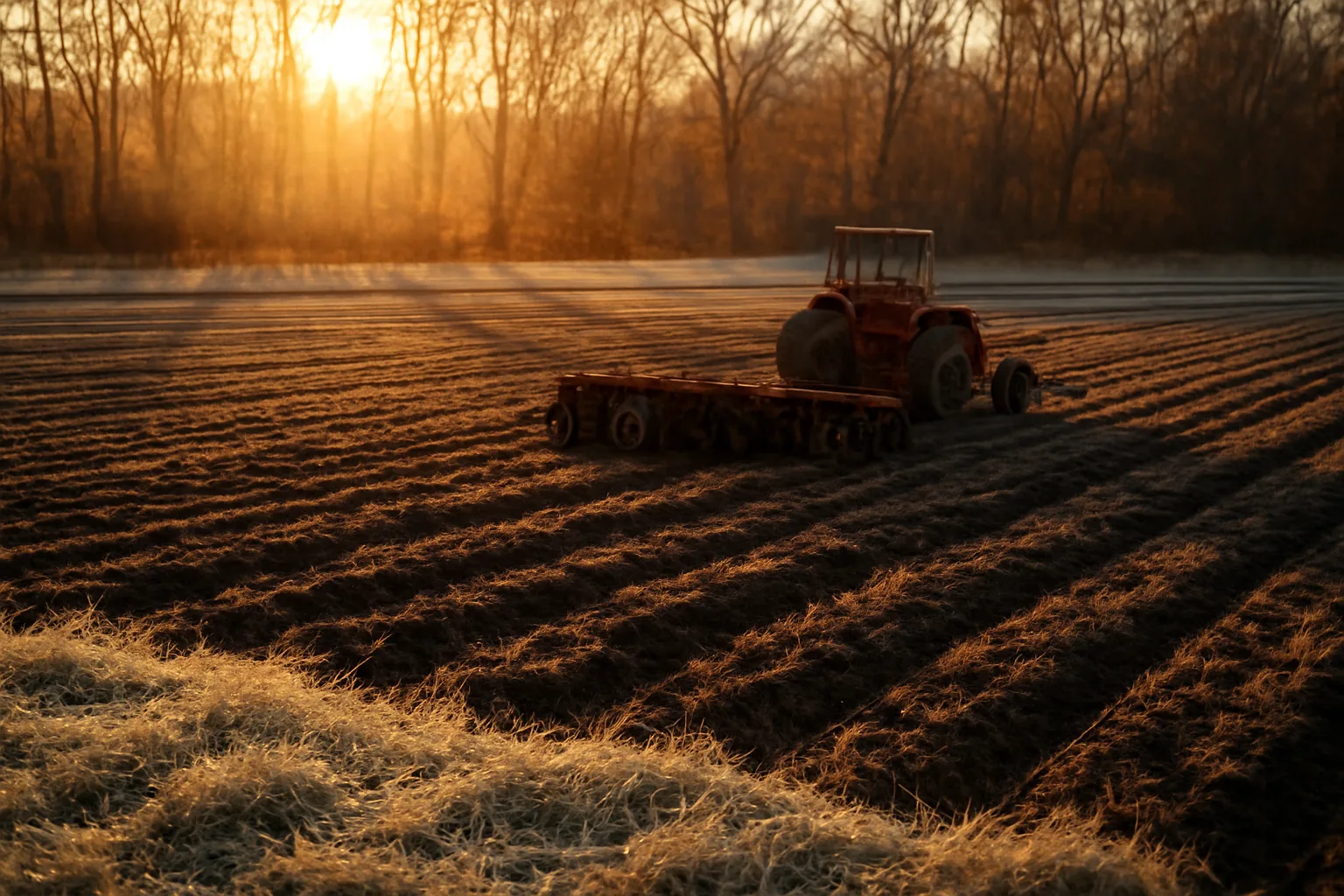
TL;DR
Late food plots can still work if you switch species. Brassicas like turnips need 80-90 days before hard frost, so plant by early September in most zones. Cereal grains (oats, wheat) can go in even later, into early October in the South. Clover and beans planted late usually fail. Match your seed to your actual first-frost date, not the calendar.
What counts as a "late" food plot planting?
Late planting means you're seeding after the ideal window for your region and species has closed, but before it's too late to get any usable growth before winter. For most of the whitetail range, that ideal window for fall annuals runs from mid-August through early September, depending on latitude and first-frost dates. If you're reading this in late September or October wondering if you can still get something in the ground, you're in late-planting territory. The key number to know is your average first hard frost date. NOAA's Climate Prediction Center and your state climate office publish these dates by county, and most cooperative extension planting guides build their charts around them [1]. A hard frost (28°F or below) kills tender annuals outright. A light frost (32°F) just slows them down. Brassicas actually get sweeter after a light frost because the plant converts starches to sugars, so a little cold isn't the enemy. Running out of daylight and soil warmth is. Late planting isn't automatically a failure. It just narrows your species options hard. Some plants (oats, winter rye, winter wheat) are built to handle short days and cool soil. Others (soybeans, cowpeas, most clovers) need a long runway and punish you for planting late.
When to plant food plots for deer, by region
| Deep South (TX, LA, MS, AL, FL panhandle) | Sept 15 to Nov 1 | Late Nov to mid-Dec | |
|---|---|---|---|
| Lower Midwest / Mid-South (KY, TN, southern MO) | Aug 15 to Oct 1 | Mid to late Oct | |
| Upper Midwest / Northeast (WI, MN, MI, NY, PA) | Aug 1 to Sept 15 | Late Sept to mid-Oct | |
| Northern tier (northern MN, ME, upper MI) | Late July to mid-Aug | Mid to late Sept | If you're in the Deep South, "late" planting in October is often still right on schedule. If you're in Wisconsin or Minnesota, planting in October means you're gambling. That's the biggest thing people get wrong: they read a national forum thread and apply a Georgia planting date to a Michigan plot. For spring plots (clover, chicory, warm-season annuals like soybeans or sorghum), the window opens after your last frost date, generally April through June depending on latitude. Late spring planting has more forgiveness than late fall planting because you've got a whole growing season ahead instead of a shrinking one. |
There's no single national planting date because frost dates swing by six to eight weeks across the whitetail's range. Land-grant extension offices break the country into rough zones for this reason, and your local office is more accurate than any national chart [2]. Here's a general framework, understanding your specific county could run a week or two either direction: | Region | Fall annual planting window | Typical first frost |
What is a food plot, exactly?
A food plot is a planted area, usually somewhere between a quarter acre and several acres, seeded with forage crops to attract and feed deer and other wildlife. It's more than a wild patch of land; it's cultivated ground, typically limed, fertilized, and planted based on a soil test, the same way you'd manage a small farm field. Food plots serve a few real purposes: supplemental nutrition (especially in late winter and during antler growth or lactation), hunting access (concentrating deer activity in a spot with good cover and shot opportunities), and sometimes habitat improvement on the property as a whole. State wildlife agencies generally treat food plots as a legal, standard land management practice distinct from baiting, though the line between the two varies by state law and matters a lot if you're hunting over one. A basic food plot program has four parts: soil testing, liming/fertilizing to match that test, species selection based on season and soil, and planting with the right equipment for your ground (disk, no-till drill, cultipacker, or even just a hand spreader and ATV drag for small plots). Skip the soil test and you're guessing at fertilizer and lime rates, which is the single most common way people waste money on food plots. For a property-specific breakdown of species and timing, a Custom Food Plot Plan from PlotSeason runs $99 one time and gives you a planting plan based on your location and soil results, though your soil test lab is still the final word on lime and fertilizer rates for your ground.
When to plant turnips for deer
Turnips need roughly 80 to 90 days from seed to a mature bulb, and they want that growth to happen before a hard, prolonged freeze locks up the ground. Most extension guides recommend planting turnips for deer 60 to 90 days before your average first hard frost [3]. That generally means late July through August in northern states, and August through early September in the mid-South. In the Deep South you can push turnip planting into September and still get bulb development before real cold arrives. Turnips are actually one of the better "rescue" crops for a slightly late planting because deer will eat the leafy tops even if the bulb never fully matures. If you're planting turnips in mid-September in Kentucky, you probably won't get huge bulbs, but you'll get tonnage of green forage that deer hit hard in October and November. The real killer for turnips is planting so late that seedlings don't establish a root system before frost. Once soil temps drop into the 40s consistently, germination slows to a crawl. Mix turnips with radish or rape for a food plot, they're all Brassica species with similar timing needs, and a blend spreads your risk if one component germinates poorly.
When to plant oats for deer, and how late is too late
Oats are one of the most forgiving grains you can plant late because they tolerate cool soil and grow fast, often showing green in 5 to 7 days under good moisture. Extension guidance generally puts oat planting in the same window as other fall annuals, roughly 6 to 8 weeks before the first killing frost, so the plant has time to establish before growth stalls. The practical upside of oats: unlike brassicas that need bulb development time, oats just need to put on leaf growth, and deer will graze them almost as soon as they're up. That makes oats one of the better choices if you're planting in mid to late September in the northern half of the country, or into October in the South. Oats aren't usually winter-hardy in the northern tier (they'll winterkill hard below the low 20s to teens depending on variety and snow cover), so don't expect a northern oat plot to carry through January. In the South, oats can persist and even provide grazing into late winter. If you want a food source that survives into spring anywhere, blend oats with winter wheat or winter rye, both of which are true winter annuals that go dormant and regrow rather than dying at first hard freeze.
Do deer eat clover, and should you plant it late?
Yes, deer eat clover readily, and it's one of the most consistently preferred forages in food plot research. Clover is a perennial legume, high in protein (often 20-30% crude protein in vegetative growth) [4], and it regrows after grazing rather than getting wiped out in one pass, which is part of why it's a mainstay in spring and summer plot programs. But clover is a bad candidate for late fall planting. It needs a longer establishment period, ideally 60 to 90 days of decent growing conditions before winter dormancy, and young clover seedlings are much more frost-sensitive than established plants. Extension guidance generally recommends planting clover in late summer (August in northern climates) or, more reliably, in early spring. If you're staring at bare ground in October wondering whether to throw down clover, the honest answer is: you can, but expect thin, weak stands and real risk of a total loss if winter comes on hard before the roots establish. If you already have an established clover plot and you're just trying to thicken it up, a light late-season overseed can work because you're not starting from bare dirt. But planting clover from scratch in October, in most of the country, is a coin flip you're better off not taking. Wait for spring.
Do deer like clover more than other forages?
Clover consistently ranks as a top preference in deer forage studies and grazing observation data, but "favorite" depends heavily on season, availability, and what else is on the landscape. In spring and summer, clover and other high-protein legumes are heavily used. In fall, deer shift hard toward high-carbohydrate and high-sugar foods as they build fat reserves for winter, which is why brassicas, cereal grains, and acorns become the priority foods that time of year [5]. So clover isn't universally the top food, it's the top food for part of the year. A property with only clover is missing the fall energy push that brassicas and grains provide. That's the whole logic behind a multi-plot, multi-species program instead of one plot with one seed type.
What are deer's favorite foods overall?
Deer are opportunistic browsers, and their preferences shift with season, region, and what's abundant. Acorns are consistently one of the most preferred fall foods where oak trees are present, because of their fat and carbohydrate content, and deer will often bypass planted food plots entirely during a heavy acorn drop [6]. Outside of mast years, agricultural crops (soybeans, corn), clover, and brassicas rank high in food plot studies. Regional research from state wildlife agencies and universities running deer diet studies (rumen content analysis, browse surveys) consistently shows a mix: woody browse and forbs make up the bulk of the diet across most of the year, with agricultural and food plot forage becoming a bigger share where it's available, especially in late summer and fall. There's no single "best" food, deer eat differently in July than they do in November, and a plot program that only offers one crop misses most of that curve. That's really the argument for multiple plot types on a property, more than a bigger version of one plot. If you want the fuller breakdown of species by season and purpose, see food plot whitetail and deer food plots.
Do deer eat sorghum?
Yes, deer eat grain sorghum (milo), both the standing grain heads and the leaves, and it's a legitimate late-summer to fall food plot component, particularly in the South and Midwest where it's already a common row crop . Sorghum is planted as a warm-season annual, generally from late spring through early summer once soil temps are reliably above 60°F, so it's not typically a candidate for late-season planting; you plant it in June, not October. Sorghum's real value in a plot program is standing cover plus a grain source that holds up into winter better than corn does in terms of cost and drought tolerance. It's not usually anyone's first-choice deer food ahead of soybeans or corn, but turkeys, deer, and a long list of other wildlife use it, and it's cheaper per acre in a lot of regions. If you're asking about sorghum because you're trying to salvage a late planting window, it's the wrong tool: by the time you're worried about late planting in fall, sorghum's window already closed months earlier.
Do deer like honey, and does it belong in a food plot?
Deer don't eat honey in any meaningful way as part of natural foraging, and honey isn't a food plot input or attractant with any real research behind it for deer specifically. This question shows up because of confusion with commercial deer attractant products, many of which use sweet, sugary, or molasses-based scents and flavors (not literal honey) to draw deer to a mineral site or bait pile, not a planted plot. More importantly: using bait or attractants, including sweetened mineral or feed products, to hunt over is illegal in a lot of states, and legal in others under specific rules about distance, timing, or product type. Baiting and feeding regulations vary widely and change fairly often, so check your state wildlife agency's current regulations before using any attractant product, and don't assume a food plot is legally equivalent to bait; most states draw a real distinction between planted forage and placed feed or bait piles, but the definitions differ by state. Food plots are broadly legal as habitat and hunting tools; sweetened bait products are a separate legal category you need to check specifically.
What still grows if you're planting really late (October or later)?
If you're past the ideal window everywhere but the Deep South, your options narrow to true cool-season cereal grains: winter wheat, winter rye (cereal rye, not ryegrass), and to a lesser extent oats if you're far enough south. These crops are bred to germinate in cool soil, survive hard frost, go semi-dormant over winter, and resume growth in spring . Winter rye is the most frost-tolerant of the bunch and will germinate in soil temps as low as the low 40s°F, making it close to a true last-resort planting option when almost nothing else will take. Winter wheat is a close second. Both can be planted into October in much of the transition zone and still establish enough root and shoot growth to survive winter, then explode with green growth in early spring, which is a genuinely useful food source for deer coming out of a hard winter. What won't work late: soybeans, cowpeas, most brassica bulbs (leafy brassica growth can still happen, bulbs won't), clover, chicory, and any warm-season annual. Don't buy soybean seed in October hoping for a miracle. Save the money. If you're deciding what seed to even buy for a late window, it helps to look at blends built around cereal grains rather than single-species bags; see deer food plot seed and food plot seed for how blends are typically built.
How do you decide if it's even worth planting this late?
Run the math backward from your county's average first hard frost date, then check whether your chosen species needs more days to maturity (or to a usable grazing stage) than you have left. If a turnip needs 80 days and you've got 50 days until frost, you're not going to get bulbs. You might still get leaf growth deer will use, but you should plant expecting partial results, not a full crop. Soil moisture matters as much as the calendar. A lot of late-planting failures aren't really about frost, they're about planting into dry August or September dirt with no rain in the forecast. Cereal grains and brassicas both need decent moisture to germinate promptly; a dry spell after a late planting can cost you two or three weeks you don't have. A rough decision framework: - Days to frost > 80: most things still work, including brassicas and clover
- Days to frost 50-80: shift to brassicas (for leaf growth), oats, and cereal grains
- Days to frost 25-50: winter rye or winter wheat only, or accept a spring-only plan
- Days to frost under 25: skip fall planting, prep the seedbed now and plant early spring instead This is also where a soil test earns its keep even on a rushed timeline. Lime takes months to fully adjust soil pH, so a late-planted plot on unlimed acidic ground is fighting two problems at once: short season and poor nutrient availability. If you haven't pulled a soil sample yet, do it now anyway, apply what your lab report recommends, and treat this year's late plot as a bridge while you set up a proper spring and next-fall rotation. For property-specific timing built around your actual coordinates and soil results, the Custom Food Plot Plan is a $99 one-time option; it's general planning guidance, not a substitute for your soil lab's specific lime and fertilizer recommendations.
What equipment do you need for a rushed, late-season planting?
Late plantings often get rushed because people are working around weather or a shrinking calendar, which makes good seed-to-soil contact even more important, not less. A no-till drill is the most forgiving option if you've got access to one, since it places seed at a controlled depth regardless of surface trash or a rough seedbed. Without a drill, a disk followed by a cultipacker (or a drag harrow and ATV tire drag in a pinch) still works for small grains and brassicas; broadcast the seed, lightly incorporate it into the top quarter to half inch of soil, and firm the seedbed so seed doesn't just sit exposed on top where it dries out and birds pick it off. Depth matters more than people think: cereal grains generally want half an inch to an inch of coverage, brassica seed (it's tiny) wants barely covered, almost dusted on top. If you're broadcasting into standing residue or a weedy field with limited time to prep, at least mow or spray first; germinating seed competing with established weeds in a shortened season is a losing fight. For equipment approach by plot type and size, see deer for food and domain food plot seed.
Frequently asked questions
Do deer eat sorghum?
Yes. Deer eat grain sorghum heads and leaves, and it's a common warm-season food plot and row crop option in the South and Midwest. It's planted in late spring to early summer, not fall, so it isn't a late-planting rescue option; by the time you're worried about late planting, sorghum's window has already passed.
Do deer eat clover?
Yes, clover is one of the most preferred deer forages, especially in spring and summer, and it's high in crude protein (often 20-30% in vegetative growth). It's a poor choice for late fall planting from bare ground because seedlings need 60-90 days to establish before winter.
When should you plant deer food plots?
Fall annuals generally go in 6-8 weeks before your area's average first hard frost, roughly mid-August in northern states and September into October in the Deep South. Spring/summer plots (clover, soybeans) go in after your last frost date, generally April through June depending on latitude.
Do deer like clover more than other food plot options?
Clover ranks high in preference during spring and summer growth, but deer shift toward high-carb foods like acorns, brassicas, and grain in fall as they build winter fat reserves. No single crop is the top food year-round, which is why multi-species plot programs outperform single-crop plots.
When should you plant oats for deer?
Plant oats 6-8 weeks before your first hard frost, generally late summer to early fall depending on region. Oats germinate fast (5-7 days with good moisture) and tolerate cool soil, making them one of the more forgiving grains for a slightly late planting.
When is the best time to plant food plots for deer overall?
There's no single national date. Fall plots go in mid-August (northern states) through October (Deep South), timed 6-8 weeks ahead of first frost. Spring/summer plots go in after last frost, April through June. Your state cooperative extension office publishes county-level frost dates that should drive your actual planting date.
When should turnips be planted for deer?
Plant turnips 80-90 days before your area's average first hard frost so bulbs have time to mature, generally late July through August in the North and August through early September in the mid-South. Planted later, you'll likely still get leafy top growth deer will graze, just without full bulb development.
What exactly is a food plot?
A food plot is a cultivated area planted with forage crops (clover, brassicas, cereal grains, soybeans, etc.) to provide supplemental nutrition for deer and other wildlife and to concentrate animal activity for hunting or observation. It typically involves soil testing, liming, fertilizing, and species selection based on season and location, similar to managing a small farm field.
What are deer's favorite foods?
It depends on season. Acorns are a top preference in fall where oaks are present; agricultural crops, clover, and brassicas rank high in food plot research; and woody browse and forbs make up the bulk of the year-round diet. There's no single universal favorite food across all seasons.
Do deer like honey?
No, honey isn't a natural or meaningful part of deer diet, and it's not a real food plot input. The idea likely comes from confusion with sweetened commercial deer attractant products, which use sugar or molasses scents, not actual honey, and which may be regulated or banned as bait under state law.
Is it too late to plant a food plot in October?
It depends on your region and species. In the Deep South, October planting is often still on schedule. In northern states, October is generally too late for brassicas, clover, or beans, but winter rye or winter wheat can still be planted and will establish before frost, then resume growth in spring.
Can you plant a food plot without a soil test?
You can, but you're guessing at lime and fertilizer rates, which is the most common way people waste money on food plots. A soil test from your local cooperative extension lab tells you actual pH and nutrient levels so you apply only what the ground needs, not a generic bag rate.
Is planting a food plot the same as baiting deer?
No, most states treat planted food plots as legal habitat and land management, distinct from baiting or feeding, which usually involves placed feed, mineral, or attractant products. But definitions and restrictions vary significantly by state, so check your state wildlife agency's current regulations before assuming what's legal on your specific ground.
Sources
- NOAA National Centers for Environmental Information, Climate Normals: First and last frost dates vary by region and are published as climate normals by county/station
- University of Tennessee Extension, Brassicas for Deer Food Plots: Turnips and other brassicas need roughly 80-90 days to reach maturity and should be planted ahead of first hard frost
- Oklahoma State University Extension, Clover for Wildlife Food Plots: Clover forage typically provides 20-30% crude protein during vegetative growth
- USDA Forest Service, Wildlife Habitat and Mast Production research summaries: Acorns and hard mast are a preferred, high-value fall food source for white-tailed deer where oaks are present
- Auburn University/Alabama Extension, Warm Season Food Plot Options: Grain sorghum is used as a warm-season food plot planting eaten by deer and other wildlife
- University of Kentucky Extension, Establishing Food Plots for Deer: Winter rye and winter wheat tolerate late planting and cold soil better than other fall annuals and can survive winter dormancy