Last updated 2026-07-26
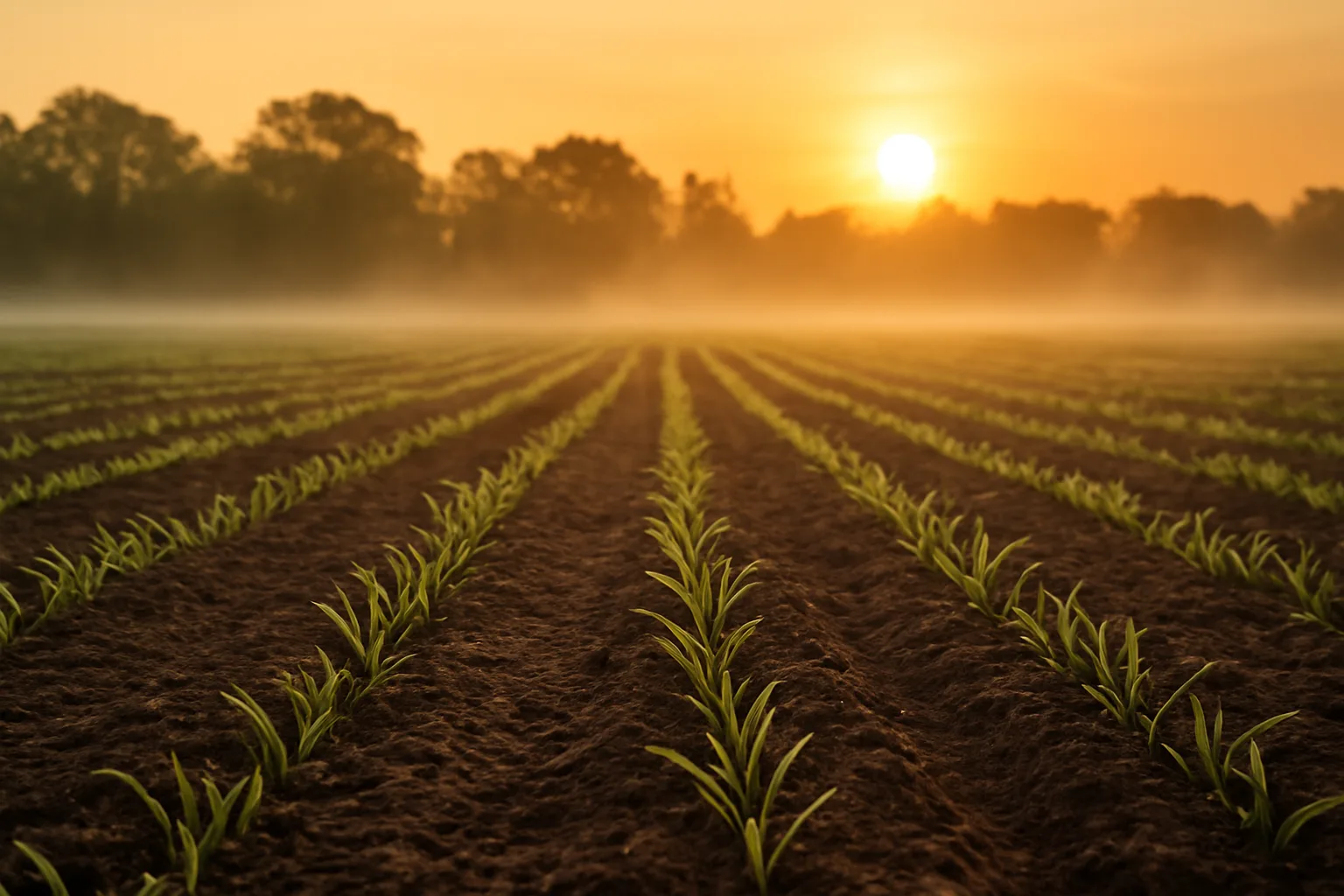
TL;DR
The best window for fall food plots is 6 to 10 weeks before your area's average first frost, which lets brassicas and cereal grains mature before growth slows. In most of the whitetail range that lands between mid-August and mid-September. Soil moisture and soil temperature matter more than any fixed date on a calendar.
When to plant food plots for deer in the fall
Fall plot timing is really a countdown from your first killing frost, not a fixed date on the wall calendar. Most cereal grains and brassicas need 45 to 90 days of growth before that frost hits, depending on species, so you work backward from your local frost date to find your planting window. In the Upper Midwest and Northeast, where first frost often lands between late September and early October, that puts planting in mid-August to early September. In the transition zone and mid-South, with frost dates in mid to late October or later, growers can wait until mid-September to early October. The Deep South barely deals with frost at all some years, so timing there leans more on rainfall and temperature drop than frost risk. The USDA Plant Hardiness Zone Map is a decent starting reference for average frost timing by region, though it's built around minimum winter temperatures rather than fall frost dates specifically, so pair it with your state extension's frost date tables for real precision. Here's the practical rule I use: figure your average first frost date, count back the number of days your seed tag says it needs to maturity, add two weeks of cushion, and that's your target planting week. Brassicas like turnips and radishes want closer to 60-90 days before frost. Cereal grains like oats and wheat want more like 45-60 days. Clover, since it's not racing a hard frost the same way, has a wider window and can even be frost-seeded in some regions.
What is a food plot, exactly
A food plot is a planted area, usually somewhere between a quarter acre and a few acres, seeded specifically to attract and feed deer or other wildlife rather than to produce a harvestable cash crop. Landowners and hunters plant them on private or leased ground to supplement natural browse, hold deer on a property longer, and create predictable feeding locations near stand sites. Food plots aren't a new idea. Wildlife agencies and universities have studied supplemental forage plantings for deer management for decades, and most state wildlife agencies now publish their own food plot guides aimed at private landowners [1]. The concept ranges from small hidden "kill plots" tucked a few hundred yards off a stand, to large destination fields meant to hold deer through hunting season and into winter. The two broad categories are annual plots (replanted every year, usually brassicas, cereal grains, or annual clovers) and perennial plots (clover and chicory blends that can produce for 3-5 years with proper maintenance). Most serious plot programs run both: perennials for spring/summer nutrition and annuals for the fall draw. If you're building your first plot system and want a rundown of what actually falls into the plot-type category, the food plot whitetail overview is a good next stop, and deer food plots covers the broader planning picture.
When to plant oats for deer
Oats go in the ground 45 to 60 days before your first fall frost, which for most of the whitetail range means late August through mid-September. Oats are one of the fastest-growing cereal grains, often showing green growth in 7-10 days under good moisture, and deer will hit young oat shoots hard as soon as they emerge. Oats are also one of the least cold-hardy cereal grains compared to winter wheat or cereal rye, so in colder zones they tend to get knocked back or killed by hard freezes earlier in the winter. That's fine if your goal is early-to-mid season attraction. If you want a plot that holds green forage into late winter, blend oats with wheat or rye so something is still standing after the oats die back. Seeding rate for oats alone typically runs 2-3 bushels per acre (roughly 64-96 lbs), broadcast into a prepared seedbed and lightly covered, according to university extension forage guides [2]. Oats also do well in a blend with brassicas like turnips, since the oats give quick early cover and tonnage while the turnips bulk up their roots later in fall.
When to plant turnips for deer
Turnips need 80 to 90 days to reach full bulb maturity, so they should go in the ground by late July to mid-August in northern zones, and can push into late August in the mid-South. Miss that window and you'll get leafy green tops but skinny, underdeveloped bulbs by the time deer start keying in on them. Here's the thing about turnips: deer often ignore the bulbs early in the season and hammer the tops first, then switch to digging up and eating the bulbs after a hard frost or two. That frost exposure converts starches in the bulb to sugars, which is why turnip plots often get more attention in December and January than in October. If your season closes before that frost-sweetening happens, you may be leaving the best part of the plot's draw untouched until after your hunting is done. A lot of plot mixes blend turnips with radishes and clover to hedge the timing. University extension forage programs note that brassica forage quality and palatability increase after frost exposure, which lines up with hunter observations of late-season plot activity spiking [3].
Do deer eat sorghum
Yes, deer eat both the grain heads and the leaves of grain sorghum, though it's more commonly planted as a screening or standing-cover crop in food plot systems than as a primary attractant. Sorghum's real value in a lot of plot programs is height and density, giving deer bedding cover and travel corridors right next to a plot, plus grain heads that hang on through winter for late-season browse. Extension wildlife programs sometimes list grain sorghum among warm-season plantings useful for both cover and supplemental feed for deer and upland birds [4]. It's a summer-planted crop though, going in the ground after soil temps hit 60-65°F, generally May through June depending on region, not a true fall planting. If you're mapping out a fall-specific plot, sorghum isn't your go-to seed. It's more of a spring/summer companion planting that stands through fall and winter as structure and a secondary food source.
Do deer eat clover, and do deer like clover
Yes, and it's not close. Clover is consistently one of the most heavily used food plot forages across whitetail research, valued for high crude protein content (often 20-30% in well-maintained stands) and season-long availability from spring green-up through fall [5]. Deer graze clover repeatedly through the growing season since it regrows after being browsed, unlike a lot of annuals that get eaten down once and don't come back. White clover (including Ladino types) and red clover are the two most common perennial choices in food plot blends. Both handle repeated grazing pressure well, which matters if you've got a decent deer density on your property hitting the same plot all season. The catch with clover is establishment timing and maintenance. Spring seeding (as soon as soil is workable) or late summer/early fall seeding both work, but clover is slower to establish than cereal grains and needs decent soil pH, generally 6.0-6.5 or higher, to perform well [1]. That's where a real soil test matters more than guessing. Clover stands also need annual mowing and occasional overseeding to stay productive past year two or three; treat it as a 3-5 year investment, not a plant-it-once deal.
What are deer's favorite foods
There's no single universal answer here, deer preference shifts by season, region, and what's locally available, but repeated forage studies and state agency browse surveys point to a consistent short list: acorns (especially white oak family acorns, which are lower in tannins and more palatable than red oak group acorns), soybeans, clover, and agricultural crops like corn and standing beans when available [1]. Acorns in particular can override almost any food plot in a heavy mast year. If white oaks are dropping hard on or near your property, deer will often walk past a lush plot to hit the acorns first. That's not a plot failure, it's just deer behaving like deer. State wildlife agency deer biology pages, including Pennsylvania Game Commission material on whitetail ecology, note this seasonal preference shift toward mast when it's available . Outside mast years, soybeans and clover tend to top most forage preference studies for warm-season use, while brassicas and cereal grains take over as fall preferred foods once frost hits and natural browse quality drops. Preference isn't fixed, it's a moving target tied to what's most available and most palatable at that specific point in the season.
Do deer like honey (and other odd attractant questions)
There's no research or extension data showing deer specifically seek out honey, and it's not a recognized food plot or attractant ingredient in any wildlife agency or university forage guide. Deer are herbivores built around browsing plants, forbs, mast, and agricultural crops, not sugary liquids like honey. Some commercial deer attractant sprays include sugar or molasses-based scents marketed as "sweet" attractants, and there's anecdotal hunter chatter about deer nosing around spilled sweet liquids, but that's a different thing from honey being a meaningful food source or plot ingredient. If you're looking for a real sugar-related draw, molasses-treated mineral licks are a more documented product category than raw honey, though even there, check your state's baiting and feeding regulations before using any attractant, since rules on baiting deer vary significantly by state and by whether you're hunting over it during season. Some states ban baiting outright, some allow it outside a set distance from a stand, and some differentiate between feeding and baiting for regulatory purposes. Your state wildlife agency's hunting regulations booklet is the actual authority here, not a forum post.
How does soil temperature and moisture affect fall planting timing
Calendar dates are a starting guess. Soil temperature and moisture are what actually determine whether your seed germinates on schedule or sits dormant waiting on rain. Cereal grains like oats and wheat germinate reliably once soil temps hit the 40s°F, but growth really takes off above 50°F. Brassicas want similar or slightly warmer soil, ideally in the 55-75°F range for fast germination. Drought is the other variable nobody controls. If your target planting week arrives and the seven-day forecast shows nothing but dry heat, it's usually smarter to wait a week or two for a rain window than to plant into dust and hope. Seed sitting in bone-dry soil doesn't germinate on the clock you planned around, it germinates whenever moisture finally shows up, which can blow your maturity timeline entirely. A lot of experienced plotters watch the extended forecast as closely as the actual date, and treat the "weeks before frost" window as a range to plant within, not a single day to hit exactly. If you get a good rain a week early, take it. If you're staring down a dry spell right at your ideal window, it's fine to push a week or so later rather than planting into dust.
Fall planting windows by seed type
| Seed type | Days to maturity | Plant this many weeks before first frost | Typical planting window (northern zones) | Typical planting window (southern zones) | |
|---|---|---|---|---|---|
| Oats | 45-60 days | 6-8 weeks | Mid-late August | Mid-September to early October | |
| Winter wheat/rye | 60-70 days (grain fill continues into spring) | 6-9 weeks | Late August to mid-September | Late September to October | |
| Turnips | 80-90 days to full bulb | 10-13 weeks | Late July to mid-August | Mid-late August | |
| Radishes | 60-90 days | 9-13 weeks | Late July to mid-August | Mid-late August to September | |
| Clover (perennial) | Establishes in 60-90 days, productive for 3-5 yrs | Flexible, spring or late summer/fall | Late August to mid-September | September to early October | These are general ranges pulled from land-grant extension forage planting guides [2] [3], not guarantees. Local frost dates, elevation, and even which side of a ridge your plot sits on can shift things by a week or two either direction. Your own county extension office frost date data is worth five minutes on the phone to confirm before you commit seed to ground. |
How do I build a planting calendar specific to my property
Start with three numbers: your average first fall frost date, your soil test results, and the maturity window printed on your seed tag. Work backward from frost date using the table above, cross-check your soil's pH and nutrient levels against what your seed mix actually needs, and adjust seeding rate and fertilizer based on your specific soil test lab report, not a generic bag recommendation. Your soil test lab is the actual authority on lime and fertilizer amounts for your dirt specifically; a bag label is a starting point, not a prescription for your field. Property-specific variables matter more than people give them credit for. A north-facing slope holds moisture longer and warms slower than a south-facing field. Heavy clay drains differently than sandy loam and changes how fast a fall rain actually gets seed germinating. Shaded plots near timber get less afternoon heat and may need an extra week of buffer before frost risk. This is where a lot of hunters get stuck guessing, and it's honestly the reason we built the $99 one-time Custom Food Plot Plan at PlotSeason. You send us your soil test and property basics, we hand back a planting plan built around your zone, frost dates, and soil numbers instead of a generic seed bag calendar. You can start one at /plot-plan-builder. That said, everything in this article works fine as a standalone reference if you'd rather build the calendar yourself; the plan is a shortcut, not a requirement. For seed selection specifics once your calendar is set, deer food plot seed and food plot seed break down blend options by region and goal.
What happens if I plant too early or too late
Plant too early into late-summer heat and drought, especially in the transition zone and South, and you risk seed sitting in dry soil for weeks, or germinating into a heat wave that stresses seedlings before they've built a root system. Brassicas planted too early can also bolt or mature before the frost-sweetening effect kicks in, meaning peak palatability passes before deer season does. Plant too late and you run out of growing season before frost shuts things down. Turnips seeded in early September in a northern zone with a late-September frost date will likely never bulb out properly; you'll get leafy tops and not much else. Oats planted a week before frost may sprout but won't put on meaningful tonnage before growth stops. The safer error, if you have to guess wrong, is planting slightly early rather than slightly late, assuming you've got irrigation or reliable rain in the forecast. A stressed early planting can still recover and produce. A too-late planting simply runs out of calendar days no matter what you do afterward.
Frequently asked questions
When should I plant fall food plots for deer?
Plant 6 to 10 weeks before your area's average first fall frost date, adjusted for seed type. Oats and wheat need about 45-60 days to produce meaningful growth, while turnips and radishes need 80-90 days to bulb out. Check your county extension's frost date tables rather than relying on a generic calendar date.
Do deer eat sorghum?
Yes, deer eat grain sorghum heads and leaves, but it's more commonly used as a summer-planted screening and cover crop than a primary fall food plot species. It's planted in late spring to early summer once soil temps hit 60-65°F, and stands through fall and winter providing cover and secondary grain forage.
Do deer eat clover?
Yes, clover is one of the most consistently used food plot forages, valued for 20-30% crude protein content in well-managed stands and repeated regrowth after grazing. White and red clover are the most common food plot varieties, and both provide forage from spring through fall in a single perennial planting.
Do deer like clover?
Deer strongly prefer clover, especially during spring and summer when protein demands are high for antler growth and lactation. Clover's ability to regrow after grazing keeps it productive across a full season, unlike single-use annuals, which is why it's a staple in most perennial food plot programs.
When should I plant oats for deer?
Plant oats 45 to 60 days before your first fall frost, typically late August through mid-September in most of the whitetail range. Oats germinate fast, often within 7-10 days, and are less cold-hardy than wheat or rye, making them a strong early-to-mid season attractant rather than a plot that holds through deep winter.
When should I plant turnips for deer?
Plant turnips 10 to 13 weeks before first frost, generally late July through mid-August in northern zones and into late August in the mid-South. Turnips need 80-90 days to develop full bulbs, and deer often don't hit the bulbs hard until after a frost converts starches to sugars.
What is a food plot?
A food plot is a planted area, usually a quarter acre to a few acres, seeded specifically to attract and supplement feed for deer or other wildlife rather than for commercial harvest. Plots can be annual (replanted yearly) or perennial (productive for 3-5 years), and are placed based on hunting access and deer travel patterns.
What are deer's favorite foods?
Preference shifts by season and availability, but acorns (especially white oak family), soybeans, clover, and standing agricultural crops like corn consistently rank as top preferred foods in state wildlife agency and university browse studies. In heavy mast years, deer often prefer acorns over any planted food plot.
Do deer like honey?
There's no wildlife research or extension guidance showing deer seek out honey specifically. Deer are browsers built around plants, forbs, and mast, not sugary liquids. Some commercial attractant products use sugar or molasses scents, but honey itself isn't a documented food plot ingredient or established deer food source.
What's the best time to plant food plots for deer overall?
There isn't one universal date; it depends on region, seed species, and your local frost timing. The reliable method is counting backward from your average first fall frost using your seed's days-to-maturity number, generally landing in the 6 to 13 week range before frost depending on species.
Can I plant fall food plots too early?
Yes. Planting into late-summer heat and drought risks seed sitting dormant in dry soil, and brassicas planted too early may mature and pass peak palatability before hunting season starts. It's usually a smaller risk than planting too late, but timing still matters, especially without irrigation.
What happens if I plant food plots too late in the fall?
Late planting runs out of growing season before frost stops growth entirely. Turnips seeded too late may only produce leafy tops with no real bulb development, and oats or wheat planted right before frost won't build enough tonnage to matter as a fall food source.
Do I need a soil test before planting a fall food plot?
Yes, a current soil test is the only reliable way to know your pH and nutrient needs, and your soil test lab's recommendations should override generic seed bag fertilizer rates. Most land-grant university extension offices offer soil testing services for a modest fee, often under $20 per sample.
Sources
- Pennsylvania Game Commission, White-tailed Deer species page: State wildlife agencies publish deer habitat and food plot guidance for private landowners
- Oklahoma State University Extension, Small Grains Forage publication PSS-2871: Oat seeding rates and cereal grain planting practices for forage plots
- University of Missouri Extension, Brassicas for Forage and Wildlife Food Plots (G4160): Brassica palatability and quality increase after frost exposure
- University of Georgia Extension, Clover Variety Performance for Georgia (Bulletin B1347): Clover crude protein content and season-long forage availability for deer
- USDA NRCS Plant Guide, White Clover (Trifolium repens): Clover establishment requires soil pH generally 6.0-6.5 or higher