Last updated 2026-07-26
TL;DR
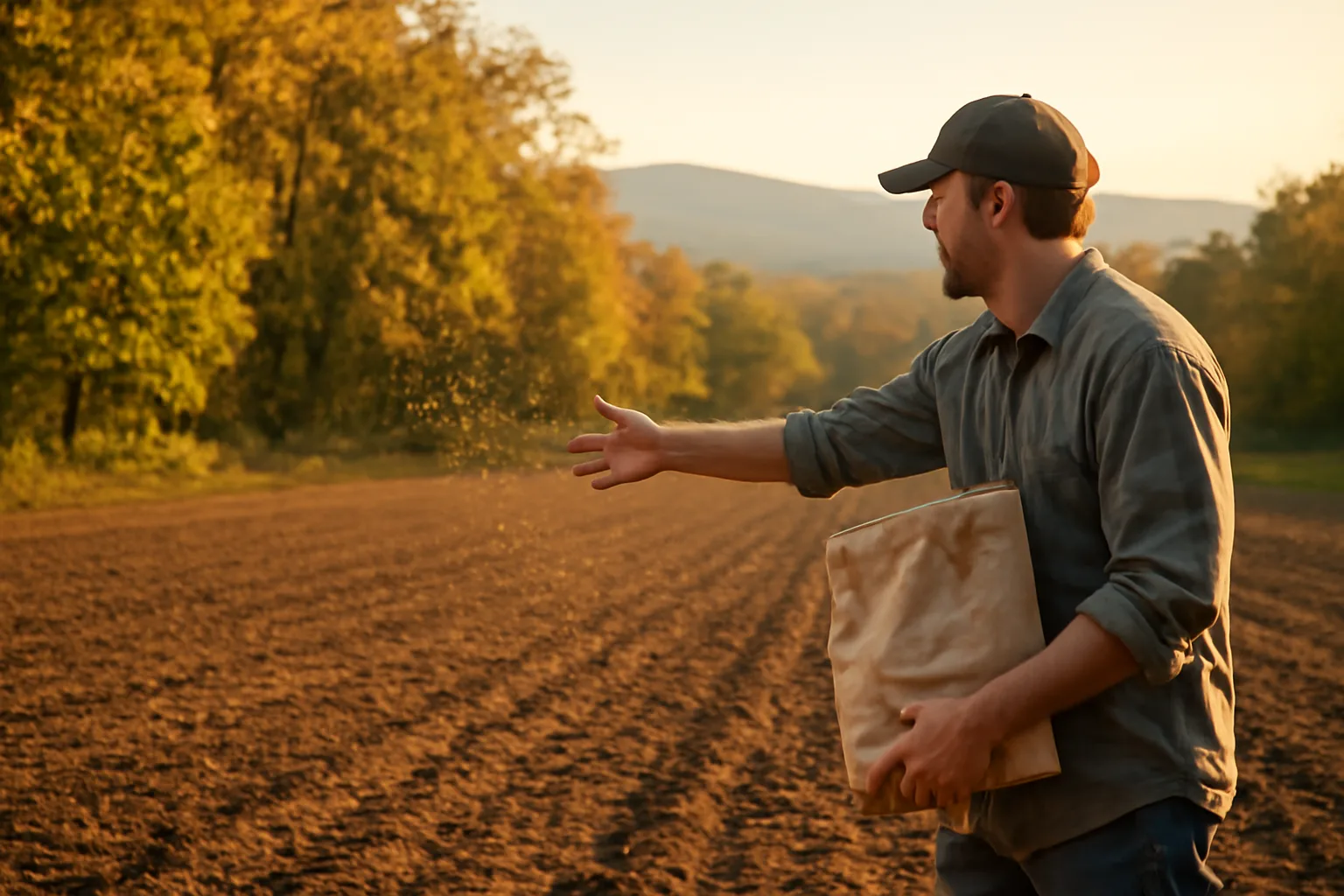
In Pennsylvania, plant fall brassicas and turnips from late July through mid-August, and plant clover, oats, and other cereal grains from late August through mid-September. Northern PA (zone 5) plants roughly two weeks earlier than southern counties (zone 6b/7a). Spring plots for clover or soybeans go in from mid-May through early June, after last frost.
when to plant food plots for deer in pennsylvania
The short answer: it depends on what you're planting and where in the state you're planting it. Pennsylvania spans USDA Plant Hardiness Zones 5a in the northern tier and Pocono highlands to 7a in the far southeastern corner along the Delaware border. That's a real spread, and it shifts your planting window by two to three weeks from Erie County to Chester County. For fall food plots, the two big windows are late July through mid-August (brassicas and turnips) and late August through mid-September (clover, cereal grains, and blends). Spring plots, mostly clover, chicory, or soybeans for summer forage, go in after your last frost date, typically mid-May in the north and late April to early May in the south. Brassica-type forages generally need somewhere around 80 to 90 days from planting to reach full maturity and palatability. That's the working number most seed companies and agronomists use. It's why brassicas go in the ground so much earlier than clover. Miss that window by three weeks and you'll have small, tough plants when deer season opens instead of the sweet, frost-hardened greens that pull deer in during November. Want a planting date built around your actual county and soil test rather than a statewide average? That's exactly what a Custom Food Plot Plan is for. It's a one-time $99 product that takes your zip code, acreage, and soil test numbers and gives you species picks and planting windows specific to your ground, not a generic chart. Check your deer food plot seed options before you commit to a species mix, since not every blend fits every window.
what is a food plot, exactly
A food plot is a planted area, usually somewhere between a quarter acre and several acres, established specifically to grow forage that attracts and feeds deer or other wildlife. It's not a garden and it's not a crop field in the farming sense, though the equipment and agronomy overlap heavily. Most hunters plant one of two broad plot types. A destination plot, often planted in clover or a brassica blend, is meant to hold deer and give you a place to hunt over. A transition or travel plot connects bedding to feeding areas and gets less hunting pressure so deer use it comfortably during daylight. The Pennsylvania Game Commission doesn't regulate food plots as a wildlife management category, but it does regulate how you can hunt over them. Baiting and supplemental feeding rules matter here: PA restricts placing food, salt, or minerals to attract game for the purpose of hunting in much of the state, and feeding restrictions tighten further inside Chronic Wasting Disease Disease Management Areas under the Game Commission's CWD response plan [1]. A properly planted, rooted food plot is legal to hunt over statewide. It's not considered bait under the regulation because it's a standing crop, not placed feed. But if you're inside a CWD Disease Management Area, check the current PGC feeding ban boundaries before you plant anything intended to concentrate deer, since those boundaries shift year to year [1]. Our food plot whitetail guide covers plot placement relative to bedding and travel corridors if you're mapping this out for the first time. Get the placement wrong and even a perfectly timed planting won't get hunted the way you want.
when should you plant turnips for deer in pa
Plant turnips for deer in Pennsylvania between late July and mid-August, giving them 80 to 90 days before your first hard frost to bulb out and sweeten. Turnips need that frost to convert starches to sugars, which is why deer often ignore turnip plots in September and hammer them in November and December. In northern PA counties (Erie, McKean, Potter, Tioga) aim for late July to the first week of August. In the southeast (Chester, Lancaster, Bucks) you can push to mid-August and still hit maturity before your typical first frost, which tends to land later in that region than up north. Seeding rate matters more than people think. Most turnip blends call for 2 to 4 lbs per acre broadcast, and going heavier doesn't help. It just crowds bulbs and reduces size. A firm, well-worked seedbed and shallow coverage, no more than a quarter inch, gives turnip seed the best shot at emerging, since the seed is tiny and buried too deep it simply won't come up.
when to plant oats for deer in pennsylvania
Plant oats for deer from late August through mid-September in most of Pennsylvania, giving them time to establish 4 to 6 inches of growth before winter dormancy sets in. Oats are one of the most forgiving cereal grains for food plots because they germinate fast, often in 5 to 7 days with adequate moisture, and deer will hit young oat shoots almost immediately. Unlike winter wheat or rye, oats aren't reliably winter-hardy in most of Pennsylvania. They'll green up fast in fall, get hammered by deer through October and November, and then usually die back after a hard freeze into the teens. If you want green forage into late winter, blend oats with winter rye or wheat, which will survive and regrow in spring. Straight oat plots are a great early-fall attractant but a one-season play. A lot of hunters plant oats specifically because deer prefer them early in the fall window over clover regrowth, then let brassicas take over the attraction later in the season as the oats decline. That two-stage strategy is common enough that most blended "fall attraction" seed bags on the market are built around exactly that oat-plus-brassica combination. If you're building your own mix rather than buying a bag blend, you'll find species-specific breakdowns and rate charts on our deer food plot seed page.
do deer eat clover, and do they actually like it
Yes, deer eat clover readily, and it's one of the most consistently preferred forages in food plot research. Clover is a legume, meaning it fixes nitrogen from the air into the soil through root nodules, which is part of why it's a favorite for plot builders on a budget: less nitrogen fertilizer needed over time. Do deer like clover more than other options? In terms of raw preference data, clover consistently ranks near the top in forage utilization observations, alongside soybeans and alfalfa, though preference shifts seasonally and regionally based on what else is available. A white or red clover stand also has a huge practical advantage: it's a perennial. Plant it once, maintain it (mowing, occasional lime and fertilizer per your soil test), and you can get 3 to 5 years of production from one seeding versus replanting brassicas or oats every single year. Clover establishment in Pennsylvania works best either in early spring (April into May, after soil temps hit about 50°F) or late summer (mid-August through early September). Fall seeding avoids competition from weeds that explode in spring plantings, which is why a lot of experienced plot managers actually prefer the late-summer window even though it means a smaller first-year stand going into winter.
what are deer's favorite foods, ranked by what the data shows
| Early fall (Sept-Oct) | Soybeans, oats, standing corn | |
|---|---|---|
| Mid fall (Oct-Nov) | Clover, chicory, standing beans | |
| Late fall/winter (Nov-Jan) | Brassicas, turnips, cereal grains | |
| Spring (Apr-May) | New clover growth, natural browse | Acorns complicate every plot plan. In a heavy mast year, deer will often walk past a lush clover plot to feed under a white oak dropping acorns, because acorns are calorie-dense and require zero energy expenditure to dig for compared to browsing. That's not a food plot failure. It's just deer being efficient. Plan your plot locations and stand sites with mast trees in mind, not in isolation. For species selection specific to your soil and region, our food plot whitetail guide breaks down which forages perform where. |
There's no single universal "favorite" because deer preference shifts by season, region, and what's available naturally, but research and long-term plot observation point to a consistent short list: soybeans, clover, and standing corn rank as the highest-preference agricultural forages, with acorns (especially white oak family) often outcompeting all planted forage in a good mast year [2]. Here's a rough seasonal preference table based on common food plot management guidance and deer forage observation: | Season | Typically preferred forage |
do deer eat sorghum, and is it worth planting
Yes, deer eat sorghum, primarily the grain heads in late fall and winter once other forage thins out, but sorghum (grain sorghum, also called milo) is more commonly planted as a cover crop or screening component than as a primary attractant. Deer will browse young sorghum shoots some in summer, but the real value comes from the standing grain heads persisting into winter, similar to standing corn. Sorghum's bigger role in a lot of Pennsylvania plot plans is structural. It grows tall (4 to 6 feet or more) and thick, making it useful as a screen to block sightlines into a plot or bedding area, or as a nurse crop planted alongside clover to reduce weed pressure during establishment. If your goal is pure nutrition and attraction, soybeans or standing corn generally outperform sorghum in preference. If your goal includes cover and screening along with some late-season food value, sorghum earns its place. Plant grain sorghum in late May through early June in Pennsylvania, after soil temps are reliably above 60°F, since it's a warm-season crop that won't tolerate a late frost.
does honey have anything to do with deer, and do deer like honey
This one comes up because of "honey hole" language and confusion with actual bee products, so let's be direct: deer do not seek out honey in the wild and it has no role in food plot planning. Deer are herbivores and their digestive system, a four-chambered rumen built for breaking down fibrous plant material, isn't built around concentrated sugars from honey. What probably drives the search is the term "honey hole," hunter slang for a top-producing stand location or plot, which has nothing to do with actual honey. There's also some crossover confusion with honeysuckle, a shrub that deer do browse readily in some regions, but that's a different plant entirely from honey itself. If you're trying to find something sweet deer genuinely go after, sugar beets and certain brassica varieties (like Pasja hybrid) convert starches to actual sugar content after a frost and get hit hard late season. That's a real, documented attraction mechanism, unlike honey.
how does pa's climate zone change your planting calendar
| Northern tier (zone 5) | July 20 - Aug 5 | Aug 15 - Sept 1 | |
|---|---|---|---|
| Central PA (zone 6a) | Aug 1 - Aug 15 | Aug 20 - Sept 10 | |
| Southeast PA (zone 6b-7a) | Aug 5 - Aug 25 | Aug 25 - Sept 15 | These are general windows built around average first-frost dates, not guarantees. Always check local frost date records for the nearest weather station, since microclimates (valley bottoms, elevation, north versus south-facing slopes) can shift your actual planting window by a week or more even within the same county [3]. A soil test result and a hard planting date from a lab or extension office beats any general calendar. Your soil test lab is the real authority on lime and fertilizer rates for your specific field. A general calendar like this one gets you in the right two-week window, not the exact day. |
Pennsylvania's hardiness zones run from 5a in the high country of the north-central counties and parts of the Poconos up to 7a in the extreme southeast, per the USDA Plant Hardiness Zone Map. That two-zone spread translates to a real difference in your planting calendar, more than a minor tweak. Here's a rough regional breakdown for fall plots: | Region | Brassicas/turnips | Clover/cereal grains |
spring versus fall food plots in pennsylvania: which should you plant
Most Pennsylvania food plot hunters focus almost entirely on fall plots, and for good reason: that's when hunting season happens and when deer need the extra nutrition and attraction most. But spring plots serve a different purpose, mainly building doe and fawn nutrition through lactation and antler growth season for bucks. Spring plots in PA typically go in from late April (southeast) through late May/early June (north), planting clover, chicory, or soybeans once soil temps are reliably above 50°F for clover and above 60°F for soybeans. These plots feed deer through summer and often get grazed hard enough that they need to be mowed or allowed to go to seed by the time fall plots take priority. If you only have time or acreage for one planting season, fall wins for most hunters, since it lines up directly with archery and firearms seasons and gives you a huntable destination plot. But if you're managing a property year-round for herd health rather than just hunting access, a spring soybean or clover planting adds real nutritional value during the antler-growth and lactation window that a fall-only program misses entirely.
what equipment do you actually need to hit these planting windows
You don't need a full tractor and disc setup to hit a PA planting window, but you do need enough equipment to get seed-to-soil contact, which is the single biggest failure point in food plots. A soil test through a land-grant lab like Penn State's Agricultural Analytical Services Laboratory should come first regardless of what equipment you're running, since it tells you your actual lime and fertilizer needs rather than guessing . For small plots (under an acre), a hand spreader, a garden tiller or ATV-mounted disc, and a lawn roller or ATV tire drag can get the job done. For larger plots, a tractor with a disc or field cultivator, a broadcast spreader, and a cultipacker make the work faster and the stand more even. Timing your tillage to your planting window matters as much as the seed itself; working ground two weeks before you plant lets weed seeds germinate and get killed with a second light pass, which is one of the best free weed control methods available. For a deeper breakdown of specific equipment tiers and what's worth renting versus owning, see our deer food plots guide.
Frequently asked questions
Do deer eat sorghum?
Yes. Deer browse young sorghum shoots and eat the grain heads in late fall and winter, though soybeans and standing corn generally rank higher for pure attraction. Sorghum's biggest value in a food plot is as a tall screening crop or nurse crop for clover, not as a primary food source.
Do deer eat clover?
Yes, clover is one of the most consistently preferred food plot forages for deer. It's a perennial legume that fixes its own nitrogen, meaning less fertilizer over time, and a well-maintained stand can produce for 3 to 5 years from a single planting.
When to plant deer food plots in PA?
Plant brassicas and turnips late July through mid-August, and plant clover and cereal grains late August through mid-September, with northern PA counties planting about two weeks earlier than southeastern counties. Spring plots (clover, soybeans) go in mid-April through early June depending on region.
Do deer like clover more than other forages?
Clover consistently ranks among the top-preferred forages in deer observation and research, alongside soybeans and standing corn, though actual preference shifts by season and what natural food (especially acorns) is available. In a heavy mast year, deer often prefer acorns over any planted forage.
When to plant oats for deer in PA?
Plant oats from late August through mid-September so they establish 4 to 6 inches of growth before hard frost. Oats aren't reliably winter-hardy in most of Pennsylvania, so they provide strong early-fall attraction but usually die back after a hard freeze unless blended with winter wheat or rye.
When to plant food plots for deer generally?
Fall plot timing depends on species: brassicas and turnips need 80-90 days before frost, so late July to mid-August in PA; clover and cereal grains go in late August through mid-September. Spring plots for clover or soybeans go in after your last frost, typically mid-April to early June depending on region.
When to plant turnips for deer in PA?
Plant turnips between late July and mid-August, giving them 80-90 days to bulb and sweeten before your first hard frost. Northern PA counties should plant closer to late July; southeastern counties can wait until mid-August given a later average frost date.
What is a food plot?
A food plot is a planted patch of forage, typically a quarter acre to several acres, established specifically to attract and feed deer or other wildlife. Common types include destination plots (clover, brassicas) meant to hold deer for hunting, and transition plots that connect bedding to feeding areas.
What are deer's favorite foods?
There's no single universal favorite since preference shifts by season and region, but soybeans, clover, standing corn, and acorns (especially white oak) rank consistently high in field observation and forage studies. Acorns often outcompete any planted forage in a heavy mast year.
Do deer like honey?
No. Deer are herbivores with a rumen digestive system built for fibrous plant material, not concentrated sugars, and honey has no documented role in deer diet or food plot attraction. The term 'honey hole' refers to a top hunting spot, not actual honey.
What's the best time to plant a food plot in northern PA versus southeastern PA?
Northern PA (roughly USDA zone 5) should plant brassicas by late July to early August and clover/grains by mid-August to early September. Southeastern PA (zone 6b-7a) can wait until early-to-mid August for brassicas and late August to mid-September for clover, given a later average first frost.
Can you hunt over a food plot in Pennsylvania, or does it count as baiting?
A properly planted, rooted food plot is legal to hunt over statewide in Pennsylvania and isn't classified as bait since it's a standing crop, not placed feed. But feeding and baiting restrictions tighten inside Chronic Wasting Disease Disease Management Areas, so check current PA Game Commission boundaries before planting to attract deer in those zones.
Sources
- Penn State Extension, Turnips and Other Brassicas: Fall Deer Forage: brassica forages need roughly 80-90 days to mature and shallow seeding depth guidance
- Pennsylvania Game Commission, Chronic Wasting Disease Response Plan: PA restricts feeding and baiting, with tighter rules inside CWD Disease Management Areas
- NOAA National Weather Service, State College Climate Page: first-frost timing varies across Pennsylvania regions based on local station climate records
- USDA Forest Service, Northern Research Station, General Technical Report NE-303: Oak Regeneration: acorns, especially white oak, are a high-preference, calorie-dense deer food source in mast years
- Penn State Agricultural Analytical Services Laboratory, Soil Testing Services: soil testing through a land-grant lab determines actual lime and fertilizer needs before planting