Last updated 2026-07-25
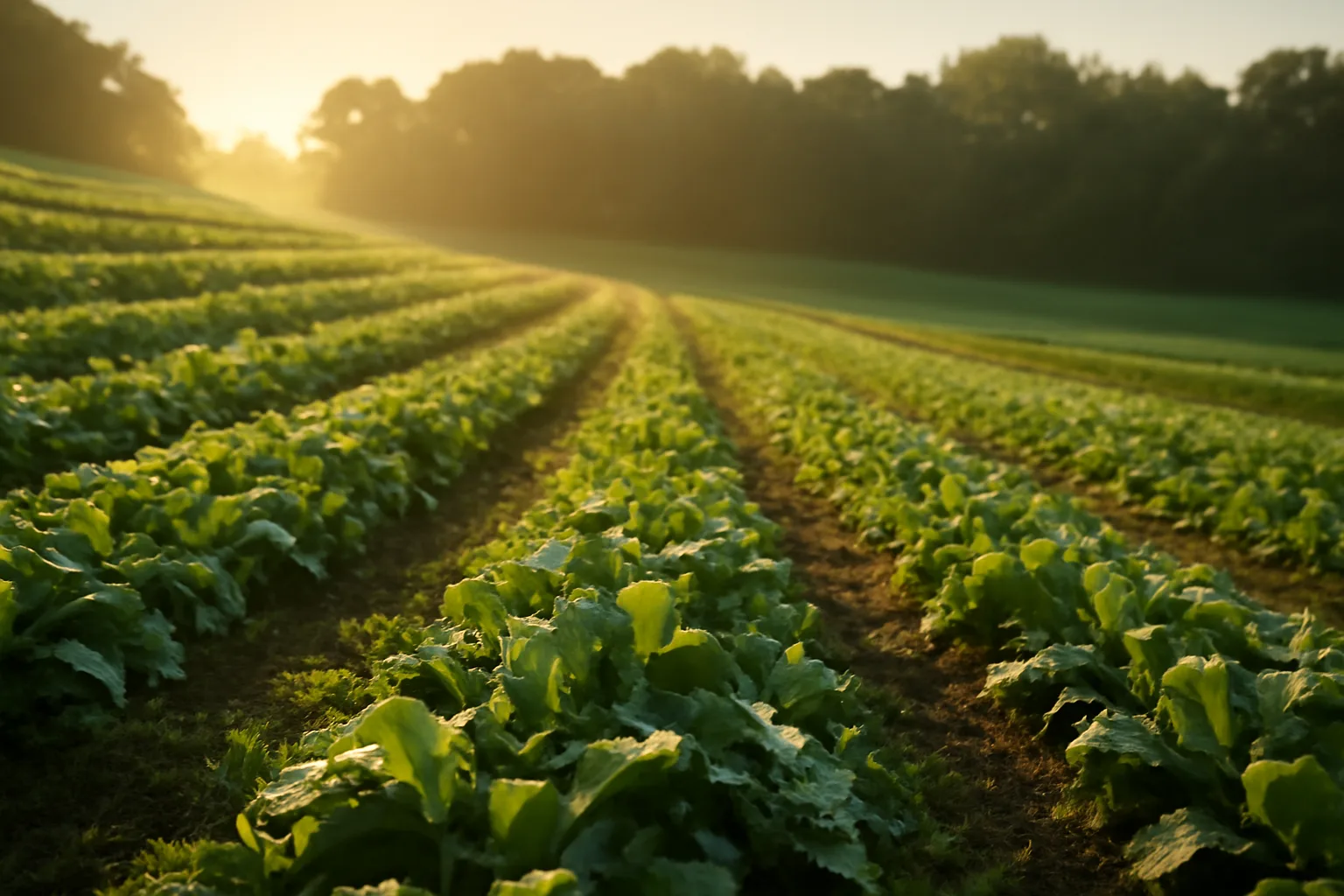
TL;DR
For hill ground, pick erosion-resistant, low-till seed: clover or chicory for permanent cover, oats/brassicas for a fall annual mix, and grain sorghum where soil holds moisture poorly. Test soil first, plant on contour, and favor no-till or broadcast methods over disking, which strips topsoil fast on slopes over roughly 5 to 8 percent grade.
What is a food plot, and why does hill ground need a different plan?
A food plot is a planted opening on hunting land, usually somewhere between a quarter acre and several acres, seeded with forage or grain that deer and other wildlife will eat. Most plots exist for two overlapping reasons: they hold deer on your ground longer during daylight, and they add nutrition during stress periods like late summer antler growth or post-rut recovery. State wildlife agencies generally treat food plots as a form of habitat management, separate from baiting, though the line between the two varies by state and matters a lot for hunting legality. Hill ground changes the math. Flat bottomland holds water and topsoil. A slope sheds both, especially after a hard rain hits bare, tilled dirt. The USDA Natural Resources Conservation Service notes that soil loss on cropland rises sharply as slope grade increases, which is why erosion control practices like contour farming and reduced tillage are standard recommendations on grades above about 2 to 4 percent [1]. Most hunting land with any real hill component sits well above that threshold. So the seed selection question for hill plots isn't just "what do deer like." It's "what will actually establish and survive on a slope without washing out by the second big storm." That reframes the whole plan: fibrous-rooted perennials and no-till annuals beat anything that needs repeated disking. For a broader rundown of plot types beyond hill-specific concerns, see food plot whitetail.
What are deer's favorite food plot foods for hill plots specifically?
Deer preference research and decades of extension trial data point to a short list of forages that consistently rank high in both palatability and use: soybeans, cowpeas, clover, and brassicas top most preference studies, with acorns and other natural mast often outranking all planted forage when available [2]. But "favorite" and "best for a hillside" aren't the same list. Soybeans are a top deer preference food, but they're also a poor hill choice. They need a clean seedbed, decent moisture, and they're slow to canopy, which leaves bare dirt exposed to rain for weeks. On a slope, that's a recipe for a gullied plot by July. Clover, chicory, and brassica blends handle hill ground much better. Clover forms a dense mat within one season and holds soil year-round once established. Brassicas (forage turnips, radishes, rape) have taproots that punch through compacted slope soil and open it up for water infiltration, which actually helps erosion control over time even though the plant itself doesn't have a fibrous root mass. Grain sorghum deserves a specific mention here because it comes up constantly in hill-plot conversations, so it gets its own section below. For a side-by-side on which species fit which site conditions, deer food plot seed covers selection logic in more depth.
Do deer eat sorghum, and does it work on hills?
Yes, deer eat grain sorghum, both the standing grain heads in fall and winter and the young shoots earlier in the season. Sorghum is also a strong choice for hill ground because of its root system and drought tolerance. Land-grant extension trial work on forage sorghum and grain sorghum consistently notes its deep, fibrous root structure and its tolerance for lower-fertility, erosion-prone soils compared to corn [3]. Sorghum's real advantage on a slope isn't deer preference ranking, it's agronomic fit. It germinates in warm soil, tolerates dry spells better than corn, and its stalks stand through winter, giving cover and standing grain at the same time. That said, deer generally rank sorghum below corn and soybeans in direct preference trials when all three are available side by side [2]. Treat it as a hill-adapted grain option, not a top-choice attractant. Many hill-plot mixes blend grain sorghum with a legume like cowpeas or a clover understory. The sorghum stands up structurally and shades out weeds; the legume fixes nitrogen and fills gaps at ground level. That combination handles a slope a lot better than a monoculture of anything. A quick warning: check your state's supplemental feeding and baiting regulations before planting sorghum or any grain crop specifically to concentrate deer near a stand. Standing food plots are legal to hunt over in nearly every state, but rules on hand-broadcast grain, feeders, and "bait" piles vary a lot, and some states draw the line differently for different seasons or weapon types. Check your state wildlife agency's current regulations before you plant or hunt.
Do deer eat clover, and do deer actually like clover on hillsides?
Yes. Clover, particularly white clover and red clover, is one of the most consistently preferred forages in whitetail diet studies and one of the most planted food plot species in the country, according to extension forage guides from multiple land-grant universities [4]. Deer graze clover heavily through spring and summer and will return to it through much of the growing season if it's kept from getting overgrown. On hills specifically, clover is close to the ideal perennial. Once established, it forms a tight mat of roots and leaf cover that holds soil through heavy rain, unlike an annual that leaves bare ground after harvest or dormancy. University of Tennessee Extension forage publications note that clover stands, once thickened, provide season-long ground cover that reduces surface runoff compared to row-crop plantings [5]. The catch is establishment. Clover seed is tiny and needs good soil-to-seed contact plus a firm seedbed, which is hard to get on a rough hillside without some tillage. The workaround most hill-plot growers use is a light disk or drag pass on the contour, followed by cultipacking (or driving over it with an ATV tire) to firm the seed in, rather than aggressive full-depth tillage that leaves loose dirt exposed. Clover also needs decent soil pH, generally in the 6.0 to 6.5 range per most extension forage guides, to nodulate properly and fix nitrogen. That's a soil test question, not a guess, and it matters more on hill ground where lime doesn't always mix evenly into thin topsoil.
When to plant food plots for deer: does the calendar change on a hill?
| Deep South | March-April | September-October | |
|---|---|---|---|
| Mid-South/Transition | April-May | August-September | |
| Upper Midwest/Northeast | May-June | Late July-August | |
| Northern tier/Canada border states | Late May-June | Mid-late July | These are general ranges pulled from common extension planting guidance and vary by elevation and local frost dates; a county extension office or your own frost-date history is more accurate than any national chart [6]. On hill ground, err toward the earlier end of the window for perennials like clover, since they need a full season to establish root mass before facing runoff, and toward the recommended window (not late) for fall annuals, since a late-planted brassica plot with thin cover is exactly what erodes. |
The core planting windows don't shift much for hill ground, but the margin for error shrinks. Most food plot planting falls into two seasonal windows: spring/early summer for warm-season annuals and perennials, and late summer/early fall for cool-season annuals and brassicas. Extension planting guides generally set spring plantings from mid-April through early June depending on region, and fall plantings from mid-August through early October, timed so cool-season crops have roughly 60 to 90 days of growth before hard frost. On a slope, timing matters more because you're racing canopy closure against the next heavy rain. Planting a fall brassica mix in early September in a zone where first frost hits mid-October gives the plant time to build a root mass and leaf canopy before winter rain events start. Planting the same mix three weeks late means thinner cover going into the wettest part of the year. |Region (general zone)|Spring/summer annual window|Fall annual window|
When to plant oats for deer, and do they help on slopes?
Oats are typically planted in late summer to early fall as a cool-season annual, usually 6 to 10 weeks before your area's first hard frost, which lines up with roughly mid-August through mid-September across most of the whitetail's range, shifting earlier in northern zones and later in the South. Oats germinate fast, often within a week in warm, moist soil, which is exactly the trait that makes them useful on a hillside. Fast germination means fast ground cover. A hill plot seeded to oats alongside clover or brassicas gets a quick nurse crop that shades bare soil within two to three weeks, well before the clover underneath has built any real root mass. That nurse-crop role is arguably more valuable on a slope than the oats' value as deer forage, though deer do graze young oat shoots readily, especially in early fall before other food sources green up. Oats winterkill in most of the whitetail range once temperatures drop into the low teens or single digits Fahrenheit for sustained periods, so don't count on them as a season-long grain source north of the transition zone. In the Deep South they can persist longer and even be grazed into winter. For hill plots, a simple oats-plus-clover blend, oats at maybe 50 to 60 pounds per acre and clover at label rate underneath, is one of the more forgiving combinations available: fast cover from the oats, long-term erosion control and forage from the clover.
When to plant turnips for deer, and do turnips work on slopes?
Turnips and other brassicas are planted in the same late-summer to early-fall window as other cool-season annuals, generally 80 to 90 days before your first expected hard frost, since turnips need that much time to bulb up and reach peak palatability. That typically means late July through late August in northern areas, and August into early September through the transition zone and mid-South. Brassica preference has a well-documented quirk: deer often ignore turnip greens and bulbs for the first several weeks after they're planted, then hit them hard once a few frosts convert starches to sugars, which is why brassica plots often look untouched in September and get hammered in November and December. That timing lines up conveniently with late-season hunting in a lot of states. On hill ground, turnips have a real structural benefit beyond deer food. Their taproots drive down through compacted or clay-heavy hillside soil and, when they decompose over winter, leave root channels that improve water infiltration the following season. That's a genuine soil-building effect that a lot of hill-plot growers use turnips for even independent of the deer-food angle, since it reduces the sheet runoff that plain bare or thin-covered hillside soil produces after a hard rain. The tradeoff: turnip seed is small and the plant is slow to canopy early on, similar to clover, so pure turnip stands on a steep, loose hillside can wash before the leaves fill in. Blending turnips with oats or a cereal grain as a nurse crop solves this the same way it does for clover.
Do deer like honey (honey locust, honeysuckle, and related plants)?
This question usually means one of two different plants, and it's worth separating them. Honey locust trees (Gleditsia triacanthos) produce long seed pods that deer readily eat in fall, and the pods are sweet enough that some hunters plant or preserve honey locust specifically as a mast source. Japanese honeysuckle (Lonicera japonica), meanwhile, is a browse plant deer eat heavily, especially in winter when other green forage is scarce, but it's also classified as an invasive species across much of the eastern and southern U.S. by state natural resource agencies, and planting it is restricted or discouraged in many states . Actual honey, the bee product, is not something deer forage on in any meaningful dietary sense and isn't part of any legitimate food plot seed discussion. If a hunter's asking "do deer like honey" in the context of food plots, they almost certainly mean one of the two plants above, or they've seen a commercial "honey hole" branded seed product, which is a marketing name, not a botanical claim. For hill plots, honey locust can actually be a smart edge planting: it tolerates poor, rocky, or eroded soil better than most mast trees, fixes some nitrogen as a legume family member, and drops pods right through a stretch of the season (often September through December depending on region) when other mast is gone. It's a multi-year investment, not a seed-bag answer, but it's a legitimate option for hill-edge plantings where row-crop plots aren't practical.
How do you handle soil and fertility on a hill plot before choosing seed?
Get a soil test before you buy a single bag of seed. This matters more on hill ground than flat ground because erosion, past cropping history, and exposed subsoil on steep spots can leave wildly different pH and nutrient levels within the same small plot. A test from your state land-grant extension lab or a private ag lab typically costs somewhere in the 15 to 30 dollar range per sample and comes back with a specific lime and fertilizer recommendation for the crop you tell them you're planting. Most food plot forages, including clover and brassicas, do best in a soil pH range of roughly 6.0 to 7.0; below that, lime is the fix, and extension guides note that lime can take several months to fully react and raise pH, so fall liming ahead of a spring planting (or vice versa) beats trying to lime and plant the same week. On a slope, apply lime and fertilizer in split passes if you can, since a single heavy application on loose or sloped soil is more prone to washing off before it incorporates. Your soil test report, not a general article like this one, is the actual authority on how much lime and fertilizer your specific plot needs. Recommendations shift based on your existing pH, phosphorus and potassium levels, and organic matter, all of which vary field to field and even within one hillside. This is also where a lot of hill-plot planning goes sideways: growers buy seed first and test soil never, then wonder why a $40 bag of clover produced a thin, yellow stand. Test first, buy seed second.
What planting method actually works on a slope without a full tillage setup?
No-till drilling is the gold standard for hill ground, since it opens a narrow slot for seed without disturbing the surrounding soil structure, but a no-till drill is a real equipment investment (often several thousand dollars new, though many co-ops and conservation districts rent them out by the day). If you don't have access to one, broadcast-and-cultipack is the realistic alternative most hill-plot growers actually use. The method: broadcast seed over lightly disturbed or even undisturbed soil (a light disk pass on the contour, never straight up-and-down the slope, helps seed-to-soil contact), then pack it in with a cultipacker, drag, or even a weighted ATV tire pass. NRCS conservation guidance on contour farming specifically notes that working and planting across the slope rather than up and down it slows water movement and reduces soil loss substantially compared to up-slope tillage patterns [1]. A few practical rules for hill plots regardless of species: Work and plant across the contour, never straight up and down the hill. Minimize the number of tillage passes; one light pass beats three deep ones. Use a nurse crop (oats, winter wheat, or annual rye) with any small-seeded species like clover or brassicas to get quick cover. Leave a grass or unplanted buffer strip at the low end of any steep plot to catch runoff before it leaves the property. For a deeper look at equipment options and low-till setups, see deer food plots and food plot seed.
What's a realistic hill-plot seed mix, put together?
There's no single "best" mix, since soil test results, region, and frost dates all shift the recipe, but a reasonable starting template for a fall hill plot in the transition zone looks like this: a base of winter-hardy clover (white or red) at label rate, oats at 40 to 50 pounds per acre as a nurse crop, and a brassica component (turnip or radish blend) at 3 to 5 pounds per acre, all broadcast together on the contour and cultipacked in. That combination gives fast cover from the oats within two to three weeks, deer-preferred grazing from the brassicas once frost hits, and a perennial clover base that carries the plot into next year without a full re-till. It's also a mix that tolerates a missed fertilizer pass better than a pure grain plot would, since the clover component fixes some of its own nitrogen once nodulated. For spring/summer hill plots, a simpler combination of forage soybeans or cowpeas (if soil and slope allow enough cover crop residue to protect the seedbed) blended with a grain like sorghum handles dry spells and moderate slopes reasonably well, though anything much over an 8 to 10 percent grade starts pushing the limits of what a row-crop-style summer annual can handle without real erosion control work first. If you'd rather skip the guesswork on mix ratios and timing for your specific property, a soil test plus a Custom Food Plot Plan ($99, one-time) turns your test results, region, and slope into a written seed and fertilizer plan instead of a generic mix.
What mistakes wreck hill food plots most often?
Tilling straight up and down the slope is probably the single most common and most damaging mistake. It creates ready-made channels for water to run straight downhill, and a heavy rain right after planting can strip both seed and topsoil in one event. Skipping the soil test is the second big one. Planting clover into soil at pH 5.2 without lime is close to wasted money; the stand comes up thin, gets outcompeted by weeds, and a grower blames the seed instead of the soil chemistry. Planting pure small-seed species (clover or brassica alone) with no nurse crop on a steep slope leaves weeks of bare, exposed ground during the exact window when a hard rain can undo the whole planting. A nurse crop closes that gap. Overworking the seedbed with multiple tillage passes to get it "clean" actually makes hill erosion worse, not better, since it leaves more loose soil exposed longer. One light, well-timed pass beats three deep ones on any real grade. And finally, ignoring state feeding and baiting regulations before planting a grain-heavy attractant plot near a stand. Rules differ by state and sometimes by season or weapon type, so a quick check of your state wildlife agency's current regulations before planting saves a legal headache later.
Frequently asked questions
Do deer eat sorghum?
Yes, deer eat both the young shoots and mature grain heads of grain sorghum. It ranks below corn and soybeans in most direct preference studies, but it's valuable on hill ground for its drought tolerance and deep root system, which handle erosion-prone, lower-fertility slopes better than corn does.
Do deer eat clover, and do deer like clover?
Yes, clover is one of the most consistently preferred whitetail forages in university deer-diet research and one of the most widely planted food plot species nationally. Deer graze it heavily through spring and summer, and a well-maintained clover stand can produce usable forage across multiple growing seasons once established.
When should I plant food plots for deer?
Warm-season annuals and perennials generally go in from mid-April through early June depending on region; cool-season annuals and brassicas go in from mid-August through early October, timed to give 60 to 90 days of growth before hard frost. Exact dates shift a few weeks earlier or later based on your local frost calendar.
When should I plant oats for deer?
Plant oats 6 to 10 weeks before your area's first hard frost, roughly mid-August through mid-September across most of the whitetail range, earlier in the north and later in the Deep South. Oats germinate fast and work well as a nurse crop alongside clover or brassicas on hill ground.
When should I plant turnips for deer?
Plant turnips 80 to 90 days before your expected first hard frost, generally late July through late August in northern areas and August into early September in the transition zone and mid-South. Deer often ignore turnips until a few frosts sweeten the bulbs and greens, which usually lines up with late-season hunting.
What is a food plot?
A food plot is a planted opening on hunting or managed land, typically a quarter acre to several acres, seeded with forage or grain crops for deer and other wildlife. Plots serve two main goals: adding nutrition during stress periods and giving hunters a predictable spot to observe or hunt daylight deer movement.
What are deer's favorite foods for food plots?
Preference research and extension trial data consistently rank soybeans, cowpeas, clover, and brassicas near the top of planted forage choices, though natural mast like acorns often outranks anything planted when it's available. On hill ground, clover and brassicas are usually the more practical picks despite soybeans ranking higher in raw preference.
Do deer like honey?
Deer don't forage on honey itself. The question usually means honey locust trees, whose sweet seed pods deer eat readily in fall, or Japanese honeysuckle, a browse plant deer eat heavily but one that's classified as invasive in many states and restricted from planting. Check your state's noxious/invasive plant list before planting either.
What's the best whitetail hill food plot seed for a steep slope?
Clover, chicory, and brassica blends handle slopes better than row crops like soybeans or corn because they establish ground cover fast and (in clover's case) hold soil year-round once mature. Pair small-seeded species with a fast-germinating nurse crop like oats to protect bare soil during establishment.
Do I need to till a hillside before planting a food plot?
Not necessarily, and often you shouldn't till it fully. A light disk pass on the contour followed by cultipacking gets adequate seed-to-soil contact with far less erosion risk than repeated deep tillage. No-till drilling is the better option if you can rent or borrow a drill; broadcast-and-pack is the realistic backup.
How much does a soil test cost before planting a hill food plot?
Most state extension soil labs and private ag labs charge roughly 15 to 30 dollars per sample, and results typically include a specific lime and fertilizer recommendation for the crop you list. Your lab's report, not a general seed guide, is the real authority on your plot's exact lime and fertilizer needs.
Is it legal to plant a food plot near my deer stand?
Planted, standing food plots are legal to hunt over in nearly every state, but rules on supplemental feeding, bait piles, and how close a stand can sit to feed vary by state and sometimes by weapon or season. Check your state wildlife agency's current hunting regulations before planting and hunting a plot near a stand.
Why did my clover food plot fail on a hillside?
The most common causes are low soil pH from skipping a soil test, poor seed-to-soil contact from tilling straight up and down the slope instead of on the contour, and no nurse crop to protect bare soil while the clover establishes. Any one of these alone can produce a thin, weedy stand within a single season.
Sources
- USDA Natural Resources Conservation Service, Conservation Practice Standard: Contour Farming (Code 330): Contour farming and reduced tillage reduce soil loss on sloped cropland compared to up-and-down-slope tillage
- University of Georgia Extension, Grain Sorghum Production Guide: Grain sorghum has a deep, fibrous root system and tolerates lower-fertility, drought-prone soils better than corn
- University of Tennessee Extension, Clover and Other Legumes for Wildlife Food Plots: Clover is among the most planted and most consistently used forages for whitetail food plots
- University of Tennessee Extension, Establishing and Managing Wildlife Food Plots: Established clover stands provide season-long ground cover that reduces surface runoff versus row-crop plots
- NOAA National Centers for Environmental Information, Frost/Freeze Data: Regional frost dates vary and should guide local adjustment of planting windows
- USDA Forest Service, Fire Effects Information System: Lonicera japonica: Japanese honeysuckle is browsed heavily by deer but is classified as an invasive species across much of the eastern and southern U.S.