Last updated 2026-07-25
TL;DR
The right seed for deer plots depends on your soil test, planting window, and whether you want fall attraction or season-long nutrition. Clover and chicory work as perennials, oats and brassicas shine in fall annual plots, and warm-season blends like sorghum and beans fit spring/summer planting. Match species to your frost dates and pH before you buy.
What is a food plot, exactly?
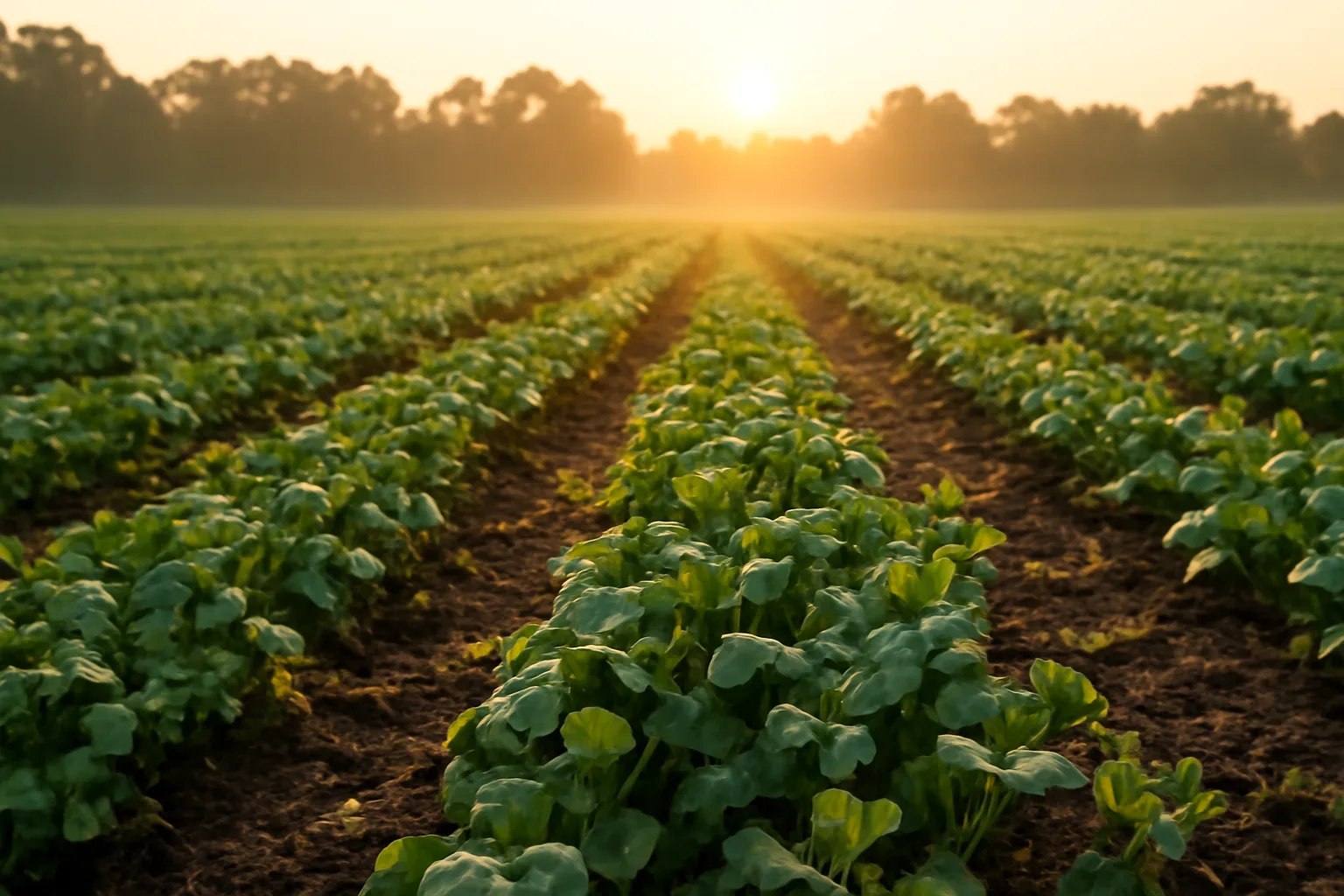
A food plot is a planted patch of land, usually somewhere between a quarter acre and a few acres, seeded with forage that deer and other wildlife will eat. That's the whole concept. People plant them on farms, hunting leases, and small woodlots to give deer a consistent food source and to create a spot where hunters can predictably watch or hunt. Food plots aren't the same as agricultural fields, even though they use a lot of the same seed and equipment. A soybean food plot might be a half acre tucked into timber, planted at a lower density than a commercial bean field, and left unharvested so deer can browse it all season. State agencies generally treat plots planted and left in place (not harvested and distributed) as normal agricultural activity, not baiting, though this varies by state and you should check your specific regulations before assuming anything [1]. The two broad categories are annual plots (replanted every year, often brassicas, cereal grains, or beans) and perennial plots (clover, alfalfa, chicory blends that persist for 3 to 5 years with mowing and maintenance). Most serious plotters run both: a perennial clover field for spring/summer protein and one or more annual plots timed to peak right before gun season.
When to plant food plots for deer?
Timing splits into two windows: spring planting (May through June in most of the whitetail range) for warm-season annuals and perennials, and late summer planting (mid-August through early September) for fall annuals like brassicas and cereal grains. The exact dates shift a lot by latitude, so your local frost dates matter more than a calendar date on a bag. As a rule of thumb, perennial clover and chicory go in either in early spring (as soil temps hit the mid-50s F) or in late summer, aiming for 60 to 90 days before your first fall frost so plants establish before winter. Brassicas like turnips and radishes need roughly 80 to 100 days from planting to reach full size, and they get sweeter after a hard frost converts starches to sugars, so most Midwest and Northeast growers target planting from mid-July to mid-August [2]. Cereal grains (oats, wheat, rye) are faster, needing as little as 45 to 60 days to become attractive, which means you can plant them later, sometimes into September, and still get a green plot before the season opens. If you're planning a whole-season program rather than one planting, it helps to work backward from your hunting dates and your region's average first frost, which USDA and NOAA both publish by county. For a full breakdown by zone, see the food plot whitetail planning guide.
Do deer like clover, and is it worth planting?
Yes. Clover, especially white clover varieties like Durana and Ladino, is one of the most consistently preferred forages in food plot research, and it's a workhorse because it's a perennial that keeps producing for years. University of Tennessee and other extension programs list clover among the top-performing, most cost-effective forages for whitetail plots when soil pH is corrected to 6.0 to 6.5. Clover's real strength is season length, more than palatability. A well-maintained clover stand feeds deer from spring green-up through fall, provides 25 to 30% crude protein during peak growth, and comes back every year without a full replant, just mowing, spot-spraying, and a fertility touch-up. That protein number matters most in late spring and summer, when does are lactating and bucks are growing antlers. The catch is clover needs decent drainage and won't tolerate standing water or heavy shade. It also gets hammered hard by early browse pressure on small plots. If you're planting under an acre in high-deer-density areas, clover alone can get grazed down before it has a chance to establish. Mixing in chicory or adding a fall annual nearby to take pressure off the clover is a common fix. For species comparisons, check deer food plot seed.
When to plant turnips for deer?
Plant turnips in mid to late summer, generally 80 to 100 days before your area's first killing frost, which puts most of the Midwest and Northeast in a mid-July to mid-August window and the Deep South closer to late August or September [2]. Turnips are a fall annual brassica, and their whole appeal depends on cold weather; frost converts starches in the bulb and leaves to sugars, which is why deer often ignore turnip plots in September and hammer them in November and December. Seeding rate for turnips alone runs about 4 to 6 pounds per acre, and they're commonly blended with radishes or rape at lower rates per species. Soil pH between 6.0 and 6.5 gets the best results, and turnips respond hard to nitrogen, so a soil test that tells you actual N-P-K needs will save money over guessing. One practical note: turnip tops get eaten first, then deer come back for the bulbs later in winter once other food is scarce. That staggered feeding pattern is exactly why brassica plots are popular as late-season draws for gun and late-muzzleloader hunters.
When to plant oats for deer?
Oats go in as a fall annual, typically 60 to 90 days ahead of your first hard frost, which for most of the whitetail range lands in the August to early September window. Oats are fast, cheap, and extremely attractive as a green forage in that late summer/early fall period when a lot of the surrounding habitat is drying down. Oats aren't very cold-hardy compared to wheat or cereal rye. Once temperatures drop into the low 20s F repeatedly, oats tend to die back, while wheat and rye keep growing. That makes oats a great early-to-mid season plot and wheat or rye a better choice if you want green forage into December and beyond. A lot of successful plots run both, oats for immediate fall attraction, rye or wheat as the plot that carries into winter. Seeding rate for oats runs roughly 2 to 3 bushels (about 64 to 96 pounds) per acre when drilled, higher if broadcast, since broadcast seed has lower soil contact and germination. Oats also pair well in a blend with brassicas: the oats come up fast and green while the turnips and radishes are still bulking underground.
Do deer eat sorghum?
Yes, deer eat sorghum, particularly grain sorghum (milo) and forage sorghum, though it's more of a secondary or blend component than a stand-alone favorite. Sorghum is a warm-season annual planted in late spring after soil temps hit 60 F or warmer, similar timing to corn, and it's more drought-tolerant than corn, which makes it a common choice in the southern Plains and parts of the Southeast. Deer will browse young sorghum shoots and later eat the grain heads, but sorghum's real value in a lot of plot programs is as cover and as a component in a summer blend with cowpeas, soybeans, or sunn hemp, giving structure and shade to more preferred legumes while adding some grain later in the year. It's rarely the sole species in a serious deer plot; it's more often a supporting player. If you're in an area with grasshopper or armyworm pressure, sorghum can take a beating same as corn, so scout it. Extension programs in Texas and Kansas, where grain sorghum is a major row crop, have solid regional planting guides if sorghum is a big part of your plan.
Do deer like honey, or is that just a hunting myth?
No, deer don't eat honey in any meaningful way as a food source; deer are herbivores built to digest plant fiber through a four-chambered rumen, not the concentrated sugar of honey. The idea probably comes from confusion with mineral licks or with commercial deer attractant products that use molasses or sweet syrups as a carrier for scent, not as an actual forage deer are seeking out nutritionally. What deer are actually drawn to is easily digestible carbohydrate and protein: acorns, soybeans, clover, corn, and in late season, brassica bulbs loaded with sugar from frost conversion. Sweet liquid attractants and mineral/salt products can draw deer in for a period, but they're not a substitute for a planted food source and in many states they're regulated the same as bait, meaning you need to check your state wildlife agency's rules before using them near a stand [1]. If you've seen deer nose around a bee tree or hive, that's usually curiosity or insect activity, not deer actively foraging for honey as a diet staple.
What are deer's favorite foods, ranked by what the research shows?
| White clover | Perennial legume | Spring or late summer | 25-30% | Spring/summer nutrition, multi-year | |
|---|---|---|---|---|---|
| Soybeans | Warm annual legume | Late spring | 20-35% (foliage) | Summer/early fall, heavy browse tolerance needed | |
| Brassicas (turnip/radish) | Cool annual | Mid-late summer | Varies, high sugar post-frost | Late season, cold weather draw | |
| Oats | Cool annual grain | Late summer | 12-20% | Early fall attraction | |
| Winter wheat/rye | Cool annual grain | Late summer/fall | 12-18% | Late season, cold hardy | |
| Grain sorghum | Warm annual grain | Late spring | Lower than legumes | Blend component, drought areas | Crude protein ranges above come from forage testing summaries published by university extension forage programs and vary by growth stage, so treat them as approximate. |
Deer preference isn't one fixed list; it shifts by season, region, and what's available, but a few foods show up again and again in browse studies and extension forage trials as consistently preferred. Acorns (especially white oak family acorns, which are lower in tannins than red oak) are often the top natural food in fall when they're dropping, because they're calorie-dense and low in bitterness compared to red oak acorns [3]. Among planted forages, soybeans and clover consistently rank at the top of preference and nutrition studies, both delivering 20% or higher crude protein during the growing season. Brassica tubers and greens rank high specifically in late fall and winter after frost. Cereal grains like wheat and oats rank well as fall attraction but offer less protein than legumes. Here's a rough comparison across common plot species: | Species | Type | Planting window | Crude protein (approx) | Best use |
How much does deer plot seed cost per acre?
Seed cost varies widely by species and whether you're buying a straight species or a bagged blend. Clover seed generally runs somewhere in the range of $4 to $8 per pound, and at a seeding rate of 6 to 8 pounds per acre for ladino/white clover blends, that's roughly $25 to $60 per acre in seed alone . Brassica blends often run $6 to $12 per pound at lower seeding rates (4 to 6 lbs/acre), landing in a similar cost band. Cereal grains like oats and wheat are much cheaper per pound but need much higher seeding rates; buying oats or wheat by the bushel from a local co-op is usually far more economical than buying small bags of "deer plot oats" at a sporting goods markup. Soybeans for plots run higher per acre because seeding rates are heavier, often 50 to 60 lbs/acre or more. On top of seed, budget for lime and fertilizer based on your actual soil test results, not a guess. Extension soil testing typically costs $10 to $20 per sample through most state land-grant labs, and lime alone can run $30 to $100+ per acre depending on how far off your pH is and local lime pricing . Skipping the soil test to save $15 is one of the most common ways plotters waste money on seed that never reaches its potential.
How do I pick between annual and perennial seed for my plot?
Base the call on how much time you can commit and what season you're hunting hardest. Perennial clover is the better long-term investment if you can spray and mow a couple times a year and want a plot that feeds deer from spring through fall without replanting. It costs more up front in soil prep but spreads that cost over 3 to 5 years. Annuals (brassicas, cereal grains, warm-season blends) make more sense if you're targeting a specific hunting window, don't have equipment for ongoing perennial maintenance, or you're rotating a field between food plot use and something else. Annuals also let you correct soil and try a new spot without committing years to it. Many experienced plotters run both in the same property: a perennial clover field in the most protected, best-drained spot, and one or more annual brassica or cereal grain plots timed to peak right before their state's gun season opens. If you want a starting point tailored to your specific soil test numbers and region, a Custom Food Plot Plan for $99 gives you a one-time planting and fertility plan built around your acreage and goals; it's general guidance built from your inputs, not a site visit, so your soil test lab is still the final word on lime and fertilizer rates.
What soil prep does deer plot seed actually need?
Every species on this list wants roughly the same starting point: pH between 6.0 and 6.5, decent drainage, and a firm, weed-suppressed seedbed. A soil test is the only real way to know your pH and nutrient levels; guessing at lime rates is one of the most common reasons plots underperform. Most state land-grant extension offices run soil tests for home and food plot growers for a modest fee and return specific lime and fertilizer recommendations . Lime takes months to fully react in the soil, so if your test comes back needing 2 tons per acre of lime, applying it the same week you plant won't fix pH in time for that planting. Applying lime in spring for a late summer planting, or even a full season ahead, gives it time to work. Beyond pH, a clean seedbed matters more than most people think. Broadcasting brassica or clover seed onto a weedy, unprepared field usually means the existing weeds outcompete your new seedlings for light and moisture. Whether you're working ground with a tractor and disc or a UTV and cultipacker, getting good seed-to-soil contact and knocking back existing vegetation before planting makes a bigger difference than which brand of seed you buy. For gear-specific guidance, see food plot seed and deer food plots.
Frequently asked questions
Do deer eat sorghum?
Yes, deer eat grain sorghum and forage sorghum, browsing young shoots and later the grain heads. It's more commonly used as a component in warm-season blends with cowpeas or soybeans than as a stand-alone plot, and it's more drought-tolerant than corn, making it common in the southern Plains and Southeast.
Do deer like clover?
Yes, clover is one of the most consistently preferred forages in food plot research. White clover varieties like Durana and Ladino deliver 25-30% crude protein during peak growth and, as a perennial, keep producing for 3-5 years with basic mowing and fertility maintenance rather than a full annual replant.
When to plant food plots for deer?
Warm-season annuals and perennial clover go in during spring (May-June in most regions) once soil temps hit the mid-50s F. Fall annuals like brassicas and cereal grains go in during late summer, typically mid-July through early September, timed backward from your area's first frost date.
When to plant turnips for deer?
Plant turnips 80 to 100 days before your area's first killing frost, generally mid-July to mid-August in the Midwest and Northeast, later in the Deep South. Turnips need cold weather to convert starches to sugar in the bulbs, which is why deer often ignore them in early fall and hit them hard in November and December.
When to plant oats for deer?
Oats go in as a fall annual, roughly 60 to 90 days before your first hard frost, usually August to early September. Oats aren't very cold-hardy and die back once temperatures drop into the low 20s repeatedly, so pair them with wheat or rye if you want green forage into winter.
What is a food plot?
A food plot is a planted area, usually a quarter acre to a few acres, seeded with forage crops for deer and other wildlife. It differs from a farm field mainly in scale, density, and purpose: it's planted to feed and attract deer for hunting or herd health, not for harvest and sale.
What are deer's favorite foods?
Preference shifts by season, but white oak acorns, soybeans, and clover rank consistently high in browse and forage studies. Brassica bulbs and greens become a top late-season draw after frost sweetens them, while cereal grains like oats and wheat rank well for early fall attraction but carry less protein than legumes.
Do deer like honey?
No, deer don't eat honey as a real food source. They're herbivores adapted to digest plant fiber, not concentrated sugar syrup. The idea likely comes from confusion with sweet liquid deer attractants or mineral licks, which use molasses as a carrier, not honey itself, and which many states regulate the same as bait.
How much clover seed do I need per acre?
Most white clover blends for deer plots are seeded at 6 to 8 pounds per acre, costing roughly $25 to $60 per acre in seed alone at typical $4 to $8 per pound pricing. Actual rates vary by the specific variety and whether you're overseeding an existing stand or starting fresh.
Can I plant a food plot without a soil test?
You can, but you're guessing at lime and fertilizer rates, which is the single most common reason plots underperform. Most land-grant extension offices run soil tests for $10 to $20 and return specific pH and nutrient recommendations, and lime takes months to fully react, so testing early matters more than testing thoroughly.
Is planting a food plot considered baiting in my state?
It depends on the state. Generally, seed planted and left standing in the ground is treated as normal agriculture, not baiting, but rules on supplemental feed, minerals, and harvested grain piles vary widely. Always check your specific state wildlife agency's regulations before assuming a practice is legal.
What's the difference between annual and perennial food plot seed?
Annual seed (brassicas, oats, wheat, sorghum) is planted and dies within one growing season, needing replanting each year but offering flexibility and lower upfront soil prep cost. Perennial seed (clover, alfalfa, chicory) persists 3 to 5 years with mowing and spot maintenance, spreading establishment cost over multiple seasons.
Sources
- Congressional Research Service, baiting and feeding wildlife state law variation: State rules on baiting and supplemental feeding for deer hunting vary and planted, unharvested crops are generally treated differently than distributed bait
- NOAA National Centers for Environmental Information, frost/freeze data: Average first and last frost dates by location are published by NOAA and vary significantly by latitude and elevation
- Purdue University Extension, forage and cover crop seed cost guidance: Clover seed commonly costs in the range of $4-8 per pound depending on variety and coating
- University of Georgia Extension: Recommendations for planting and managing wildlife food plots including seasonal timing
- Michigan State University Extension: Comparison of annual versus perennial forage options for deer food plots
- Oklahoma State University Extension: Soil pH and nutrient testing procedures needed before planting food plot seed