Last updated 2026-07-26
TL;DR
Plant turnips for deer 75 to 90 days before your first hard frost, usually late July through early September depending on your zone. Aim for a pH near 6.0 to 6.5, seed at 4 to 6 lbs per acre broadcast into a firm bed, and expect deer to hit the tops before the bulbs, especially after a frost sweetens the sugars.
what is a food plot, exactly
A food plot is a planted patch of ground, usually somewhere between a quarter acre and a few acres, put in specifically to feed deer or other wildlife rather than to feed people or livestock for sale. Most hunters plant food plots on land they own or lease for hunting. The goal is usually some mix of nutrition, holding deer on the property, and creating a spot with decent visibility for a shot. Food plots aren't the same thing as baiting. Baiting typically means putting out piles of corn, minerals, or other feed in a spot, and a lot of states regulate or flat out ban that practice for deer hunting. A planted, growing crop is treated differently under most state wildlife codes, but the line isn't universal. Some states, including parts of the Northeast like Vermont, have tighter baiting restrictions that hunters need to check before assuming a food plot is automatically legal to hunt over. Always check your state wildlife agency's current regulations before you plant or hunt over anything, because rules change and enforcement varies by county in some states. Brassicas like turnips fit into food plots because they're cheap, cold hardy, and produce a lot of tonnage per acre for not much input cost. That's the appeal. They're not magic, but they are one of the more forgiving crops for someone planting a first plot.
do deer eat turnips, and which part do they eat first
Yes, deer eat turnips, both the leafy tops and the underground bulb, but they don't usually eat them the same way or at the same time. Deer typically browse the tops first, starting not long after the plant establishes, then shift to digging up and eating the bulbs later in the season once a hard frost or two has hit the plot. The reason for that sequence comes down to starch conversion. Turnip bulbs store energy as starch, and cold temperatures trigger the plant to convert some of that starch to sugar, which makes the bulb sweeter and more palatable. Extension forage research on brassicas describes this same frost-driven sweetening effect in cool season forage crops, which is part of why brassica plots often see the heaviest deer use in late fall and early winter rather than right after planting [1]. That timing matters for hunting strategy. A turnip plot planted in August might get almost no deer pressure through September and October, then turn into the hottest spot on the property by late November. If you're expecting action the week you plant, you'll be disappointed. If you're patient and hunting it after the first freeze, it can be worth the wait.
when to plant turnips for deer
| Upper Midwest / Northern tier (MN, WI, MI, ME) | Mid-July to early August | Late Sept to early Oct | |
|---|---|---|---|
| Mid-South / Transition zone (KY, TN, VA, MO) | Early Aug to early Sept | Mid to late Oct | |
| Deep South (AL, GA, MS, LA, FL panhandle) | Late Aug to late Sept | Nov to early Dec | |
| Northeast (PA, NY, NJ) | Late July to mid-Aug | Late Sept to mid-Oct | The 75 to 90 day window gives the plant time to build a decent root and enough leaf mass before growth slows. Plant too early in hot, dry weather and you risk poor germination or flea beetle damage hammering young seedlings. Plant too late and the bulb never has time to size up before the ground freezes. If you're mixing turnips into a broader planting calendar for the property, it helps to think in terms of your whole plot rotation rather than one crop in isolation. For a fuller breakdown of what to plant and when across the season, see food plot whitetail. |
Plant turnips for deer roughly 75 to 90 days before your area's average first hard frost. That planting window usually falls between mid-July and early September for most of the whitetail's range, but it shifts earlier in far northern zones and later across the Deep South. Here's a rough breakdown by general region, though you should always cross check against your local extension office or a frost date calculator for your specific county, since microclimates and elevation shift things a lot: | Region | Typical planting window | Approx. first frost |
how do i plant turnips, step by step
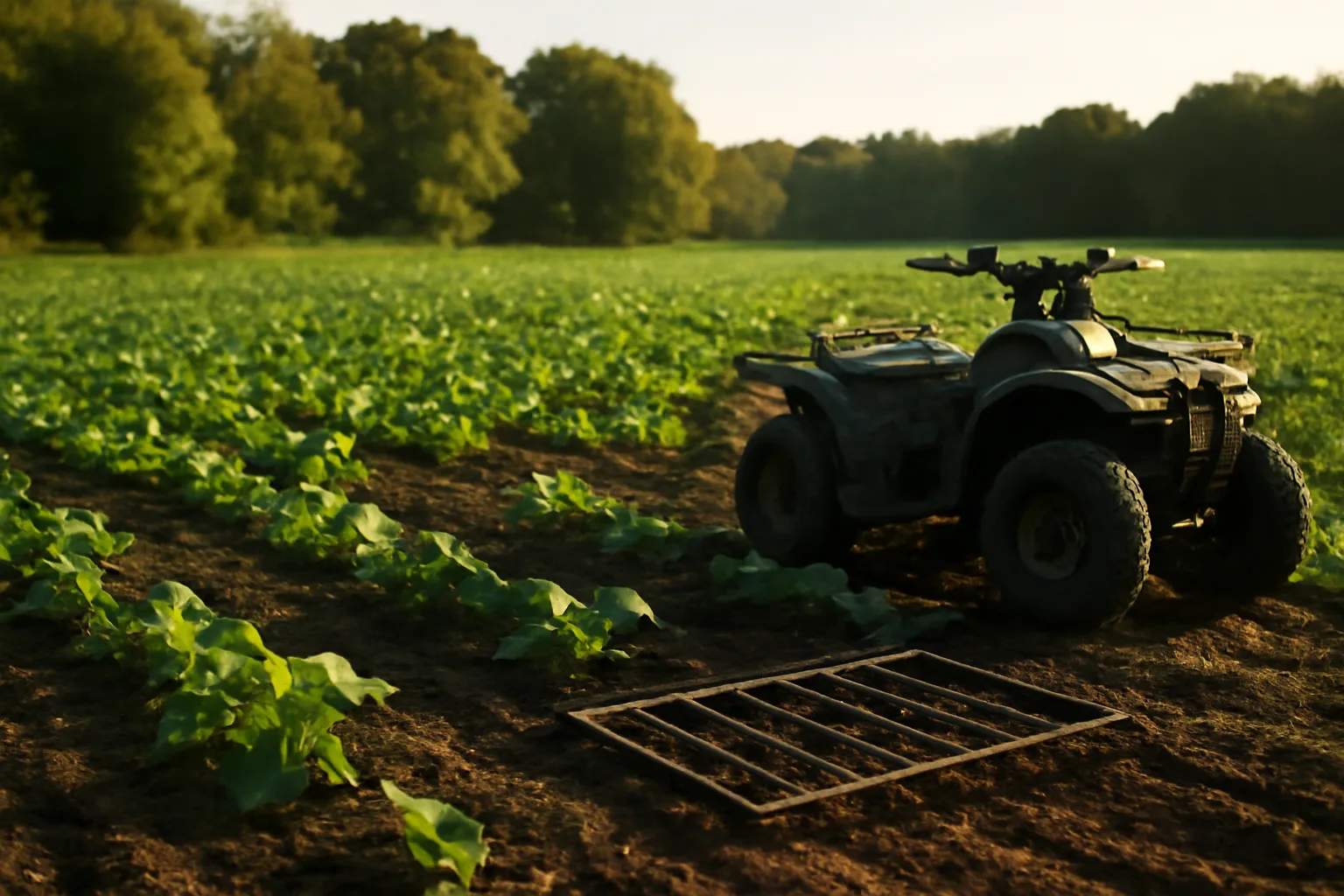
Start with a soil test. This is the one step people skip most often and regret. A basic soil test through your county extension office or a private ag lab runs somewhere in the $10 to $20 range in most states and tells you your actual pH and nutrient levels instead of guessing. Turnips grow best in a pH range around 5.5 to 7.0, with 6.0 to 6.5 being close to ideal for most brassica crops [2]. Your soil test lab is the real authority here on how much lime or fertilizer your specific dirt needs, not a generic online guide. Once you have your soil numbers, here's the general sequence: 1. Kill or till existing vegetation. A burndown herbicide like glyphosate two to three weeks ahead of planting works if you're no-till. If you're tilling, work the ground down to a firm, fine seedbed. Turnip seed is tiny and needs good seed-to-soil contact. 2. Apply lime if your soil test calls for it. Lime takes months to fully react in the soil, so ideally this happens well before planting, not the same day. 3. Broadcast seed at 4 to 6 lbs per acre if planting turnips alone, or 2 to 4 lbs per acre if blending with other brassicas like radish or rape. Seed depth should be shallow, about a quarter inch or less. Too deep and it won't come up. 4. Fertilize according to soil test recommendations, but a common baseline for brassicas is around 40 to 60 lbs of nitrogen per acre plus phosphorus and potassium per the soil test. Nitrogen especially drives leaf tonnage. 5. Cultipack or drag lightly after broadcasting to firm the seed into the soil. This step gets skipped a lot and it hurts germination rates. A cultipacker or a drag harrow towed behind an ATV or small tractor works fine for most food plot sized ground. You don't need a full planter for turnips since the seed is broadcast, not drilled, in most food plot setups.
do deer eat sorghum
Yes, deer eat sorghum, particularly the grain heads once they mature, and sorghum also gets used as a summer annual for cover and forage in warm season plots. It's more common as a component of dove fields and as a drought tolerant grain crop than as a primary deer attractant crop on its own. Grain sorghum tolerates heat and dry conditions better than corn, which is part of why it shows up in food plot mixes across the South and Plains states. Deer will browse young sorghum plants and eat the mature grain, but most food plot experts treat it as a secondary or blend component rather than a stand-alone deer plot, mainly because practical field experience suggests deer generally prefer softer, more digestible forages like clover or brassicas when given the choice.
do deer eat clover, and do deer like clover
Yes, deer eat clover, and it's widely considered one of the most consistently preferred food plot forages available. Clover is a perennial in most varieties (white clover, red clover) which means one planting can produce forage for three to five years with proper mowing and fertility maintenance, unlike turnips which need replanting every year. Deer like clover because it's high in protein, generally in the 20 to 25% crude protein range for well fertilized stands, and it stays palatable through spring, summer, and fall in most regions, going dormant in winter in northern climates. Clover is widely treated as a foundational food plot species in extension and wildlife management literature because of its combination of high protein content, palatability, and perenniality [3]. If you're deciding between a turnip plot and a clover plot, or how to combine both, check out deer food plots for a broader comparison of species.
when to plant oats for deer
Plant oats for deer in late summer to early fall for a fall and winter annual plot, generally 60 to 90 days before your first hard frost, similar timing to turnips. Oats can also be spring planted in northern regions for a quick early season forage, but fall planting is more common for hunting season plots. Oats are a cool season annual grass, and deer favor them heavily in the first month or two after emergence when the leaf blades are tender. Oats don't handle hard freezes as well as wheat or rye, so in colder northern zones they tend to die back earlier in winter, while wheat and cereal rye persist longer into the cold months. A lot of food plot blends pair oats with brassicas like turnips specifically because the oats provide fast, early season attraction while the turnips take longer to bulb up and become most attractive after frost.
when to plant food plots for deer overall
Most food plots fall into one of two windows: spring planting for warm season perennials and summer annuals (April through June depending on zone), or late summer planting for cool season annuals and brassicas (mid-July through September depending on zone). There's no single answer because it depends entirely on what species you're planting and your region's frost dates. Spring plantings usually cover clover, chicory, soybeans, and warm season grains like corn or sorghum. These need soil temperatures consistently above 50 to 60 degrees Fahrenheit and go in after your last frost date. Late summer plantings cover brassicas (turnips, radish, rape), cereal grains (oats, wheat, rye), and often clover overseeded for fall establishment. The most reliable way to nail your timing is to work backward from your area's average first frost date, which you can find through your state's extension climate data or the NOAA climate normals for your nearest weather station [4]. Count back the number of days your specific seed needs to mature (check the seed tag or supplier for that number) and that's roughly your planting window. If you want help building a planting calendar specific to your property's zone and soil rather than working it out crop by crop, that's the kind of thing a Custom Food Plot Plan is built to handle. It's a $99 one-time plan that maps out species and timing for your specific ground, though your soil test lab remains the authority on your actual lime and fertilizer numbers, and no plan can promise deer activity on any given plot.
what turnip varieties work best for deer plots, and should i blend them
Purple top turnips are the most common variety planted for deer, prized mainly for large bulb size and heavy tonnage. Other common brassica food plot varieties include Groundhog radish (deep taproot, good for soil compaction), and forage rape (leafier, more cold tolerant tops, smaller root). Most experienced food plotters blend rather than plant turnips alone. A common blend is turnips plus radish plus a cereal grain like oats or wheat. The reasoning: the cereal grain comes up fast and gives deer something to eat in the first few weeks while the brassicas are still small, the radish breaks up compacted soil with its long taproot, and the turnips provide the big frost-sweetened tonnage later in the season. Brassica blend forage trials have shown total yields can range roughly 2,000 to 4,000+ lbs of dry matter per acre depending on fertility, moisture, and variety, though results vary a lot by site and season . If you're picking specific seed products rather than sourcing raw seed, deer food plot seed and food plot seed cover how to evaluate commercial blends versus straight species.
what do deer prefer to eat, and do they actually like honey
Deer's actual favorite foods shift by season and region, but preference studies and field observation consistently rank acorns, agricultural crops like soybeans and corn, and high protein forages like clover near the top. Wildlife agencies and deer researchers have long noted that acorns, when available, often outcompete planted food plots for deer attention in fall because of their high fat content. As for honey: deer are not typically drawn to honey itself, and there's no credible wildlife research supporting honey as a deer attractant. This question comes up online a fair amount, probably confused with deer's attraction to sweet substances generally (they do like sugary, high carbohydrate foods, which is part of why frost sweetened turnip bulbs and ripe fruit draw them in). But honey isn't a documented or recommended food plot or attractant additive, and it's also worth checking your state agency's rules before using any liquid attractant or bait product, since pouring substances onto the ground can run into state baiting regulations depending on where you hunt [5].
how much does a turnip food plot cost to plant
A basic turnip plot costs somewhere in the range of $50 to $150 per acre for seed alone, depending on whether you buy raw turnip seed (cheaper, often under $3 per lb) or a branded blend product (often $15 to $40 for a bag covering a half acre to two acres). Add lime and fertilizer costs on top, which vary widely based on what your soil test calls for, but often run another $50 to $200 per acre for a plot that needs real correction. Equipment is the bigger variable. If you already have an ATV, a small drag harrow or cultipacker, and a hand broadcast spreader, you can plant a solid turnip plot for well under $300 total in inputs. If you're starting from zero on equipment, costs go up fast, and that's often where it makes more sense to rent or borrow gear for a season or two before buying anything.
common mistakes people make planting turnips for deer
The single biggest mistake is planting too early or too late relative to frost dates, which either burns up young seedlings in late summer heat or leaves bulbs undersized when the ground freezes. The second biggest mistake is skipping the soil test and guessing on lime and fertilizer, which either wastes money on inputs the soil didn't need or leaves the plot underfed and thin. Other common issues: planting seed too deep (turnip seed needs to go in shallow, a quarter inch or less), not firming the seedbed after broadcasting (a cultipacker or drag pass matters more than people think), and expecting immediate deer use right after planting instead of waiting for the post-frost sweetening that drives peak attraction. A smaller but real mistake is planting turnips as the only species on the whole property. Deer needs shift through the season, and a plot heavy on brassicas gives them nothing in early September and everything in December. Pairing turnip plots with a clover or cereal grain plot elsewhere on the property smooths that out. For ideas on mixing plot types across a property, food plot whitetail and domain food plot seed both cover multi-plot planning.
Frequently asked questions
Do deer eat sorghum in food plots?
Yes, deer eat sorghum, mainly the grain heads once mature, and will browse young plants too. It's more heat and drought tolerant than corn, which is why it shows up in southern plots, but most food plotters treat it as a secondary crop rather than a primary deer attractant since deer generally prefer clover or brassicas when both are available.
Do deer eat clover and do they actually like it?
Yes, clover is one of the most preferred food plot forages available, with crude protein often in the 20 to 25% range in well maintained stands. Extension and wildlife management sources treat clover as a foundational food plot species due to its palatability, protein content, and multi-year perenniality compared to annual crops like turnips.
When should I plant food plots for deer?
Timing depends on species. Spring perennials and warm season crops (clover, soybeans, corn) go in after your last frost, typically April through June. Cool season annuals and brassicas (turnips, oats, wheat) go in mid-July through September, roughly 60 to 90 days before your area's first hard frost.
When should I plant turnips specifically for deer?
Plant turnips 75 to 90 days before your area's average first hard frost date. That's typically mid-July to early August in the Upper Midwest, early August to early September in the transition zone, and late August into September across the Deep South. Check local frost data before locking in a date.
When is the right time to plant oats for deer?
Oats go in late summer to early fall, generally 60 to 90 days before first frost, similar to turnip timing. They emerge fast and draw heavy early browsing, but don't tolerate hard freezes as well as wheat or rye, so they're often paired with brassicas or cereal grains that persist later into winter.
What is a food plot, exactly?
A food plot is a planted area, usually a quarter acre to several acres, established specifically to feed and hold deer or other wildlife rather than for commercial crop production. It's typically planted with forages like clover, brassicas, or cereal grains and is distinct from baiting, which involves piling loose feed rather than growing a crop.
What are deer's favorite foods overall?
Deer preference shifts seasonally, but acorns, soybeans, corn, and high protein forages like clover consistently rank near the top in field observation and extension research. Acorns in particular often draw deer away from food plots in fall due to their high fat content, which is a common frustration for plot owners during heavy mast years.
Do deer like honey as an attractant?
No, there's no credible wildlife research supporting honey as a deer attractant, and it isn't a standard food plot or bait product. Deer are drawn to sweet, high carbohydrate foods generally, like frost sweetened turnip bulbs or ripe fruit, which may be why the honey question comes up, but honey itself isn't documented as effective.
Do deer eat the turnip greens or the bulb first?
Deer typically eat the leafy tops first, starting soon after the plant establishes, then shift to digging up and eating the bulbs later in the season. This shift usually follows one or two hard frosts, which convert stored starch in the bulb to sugar and make it more palatable, consistent with extension forage research on brassica crops.
How deep should I plant turnip seed for a deer plot?
Plant turnip seed shallow, about a quarter inch deep or less. The seed is tiny and doesn't have the energy reserves to push through deep soil. Broadcast it onto a firm, worked seedbed and then cultipack or lightly drag over it to press the seed into good soil contact without burying it too deep.
What soil pH do turnips need for a food plot?
Turnips grow best in a pH range around 5.5 to 7.0, with 6.0 to 6.5 considered close to ideal by most extension guidance for brassica forages. A soil test is the only reliable way to know your actual number and whether you need lime, since guessing often leads to either wasted lime purchases or an underperforming plot.
Can I plant turnips alone or should I blend them with other seed?
You can plant turnips alone, but most experienced food plotters blend them with a cereal grain like oats or wheat and sometimes radish. The grain gives deer forage in the first few weeks while brassicas are small, radish helps break up compacted soil, and turnips provide the bulk tonnage that peaks in attractiveness after frost.
Is it legal to hunt over a turnip food plot?
In most states, a standing planted crop is treated differently from piled bait under wildlife regulations, but rules vary significantly by state and sometimes by county. Some states, including parts of the Northeast, have tighter restrictions. Always check your state wildlife agency's current baiting and feeding regulations before hunting over any planted plot.
Sources
- Vermont Fish and Wildlife Department, Baiting and Feeding of Deer Regulations: States regulate baiting versus standing crops differently, and hunters should check state-specific rules
- Oklahoma State University Extension, Brassicas for Fall and Winter Forage (PSS-2586): Frost improves brassica palatability through starch-to-sugar conversion in the bulb
- University of Georgia Extension, Grain Sorghum Production Guide: Grain sorghum tolerates heat and dry conditions better than corn and is used as a grain and wildlife forage crop
- University of Georgia Extension, Clover and Forage Legumes for Wildlife: Clover's protein content, palatability, and perenniality make it a foundational food plot species
- NOAA National Centers for Environmental Information, Climate Normals: Average first frost dates by location, used to time food plot planting windows
- University of Wisconsin Extension, Brassica Forage Yield and Quality Trial Results: Brassica blend forage yields range roughly 2,000 to 4,000+ lbs dry matter per acre depending on conditions