Last updated 2026-07-25
TL;DR
Fall food plot seed for deer usually means cereal grains (oats, wheat, rye), brassicas (turnips, radish), and clover or clover-cereal blends. Plant 60 to 90 days before your area's first killing frost so plants establish before growth slows. Exact dates run early August in the north to mid-October in the deep south.
what is a food plot
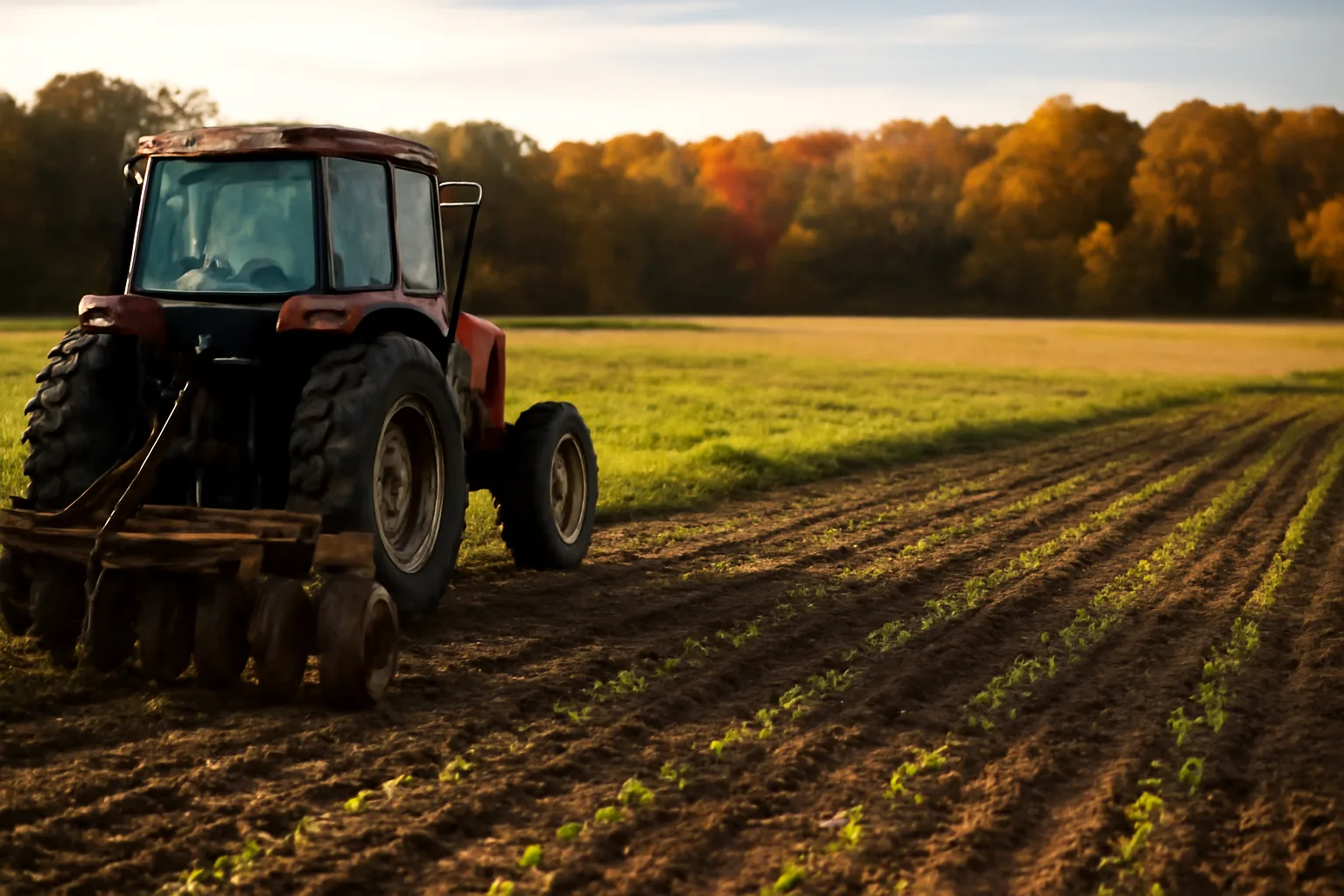
A food plot is a planted patch of forage on hunting land, meant to feed deer and other wildlife and, for most hunters, to draw deer into range or bow shot during season. Plots range from a quarter-acre kill plot tucked into timber to multi-acre fields planted for winter nutrition. They're not the same as bait piles. A food plot is a growing crop, planted in soil, that deer browse over weeks or months. State agencies generally regulate the two very differently: baiting (piling corn, minerals, or other feed) is illegal in a long list of states because of disease concerns, while planted food plots are legal almost everywhere as normal agricultural activity. Chronic wasting disease transmission risk is the main driver behind bait bans, since concentrated feed sites increase nose-to-nose contact. The CDC notes that CWD is spread through direct contact and through environmental contamination from saliva, urine, feces, and carcasses, which is exactly what a feed pile concentrates in one small area [1]. Most land managers run two plot seasons: spring/summer plots (clover, soybeans, alfalfa) for growing-season nutrition and antler development, and fall plots (brassicas, cereal grains, fall clover) timed to be most attractive right as hunting season opens and food gets scarce elsewhere. This article is about the fall side. Cooperative extension programs, which are the university-based, USDA-linked research and outreach arm in every state, are the best free source for local planting dates and variety trials. Your state's land-grant university extension office almost always has a food plot or wildlife forage publication specific to your soil and climate [2].
when to plant food plots for deer in fall
| Upper Midwest / Northeast (Zone 4-5) | early Aug to early Sept | mid-Aug to mid-Sept | mid-Aug to mid-Sept | |
|---|---|---|---|---|
| Mid-South / Transition (Zone 6-7) | mid-Aug to mid-Sept | early Sept to early Oct | early Sept to mid-Oct | |
| Deep South (Zone 8-9) | Sept to early Oct | Sept to Oct | Sept to Nov | These are general windows, not guarantees. Local extension frost date tables are more precise than any national chart, because they're built from decades of station data. NOAA's Climate.gov keeps a searchable freeze/frost date tool by location that's worth five minutes before you buy seed [3]. The biggest planting mistake isn't picking the wrong species. It's planting too late because the ground was too dry in August or the farmer was still finishing a cash crop rotation. If you're going to miss the ideal window, lean early rather than late. A plot that's a little overgrown by hunting season still feeds deer. A plot that never got enough growing degree days before frost may barely come up. |
The short answer: 60 to 90 days before your area's average first killing frost, adjusted for what you're planting. Brassicas want the full 90-day window because they need time to bulb up. Cereal grains like oats and wheat can go in closer to 45 to 60 days out and still produce good fall forage. Regional planting windows generally run: | Region | Brassicas (turnips, radish) | Cereal grains (oats, wheat, rye) | Fall clover |
when to plant oats for deer
Plant oats for deer 6 to 10 weeks before your first fall frost, which lines up with late August through late September across most of the whitetail range, earlier in the north and later in the mid-South. Oats germinate fast (5 to 10 days in warm soil) and put on a lot of tonnage quickly, which is exactly why they're a staple fall plot seed. Oats aren't frost-hardy the way wheat and rye are. A hard freeze in the mid-20s (F) will usually kill oats outright, while winter wheat and cereal rye keep growing (rye especially) into much colder temperatures and will green back up in spring. That's the tradeoff: oats often win the early-season attraction contest because deer seem to prefer the sweeter, softer forage, but they fade by December in colder zones while wheat and rye carry into winter. A lot of experienced plotters plant an oat/wheat or oat/rye blend for exactly this reason: oats pull deer in October and November, the small grain takes over once frost knocks the oats back.
when to plant turnips for deer
Turnips need 80 to 90 days from planting to full maturity, so they go in earlier than most other fall seed, generally late July through mid-August in northern climates and August through early September farther south. Plant too late and the bulbs never size up; you'll get leafy tops and not much else. Turnips (and other brassicas like radish and rape) go through an interesting attraction curve. Deer often ignore the leafy tops early in fall, when acorns and ag crops are still available, then hit brassica plots hard after a couple of frosts convert starches in the plant to sugars. That's a real, documented cold-tolerance and palatability response in brassica species, more than plotting folklore. One planting-rate note worth flagging: turnip seed is tiny (roughly 150,000+ seeds per pound) and very easy to over-seed. Most seed tags call for 4 to 6 lbs per acre broadcast. Dumping on double that rate doesn't make a better stand, it usually makes a crowded stand of stunted plants competing for light and nutrients.
do deer like clover, and should you plant it in fall
Yes. Clover is consistently one of the most heavily browsed food plot forages across whitetail range, and it's a perennial, so a fall-established clover stand can produce both fall forage and a head start on the following spring. White clovers (ladino, Durana, Alice) and red clover are the common food plot types. Fall is actually a legitimate, sometimes preferred, planting window for clover in much of the country, more than a spring thing. Frost-seeding or late-summer/early-fall seeding of clover lets the plant establish a root system over fall and winter with less weed competition than a spring planting, since summer annual weeds aren't germinating in September. Extension guidance from land-grant universities in the Northeast and Midwest recommends late summer, roughly mid-August to early September, as a strong clover establishment window, provided there's enough soil moisture and time before hard frost for seedlings to root in [4]. The tradeoff: fall-seeded clover won't feed deer much the same fall you plant it. Germination and early growth happen, but the stand won't hit full production until spring. If your goal is hunting-season attraction this year, clover alone is the wrong bet; pair it with a cereal grain or brassica in the same field, or accept that the clover is a long-game investment. A lot of successful fall blends actually combine clover with oats or winter wheat: the cereal grain gives you tonnage and attraction this season, the clover establishes underneath and takes over as a perennial stand in year two. If you want help sorting out which blend fits your soil and region rather than guessing off a bag label, that's the kind of question a Custom Food Plot Plan is built to answer for about $99, one time, no subscription.
do deer eat sorghum
Yes, deer eat grain sorghum (milo), both the standing seed heads and the foliage, but it's a warm-season crop, so it's a summer planting, not a fall food plot seed. Sorghum is more commonly used as a standing grain crop that holds through fall and winter, or as a screening/cover crop planted alongside a fall food plot, than as something you'd drill in September. Where sorghum earns its place in a fall plan is as leftover standing grain. If you planted sorghum in late spring or early summer, the mature stalks and grain heads left standing into fall and winter provide a high-energy food source right when hunters want deer using a field edge. Bottom line: don't buy sorghum seed expecting a September planting to do anything useful. If you already have a sorghum field from summer, let it stand into fall and it'll pull deer, turkeys, and a good number of other species.
what are deer's favorite foods
There's no single universal answer, deer diet studies consistently show whitetails are opportunistic browsers whose preferences shift by season and by what's locally abundant. That said, a few patterns hold up across most of the range. In fall, acorns are usually the top-preference food where oaks are present. Multiple state wildlife agency and university studies rank acorns above almost every planted food plot species when a good mast crop is on the ground, because of the fat and carbohydrate content deer need heading into winter. Deer will often bypass planted forage entirely during a heavy acorn drop, which is a well-documented pattern in deer nutrition research. Among planted food plot species, brassicas (turnips, radish), clover, and cereal grains (oats, wheat) rank consistently high in fall/winter attraction studies and hunter observation. Soybeans and cowpeas are top summer choices but get browsed out or die back before most fall hunting seasons. In practice, "favorite" changes week to week: a plot deer ignore in October because acorns are dropping can become the most-hit food source on the property in December once the mast is gone.
do deer like honey (and honey locust)
If the question is literal honey (bee honey), there's no real data or wildlife management basis for deer being drawn to it, and it's not something used in food plot planning. Deer aren't nectar or honey feeders. Most of the time this question is really about honey locust trees (Gleditsia triacanthos) and their seed pods, which deer do eat, sometimes heavily, in fall and winter. Honey locust pods are sweet, high in sugar, and drop in a window that often overlaps hunting season. The USDA Forest Service Fire Effects Information System notes that honey locust seedpods and seeds are consumed by white-tailed deer and other wildlife, and some habitat managers plant honey locust specifically as a mast tree for that reason . If you're set up near a honey locust or thinking about planting one as a long-term mast source alongside your annual plots, it's a legitimate perennial addition, but it's a tree project measured in years, not something that replaces this fall's plot seed.
how do you choose the right fall seed for your ground
Start with your soil test, not the seed bag. A $10 to $20 soil test through your county extension office or a private ag lab tells you pH and nutrient levels, and every seed choice downstream depends on getting lime and fertilizer right first. Most food plot species (clover especially) want soil pH in the 6.0 to 7.0 range; below that, lime applications matter more to yield than which brand of seed you buy . Your soil test lab is the actual authority here, not a seed bag or a blog post, because lime and fertilizer recommendations are tied to your specific soil chemistry, not a regional average. After soil, the next filters are sunlight (most plot species want 4+ hours minimum, 6+ ideal), drainage, and how much time you have before frost. A shaded, low-lying plot with heavy clay is a bad candidate for clover no matter how good the seed is. Match species to site conditions first, then worry about blend brand. If you want a starting point built around your zip code, soil test numbers, and equipment, a food plot seed guide covers species-by-species rates and mixing ratios, and tools like a Custom Food Plot Plan take your soil test and location and hand back species and rate recommendations instead of you guessing off five different bag labels.
how much seed do you need and what does it cost
Seeding rates vary a lot by species and whether you're broadcasting or drilling. Rough per-acre broadcast rates: oats 100 to 130 lbs, winter wheat 100 to 120 lbs, cereal rye 100 to 150 lbs, turnips/brassica blends 4 to 6 lbs, clover 6 to 10 lbs (often mixed with a cereal grain as a nurse crop). Drilling generally cuts seed rates 20 to 30 percent below broadcast rates because seed-to-soil contact is better. Cost runs roughly $15 to $30 per acre for cereal grains bought in bulk, $20 to $40 per acre for brassica blends, and $25 to $50+ per acre for quality clover seed, though prices swing with the ag commodity market and whether you're buying a proprietary food-plot-branded bag versus feed-store bulk seed. A half-acre fall plot in a cereal grain/brassica blend is often a $30 to $60 total seed cost, which is cheap relative to the fuel, lime, and fertilizer that usually costs more than the seed itself. Don't skip lime because it feels like the boring line item. A soil test coming back at pH 5.2 needs lime long before it needs a fancier seed blend; acidic soil locks up phosphorus and other nutrients regardless of what's planted.
what equipment do you actually need for a fall planting
For small plots (under an acre), a hand or tow-behind broadcast spreader, a way to disturb the soil (disc, tiller, or even a drag harrow), and a way to pack seed in (cultipacker, ATV tires, or a chain drag) covers most fall seed. Brassica and clover seed is small and needs shallow coverage, roughly 1/4 to 1/2 inch; cereal grains want a bit deeper, 1 to 1.5 inches. A no-till drill is the upgrade that matters most if you're planting more than a couple acres regularly. It cuts labor, improves germination consistency, and lets you plant into standing residue without a full tillage pass, which also helps with erosion on sloped ground. Herbicide burn-down (glyphosate on a clean field, or a grass-selective product in an existing clover stand) before planting is one of the highest-value, lowest-cost steps most hunters skip. Weed competition in the first 3 to 4 weeks after planting does more damage to a young stand than almost anything else.
Frequently asked questions
Do deer eat sorghum?
Yes, deer eat sorghum grain and foliage, but it's a warm-season summer crop, not a fall planting. Its value in a fall food plot plan is as standing grain left over from a summer planting, providing energy-dense food into fall and winter.
Do deer eat clover?
Yes, clover is one of the most consistently preferred food plot forages for whitetails across most of their range. Both white clover (ladino, Durana) and red clover get heavy browse pressure where established well, and it's a perennial, so a good stand feeds deer across multiple seasons, more than one fall.
When should you plant food plots for deer in fall?
Plant 60 to 90 days before your area's average first killing frost. That's roughly early August in the northern whitetail range, September in the transition zone, and September through October in the deep South. Brassicas need the fuller 90-day window; cereal grains can go in closer to 45-60 days out.
Do deer like clover more than other food plot options?
There's no single 'favorite' across all seasons, but clover ranks at or near the top of most fall/winter attraction observations and university forage studies, especially where it's an established perennial stand. Acorns often outrank everything, including clover, during a heavy mast year.
When should you plant oats for deer?
Plant oats 6 to 10 weeks before your first expected fall frost, generally late August through late September depending on latitude. Oats germinate fast and produce forage quickly, but they're not frost-hardy like wheat or rye, so many planters blend oats with a cereal grain for season-long coverage.
When should you plant food plots for deer, spring or fall?
Most managers run both. Spring/summer plots (soybeans, clover, alfalfa) build summer nutrition and antler growth. Fall plots (oats, wheat, brassicas, fall clover) target hunting-season attraction and winter forage. Fall planting windows run 60 to 90 days ahead of first frost depending on species and region.
When should you plant turnips for deer?
Plant turnips 80 to 90 days before your first fall frost, generally late July to mid-August in the north and August to early September farther south. Turnips need that full window to bulb up; late plantings often produce leafy tops with little to no usable bulb.
What is a food plot, exactly?
A food plot is a planted area of forage crop on hunting land, grown specifically to feed deer and other wildlife and to draw animals into range for hunters. It's a growing crop in soil, legal in nearly every state, and distinct from bait piles, which many states restrict or ban.
What are deer's favorite foods in fall?
Acorns generally top the list where oak mast is available, often outcompeting planted food plots entirely during a heavy drop year. Among planted options, brassicas, clover, and cereal grains like oats and wheat rank consistently high, though preference shifts week to week based on what else is available locally.
Do deer like honey?
Deer aren't drawn to actual bee honey; there's no wildlife data supporting that as a food source or attractant. Most people asking this mean honey locust tree pods, which deer do eat, sometimes heavily, in fall and winter, since the pods are high in sugar and drop during hunting season.
How late is too late to plant a fall food plot?
If you're inside 4 to 5 weeks of your first hard frost, brassicas and clover are risky bets since they won't have time to establish. Fast-germinating cereal grains like oats are your best late option, but even those need at least a few weeks of growth before a killing freeze to produce useful forage.
Should you check state rules before planting or feeding deer?
Yes. Planted food plots are legal almost everywhere as normal agriculture, but baiting and supplemental feeding rules vary a lot by state and sometimes by county, often tied to chronic wasting disease management zones. Check your state wildlife agency's current regulations before combining plots with any mineral or feed supplementation.
Sources
- CDC, Chronic Wasting Disease Occurrence, Transmission, and Prevention: concentrated feed sites increase disease transmission risk, driving state bait bans
- NOAA Climate.gov, Freeze/Frost Occurrence Data: regional first/last frost date data used to time fall plot planting
- Oklahoma State University Extension, Food Plots for Wildlife (PSS-2911): oats and wheat recommended fall cereal grain choices, planted ahead of first frost
- Pennsylvania Game Commission, White-tailed Deer Food Habits: deer preference for acorns over planted forage during heavy mast years
- USDA Forest Service, Fire Effects Information System, Gleditsia triacanthos: deer and wildlife browse honey locust pods and seedlings
- University of Missouri Extension, Soil Testing for Wildlife Food Plots (G9182): target soil pH range of 6.0 to 7.0 for most food plot species, with lime as the primary correction