Last updated 2026-07-26
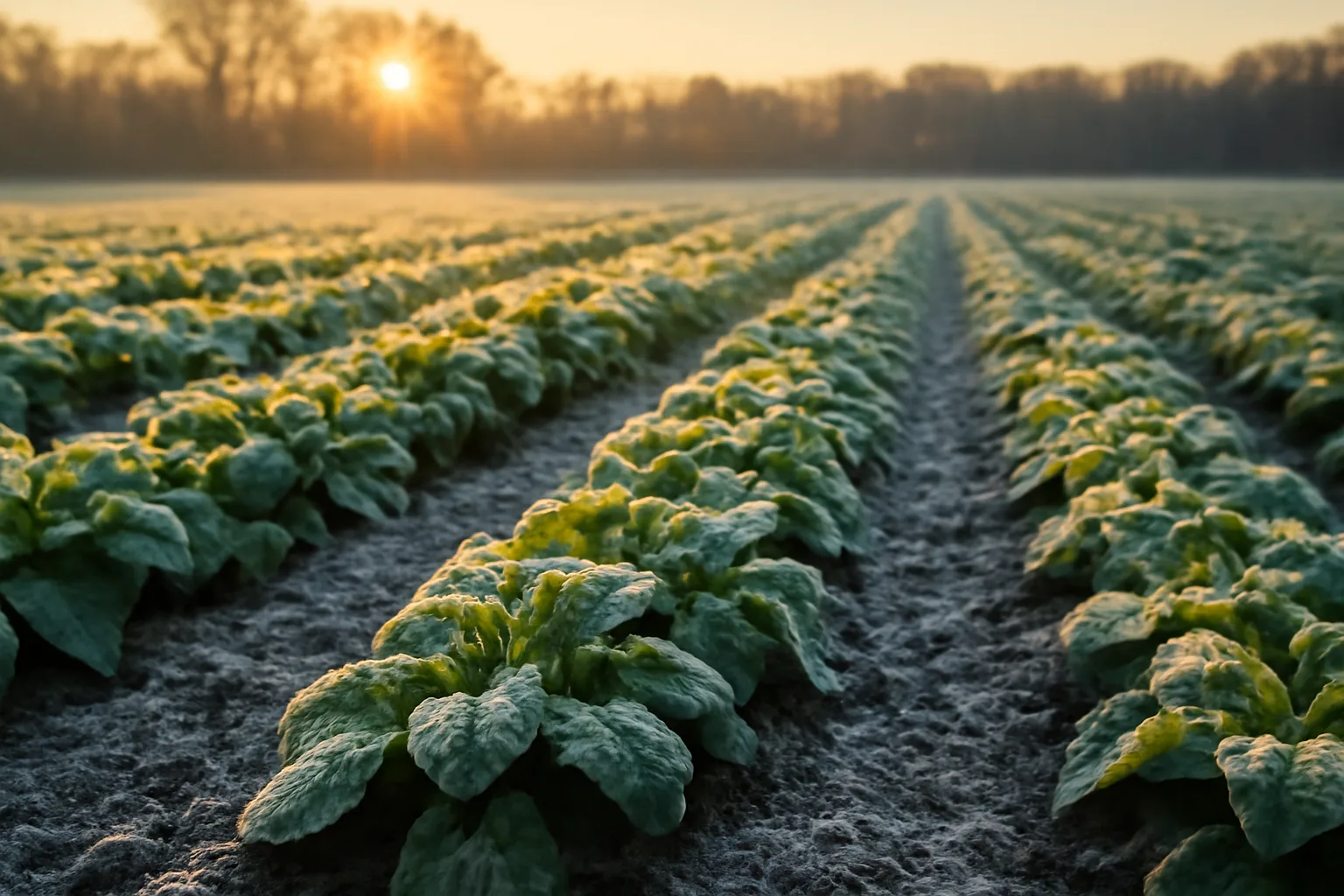
TL;DR
There's no single best food plot for Minnesota, but a clover base for spring/summer plus a brassica or cereal grain blend for fall gives the widest coverage. Clover goes in April to May, brassicas and oats by late July to mid-August depending on your zone, and soil pH (5.5-7.0 for most species) matters more than seed choice.
What is a food plot, exactly?
A food plot is a planted patch of forage, usually somewhere between a quarter acre and a few acres, put in specifically to feed deer and hold them on your ground. It's not the same as a crop field left standing, though a standing corn or soybean field can function like one. Most hunters plant food plots for two overlapping reasons: nutrition (helping does raise fawns, helping bucks grow antlers) and hunting access (giving you a predictable spot to set a stand). The University of Minnesota Extension and the Minnesota DNR both treat food plots as a habitat management tool, not a hunting trick by itself. The DNR's private land habitat guidance frames plots as one piece of a bigger package that includes cover, water, and bedding security [1]. A plot with great seed in bad soil, or a plot with no timber cover nearby, underperforms no matter what you plant. If you're brand new to this, it helps to separate plots by season of use: spring/summer plots (clover, alfalfa) feed deer through green-up and lactation, and fall plots (brassicas, cereal grains) get slammed once frost hits and natural browse thins out. Most serious plotters run both types on the same property, in different fields.
What's the best food plot for deer in Minnesota?
For most Minnesota properties, the best combination is a perennial clover plot for spring through summer, paired with a fall annual plot of brassicas (turnips, radish, rape) or a cereal grain (oats, winter wheat, or winter rye). Neither one alone covers the whole season. Clover holds deer from May through September, survives Minnesota winters if it's a perennial variety like ladino or medium red clover, and comes back the next spring without replanting. Brassicas and cereal grains do the heavy lifting in October and November, right when hunting season peaks, because a hard frost converts starches to sugars in turnips and brassica leaves and makes them noticeably sweeter to deer [2]. If you can only plant one plot, most Minnesota land managers and extension guidance lean toward brassicas or a brassica/cereal blend for a hunting-season plot, and clover for a food/nutrition plot that isn't necessarily hunted hard. A lot of leased-ground hunters run a 60/40 split: clover in the biggest, most protected field, brassicas or oats in a smaller field closer to a stand.
Do deer like clover, and is it worth planting in MN?
Yes. Clover is consistently one of the highest-preference forages in whitetail diet studies, and it's a mainstay of Minnesota food plot programs because it's cheap, perennial, and tolerant of the state's clay and loam soils once pH is corrected. Ladino (white) clover and red clover are the two most planted types in the Upper Midwest. Clover's protein content commonly runs 25-30% crude protein on a dry matter basis when it's actively growing, which is why it matters most in late spring and summer during antler growth and lactation, not during the November rut when energy (not protein) is what deer are chasing [3]. That's the main reason clover alone isn't the best rut-season plot even though deer clearly like it. One real downside in Minnesota: clover needs decent drainage and doesn't love standing water, and it can struggle on very acidic soils without lime. A soil test before planting tells you exactly how much lime you need to hit the 6.0-7.0 pH range clover prefers. Skipping that step is the single most common reason a clover plot fails in year one.
Do deer eat sorghum?
Yes, deer eat grain sorghum (milo), but it's a secondary food plot choice in Minnesota, not a headline species. Sorghum is more commonly planted as a screening or standing-grain crop in southern states with longer growing seasons; Minnesota's shorter frost-free window (roughly 100-160 days depending on region, per Minnesota climate data) makes full-season grain sorghum a riskier bet than in Iowa, Kansas, or further south [4]. Where sorghum earns a spot on Minnesota ground is as cover and a late-season energy source when left standing into winter, similar to how standing corn works. It's drought-tolerant and can handle sandier soils better than corn. But if you're choosing between planting sorghum or planting a brassica/cereal grain blend for fall hunting, the brassica blend is the better use of acreage and money for most Minnesota hunters, because it establishes faster and deer preference data leans toward brassicas and cereal grains as fall draws. If you do plant sorghum, treat it like a supplemental screening/standing-grain block rather than your primary plot.
When should you plant food plots for deer in Minnesota?
| Brassicas (turnip, radish) | late July to early August | mid-August to early September | |
|---|---|---|---|
| Oats | mid-August | late August to mid-September | |
| Winter wheat/rye | late August to early September | mid-September | |
| Clover (spring) | mid-May | late April to mid-May | Those ranges come from general land-grant extension planting guidance for cool-season forages in the Upper Midwest and should be adjusted a week or two either direction based on your specific county's average first-frost date, which you can pull from NOAA climate normals for your nearest station [5]. If you want a plan built around your actual property and zip code rather than a statewide range, that's exactly the gap our $99 Custom Food Plot Plan is built to close; it takes your soil test and location and turns it into a specific species and date plan instead of a state-wide guess. |
Timing splits into two windows: spring plantings (perennials like clover and alfalfa) go in April through late May once soil temps warm and frost risk drops, and fall plantings (brassicas, oats, winter wheat/rye) go in from mid-July through early September depending on species and how far north you are. Minnesota spans three USDA hardiness zones, roughly 3a in the far north to 4b/5a in the southeast, and the frost-free season varies by 6-8 weeks across the state. That matters a lot for fall plot timing: a plot in Roseau County needs to go in the ground 2-3 weeks earlier than the same species planted near Rochester, because early frost shuts down brassica bulb development up north. General fall planting windows for Minnesota: | Species | Northern MN (Zone 3) | Southern MN (Zone 4b/5a) |
When should you plant oats for deer in Minnesota?
Plant oats for a fall deer plot in Minnesota between mid-August and mid-September, aiming for 60-75 days of growth before a hard killing frost. Oats grow fast, tolerate a wide pH range, and green up almost immediately, which makes them a favorite "quick plot" for hunters who didn't get a spring planting in. Oats are a cool-season annual, meaning they'll winterkill in Minnesota once temps drop hard, unlike winter wheat or winter rye, which can survive under snow and green up again the following spring. That makes oats a one-season play: great tonnage and high palatability from September through the first hard freezes, then done. A lot of Minnesota plotters blend oats with brassicas in the same field. The oats germinate fast and give some early cover and grazing while the turnips and radishes are still bulbing up underground, so you get food from September clear through December in one planting.
When should you plant turnips for deer in Minnesota?
Plant turnips 80-90 days before your area's average first hard frost, which in most of Minnesota lands somewhere between late July (far north) and mid-August (central and southern counties). Turnips need that full runway to bulb out and build the sugar content that makes them attractive after frost. The frost itself is what makes turnips work as a deer food. Cold temperatures trigger the plant to convert starches into simple sugars, which is why a turnip plot that deer ignored in September gets hammered in late October and November. If you plant too late and frost hits before the plant has bulbed, you end up with thin leaves and small roots that deer show a lot less interest in. Soil pH matters here too. Brassicas including turnips do best around 6.0-6.5 pH and are heavy nitrogen feeders; extension guidance generally recommends 50-100 lbs of actual nitrogen per acre for brassica plots depending on soil test results, split between a starter dose at planting and (in some programs) a top-dress a few weeks in [6]. Your soil test lab's recommendation should always override a generic number like that, since actual rates depend on your organic matter and existing nutrient levels.
What are deer's favorite foods, and does that change by season?
Deer preference shifts hard by season, and no single plant sits at the top of the list year-round. In spring and summer, clover, alfalfa, and soybeans (as forage, before they pod) rank highest because deer are chasing protein for antler growth and lactation. In fall, acorns often beat almost anything you can plant when they're dropping heavy, followed closely by brassicas, standing soybeans, and corn once frost sweetens them up [3]. Wildlife food habit studies, including long-running work summarized by university extension wildlife programs, consistently show agricultural forages and mast (acorns) topping deer diet composition studies in the Midwest, with clover and soybeans showing up as preferred forage across multiple regional studies [3] [7]. That's part of why so many food plot mixes now blend a legume (clover or soybeans) with a brassica or cereal grain: it covers both the summer protein need and the fall energy need in one program. There isn't a single "best" species because deer preference is driven by what's available and what stage of year it is. A plot that gets hit hard in November might sit untouched in July if there's a soybean field next door still standing.
Do deer like honey, or is that a myth?
Deer don't seek out honey in the wild, and there's no wildlife research showing honey as a meaningful deer attractant or food source. Deer aren't drawn to concentrated sugar the way, say, bears are; they're browsers built around fibrous plant material, mast, and forbs, and their rumen microbiome is adapted to that diet. Where this question usually comes from is commercial deer attractant products that use a molasses or sugar-based liquid, sometimes marketed loosely alongside "honey" scented sprays or mineral licks. Those products are attractants, not food plots, and in most states they're regulated the same as bait once they're placed on the ground or in a feeder. Minnesota's baiting rules restrict placing feed, including things like grain, minerals, and salt, to attract deer for hunting purposes in most of the state; check the current Minnesota DNR hunting regulations before using any attractant near a stand . Bottom line: skip the honey question as a plot strategy. It's not a real deer food, and depending on how you use a sugar or scent product, it may run you into baiting law trouble anyway.
How do you build a Minnesota food plot from bare dirt to planted?
Start with a soil test, taken 4-8 weeks before you plan to plant, since lime takes time to adjust pH and you want results back before you buy seed. The University of Minnesota Soil Testing Laboratory and most county extension offices offer test kits for a modest fee, and results usually come back with a specific lime and fertilizer recommendation for your target crop. Once you have results, the sequence is roughly: clear existing vegetation (mow, spray, or till), apply lime if the test calls for it (lime needs weeks to months to fully react in the soil, so don't skip this step even if you're in a rush), work in fertilizer at planting, drill or broadcast seed at the recommended depth and rate, and cultipack or drag to get good seed-to-soil contact. Equipment scales with your budget. A hand spreader and a rented disk can put in a half-acre clover plot for a few hundred dollars total. A no-till drill and a UTV make the job faster and more precise on multiple plots but cost thousands if you're buying rather than borrowing. Neither approach is wrong; a smaller, well-limed and well-timed plot usually outperforms a bigger plot planted late with no soil amendment. For species-specific mixes and rates, our deer food plot seed guide breaks down blends by region, and food plot seed covers straight species options if you'd rather build your own mix than buy a bag blend.
How much does a food plot cost in Minnesota, roughly?
A basic half-acre to one-acre plot, seed and fertilizer only, typically runs $150-$400 depending on species mix and whether you're buying lime. Clover seed costs less per acre than a premium brassica blend, but clover plots often need a starter fertilizer application in year one and a maintenance mow through summer, which adds time if not much cash. Equipment is the bigger swing factor. Renting or borrowing a disk and a spreader keeps costs low. Buying your own ATV/UTV implements, a no-till drill, and a sprayer easily pushes total setup cost into four figures, though that gear pays for itself over several seasons if you're planting more than one or two plots a year. Soil amendments can be the wildcard. If your soil test comes back needing 2 tons of lime per acre (common on acidic Minnesota soils that haven't been limed in years), that alone can cost more than the seed, though lime is a multi-year investment since it doesn't need to be reapplied annually like fertilizer does.
Frequently asked questions
Do deer eat sorghum in Minnesota food plots?
Yes, deer will eat grain sorghum, but it's a secondary choice for Minnesota because the state's shorter growing season makes full-season sorghum riskier than in southern states. It works better as a standing-grain screening crop than as a primary fall food plot; brassicas or cereal grains generally give better return on Minnesota acreage.
Do deer eat clover, and should I plant it in Minnesota?
Yes, clover is one of deer's most preferred forages and is a staple Minnesota food plot species. Ladino and medium red clover are perennial, tolerate Minnesota winters, and provide 25-30% crude protein during active growth, making them ideal for spring and summer plots that support antler growth and lactation.
When should I plant food plots for deer in Minnesota?
Plant perennial clover in April through late May. Plant fall annuals (brassicas, oats, cereal grains) between mid-July and mid-September depending on species and how far north you are; northern Minnesota needs 2-3 weeks earlier planting than southern counties to beat the first frost.
When should I plant oats for deer?
Plant oats in Minnesota between mid-August and mid-September, giving 60-75 days of growth before a hard killing frost. Oats winterkill over winter (they're not a perennial like winter wheat or rye), so they're a one-season fall food source, often blended with brassicas for extended attraction.
When should I plant turnips for deer?
Plant turnips 80-90 days before your area's average first hard frost, roughly late July in far northern Minnesota and mid-August in central/southern counties. Frost triggers the plant to convert starches to sugars, which is why turnip plots often get hit hardest in late October and November.
What is a food plot, in simple terms?
A food plot is a planted area, usually a quarter acre to a few acres, seeded specifically to feed deer and other wildlife. It differs from a farmed crop field in that its main purpose is habitat and hunting access rather than commercial harvest, though standing crop fields can serve a similar function.
What is the best food plot for deer in MN specifically?
There's no single best species; the strongest programs pair a perennial clover plot for spring/summer nutrition with a fall brassica or cereal grain plot for hunting season. Clover covers the growing season, brassicas and oats cover the November rut and late season when frost sweetens them.
What are deer's favorite foods overall?
Preference shifts by season. In spring and summer, clover, alfalfa, and soybean forage top the list for protein. In fall, acorns often beat planted forages when they're dropping, followed by brassicas, standing soybeans, and corn, especially after a frost sweetens brassica leaves and bulbs.
Do deer like honey?
No, there's no research showing deer are drawn to honey as a food or attractant. Deer are browsers adapted to fibrous plants, forbs, and mast, not concentrated sugar. Products marketed with honey or molasses scents are attractants, not real food sources, and may fall under baiting restrictions in some states.
What soil pH do most Minnesota food plot species need?
Most food plot species, including clover and brassicas, do best between 6.0 and 7.0 pH. Minnesota soils are often more acidic than that without lime correction. A soil test tells you the exact lime rate needed; skipping it is the most common reason new plots underperform in year one.
Can I plant a food plot without a soil test?
You can, but you're guessing at lime and fertilizer needs, which are the two biggest levers on plot success. A soil test through your county extension office or a private lab costs relatively little and tells you exactly what your specific field needs before you spend money on seed.
Are there rules about baiting or feeding deer in Minnesota?
Yes. Minnesota restricts placing feed such as grain, minerals, or salt to attract deer for hunting purposes in most of the state, with specific exceptions and disease-management zone rules that change over time. Check current Minnesota DNR hunting regulations before using any feed, mineral, or attractant near a stand.
How big should a Minnesota food plot be?
A quarter acre to one acre works well for most leased or owned parcels and is manageable with basic equipment. Bigger fields (2+ acres) hold deer longer and support more browsing pressure but need more seed, fertilizer, and time to establish and maintain.
Sources
- Minnesota DNR, Private Land Habitat Programs: food plots are one piece of a broader habitat management approach including cover and water
- University of Minnesota Extension, forage and brassica cold response: frost converts starches to sugars in brassicas, increasing palatability
- Minnesota DNR / NOAA climate data, frost-free season length: Minnesota's frost-free season ranges roughly 100-160 days depending on region
- NOAA National Centers for Environmental Information, Climate Normals: average first-frost dates vary by station and should guide local planting timing
- University of Wisconsin-Madison Extension, brassica food plot fertility guidance: brassica plots commonly need 50-100 lbs of actual nitrogen per acre depending on soil test
- Michigan State University Extension, deer food habits: acorns and agricultural forages top deer diet composition in Midwest studies
- Minnesota DNR, Hunting Regulations - Baiting and Feeding: Minnesota restricts placing feed to attract deer for hunting purposes in most of the state